


At a glance
Postural orthostatic tachycardia syndrome (POTS) is an autonomic nervous system disorder defined by dizziness, palpitations, sweating, or fainting upon standing. While its exact cause remains unclear, nutrient deficiencies, impaired energy metabolism, and gut dysbiosis may contribute to the severity of symptoms. Targeted nutritional strategies can help support autonomic function and symptom management naturally.
Feeling lightheaded, shaky, or faint when you stand up isn’t normal and may signify an imbalance within the autonomic nervous system known as postural orthostatic tachycardia syndrome, or POTS.
POTS is a chronic disorder characterized by a dysfunction in the regulation of the circulatory system in response to gravity’s effects on the body.
Discover common signs and causes of POTS and learn about the practical strategies to help manage symptoms naturally.
What is postural orthostatic tachycardia syndrome (POTS)?
Postural orthostatic tachycardia syndrome, commonly referred to as POTS, is an autonomic nervous system disorder characterized by an abnormal increase in heart rate when transitioning from a seated or lying position to a standing position.
Typically, the autonomic nervous system regulates heart rate and blood vessel constriction to maintain stable blood flow regardless of the body’s movement or position.
However, in those with POTS, the nervous system is unable to effectively regulate blood pressure, which allows blood to pool in the legs, triggering a rapid increase in heart rate.
POTS is a widespread health issue, affecting approximately one to three million Americans. Although it can occur in men, orthostatic intolerance is most commonly seen in teenagers and women between the ages of 15 and 50.
Watch the video below to learn more about the hidden deficiency linked to POTS.
Symptoms of POTS
POTS can develop gradually or suddenly, and symptoms can appear immediately upon standing or a few minutes after changing to an upright position.
POTS symptoms can vary from person to person, but often include:
- An increased heart rate or heart palpitations
- Brain fog
- Chest pain
- Dizziness
- Excessive sweating
- Fainting
- Fatigue
- Headaches
- Nausea or feeling sick
- Nervousness or anxiety
- Pallor or purple discoloration of hands and feet
- Shortness of breath
Many POTS patients notice fast symptom relief when lying down. This position improves venous return, increases blood flow to the brain, and reduces gravity-related strain on the autonomic nervous system.

Causes and risk factors
While the exact cause of POTS isn’t fully understood, it’s considered a complex condition with multiple contributing mechanisms.
Researchers have identified three primary subtypes:
- Neuropathic POTS
- Hyperadrenergic POTS
- Hypovolemic POTS
Neuropathic POTS occurs when the small peripheral nerves that control blood vessel constriction are damaged, allowing blood to pool in the lower body.
Hyperadrenergic POTS is characterized by an overactive sympathetic nervous system, which is the body’s fight or flight system. This can result in norepinephrine and adrenaline surges that rapidly increase heart rate, anxiety, and other stress responses.
Hypovolemic POTS is linked to low blood volume, which means there isn’t enough blood to sustain stable blood flow and circulation when standing up.
Some healthcare providers theorize that POTS is an autoimmune disease, as it frequently develops after viral infections, significant stress, surgery, or trauma. POTS can be associated with other autoimmune or inflammatory conditions such as Hashimoto’s thyroiditis, Sjögren’s syndrome, and lupus.
Risk factors for the development of POTS include:
- Sedentary lifestyle
- Being female
- Chronic stress
- Neurological conditions
- Recent illness
Additionally, nutritional deficiencies have been identified as significant risk factors for POTS.
A study published in Neurological Research reported a higher prevalence of deficiencies in vitamin B1 (thiamine), vitamin B12, vitamin D, and iron among individuals with POTS compared to healthy controls.
“B vitamins, particularly vitamin B1, are key players in autonomic nervous system function,” explains Dr. Berg. “Thiamine supports nerve energy metabolism and communication between the brain, heart, and blood vessels, which explains why deficiencies may contribute to POTS symptoms.”
Common triggers
Several dietary, lifestyle, and environmental factors can trigger or worsen POTS symptoms by placing additional strain on the nervous and cardiovascular systems.
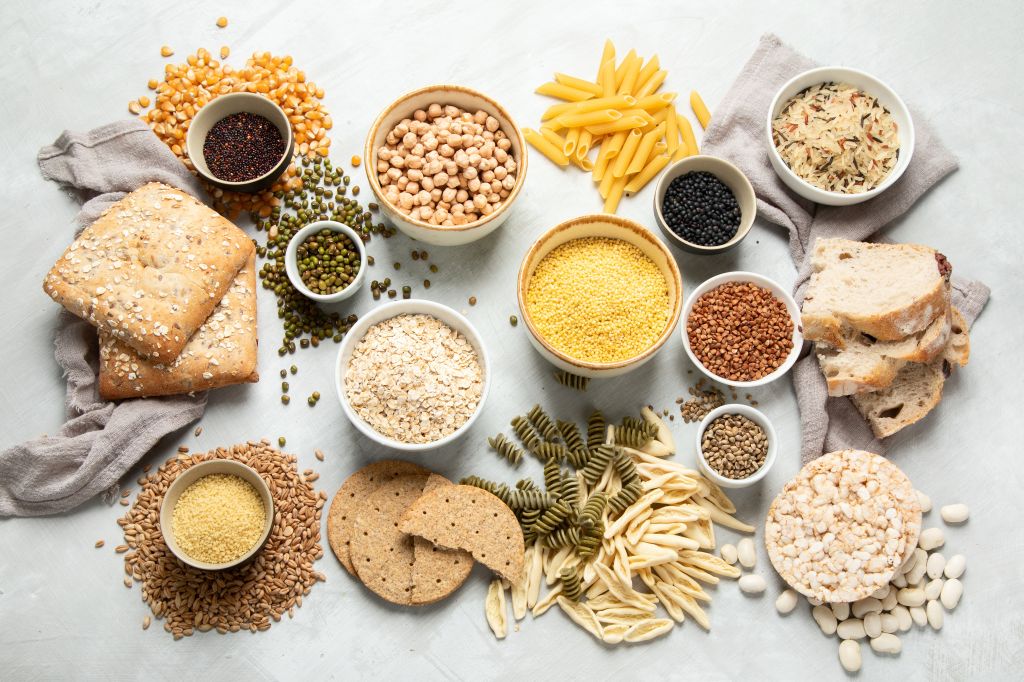
A high-carbohydrate diet may exacerbate POTS by increasing the body’s demand for B vitamins, such as thiamine, contributing to or worsening deficiencies that act as risk factors for autonomic dysfunction.
Prolonged standing, heat exposure, and strenuous activity may also aggravate POTS symptoms by promoting blood pooling in the lower extremities, reducing cerebral flow, and causing blood vessel dilation, all of which further impair blood pressure and heart rate regulation.
Additionally, significant hormonal fluctuations, such as those occurring during menstruation, puberty, or pregnancy, can temporarily trigger or worsen POTS symptoms by altering vascular tone, fluid balance, blood volume, and autonomic regulation and signalling.
Natural tips for managing POTS
Because POTS is associated with nutrient deficiencies, correcting nutritional gaps with targeted dietary and lifestyle changes may help manage symptom severity and reduce its impact on daily life.
Here are four natural strategies to help manage POTS.
1. Increase foods rich in vitamin B1
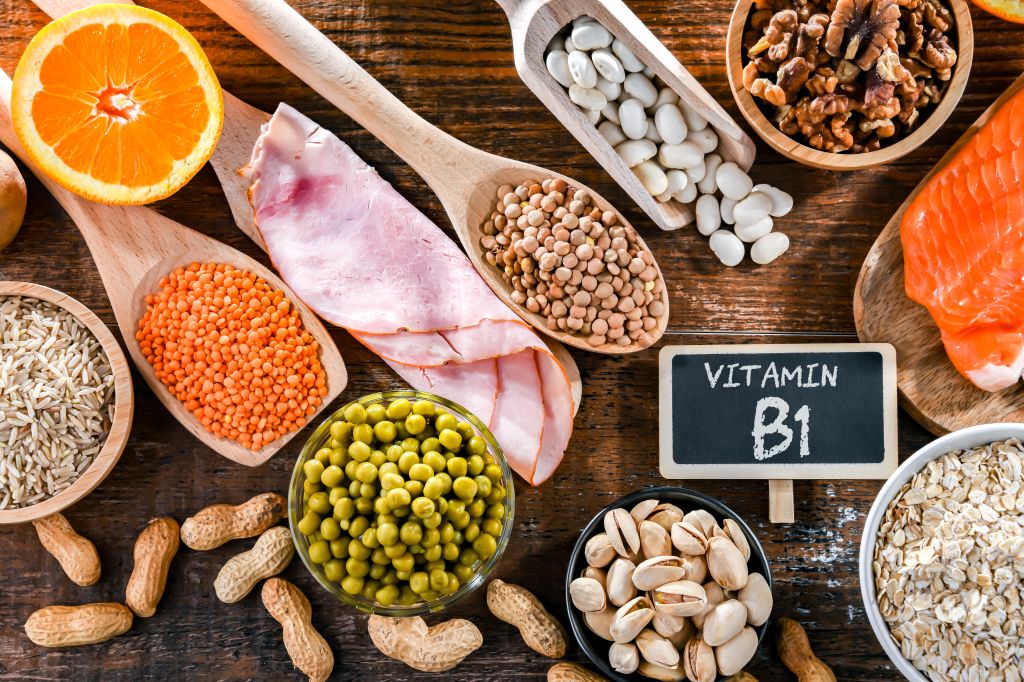
B vitamins, especially vitamin B1, play a critical role in maintaining nervous system signaling, mitochondrial energy production, and autonomic regulation.
In individuals with POTS, low thiamine status may worsen symptoms such as fatigue, lightheadedness, and impaired cardiovascular regulation due to increased strain on the nervous system.
Emphasizing foods naturally rich in vitamin B1, such as sunflower seeds, pork, beef, and organ meats, is a simple way to boost nutrient intake and reduce the risk of subclinical deficiencies that may exacerbate POTS.
2. Support electrolyte balance and hydration
For individuals with hypovolemic POTS, maintaining optimal hydration and increasing dietary sodium intake from sea salt or pink Himalayan salt can help expand blood volume, promote circulation, and reduce the risk of blood pooling in the lower body.
Research published in the Journal of the American College of Cardiology found that “In POTS, a high salt diet reduced upright heart rate and orthostatic tachycardia compared with a low salt diet. Total blood volume and plasma volume increased, and standing norepinephrine decreased.”
3. Support gut health
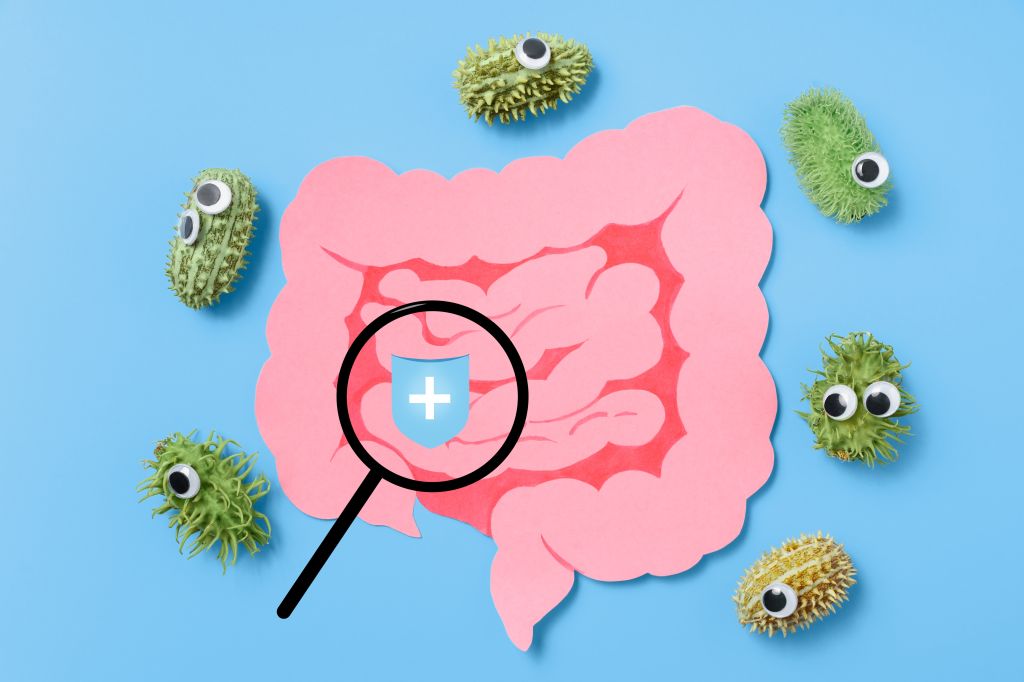
Maintaining a healthy gut promotes efficient digestion and nutrient absorption, crucial for reducing the risk of vitamin and mineral deficiencies that can worsen POTS symptoms.
Damage to the intestinal lining or imbalances in gut bacteria, known as dysbiosis, can impair nutrient absorption and place additional strain on the nervous system.
A study published in Neurogastroenterology & Motility reported that up to 80 percent of POTS patients experience gastrointestinal symptoms such as reflux, nausea, abdominal pain, and bloating associated with dysbiosis.
Limiting foods that contribute to a leaky gut, such as refined sugars and carbohydrates, while prioritizing bone broth, fermented foods, and low-carb, fiber-rich vegetables, supports gut lining integrity and microbial diversity.
4. Maintain optimal vitamin D levels
Vitamin D supports immune regulation, vascular function, and neuromuscular signaling, all of which are involved in maintaining autonomic nervous system stability.
Vitamin D deficiency is a common co-occurrence in individuals with POTS and may exacerbate symptoms such as fatigue, dizziness, weakness, and exercise intolerance.
A study published in Expert Opinion on Investigational Drugs reported that more than 50 percent of POTS patients exhibited insufficient or deficient vitamin D levels.
Regular sun exposure and consumption of vitamin D-rich foods, such as wild-caught fish, egg yolks, cod livers with the oil, and organ meats, can support balanced levels and help promote overall autonomic and cardiovascular function.

When to talk to your doctor
If you experience frequent dizziness, fainting, a rapid heart rate upon standing, or other signs of POTS, contact your healthcare provider for evaluation.
Diagnosing POTS typically involves reviewing your symptom history and performing a physical exam to assess vital signs in different positions.
The tilt table test (TTT) is considered the gold standard for diagnosis. During this test, an individual is secured to a table that moves from a horizontal to an upright position while their heart rate and blood pressure are closely monitored.
To treat POTS, healthcare providers typically focus on managing symptoms and improving quality of life. This often includes medications to support blood volume, vascular tone, or heart rate.
However, your doctor may also help formulate a natural program to manage symptoms without medication by incorporating lifestyle changes, a balanced diet, and gradual exercise.
Key takeaways
- POTS is an autonomic nervous system disorder that affects between one and three million Americans, primarily women.
- This relatively common disorder is characterized by an abnormal increase in heart rate when moving from a seated or lying position to standing.
- Common POTS symptoms include brain fog, sweating, fainting, and dizziness.
- While the exact cause of POTS is unknown, nerve damage, an overactive sympathetic nervous system, and low blood volume play central roles.
- Addressing deficiencies in B vitamins, vitamin D, and iron, which have been linked to POTS, may help relieve symptoms.
FAQ
- 1. What is postural orthostatic tachycardia syndrome?
- 2. How common is POTS?
- 3. What is the most common cause of POTS?
- 4. How is POTS typically diagnosed?
Sources
- Blitshteyn S. Vitamin B1 deficiency in patients with postural tachycardia syndrome (POTS). Neurol Res. 2017;39(8):685-688. https://pubmed.ncbi.nlm.nih.gov/28531358/
- Garland EM, Gamboa A, Nwazue VC, et al. Effect of High Dietary Sodium Intake in Patients With Postural Tachycardia Syndrome. J Am Coll Cardiol. 2021;77(17):2174-2184. https://pubmed.ncbi.nlm.nih.gov/33926653/
- Tai FWD, Palsson OS, Lam CY, et al. Functional gastrointestinal disorders are increased in joint hypermobility‐related disorders with concomitant postural orthostatic tachycardia syndrome. Neurogastroenterology Motil. 2020;32(12). https://onlinelibrary.wiley.com/doi/10.1111/nmo.13975
- Abstract 121: Vitamin D Deficiency Study in Postural Orthostatic Tachycardia Syndrome. ahajournals.org. Accessed 2026. https://www.ahajournals.org/doi/10.1161/circoutcomes.8.suppl_2.121
Related Articles
-
Afternoon Slump: What to Try Instead of Coffee
 Healthy lifestyle
Afternoon Slump: What to Try Instead of Coffee
At a glance Afternoon slumps may occur due to natural changes in the circadian rhythm and can be intensified by a post-lunch blood sugar crash. How strongly you feel them…06/05/2026 -
Why Am I Still Tired After 8 Hours of Sleep?
 Healthy lifestyle
Why Am I Still Tired After 8 Hours of Sleep?
At a glance Feeling tired after getting a full night’s sleep is more common than you may think. Several factors influence how well the body recovers and rejuvenates overnight. When…02/13/2026 -
Fibromyalgia: Symptoms, Causes, and Remedies
 Health concerns
Fibromyalgia: Symptoms, Causes, and Remedies
At a glance Fibromyalgia is marked by heightened sensitivity within the central nervous system, causing pain signals to feel stronger and more widespread without visible tissue damage. This sensitivity contributes…01/08/2026 21.2k views -
6 Reasons You Feel Tired and Fatigued After Eating
 Diet
Diet6 Reasons You Feel Tired and Fatigued After Eating
At a glance Feeling tired after eating can signal underlying blood sugar and metabolic imbalances. High-carb meals, poor digestion, and frequent snacking can cause post-meal fatigue by disrupting insulin and…12/31/2025 26.1k views -
Adrenal Fatigue: Diet and Lifestyle Changes for Adrenal Health
 Diet
DietAdrenal Fatigue: Diet and Lifestyle Changes for Adrenal Health
At a glance Adrenal fatigue is marked by low energy, poor stress tolerance, and disrupted hormone rhythms. Although triggers differ among individuals, chronic stress, blood sugar fluctuations, and nutrient imbalances…11/20/2025 23.4k views -
The 5 Most Common Causes of Fatigue
 Health concerns
The 5 Most Common Causes of Fatigue
At a glance Fatigue, defined as persistent tiredness or exhaustion not relieved by rest, is often caused by medical conditions, nutrient deficiencies, poor sleep, stress, or hormonal imbalances. Understanding the…04/09/2025 31.9k views -
The Thyroid Body Type
 Health concerns
The Thyroid Body Type
At a glance A thyroid body type is characterized by a slow metabolism, weight gain, and low energy. This body type is often associated with an underactive thyroid, which can…04/09/2025 53.1k views -
5 Causes of Intermittent Fasting Fatigue
 Diet
Diet5 Causes of Intermittent Fasting Fatigue
At a glance Fatigue is a frequent early side effect of intermittent fasting as the body transitions from using glucose to fat for energy. Low blood sugar, dehydration, electrolyte imbalance,…04/09/2025 103.2k views -
Feeling Weak While Fasting? Causes and Remedies
 Diet
DietFeeling Weak While Fasting? Causes and Remedies
At a glance Fasting can promote impressive metabolic benefits, but some people experience temporary fatigue or weakness as their body adapts to burning fat for fuel. If you’re feeling weak…04/09/2025 17.4k views


