

At a glance
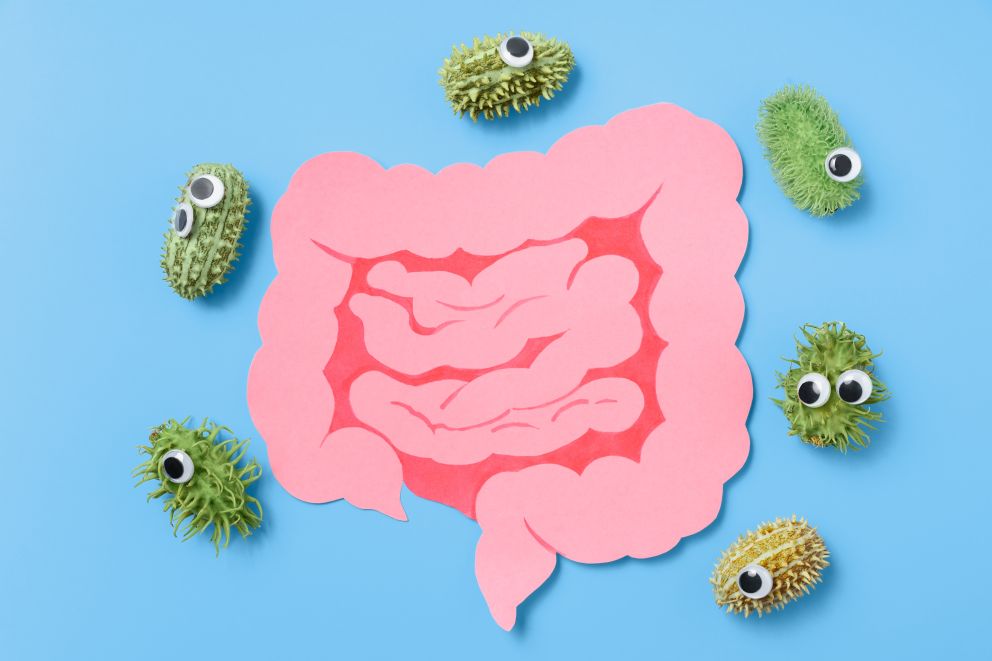
The gut microbiome plays a central role in digestion, detoxification, immune function, and cognitive function. Establishing a morning routine that supports gut health encourages microbial diversity and promotes steady energy, clearer thinking, and more efficient digestion throughout the day.
Dietary choices and lifestyle habits can significantly impact the composition of the gut microbiome, which plays a vital role in maintaining physical health and emotional well-being.
Let’s take a look at the importance of a balanced microbiota and discover the ultimate gut health morning routine to boost overall health and wellness.
Why gut health is so important
A well-working digestive tract promotes optimal digestion and nutrient absorption, facilitates waste elimination and detoxification, and supports various other critical biological processes.
Poor gut health is associated with impaired emotional regulation, including lowered states of mood and increased risk of mental health conditions, including depression and anxiety.
This is due to a bidirectional pathway known as the gut-brain connection. Through this neural pathway, gut microbe activity can impact mood, stress resilience, and other cognitive functions.
Approximately 70 percent of the immune system is located in the gut. An imbalance between potentially harmful and good bacteria, a condition known as dysbiosis, can contribute to weakened immunity and increase the risk of infections.
Additionally, poor skin health and a sluggish metabolism can also be attributed to an unhealthy digestive tract, as gut microorganisms play a crucial role in regulating inflammation, hormone balance, fat storage, and glucose homeostasis.
A healthy gut may also reduce the risk of chronic disease, including autoimmune disorders and certain types of cancers, such as colorectal cancer, by strengthening the intestinal mucosal barrier.
Furthermore, chronic inflammatory conditions can be linked to a damaged intestinal lining, known as intestinal permeability, which allows toxins and food particles to invade the bloodstream, triggering persistent immune responses.
Watch the video below to learn how to support the growth of beneficial gut bacteria.
Does a gut health morning routine matter?
Adopting an effective gut health morning routine is an excellent way to establish and maintain optimal digestion, promote an efficient metabolism, and support regular bowel movements.
Consistent daily habits also contribute to gut bacteria diversity, which may offer long-term health benefits, including improved sleep, better energy levels, more effective nutrient absorption, and enhanced cognitive function.
Many individuals find that having a set morning routine makes it easier to stick with these habits consistently, turning gut-supportive practices into a natural part of their day.

How to start your day for a healthy gut
How you start your day can profoundly impact the health of your digestive system, shaping not only your immediate well-being but also your long-term overall health.
Beneficial routines support healthy digestion, which may help relieve gut issues and support the body’s ability to function optimally.
Here are five habits you can incorporate into your ultimate morning routine for gut health.
1. Engage in physical activity
A sedentary lifestyle can slow digestion by inhibiting gut motility, which refers to food and waste transportation through the gastrointestinal tract.
A gentle morning at-home workout can activate the digestive tract and stimulate the gut muscles to contract, reducing the risk of constipation and related health issues.
Additionally, exercise increases blood flow to organs, which is attributed to greater diversity in beneficial microorganisms.
A study published in Oxidative Medicine and Cellular Longevity concluded, “Exercise is able to enrich the microflora diversity…which can modulate mucosal immunity and improve barrier functions, resulting in reduction in the incidence of obesity and metabolic diseases.”1
2. Drink a glass of water
Water is essential for a gut-healthy morning routine. It helps rehydrate the intestines, activate digestive enzymes necessary for breaking down proteins and fats, and transport nutrients throughout the body.
Optimal water intake also helps prevent constipation and promote regular bowel movement. This minimizes waste buildup in the digestive tract, which can cause toxins to be reabsorbed into the body, negatively impacting metabolic health and overall well-being.
3. Eat a nutritious breakfast
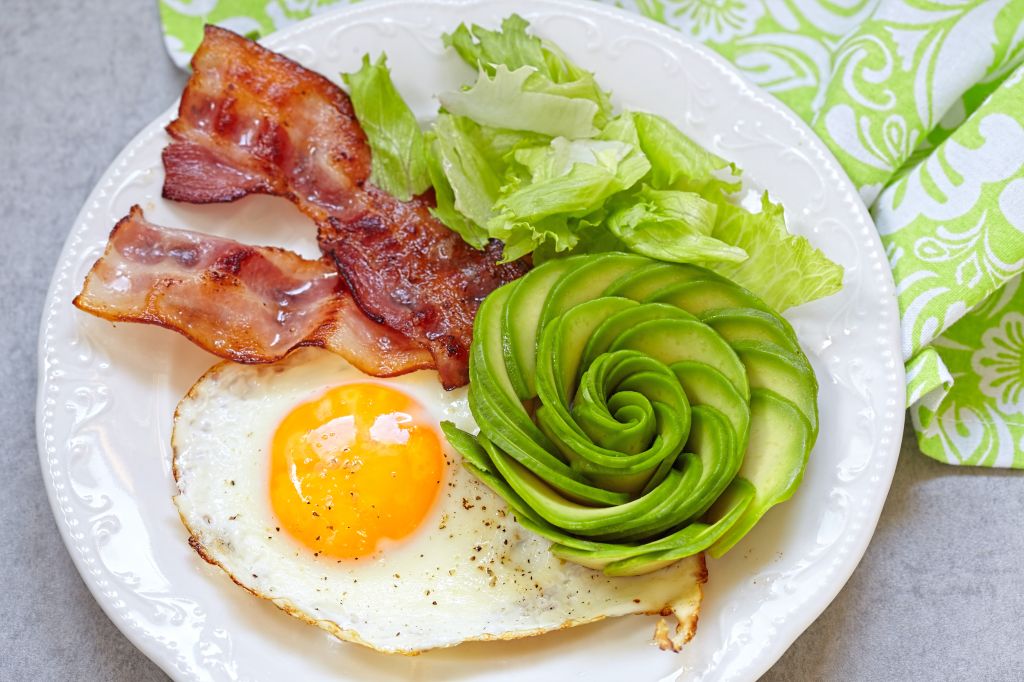
Many breakfast foods are high in sugar and refined carbohydrates, which can inflame the digestive system and feed unfriendly microbes.
In contrast, a breakfast rich in protein and healthy fats, such as eggs, steak, and avocado, supports the integrity of the intestinal lining and discourages pathogen overgrowth.
If you’re not hungry in the morning, you can also skip breakfast. In fact, restricting mealtimes to specific periods during the day, a practice known as intermittent fasting, may significantly benefit gut health.
“Intermittent fasting supports microbiome diversity and enhances the microflora’s resistance to environmental stress,” explains Dr. Berg. “Fasting also depletes glycogen reserves, reducing the availability of sugars that feed unfriendly yeasts such as Candida albicans.”
However, skipping breakfast may not be right for everyone, depending on their fasting routine, health status, and energy needs.
4. Incorporate pre- and probiotic-rich foods
Choosing fermented foods, such as pickled vegetables, raw sauerkraut, kimchi, and kefir, is an effective way to boost gut health naturally. These foods are fiber-rich and contain live cultures that support a balanced gut microflora.
Chia seeds are another excellent source of prebiotic fiber. When added to liquid, they produce mucilage, a gelatinous substance that bulks stool, soothes the gut lining, and feeds beneficial microorganisms.
Other excellent prebiotic foods include onions, garlic, Jerusalem artichokes, and asparagus.
5. Manage stress
Chronic stress triggers the release of stress hormones and harmful metabolic by-products in the gut, which can disrupt digestion, influence mood, and drive unhealthy eating habits.
A study published in Current Opinion in Behavioral Sciences found that stress leads to changes in gut composition and contributes to depressive behavior and cravings for highly palatable, ultra-processed foods that further disrupt microbial balance.2
Stress management techniques, such as deep breathing, long walks, or light stretching, can help relax the nervous system and promote homeostasis.

Night-before habits to support morning digestion
Establishing simple bedtime habits can transform how well your digestive system functions, leading to healthier bowel movements, reduced bloating, and improved well-being.
Here are four ways to kickstart morning gut health the night before.
1. Limit blue light exposure
The circadian rhythm is the body’s internal clock that regulates the sleep-wake pattern and is intimately linked with microbial behavior.
Light exposure directly regulates the circadian rhythm, influencing digestion and metabolic processes and affecting the microbiome.
However, nighttime exposure to unnatural blue light, such as from screens, disrupts the delicate balance between the circadian rhythm and gut microbiome, which can impact morning digestion.
Evidence published in Frontiers in Cellular and Infection Microbiology found that night-shift workers exposed to blue light are more likely to develop significant changes to the gut microbiota.3
2. Avoid late meals
Having dinner three or more hours before bed helps reduce indigestion, bloating, stomach acid reflux, and other symptoms linked to eating too close to bedtime.
This is likely because the intestines have sufficient time to break down food, leaving less for the body to digest and process overnight, when digestive functions are naturally slower.
Additionally, enzymatic and microbial activity increases in the early evening, contributing to more efficient digestion and optimal nutrient absorption.

3. Avoid late-night snacking
Digestion slows at night, following the body’s natural circadian rhythm, which explains why snacking before bed may negatively impact gut health and metabolic balance.
Research published in Molecular Nutrition and Food Research found that late-night eating significantly alters gut bacteria’s composition and activity and increases the risk of metabolic disorders.4
4. Minimize caffeine and alcohol intake
While drinking coffee in moderation may support gut health due to its antioxidant content, excessive intake of caffeinated beverages can lead to gastrointestinal distress.
Additionally, alcohol can directly alter the composition of the gut microbiome by encouraging the growth of harmful bacteria and weakening the intestinal barrier.
Alcohol also decreases butyrate, a short-chain fatty acid (SCFA) produced by beneficial microbes that feed the cells lining the colon.
Key takeaways
- A balanced gut environment influences metabolic health, immune function, mood regulation, and skin wellness.
- Consistent morning habits, such as physical activity, proper hydration, and eating nutrient-dense meals, help support digestion and promote healthy gut motility.
- Prebiotic and probiotic foods, including fermented vegetables, kefir, and chia seeds, help maintain microbial diversity and support a healthy microbiome.
- Managing stress in the morning and throughout the day encourages a calmer nervous system and contributes to healthier digestive function.
- Evening routines that limit blue light, avoid late meals and snacking, and reduce alcohol intake help set the foundation for a more effective gut-supportive morning routine.
FAQ
- What is the best gut health morning routine?
- What is the best thing to have in the morning for gut health?
- Is it better to eat breakfast or skip it?
- What is a gut-friendly breakfast?
Sources
- https://pmc.ncbi.nlm.nih.gov/articles/PMC5357536/ ↩︎
- https://pmc.ncbi.nlm.nih.gov/articles/PMC7213601/ ↩︎
- https://pmc.ncbi.nlm.nih.gov/articles/PMC10800827/ ↩︎
- https://pubmed.ncbi.nlm.nih.gov/31628714/ ↩︎
Related Articles
-
Digestive Enzyme Supplements: Forms and How to Choose
 Nutrition
Digestive Enzyme Supplements: Forms and How to Choose
At a glance Digestive enzymes help facilitate the breakdown of food into nutrients the body can absorb and use for energy and essential bodily functions. Digestive enzyme supplements are available…10/01/2026 -
How Does Sugar Affect Digestion?
 Digestive health
How Does Sugar Affect Digestion?
At a glance Sugar is a carbohydrate that the digestive system breaks down into simple molecules for absorption and energy use. While this is a normal part of metabolism, sugar…09/24/2026 -
Food Intolerance Symptoms and How to Identify Patterns
 Digestive health
Food Intolerance Symptoms and How to Identify Patterns
At a glance Food intolerance symptoms can be difficult to connect to a particular food because they don’t always happen immediately after eating. Reactions may depend on portion size, food…07/30/2026 -
Sugar Alcohols: What They Are and How They Affect Digestion
 Food and Drink
Sugar Alcohols: What They Are and How They Affect Digestion
At a glance Sugar alcohols are low-calorie sweeteners commonly used in sugar-free foods, chewing gum, desserts, and other processed foods. Unlike regular sugar, many sugar alcohols are not fully absorbed…05/21/2026 -
Food Preservatives: Types, Safety, and Health Effects
 Nutrition
Food Preservatives: Types, Safety, and Health Effects
At a glance Food preservatives are common additives in packaged and processed food products that help extend shelf life and prevent spoilage. While some preservatives are derived from natural sources…04/03/2026 -
6 Natural Remedies for H. Pylori
 Health concerns
6 Natural Remedies for H. Pylori
At a glance Helicobacter pylori (H. pylori) is a common pathogen that infects the stomach and increases the risk of ulcers and other gastrointestinal symptoms. While conventional treatment relies on…03/19/2026 24.6k views -
How to Kill Parasites: 7 Natural Tips
 Health concerns
How to Kill Parasites: 7 Natural Tips
At a glance Parasitic infections occur when worms or protozoa colonize the body, often through exposure to contaminated pets, food, or water. These organisms can interfere with digestion and other…03/13/2026 15.1k views -
Natural Flavors vs. Artificial Flavors
 Nutrition
Natural Flavors vs. Artificial Flavors
At a glance Both natural and artificial flavors are widely used in everyday food products to enhance their taste and aroma. It’s generally known that artificial flavoring substances are linked…03/12/2026 -
What Causes Pale Colored Stool?
 Health concerns
What Causes Pale Colored Stool?
At a glance Pale-colored stool can be linked to low bile flow, low-fat diets, alcohol use, infections, or underlying liver, gallbladder, or pancreatic issues. Supporting gallbladder function through a nutritious…02/26/2026 14.9k views -
3 Benefits of Oral Probiotics–And How To Use Them
 Digestive health
3 Benefits of Oral Probiotics–And How To Use Them
At a glance Oral probiotics are beneficial microbes that help maintain a balanced environment in the mouth, promoting strong teeth, healthy gums, and fresher breath. Supporting a diverse oral microbiome…02/20/2026 6.3k views


