

At a glance
Vitamin D and gallbladder health are closely connected, as adequate bile flow is essential for the absorption of vitamin D. At the same time, low vitamin D levels can impair bile flow, which may reduce nutrient absorption and negatively impact gallbladder health. Maintaining healthy vitamin D levels is crucial for supporting gallbladder functions and promoting optimal bile flow.
Gallbladder function and vitamin D levels are closely connected, as low bile flow can impair the absorption of fat-soluble vitamins, including vitamin D.
Discover the connection between vitamin D and gallbladder health and learn how to maintain balanced levels of this essential nutrient to promote optimal bile flow.
What is the gallbladder?
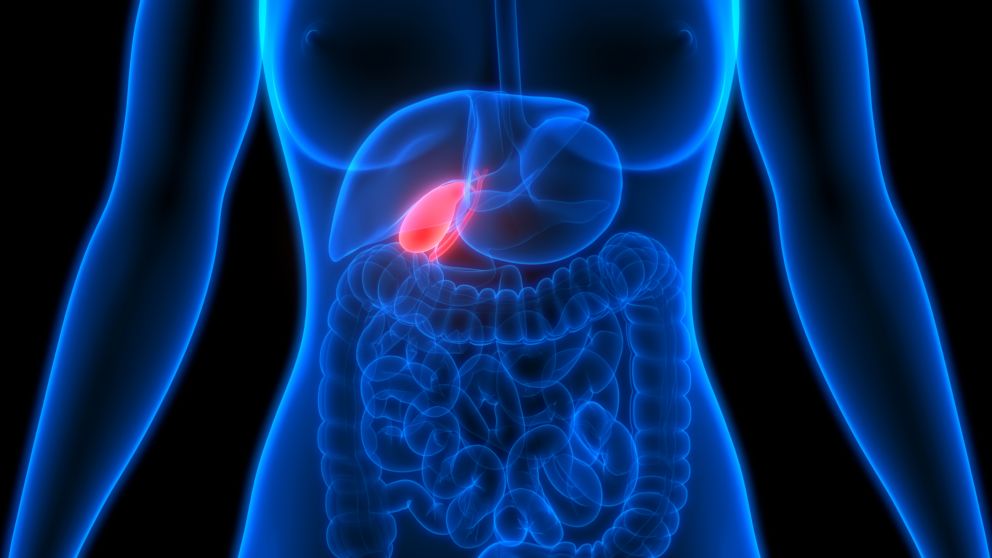
The gallbladder is a small, pear-shaped organ located beneath the liver. Its primary function is to store and concentrate bile, a digestive fluid produced by the liver.
When dietary fat enters the small intestine, hormonal signals stimulate the gallbladder to contract and release bile into the digestive tract, where it facilitates the breakdown and absorption of fats.
Bile contains bile acids, which act as natural detergents that emulsify dietary fats. This process is also essential for the absorption of fat-soluble nutrients, including vitamins A, D, E, and K.
In addition, bile is composed of cholesterol, phospholipids, bilirubin, water, and electrolytes, all of which play roles in digestion, waste elimination, and metabolic balance.
“Insufficient bile flow, often caused by a sluggish gallbladder or gallstones, can reduce the absorption of nutrients from food and supplements, thereby increasing the risk of nutrient deficiencies, including vitamin D,” explains Dr. Berg.
Watch the video below to discover the link between vitamin D, bile, and gallbladder health.
How vitamin D affects gallbladder health
Not only is optimal bile flow critical for vitamin D absorption, but vitamin D also plays a vital role in maintaining a healthy gallbladder.
Research published in Science has shown that vitamin D receptors are present throughout gallbladder tissues, indicating that this fat-soluble vitamin may help regulate gallbladder activity, including smooth muscle contractions and bile secretion.
Insufficient vitamin D may negatively affect gallbladder function and bile release, which in turn can reduce vitamin D absorption, creating a vicious cycle that may contribute to nutrient deficiencies and poor gallbladder health.
Additionally, vitamin D helps support healthy cholesterol levels, which is crucial for maintaining proper bile composition and solubility, thereby further supporting overall gallbladder wellness.
This has been confirmed by evidence published in Digestive Diseases and Sciences, which underscores the importance of maintaining adequate vitamin D levels for optimal gallbladder health and function.

Signs you need more vitamin D
Vitamin D receptors are found in nearly all of the body’s cells and tissues, indicating their importance in supporting normal physiological processes.
As a result, a lack of vitamin D can manifest in a wide range of symptoms, including:
- Feeling run down or lacking energy
- Joint and muscle discomfort
- Difficulties maintaining restful sleep
- Reduced resilience to everyday physical or mental demands
- Changes in moods or emotional balance
- Slow recovery after physical activity
Vitamin D deficiency is a widespread concern that affects a significant portion of the population. Fortunately, you can easily evaluate your vitamin D through a simple blood test ordered by your healthcare provider or an at-home testing kit that uses a finger-prick sample.

Natural ways to support healthy vitamin D levels
Sunlight exposure is the body’s primary source of vitamin D. Ultraviolet (UV) rays from sunlight trigger a biochemical process in the skin that converts precursor compounds into cholecalciferol, the active form of vitamin D used by the body.
Spending around 15 to 20 minutes in the sun each day can support natural vitamin D production, especially when areas of skin are exposed.
However, factors such as age, skin tone, season, and geographic location can significantly affect vitamin D production, which helps explain why low vitamin D levels are so common.
Pairing regular sunlight exposure with prioritizing dietary sources of vitamin D, such as oily fish, egg yolks, organ meat, and certain mushrooms, can also support overall nutrient status.
In addition, data published by the National Institutes of Health (NIH) discusses the use of supplements to support vitamin D levels, especially for individuals at increased risk of deficiency.
Because the absorption of vitamin D from foods and supplements requires optimal gallbladder health, promoting natural bile flow is an excellent strategy to support healthy vitamin D levels.
There are various strategies to support smooth bile flow, including:
- Add bitter greens such as arugula, dandelion greens, and kale to meals
- Stay hydrated to maintain bile fluidity
- Consume nourishing fats with every meal
A study published in the International Journal of Nutrition Sciences reports that maintaining healthy vitamin D levels also requires magnesium, as it’s needed for the enzymatic reactions that convert vitamin D into its active forms.
The authors summarize, “Magnesium acts as a co-factor in the activation and inactivation of vitamin D. In addition, magnesium is required for the binding of vitamin D to its transporter protein and the expression of vitamin D receptors for cellular effects.”
Some of the best dietary sources of magnesium include pumpkin seeds, leafy green vegetables, salmon, and avocado.
Key takeaways
- Low vitamin D levels can impair bile flow and reduce the absorption of fat-soluble vitamins, including vitamin D itself, which can potentially contribute to gallbladder issues.
- Vitamin D helps regulate bile secretion and smooth muscle contractions in the gallbladder, and inadequate levels may worsen bile flow, contributing to malabsorption.
- Natural sunlight, vitamin D-rich foods such as oily fish and egg yolks, and magnesium-rich foods are essential for maintaining vitamin D levels and supporting gallbladder health.
- Promoting proper bile flow is crucial for the efficient absorption of vitamin D from food and supplements.
FAQ
- 1. Can low vitamin D lead to gallbladder problems?
- 2. Can I absorb vitamin D without a gallbladder?
- 3. What foods are high in vitamin D?
- 4. What depletes vitamin D?
Sources
- Makishima M, Lu TT, Xie W, et al. Vitamin D Receptor As an Intestinal Bile Acid Sensor. Science. 2002;296(5571):1313-1316. https://www.science.org/doi/10.1126/science.1070477
- Onal ED, Berker D, Guler S. Vitamin D Deficiency and Gallbladder Stasis. Dig Dis Sci. 2015;60(12):3823-4. https://pubmed.ncbi.nlm.nih.gov/26507741/
- Office of Dietary Supplements – Vitamin D. National Institutes of Health. Accessed 2026. https://ods.od.nih.gov/factsheets/VitaminD-HealthProfessional/#h8
- Singla R, Dutta U, Aggarwal N, et al. Vitamin-D Deficiency Is Associated with Gallbladder Stasis Among Pregnant Women. Dig Dis Sci. 2015;60(9):2793-2799. https://pubmed.ncbi.nlm.nih.gov/25963323/
Related Articles
-
Vitamin D2 vs. D3 Supplements: What’s the Difference?
 Supplements
Vitamin D2 vs. D3 Supplements: What’s the Difference?
At a glance Vitamin D2 and vitamin D3 are two forms of supplemental vitamin D. Although both contribute to vitamin D intake, they differ in structure, stability, and effectiveness in…05/21/2026 -
Liquid vs. Capsule Vitamin D Supplements
 Nutrients
Liquid vs. Capsule Vitamin D Supplements
At a glance Vitamin D is a fat-soluble nutrient that functions more like a hormone than a traditional vitamin by regulating calcium absorption, supporting immune function, and influencing critical cellular…05/21/2026 -
Vitamin D Supplements: Forms and How to Choose
 Supplements
Vitamin D Supplements: Forms and How to Choose
At a glance Vitamin D supplements differ in form and formulation, which can influence how vitamin D is absorbed, metabolized, and retained in the body. Individual factors such as sun…05/14/2026 -
How to Get Rid of Toenail Fungus – 3 Natural Solutions
 Health concerns
How to Get Rid of Toenail Fungus – 3 Natural Solutions
At a glance Toenail fungus is a common nail infection often linked to environmental exposure to infectious microbes, nail injury, and poor metabolic or immune health. Natural topical solutions and…03/13/2026 33.6k views -
4 Asthma Remedies to Try at Home
 Health concerns
4 Asthma Remedies to Try at Home
At a glance Asthma is a chronic inflammatory condition that narrows the airways and makes breathing difficult, especially during asthma attacks. While conventional care is often necessary, natural asthma remedies…03/06/2026 17.6k views -
Osteoporosis and Osteopenia: How to Support Strong Bones
 Health concerns
Osteoporosis and Osteopenia: How to Support Strong Bones
At a glance Osteopenia and osteoporosis are age-related conditions marked by gradual bone density loss that often develops without clear symptoms. Changes in bone strength can increase fracture risk and…01/08/2026 5.9k views -
Vitamin D: Benefits, Sources, Dosage, and Deficiency Signs
 Nutrition
Vitamin D: Benefits, Sources, Dosage, and Deficiency Signs
At a glance Vitamin D is a fat-soluble vitamin that supports bone mineralization, muscle function, calcium balance, nerve signaling, and immune defenses. Often called the sunshine vitamin, it’s produced in…12/19/2025 7.7k views -
Vitamin D3: Health Benefits, Sources, and Deficiency Causes
 Nutrition
Vitamin D3: Health Benefits, Sources, and Deficiency Causes
At a glance Vitamin D3 supports many essential bodily functions, including calcium balance, mood regulation, and immune activity. Because sunlight exposure, skin tone, and lifestyle factors influence how much vitamin…11/06/2025 13.1k views -
Four Powerful Vitamins (Nutrients) That Remove Plaque from Arteries
 Health concerns
Four Powerful Vitamins (Nutrients) That Remove Plaque from Arteries
At a glance Arterial plaque forms as a response to blood vessel damage, which can be influenced by various lifestyle habits. While reducing common stressors is essential, specific nutrients can…04/09/2025 61.6k views -
Understanding Candida and the Strongest Candida Killer
 Health concerns
Understanding Candida and the Strongest Candida Killer
At a glance Candida is a common yeast that naturally exists in the body, but diet and lifestyle factors can influence pH, immune function, and gut health, which may contribute…04/09/2025 29.8k views


