

At a glance
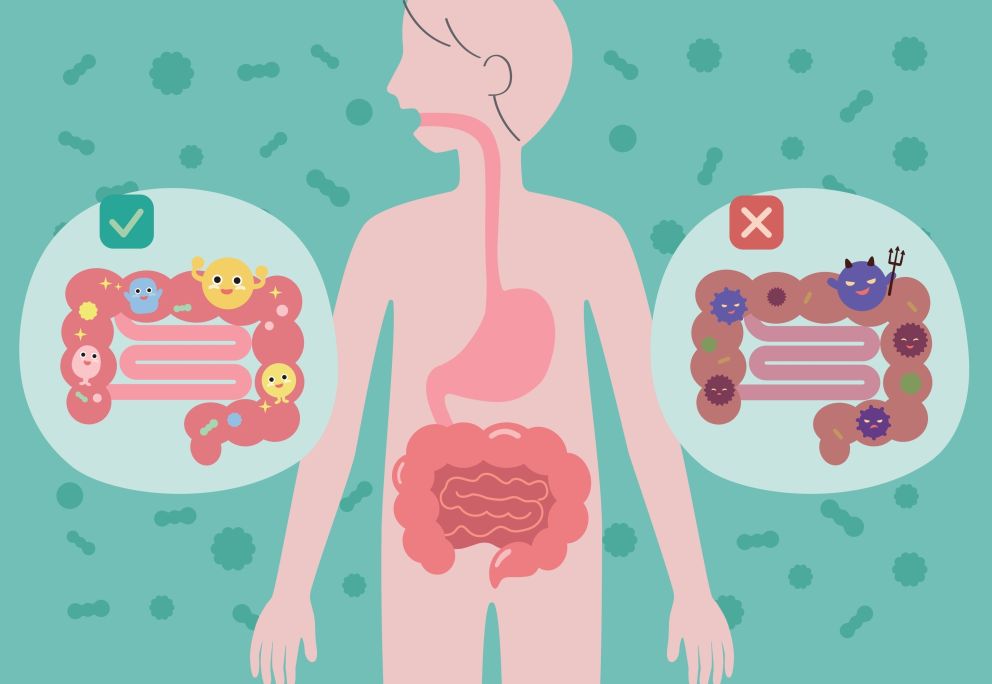
Poor dietary choices can weaken the gut lining, disrupt digestive fluids, and shift microbial balance. Identifying the worst foods for gut health and understanding their impact on the digestive system can help you make informed choices to support gut health.
What you eat directly affects your digestive tract, and a healthy digestive tract is crucial for nutrient absorption, hormone production, immune defense, detoxification, and mental health.
Discover the worst foods for gut health and learn how to make better choices to support digestive wellness.
How diet affects gut health
The foods you eat play a major role in gut health, which is essential for maintaining optimal digestive fluid release, robust immune defenses, balanced gut microbes, and regular bowel movements.
While nutritious foods can support steady digestion, poor dietary choices can lead to nutrient imbalances, impaired detoxification, low energy, and the overgrowth of harmful bacteria in your gut.
Here are three ways your dietary habits can affect gut health.
1. Impact on digestive functions
When food enters the stomach, hydrochloric acid begins breaking down proteins and triggers the release of digestive enzymes and bile, which are essential for nutrient absorption.
As food moves into the small intestine, bile and digestive enzymes break down fats and fat-soluble nutrients. Bile also helps regulate bacterial balance in the small intestine, discouraging the overgrowth of harmful strains.
While fermented foods and bitter greens help stimulate stomach acid production, healthy fats found in olive oil, beef tallow, and grass-fed meat support steady bile flow.
In contrast, processed foods high in refined grains, sugars, and hydrogenated oils can impair digestive fluid production and overburden the liver.
This may reduce bile output, increasing the risk of small intestinal bacterial overgrowth (SIBO), nutrient malabsorption, and poor elimination of waste products and toxins.
2. Influence gut microbiome composition
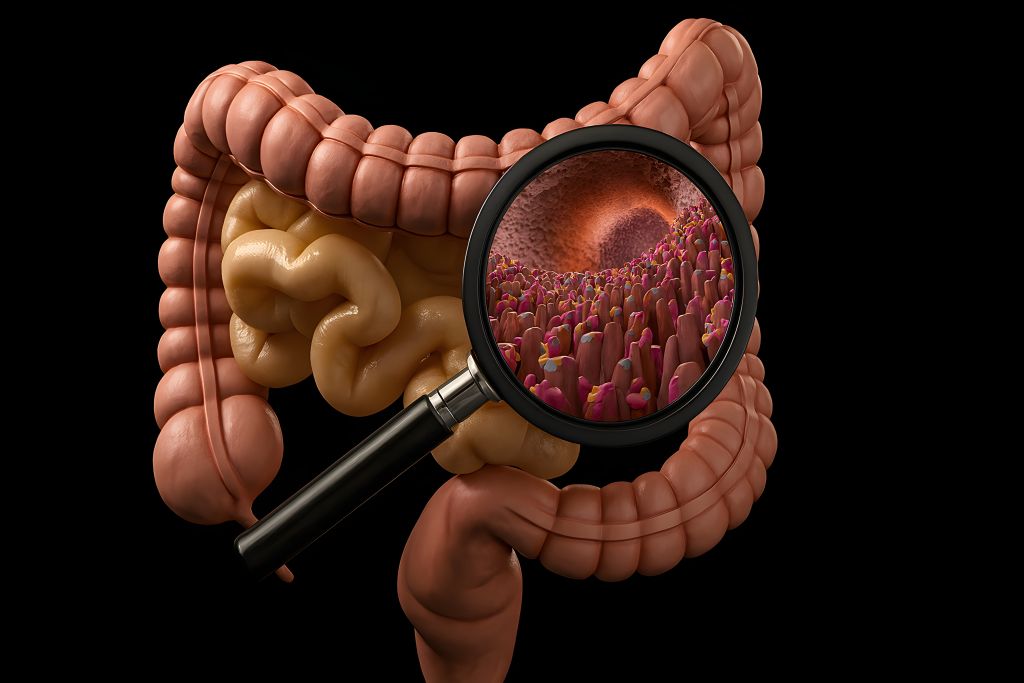
Most beneficial gut bacteria live in the intestines, where they ferment fiber-rich foods, synthesize vitamin K, protect the gut lining, and crowd out harmful bacteria.
This ecosystem thrives on a steady intake of prebiotic fibers found in plant foods such as garlic, onions, leeks, asparagus, and leafy greens. These prebiotic foods feed good bacteria and help promote microbial balance.
Diets that lack fiber-rich foods but are high in refined grains, added sugars, and seed oils can weaken the gut lining and feed harmful bacteria. This contributes to inflammatory responses and impaired nutrient absorption, making the gut more vulnerable to irritation and food sensitivities.
Interestingly, research published in Proceedings of the National Academy of Sciences explains that gut microbial composition can also influence what foods we eat by altering the availability of key amino acids like tryptophan, which helps regulate appetite and cravings.1
This suggests that dietary habits may contribute to a feedback loop of eating patterns, underscoring the value of supporting a healthy gut microbiome with nutrient-dense, gut-friendly foods.
3. Regulate gut motility
Smooth gut motility and regular bowel movements require optimal hydration, intake of fiber-rich foods, and maintaining a balance of electrolytes, such as potassium, magnesium, and sodium.
Ultra-processed foods are often low in fiber and potassium but high in sodium, which can disrupt fluid balance, contribute to bloating, and lead to irregularity.
In addition, low-fat, high-sugar foods can impair digestive signaling, delay gastric emptying, and spike insulin levels, which can contribute to electrolyte imbalances and digestive discomfort.
To support gut function, prioritize hydration and potassium-rich foods, such as leafy green vegetables, avocados, and mineral-rich broths.
It’s also vital to avoid emulsifiers and artificial sweeteners, which may disrupt gut muscle movement and contribute to digestive issues such as constipation or diarrhea.
Watch the video below to discover the top seven foods you should avoid.
4 worst foods for gut health
Certain foods don’t just slow digestion—they actively damage your gut environment, weaken protective barriers, and promote the growth of harmful microbes.
Here are four of the worst foods for overall digestive health.
1. Liquid sugar
Sugary drinks such as soda, fruit juices, and sweetened teas contain excessive amounts of high-fructose corn syrup. Unlike glucose, which can be used by cells throughout the body, fructose is processed almost entirely in the liver.
When liver glycogen reserves are saturated, excess fructose is converted into triglycerides and cholesterol, contributing to fatty liver disease and reduced bile output. Fructose can also ferment in the intestines, feeding harmful microbes, triggering bloating, and weakening the gut barrier.
“One of the worst things you could consume for your gut, liver, and metabolism health is high-fructose corn syrup,” explains Dr. Berg. “It damages your liver and starves your cells of nutrients.”
Research published in Frontiers in Pharmacology highlights that fructose and its microbial metabolites not only stimulate fat accumulation in the liver but can also reprogram liver cells to promote inflammation and lipogenesis.2
2. Refined seed oils
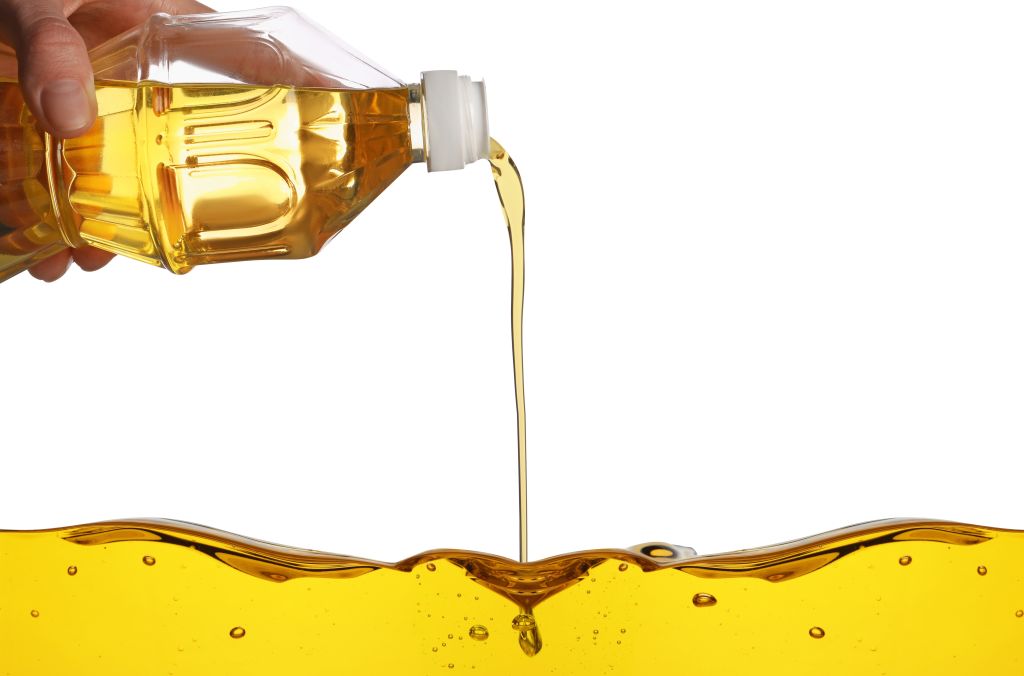
Industrial seed oils, such as soybean, canola, corn, and cottonseed oil, commonly used in fried foods, are ultra-processed and offer little to no nutritional value.
They’re also typically extracted with hexane, a harmful petroleum-based solvent, then deodorized and clarified with high heat, and processed with bleaching agents.
Over time, these oils can promote inflammation and oxidative stress, which increases the risk of metabolic and digestive health issues, heart disease, and weak immune defenses.
3. Modified starches and maltodextrin
Modified food starch and maltodextrin, derived from corn, potato, rice, or wheat, are common additives used to improve texture, prolong shelf life, and add bulk to processed foods.
Although generally recognized as safe by the Food and Drug Administration (FDA), these additives are rapidly absorbed carbohydrates that can spike blood sugar levels even more than regular table sugar.
The metabolism of modified starches requires key nutrients and can contribute to deficiencies in magnesium, zinc, and vitamin B1, which are essential for energy production, enzyme activity, and healthy digestion.
In addition, research published in Frontiers in Immunology shows that maltodextrin may disrupt the protective mucus barrier in the gut, potentially weakening intestinal defenses and increasing susceptibility to harmful microbes and chronic inflammation.3
4. Non-organic and genetically modified (GMO) foods
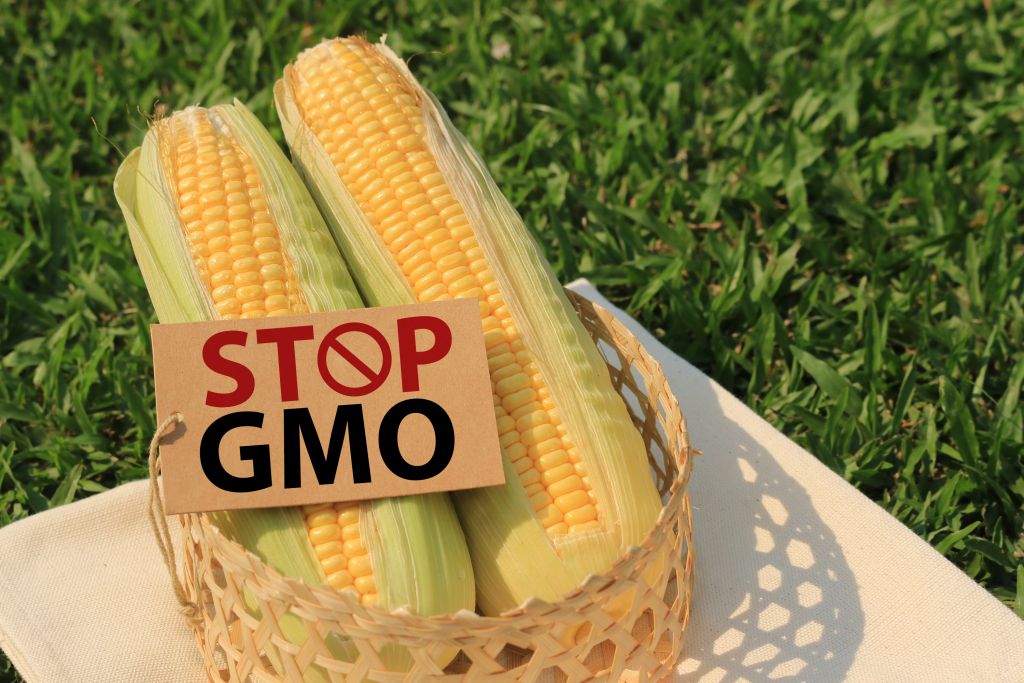
Many conventionally farmed non-organic crops are treated with glyphosate, a widely used chemical herbicide and pesticide.
Although U.S. regulatory agencies consider glyphosate safe, several U.S. cities and foreign countries have planned or successfully implemented bans or restrictions on its use due to environmental and human health concerns, including potential cancer risks.
Research published in Life found that over half of the most common gut microbial species may be sensitive to glyphosate, suggesting that regular exposure could suppress beneficial bacteria while favoring resistant, potentially harmful strains.4
Additionally, many genetically modified (GMO) crops are engineered to tolerate glyphosate, enabling repeated treatment without killing the plant. This allows for heavy application levels, contaminating food, soil, and water.
Choosing organic and non-GMO foods may help reduce glyphosate exposure and naturally support a healthier gut microbiome.

Other lifestyle factors that harm gut health
While certain foods can disrupt digestion, your lifestyle habits also play a major role in influencing gut health.
Here are five lifestyle factors linked to poor gut health
1. Stress
Chronic stress elevates cortisol, which can suppress digestive secretions and slow motility, making it harder to break down and absorb nutrients.
Over time, a stressful lifestyle may increase the risk of digestive disorders such as irritable bowel syndrome (IBS) or other inflammatory bowel diseases (IBDs).
2. Lack of sleep
Poor sleep disrupts circadian rhythms that guide digestive timing, microbial activity, and nutrient signaling, often increasing cravings for sugar and ultra-processed foods.
3. Physical inactivity
A sedentary lifestyle slows intestinal contractions, while regular movement supports microbial diversity, circulation, and digestive efficiency.
4. Medication use
Frequent use of antacids, non-steroidal anti-inflammatory drugs (NSAIDs), and antibiotics can alter natural digestive processes and microbiome balance.
5. Alcohol
Alcohol consumption irritates the intestinal lining and increases gut permeability, which may allow toxins into the bloodstream. This can impact immune balance, increase the risk of colorectal cancer, and may contribute to nutrient deficiencies over time.
Key takeaways
- Diet directly shapes gut health by influencing digestive fluids, microbial balance, and gut motility.
- Poor gut health often stems from diets high in sugar and processed foods, but also from lifestyle factors including chronic stress, alcohol use, poor sleep, medications, and physical inactivity.
- Highly processed ingredients such as high-fructose corn syrup, refined seed oils, modified starches, and maltodextrin are among the worst foods for gut health.
- Whole, minimally processed foods such as prebiotic vegetables, fermented foods, nourishing fats, and mineral-rich options support microbial balance, steady digestion, and gut lining integrity.
- Pairing gut-supportive foods with hydration, movement, and stress management helps maintain digestive comfort and promotes long-term gut resilience.
FAQ
- 1. What foods are the worst for gut health?
- 2. What kills healthy gut bacteria?
- 3. Are eggs good for gut health?
- 4. What are the best foods for gut health?
Sources
- https://www.pnas.org/doi/10.1073/pnas.2117537119 ↩︎
- https://www.frontiersin.org/journals/pharmacology/articles/ ↩︎
- https://pmc.ncbi.nlm.nih.gov/articles/PMC8963984/ ↩︎
- https://pmc.ncbi.nlm.nih.gov/articles/PMC9145961/ ↩︎
Related Articles
-
Digestive Enzyme Supplements: Forms and How to Choose
 Nutrition
Digestive Enzyme Supplements: Forms and How to Choose
At a glance Digestive enzymes help facilitate the breakdown of food into nutrients the body can absorb and use for energy and essential bodily functions. Digestive enzyme supplements are available…10/01/2026 -
How Does Sugar Affect Digestion?
 Digestive health
How Does Sugar Affect Digestion?
At a glance Sugar is a carbohydrate that the digestive system breaks down into simple molecules for absorption and energy use. While this is a normal part of metabolism, sugar…09/24/2026 -
Food Intolerance Symptoms and How to Identify Patterns
 Digestive health
Food Intolerance Symptoms and How to Identify Patterns
At a glance Food intolerance symptoms can be difficult to connect to a particular food because they don’t always happen immediately after eating. Reactions may depend on portion size, food…07/30/2026 -
Sugar Alcohols: What They Are and How They Affect Digestion
 Food and Drink
Sugar Alcohols: What They Are and How They Affect Digestion
At a glance Sugar alcohols are low-calorie sweeteners commonly used in sugar-free foods, chewing gum, desserts, and other processed foods. Unlike regular sugar, many sugar alcohols are not fully absorbed…05/21/2026 -
Food Preservatives: Types, Safety, and Health Effects
 Nutrition
Food Preservatives: Types, Safety, and Health Effects
At a glance Food preservatives are common additives in packaged and processed food products that help extend shelf life and prevent spoilage. While some preservatives are derived from natural sources…04/03/2026 -
6 Natural Remedies for H. Pylori
 Health concerns
6 Natural Remedies for H. Pylori
At a glance Helicobacter pylori (H. pylori) is a common pathogen that infects the stomach and increases the risk of ulcers and other gastrointestinal symptoms. While conventional treatment relies on…03/19/2026 24.6k views -
How to Kill Parasites: 7 Natural Tips
 Health concerns
How to Kill Parasites: 7 Natural Tips
At a glance Parasitic infections occur when worms or protozoa colonize the body, often through exposure to contaminated pets, food, or water. These organisms can interfere with digestion and other…03/13/2026 15.1k views -
Natural Flavors vs. Artificial Flavors
 Nutrition
Natural Flavors vs. Artificial Flavors
At a glance Both natural and artificial flavors are widely used in everyday food products to enhance their taste and aroma. It’s generally known that artificial flavoring substances are linked…03/12/2026 -
What Causes Pale Colored Stool?
 Health concerns
What Causes Pale Colored Stool?
At a glance Pale-colored stool can be linked to low bile flow, low-fat diets, alcohol use, infections, or underlying liver, gallbladder, or pancreatic issues. Supporting gallbladder function through a nutritious…02/26/2026 14.9k views -
3 Benefits of Oral Probiotics–And How To Use Them
 Digestive health
3 Benefits of Oral Probiotics–And How To Use Them
At a glance Oral probiotics are beneficial microbes that help maintain a balanced environment in the mouth, promoting strong teeth, healthy gums, and fresher breath. Supporting a diverse oral microbiome…02/20/2026 6.3k views


