

At a glance
Is keto a gluten-free diet? While a low-carb diet naturally limits many gluten-containing foods, keto isn’t inherently gluten-free. For individuals with celiac disease or gluten sensitivity, combining a health-promoting keto diet with a strict gluten-free approach requires careful food selection and awareness of hidden gluten sources.
Is keto gluten-free? This is a common question for those trying to combine a ketogenic and a gluten-free lifestyle.
While a low-carb diet naturally limits or avoids gluten-containing grains, it’s important to choose keto-friendly ingredients labeled explicitly as gluten-free to avoid cross-contamination or hidden sources of gluten.
Understanding how to effectively combine these two dietary approaches is crucial for those with gluten sensitivity or celiac disease who are considering a ketogenic diet.
What is gluten?
Gluten is a group of proteins found in grains such as wheat, barley, and rye. It provides structure and elasticity to dough, helping it rise and maintain its shape.
While many people consume gluten without issues, it can cause significant problems for others, especially those with celiac disease.
Celiac disease is an autoimmune condition characterized by overt immune responses to gluten, which lead to intestinal inflammation and damage to the small intestinal lining.
Beyond celiac disease, non-celiac gluten sensitivity (NCGS) affects many individuals, causing symptoms such as bloating, gas, diarrhea, and constipation, as well as fatigue and behavioral changes in response to consuming gluten.
Interestingly, the way gluten is processed in modern food production can affect its impact on health.
For example, more traditional methods of fermenting and leavening certain breads, such as sourdough, can partially break down gluten, potentially making them better tolerated by individuals with mild gluten sensitivities.
Research published in Applied and Environmental Microbiology found that sourdough fermentation using selected lactobacilli and nontoxic flours can hydrolyze gluten peptides, reducing the bread’s overall gluten content.1
Unfortunately, these methods are uncommon compared to quicker, more cost-effective production techniques. These shortcuts result in packaged and processed foods that retain higher levels of gluten, which can exacerbate immune reactions in sensitive individuals.
Watch the video below to find out if gluten-free is healthy on a ketogenic diet.
Is keto gluten-free?
The ketogenic diet is a high-fat, low-carb diet designed to trigger ketosis. This metabolic state pushes the body to burn fat for fuel instead of sugars and is achieved by restricting carbohydrate intake to no more than 50 grams daily.
By its very nature, keto is largely gluten-free, as many glutenous foods, such as bread and pasta, are high in carbs and, therefore, are mostly excluded from the diet.
However, it’s important to note that while keto often aligns with gluten-free eating, it’s not inherently gluten-free.
Various products advertised as keto-approved, including certain sauces and condiments, processed keto foods, and ready-made low-carb bread, may contain gluten, and individuals with celiac disease or gluten sensitivity must remain vigilant.
The keto diet vs. a gluten-free diet
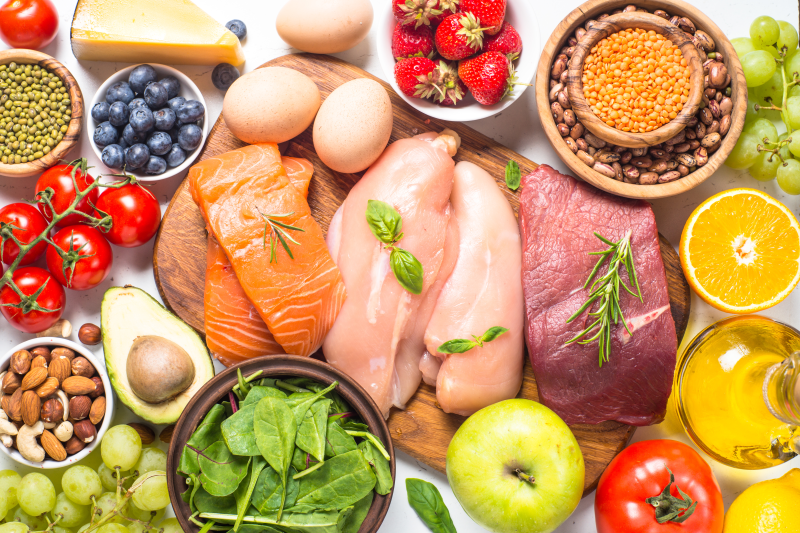
While both keto and a gluten-free diet can have health benefits, they have different focuses and objectives.
The keto diet limits carb intake to promote ketosis. In contrast, a gluten-free diet focuses on eliminating gluten, regardless of carb content.
The keto diet aims to achieve metabolic health and promotes fat burning by consuming low-carb foods and limiting sugar. A gluten-free diet aims to prevent gluten-induced health issues such as digestive discomfort, fatigue, and brain fog.
Keto dieters avoid high-carb glutenous foods such as bread, pasta, and crackers but also exclude gluten-free products, including rice and quinoa, due to their high-carb content. A gluten-free diet, on the other hand, allows all processed and naturally gluten-free foods.
How to approach a gluten-free keto diet
Both keto and gluten-free diets have unique benefits, and combining them can offer even greater advantages, particularly for those seeking to improve metabolic function while preventing gluten-related issues.
Healthy Keto® is an advanced version of the traditional keto diet that emphasizes high-quality, nutrient-dense whole foods while eliminating processed and inflammatory ingredients.
This approach not only helps achieve and maintain ketosis but also supports overall health by promoting better digestion, reducing inflammation, and providing essential nutrients for optimal well-being.
Combining a gluten-free diet with a Healthy Keto approach ensures that you’re preventing the adverse effects of gluten consumption while optimizing your nutrient intake with high-quality foods to better support overall health.
Always consult a healthcare provider before making significant dietary changes, especially if you have underlying health conditions or are taking prescription medications.
Why you should avoid gluten
While gluten sensitivity and allergy are actually quite common, the problems associated with gluten consumption go far beyond digestive discomfort.
“Gluten proteins are linked to 55 different diseases, making it a potential trigger for a wide array of health issues,” explains Dr. Berg.
One of the primary concerns is that gluten can lead to leaky gut syndrome, which is characterized by the breakdown of the intestinal lining.
When gluten interacts with the intestinal lining, it can trigger the release of zonulin, a protein that loosens the tight junctions between intestinal cells. This disruption can increase intestinal permeability, potentially allowing pathogens and toxins to enter the body.
Elevated levels of toxins and pathogens in the blood can stimulate overt immune system responses, increasing the risk of autoimmune reactions in which the body mistakenly attacks its own tissue.
For example, the gliadin protein complex in gluten has a structure similar to thyroid tissue. When gluten enters the bloodstream due to a leaky gut, the immune system starts to recognize gliadin as a threat.
Over time, this immune response may target the thyroid gland, mistaking it for the harmful gluten proteins due to their structural similarity. This molecular mimicry can lead to autoimmune diseases such as Hashimoto’s thyroiditis.
Evidence published in Nutrients shows that gluten can also have a significant impact on the gut microbiota, further promoting intestinal inflammation and a variety of other issues, such as irritable bowel syndrome (IBS), liver damage, and metabolic disorders.2
In addition, a study published in Autoimmunity Highlights has shown that gluten-related inflammation can exacerbate symptoms of psychological conditions, including anxiety, depression, and even bipolar disorder and schizophrenia.3
Avoiding gluten isn’t just crucial for those diagnosed with celiac disease but can benefit many people who experience symptoms such as unexplained headaches, brain fog, anxiety, depression, and digestive issues.
What foods contain gluten?
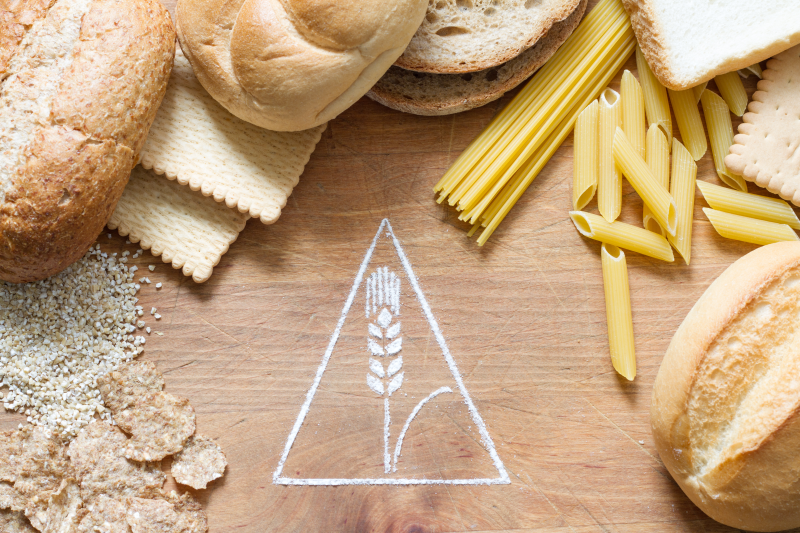
Gluten is found in many common foods such as bread, pasta, cereals, and crackers made from glutinous grains, such as:
- Wheat
- Spelt
- Barley
- Rye
- Bulgar
It’s important to note that there are many hidden sources of gluten, such as soy sauce, beer, chewing gum, toothpaste, medications, and even cosmetics.
When following a strict gluten-free diet, it’s crucial to read labels carefully and be aware of potential cross-contamination risks.
Key takeaways
- Keto naturally excludes many gluten-containing foods, but some keto products can still contain gluten.
- Combining a gluten-free diet with keto can benefit those with celiac disease, gluten sensitivity, or unexplained digestive or mood issues.
- Gluten exposure can contribute to digestive discomfort, vitamin deficiencies, and immune or thyroid reactions.
- Focusing on naturally gluten-free, nutrient-dense low-carb foods supports both metabolic health and overall wellness.
- Carefully reading food labels and avoiding cross-contamination are essential when following a gluten-free keto diet plan.
FAQ
- 1. Is keto gluten-free?
- 2. Is keto bread the same as gluten-free bread?
- 3. Can I eat gluten-free pizza on keto?
- 4. Is keto flour gluten-free?
- 5. Can you do keto if you’re gluten intolerant?
Sources
- https://www.ncbi.nlm.nih.gov/pmc/articles/PMC348803/ ↩︎
- https://www.mdpi.com/2072-6643/12/6/1832 ↩︎
- https://link.springer.com/article/10.1007/s13317-014-0064-0 ↩︎
Related Articles
-
Food Intolerance Symptoms and How to Identify Patterns
 Digestive health
Food Intolerance Symptoms and How to Identify Patterns
At a glance Food intolerance symptoms can be difficult to connect to a particular food because they don’t always happen immediately after eating. Reactions may depend on portion size, food…07/30/2026 -
Sugar Alcohols: What They Are and How They Affect Digestion
 Food and Drink
Sugar Alcohols: What They Are and How They Affect Digestion
At a glance Sugar alcohols are low-calorie sweeteners commonly used in sugar-free foods, chewing gum, desserts, and other processed foods. Unlike regular sugar, many sugar alcohols are not fully absorbed…05/21/2026 -
Food Preservatives: Types, Safety, and Health Effects
 Nutrition
Food Preservatives: Types, Safety, and Health Effects
At a glance Food preservatives are common additives in packaged and processed food products that help extend shelf life and prevent spoilage. While some preservatives are derived from natural sources…04/03/2026 -
6 Natural Remedies for H. Pylori
 Health concerns
6 Natural Remedies for H. Pylori
At a glance Helicobacter pylori (H. pylori) is a common pathogen that infects the stomach and increases the risk of ulcers and other gastrointestinal symptoms. While conventional treatment relies on…03/19/2026 24.6k views -
How to Kill Parasites: 7 Natural Tips
 Health concerns
How to Kill Parasites: 7 Natural Tips
At a glance Parasitic infections occur when worms or protozoa colonize the body, often through exposure to contaminated pets, food, or water. These organisms can interfere with digestion and other…03/13/2026 15.1k views -
Natural Flavors vs. Artificial Flavors
 Nutrition
Natural Flavors vs. Artificial Flavors
At a glance Both natural and artificial flavors are widely used in everyday food products to enhance their taste and aroma. It’s generally known that artificial flavoring substances are linked…03/12/2026 -
What Causes Pale Colored Stool?
 Health concerns
What Causes Pale Colored Stool?
At a glance Pale-colored stool can be linked to low bile flow, low-fat diets, alcohol use, infections, or underlying liver, gallbladder, or pancreatic issues. Supporting gallbladder function through a nutritious…02/26/2026 14.9k views -
3 Benefits of Oral Probiotics–And How To Use Them
 Digestive health
3 Benefits of Oral Probiotics–And How To Use Them
At a glance Oral probiotics are beneficial microbes that help maintain a balanced environment in the mouth, promoting strong teeth, healthy gums, and fresher breath. Supporting a diverse oral microbiome…02/20/2026 6.3k views -
What Is the Top Cause of Rosacea?
 Health concerns
What Is the Top Cause of Rosacea?
At a glance Rosacea is a chronic skin condition marked by facial redness and discomfort. The cause of rosacea extends beyond the skin, with growing research highlighting the connection between…02/20/2026 8.1k views -
Carnivore Diet: Weight Loss Tips, Benefits, and Risks
 Diet
DietCarnivore Diet: Weight Loss Tips, Benefits, and Risks
At a glance The carnivore diet relies solely on animal-based foods, eliminating all plants and carbohydrate sources. This shift can support weight regulation, stabilize blood sugar levels, and help lower…02/20/2026 5.3k views


