

At a glance
Is quinoa keto? No. While quinoa is a good source of B vitamins and minerals, it’s high in carbohydrates and anti-nutrients. These can interfere with digestion and nutrient absorption, making it not a keto-friendly option. Several low-carb substitutes can serve as more suitable alternatives.
Although technically a seed, quinoa is considered a healthy whole grain that’s naturally gluten-free. But is quinoa keto?
No, quinoa isn’t keto-friendly due to its high carbohydrate content, which can spike blood sugar and insulin levels and disrupt ketosis. Quinoa also contains compounds similar to gluten, which may contribute to gut inflammation in sensitive individuals.
Learn why quinoa isn’t ideal for keto dieters and discover six delicious low-carb grain alternatives.
What is quinoa?
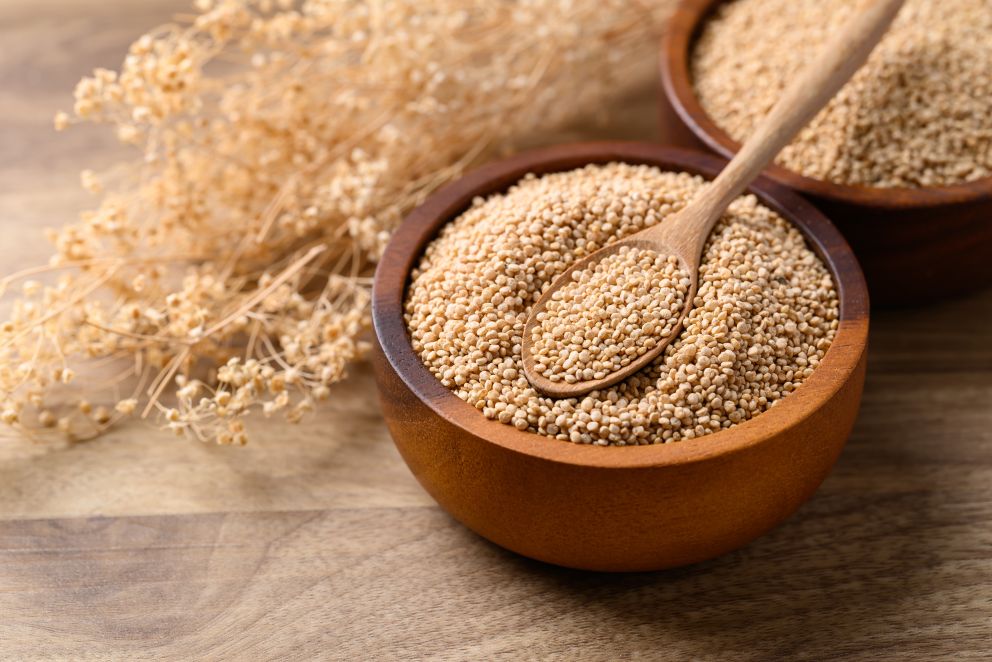
Quinoa is a seed harvested from the Chenopodium quinoa plant. However, it’s considered a pseudo-grain due to its nutrient content and preparation methods, which are similar to cereal grains.
There are four primary types of quinoa:
- White quinoa
- Red quinoa
- Black quinoa
- Tri-color quinoa
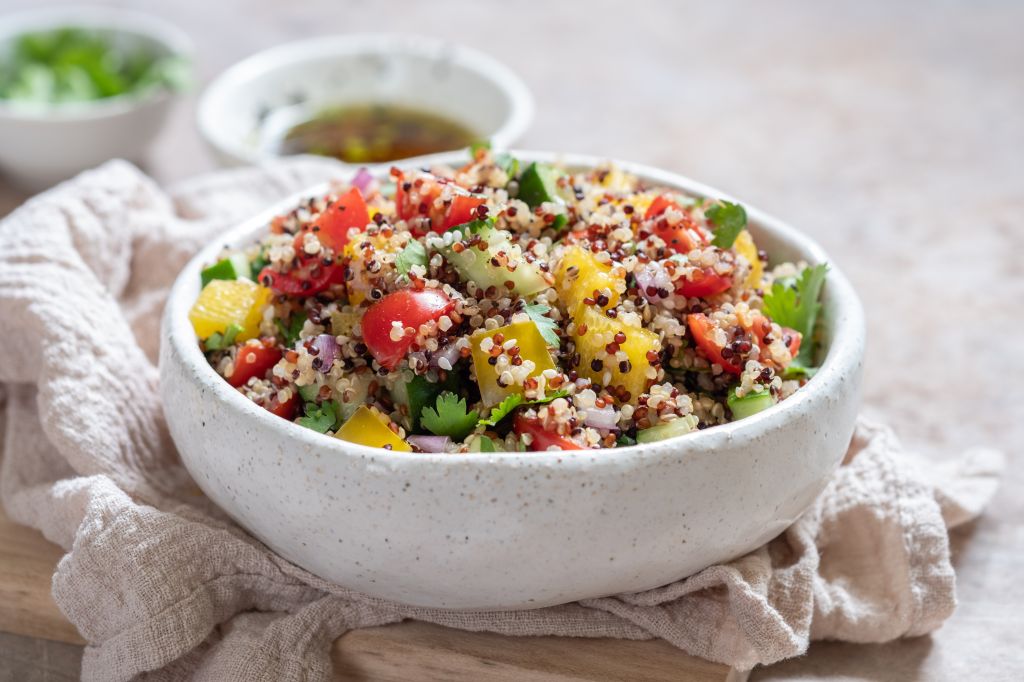
While raw quinoa can be consumed when sprouted, it’s mostly cooked and adds a nutty flavor and soft crunch to salads, stir-fry dishes, and soups.
Quinoa is also naturally gluten-free, making it a popular option among those with celiac disease, wheat allergies, or gluten sensitivities.
Because of its nutritional profile, quinoa is generally regarded as a healthier substitute for refined grains such as white rice and is widely used in South American, Mediterranean, and vegetarian cuisines.
Quinoa nutrition facts
According to data published by the U.S. Department of Agriculture (USDA), half a cup (93 grams) of cooked quinoa contains:1
- 111 calories
- 4 g protein
- 1.8 g fat
- 19.7 g total carbs
- 2.5 g fiber
- 17.2 g net carbs
A half-cup serving size of cooked quinoa also contains 159 milligrams (mg) of potassium, 140 mg of phosphorus, 59 mg of magnesium, 15.7 mg of calcium, and 1.4 mg of non-heme iron.
Watch the video below to learn why you should avoid quinoa on the keto diet.
Is quinoa keto-friendly?
Due to its high carbohydrate content, quinoa isn’t keto-friendly and can quickly disrupt fat-burning and nutritional ketosis.
Ketosis is achieved by restricting carb intake to between 20 and 50 grams of net carbs daily. This helps stabilize blood glucose and insulin levels, which pushes the body to use fat instead of sugar to generate energy for the cells.
Although quinoa ranks low on the glycemic index, which measures how quickly a specific food raises blood sugar levels, a typical serving size contains 17.2 g of net carbs.
“Quinoa has a glycemic index of 53, which is pretty low,” explains Dr. Berg. “However, it still acts similarly to other grains by spiking blood sugar levels and can quickly bump you out of ketosis.”
Quinoa can quickly surpass your daily net carb limit and disrupt fat-burning, slowing down or inhibiting the health benefits of ketosis, including weight loss, better glycemic control, and improved insulin sensitivity.
Is quinoa healthy?
Quinoa is widely regarded as a nutritional choice as it contains all nine essential amino acids, making it a complete source of protein.
It also contains monounsaturated and saturated fats that have been found to support heart health and reduce the risk of heart disease.
Additionally, quinoa is a source of B vitamins and essential minerals, including calcium, magnesium, phosphorus, and potassium.
However, similar to other grains and seeds, quinoa contains anti-nutrients such as phytic acid and enzyme inhibitors, which can interfere with digestion and cause discomfort or inflammation in the gastrointestinal tract.
Despite its nutritional benefits, these anti-nutrients also limit the absorption of key vitamins and minerals, diminishing quinoa’s overall nutritional value.
A study published in the Journal of Food Composition and Analysis investigated the effects of anti-nutrients in quinoa and concluded, “Anti-nutritional factors negatively impact quinoa’s nutritional and biological value by interacting with essential nutrients and inhibiting their absorption.”2
6 keto-friendly quinoa alternatives
Finding low-carb grain alternatives can be tricky for those new to the ketogenic diet. Fortunately, there are several keto-friendly options that mimic quinoa’s taste and texture without the added carbs.
Here are six keto-friendly quinoa alternatives.
1. Cauliflower rice
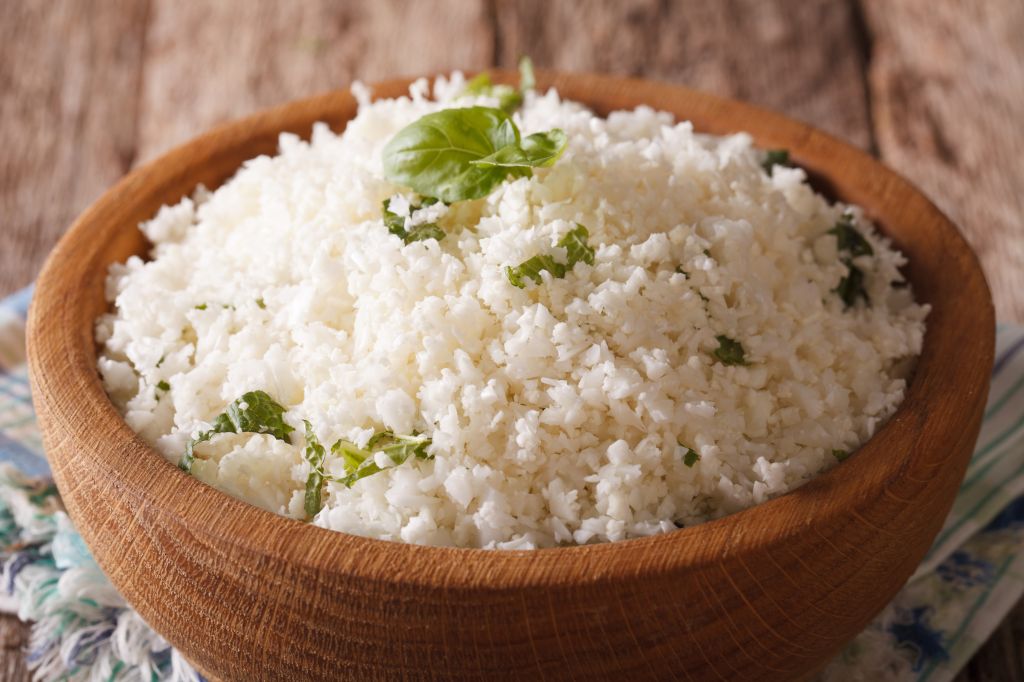
Chopped cauliflower is one of the most popular rice and grain substitutes for keto dieters.
Cauliflower’s versatility and mild flavor allow it to be used in a variety of cuisines while offering a robust nutritional profile, including disease-fighting antioxidants, essential minerals, and fiber.
Cauliflower rice can replace quinoa in burrito bowls, salads, soups, and Asian-inspired dishes, such as this keto Cauliflower Fried Rice recipe.
2. Mushroom rice
Mushroom rice is another keto-friendly quinoa alternative packed with umami flavor that is perfect for Asian-inspired recipes or alongside hearty proteins, such as fish, grass-fed steaks, or chicken.
Combine mushroom rice with sautéed garlic, caramelized onions, or fresh herbs for a deeper flavor that pairs well with any savory dish.
3. Cabbage rice
Cabbage rice is made from tiny shreds of cabbage and is often sautéed in oil and seasoned similarly to quinoa, rice, and other grains.
Cabbage is an excellent quinoa alternative, rich in vitamin C and anti-inflammatory compounds that may lower cancer risk and help protect from cardiovascular and neurodegenerative diseases.
4. Broccoli rice
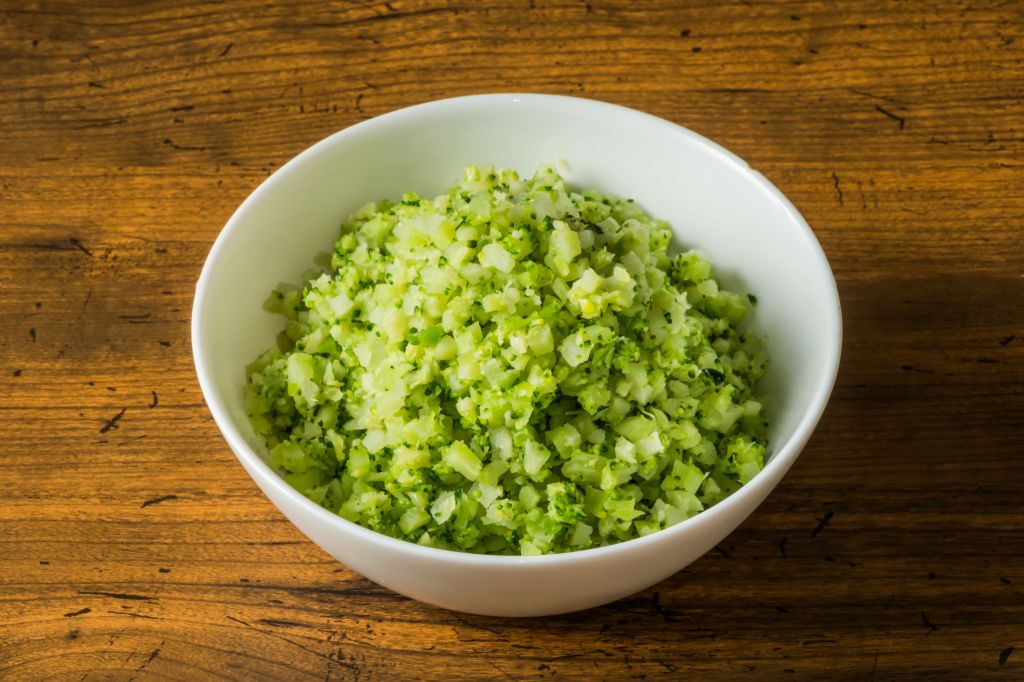
Broccoli is a health-promoting cruciferous vegetable that can be shredded and used in place of quinoa.
Due to its more noticeable flavor, broccoli rice is typically paired with complementary foods such as beef, cheese, and salmon. It’s also an excellent option for casserole recipes that call for quinoa.
5. Shirataki rice
Shirataki rice is cultivated from an Asian root vegetable called konjac.
It’s a low-carb alternative primarily composed of water with a neutral flavor, perfect for replacing quinoa in savory and sweet dishes.
Shirataki rice also has a texture similar to cooked quinoa, with a gelatin-like bounce and mouthfeel.
6. Chia seeds
Quinoa is often added to breakfast bowls for extra fiber and protein. Chia seeds are an excellent alternative, offering a similar texture when soaked in water, which works well in puddings, smoothies, salads, and keto baked goods.
Additionally, chia seeds are nutrient-dense and rich in omega-3 fatty acids, vitamin C, B vitamins, and minerals linked to cardioprotective benefits and improved brain health.
Key takeaways
- Quinoa is a pseudo-grain enjoyed in many dishes, but its high net carb content can quickly exceed daily carb limits and disrupt ketosis, making it unsuitable for a keto diet.
- Although nutrient-dense, quinoa also contains anti-nutrients that can interfere with mineral absorption and may contribute to gut inflammation.
- Keto-friendly quinoa substitutes, such as cauliflower rice, mushroom rice, cabbage rice, broccoli rice, shirataki rice, and chia seeds, offer a similar texture and versatility with significantly fewer carbs.
FAQ
- 1. Can I eat quinoa on a keto diet?
- 2. How many carbs are in quinoa?
- 3. What grains are keto-friendly?
- 4. What is a good keto substitute for rice?
- 5. Does quinoa spike blood sugar?
Sources
- “Quinoa, cooked.” USDA FoodData Central. https://fdc.nal.usda.gov/food-search/?query=168917 ↩︎
- “Quinoa and Its Nutritional Profile.” Journal of Food Composition and Analysis. https://www.sciencedirect.com/science/article/abs/pii/S0889157524011670 ↩︎
Related Articles
-
What Are the Best and Worst Carbs?
 Nutrition
What Are the Best and Worst Carbs?
At a glance Carbohydrates can be a source of energy for the body, but their nutritional value can vary widely depending on the source. Some carbohydrate foods supply fiber, vitamins,…07/30/2026 -
Can You Drink Coffee While Fasting?
 Diet
DietCan You Drink Coffee While Fasting?
At a glance Fasting involves limiting food intake so the body can use stored energy and maintain steady metabolic function. Coffee can be consumed during a fast, and plain black…06/19/2026 -
Sugar Alcohols: What They Are and How They Affect Digestion
 Food and Drink
Sugar Alcohols: What They Are and How They Affect Digestion
At a glance Sugar alcohols are low-calorie sweeteners commonly used in sugar-free foods, chewing gum, desserts, and other processed foods. Unlike regular sugar, many sugar alcohols are not fully absorbed…05/21/2026 -
What Is Modified Food Starch?
 Foods to avoid
What Is Modified Food Starch?
At a glance Modified food starch is a widely used food additive and thickening agent. However, it may affect metabolic balance and gut health, particularly when consumed as part of…05/14/2026 -
How to Break a Weight Loss Plateau: 9 Simple Ways
 Keto
KetoHow to Break a Weight Loss Plateau: 9 Simple Ways
At a glance Weight loss plateaus typically occur when the body adapts to dietary and lifestyle changes, resulting in reduced energy requirements. Factors such as insulin resistance, poor sleep, and…05/08/2026 -
Keto on a Budget: Tips and Foods to Eat
 Diet
DietKeto on a Budget: Tips and Foods to Eat
At a glance A ketogenic diet can be maintained using simple, affordable whole foods rather than expensive specialty products. Prioritizing versatile ingredients and planning meals strategically can help reduce grocery…04/24/2026 -
How Many Calories Break a Fast?
 Fasting
How Many Calories Break a Fast?
At a glance Fasting keeps insulin levels low, allowing the body to burn stored fat and activate cellular repair processes. While any amount of calories technically breaks a fast, different…04/16/2026 -
Muscle Twitching on Keto: Causes and What to Do
 Diet
DietMuscle Twitching on Keto: Causes and What to Do
At a glance Muscle twitching is common when first starting keto and is often linked to shifts in fluid balance, electrolyte minerals, and digestive function as insulin levels remain steady.…03/19/2026 22.3k views -
What Is the Difference Between Virgin and Extra Virgin Olive Oil?
 Superfoods
What Is the Difference Between Virgin and Extra Virgin Olive Oil?
At a glance Virgin and extra virgin olive oils are both extracted from olives using mechanical methods, but extra virgin olive oil (EVOO) meets stricter quality standards. EVOO contains higher…03/06/2026 8.5k views -
Too Much Keto Weight Loss? What to Do If You’re Too Skinny
 Diet
DietToo Much Keto Weight Loss? What to Do If You’re Too Skinny
At a glance Keto weight loss often occurs rapidly during the early adaptation phase, primarily due to fluid loss rather than immediate fat reduction. While fat loss is expected, ongoing…03/06/2026 10.2k views