


At a glance
A ketogenic diet can be maintained using simple, affordable whole foods rather than expensive specialty products. Prioritizing versatile ingredients and planning meals strategically can help reduce grocery costs while supporting nutritional balance. Understanding which foods offer the best value makes it easier to follow keto without overspending.
Following keto on a budget can appear challenging because the diet is often associated with organic foods, specialty products, and premium ingredients. However, many affordable whole foods naturally fit within a ketogenic lifestyle.
Discover practical tips for keeping costs low on keto and explore the most affordable, nutrient-dense foods to prioritize at the grocery store.
What is keto?
The ketogenic diet, often referred to as keto, is a low-carbohydrate, high-fat dietary approach designed to shift the body into a metabolic state known as ketosis. In ketosis, the body relies primarily on fat for energy rather than carbohydrates, producing organic acids called ketones as an alternative fuel source.
A typical keto diet emphasizes healthy fats, moderate protein intake, and very low carbohydrate consumption, usually limiting daily carbohydrate intake to around 20 to 50 grams of net carbs.
Although keto can be associated with high grocery costs, many keto foods are accessible and affordable.
Many people initially turn to keto to lose weight, though its potential benefits extend to a range of other health markers. A study published in Nutrients found that the keto diet has been associated with improvements in metabolic markers and other health outcomes.
The authors state that in recent studies, the keto diet showed “promise in helping patients lose weight, reverse the signs of metabolic syndrome, …reduce inflammation, improve epigenetic profiles, alter the microbiome, improve lipid profiles, supplement cancer treatments, and potentially increase longevity and brain function.”
Watch the video below to discover nine budget-friendly foods that support a keto diet.
Tips for following keto on a budget
Following a keto diet doesn’t have to increase grocery spending. With a few practical strategies, it’s possible to maintain a keto lifestyle and eat healthier while keeping food costs manageable.
Here are four money-saving tips that can make eating keto more budget-friendly.
1. Plan meals before going to the store
Planning meals in advance is one of the most effective ways to control food costs. A simple weekly keto meal plan helps ensure you purchase only the ingredients necessary and avoid unnecessary purchases.
Meal planning also allows you to build multiple meals around the same ingredients, stretching grocery purchases across several days and minimizing food waste.
For example, a whole chicken can serve as a main dish, leftover meat can be shredded for salads or lettuce wraps, and the bones can be used to prepare homemade broth.
2. Focus on whole foods
One of the biggest factors that increases the cost of following a keto diet is reliance on specialty products, such as keto bars and snacks.
Many of these processed foods are marketed as convenient options for a keto diet, but they frequently cost significantly more per serving than whole foods.
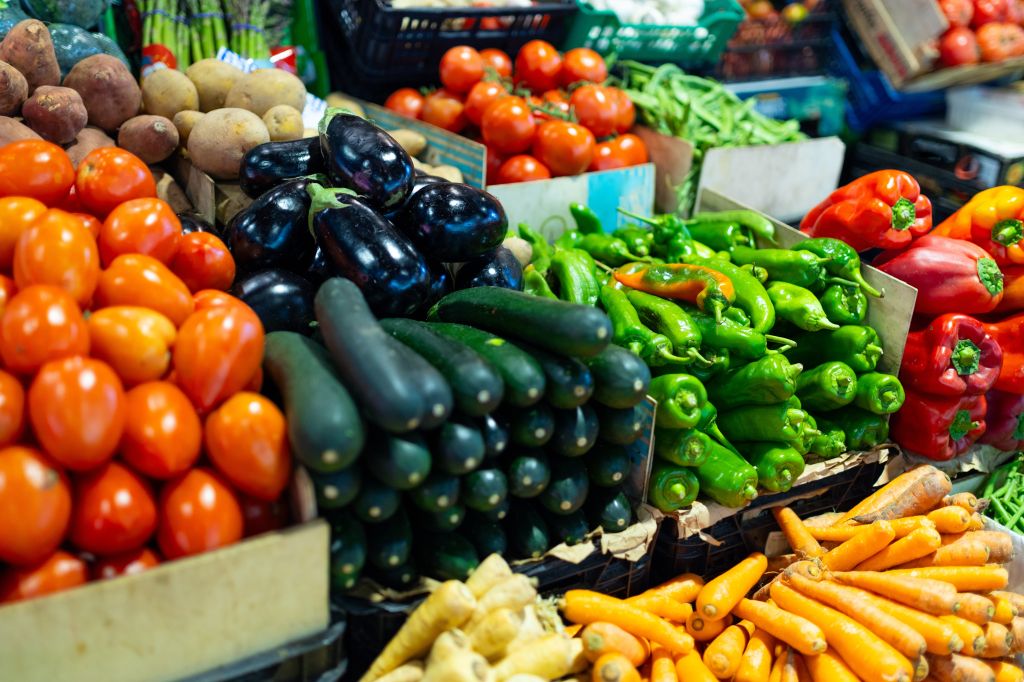
Foods such as eggs, ground beef, chicken thighs, pork chops, canned tuna, cheese, and non-starchy vegetables provide protein, healthy fats, and essential nutrients at a lower cost and can be used across a wide range of keto recipes.
3. Buy frozen foods
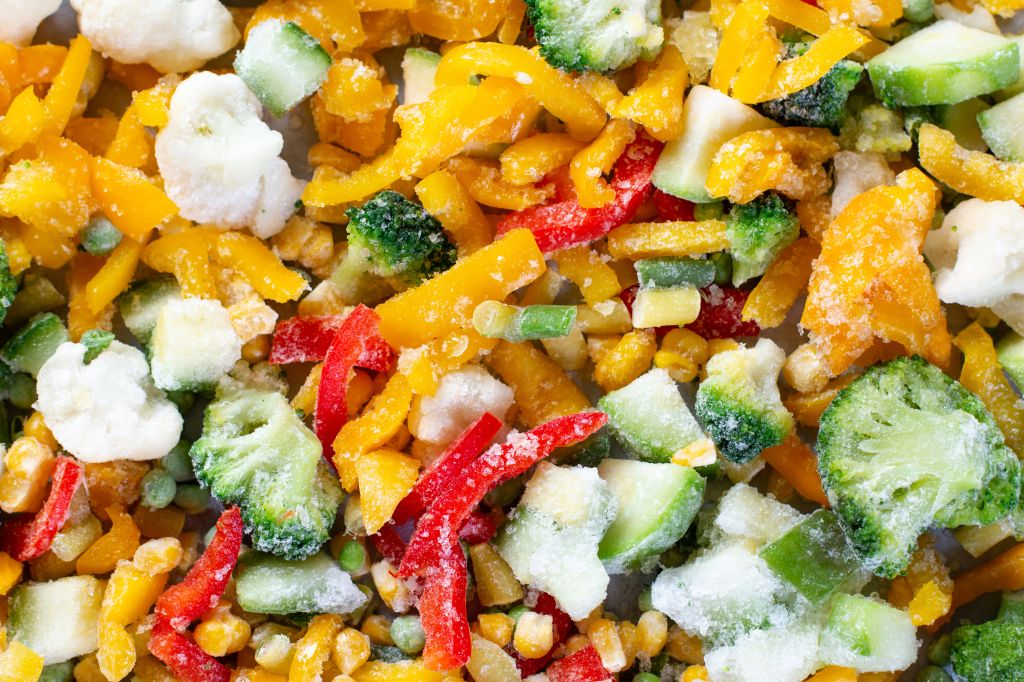
Frozen foods can be a practical and cost-effective option when following a low-carb diet. Frozen ground meats and produce are often less expensive than their fresh counterparts and can be stored longer without spoiling.
Budget-friendly vegetables include frozen broccoli, green beans, and Brussels sprouts, which can easily be added to keto meals such as stir-fries, omelets, soups, or casseroles. Frozen berries, such as blueberries, strawberries, or raspberries, can also be a cost-effective addition.
4. Know when to choose organic
Buying organic foods can increase grocery costs, but purchasing non-organic can be acceptable for certain foods. Some whole foods have natural protective layers or are only minimally exposed to pesticides, making non-organic options a practical and more affordable choice.
Foods such as avocados, wild-caught salmon, coconuts, and cabbage, as well as sea salt and certain nuts like walnuts and pecans, are generally considered lower priority for organic purchasing.
In contrast, it may be more important to choose organic options for foods that are more commonly associated with higher pesticide exposure, including strawberries, spinach, and peanuts.
“Ideally, buying 100% organic would be best,” Dr. Berg explains, “but if the choice is between non-organic whole foods and lower-quality processed foods, it’s better to choose the whole food option.”

Meal ideas for keto on a budget
Building a budget meal plan around simple, affordable ingredients is one of the most effective ways to maintain a keto diet without increasing grocery costs.
Here are five budget-friendly keto meal ideas.
1. Keto Creamy Chicken Salad
Chicken breast is a lean, high-quality protein that supports muscle maintenance and satiety. When combined with mayonnaise, herbs, and crisp romaine lettuce, it creates a well-rounded meal with only 2 g net carbs per serving. This recipe is an excellent way to make the most of a rotisserie chicken or pre-cooked chicken breast.
Follow the full Keto Creamy Chicken Salad recipe for a quick and nourishing lunch option.
2. Cream Cheese, Spinach, and Turkey Roll-Ups
These Cream Cheese, Spinach, and Turkey Roll-Ups require just turkey, cream cheese, and fresh spinach, and can be assembled in under 10 minutes without any cooking.
Spinach provides iron, magnesium, and vitamin K, while the combination of protein and fat helps support steady energy between meals.
3. Keto Tuna Avocado Burgers
Canned tuna is one of the most affordable high-protein pantry staples available, providing omega-3 fatty acids, B vitamins, and selenium to support cardiovascular and immune health.
Research published in the International Journal of Molecular Sciences found that higher intakes of marine omega-3 fatty acids are associated with a lower risk of coronary heart disease and cardiovascular mortality.
Try these Keto Tuna Avocado Burgers for a simple lunch or dinner that comes together in just 30 minutes.
4. Keto Tex-Mex Casserole
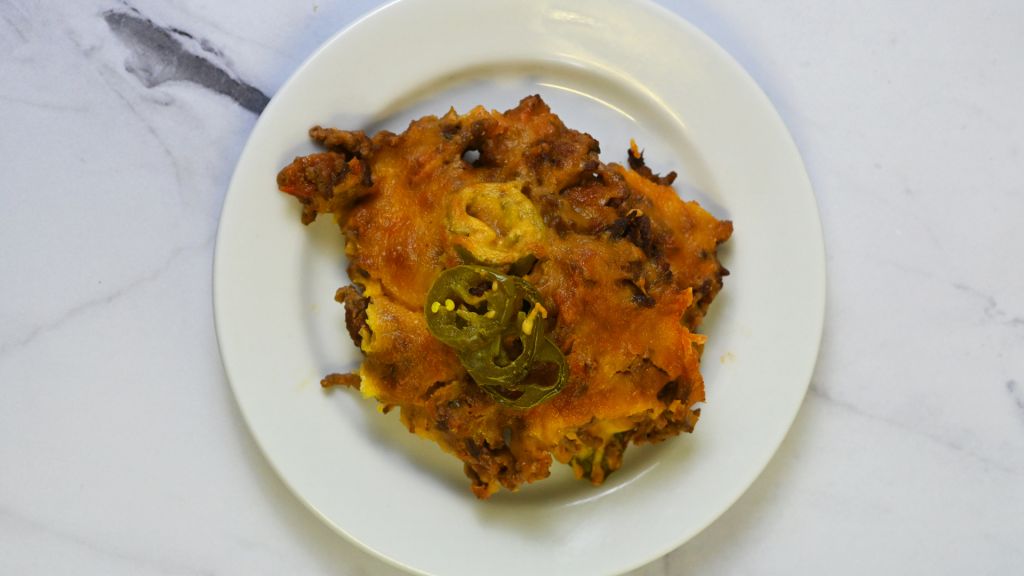
This hearty Keto Tex-Mex Casserole combines seasoned ground beef, tomatoes, jalapeños, and cheddar cheese into a filling dish with only 2 g net carbs per serving.
It yields four servings per batch and freezes well, making it one of the most cost-effective options for maintaining a keto diet throughout the week.
5. Keto Egg Roll in a Bowl
This Keto Egg Roll in a Bowl dish combines ground pork, shredded cabbage, carrots, and aromatic seasonings to deliver the flavors of a classic egg roll without the high-carb wrapper.
Cabbage is one of the most affordable vegetables available and provides fiber, vitamin C, and vitamin K to support digestive and immune health.
Key takeaways
- Planning meals in advance and building multiple dishes around the same ingredients helps reduce food waste and control grocery costs.
- Avoiding specialty keto products and preparing meals from basic whole foods such as eggs, ground beef, canned tuna, chicken, and non-starchy vegetables can significantly reduce grocery spending.
- Versatile, healthy fats such as butter, olive oil, and coconut oil are essential staples for keto cooking and can be used across multiple recipes without increasing costs.
- A keto diet can be maintained on a tight budget by focusing on whole-food ingredients, strategic meal planning, and delicious recipes built around affordable proteins and low-carb vegetables.
FAQ
- 1. What are the cheapest keto foods?
- 2. Can you do keto without buying specialty products?
- 3. Is grass-fed meat required on keto?
- 4. What pantry staples make budget keto easier?