

At a glance
Iron tablets can make you feel sick by irritating the intestines, altering the gut microbiome, and potentially damaging intestinal cells. While iron is essential in trace amounts, taking iron pills in excess may lead to toxicity and organ damage. Those who are deficient or want to support iron levels should focus on nutritious dietary sources to minimize the risk of overload.
Iron deficiency anemia affects around two billion people worldwide, making iron pills a common part of many health routines. But can iron tablets make you feel sick?
Yes, taking iron supplements, especially on an empty stomach, can lead to nausea, digestive discomfort, and other side effects.
Discover the importance of iron and common causes of deficiency, and learn how to support healthy iron levels with nutritious whole foods.
Why is iron important?
Iron is an essential trace mineral that the body needs in small, regular amounts to support normal physiological function.
Despite its relatively low requirement, iron is involved in numerous critical systems and processes that support energy production, cellular health, endocrine balance, and cognitive performance.
Here are five key functions of iron.
1. Facilitates oxygen transport
Iron’s primary role is facilitating oxygen transport throughout the body. Iron is a major component of hemoglobin, the protein in red blood cells that binds to and carries oxygen from the lungs to tissues and organs.
This trace mineral is also required for the production of myoglobin, a hemoglobin-related protein that stores and releases oxygen in muscle tissues during physical activity.
2. Supports mitochondrial energy production
Efficient cellular energy production depends on optimal iron availability within the mitochondria, a cellular structure often referred to as the cell’s powerhouse.
Iron is an essential component of enzymes in the electron transport chain, including cytochromes and iron-sulfur clusters, which drive oxidative phosphorylation inside the mitochondrial membrane.
Through this process, iron facilitates the transfer of electrons required to convert nutrients into adenosine triphosphate (ATP), the body’s primary energy currency.
3. Aids hormone and protein synthesis
Iron supports thyroid hormone metabolism and the production of steroid hormones, including estrogen and testosterone.
It also assists in the formation of structural proteins, such as collagen in skin, bones, and connective tissue, as well as keratin in hair and nails.
Additionally, iron is essential for the production of functional proteins, including enzymes, transport proteins, and signaling molecules, which facilitate thousands of biochemical reactions, transport nutrients, and regulate cellular communication.
4. Promotes DNA replication and cellular processes
Healthy cell growth, repair, and tissue renewal rely on iron-dependent enzymes that regulate DNA synthesis and cell cycle progression.
Iron serves as a cofactor for enzymes that activate and regulate the building blocks required for DNA replication and repair.
This explains why iron supports normal cell turnover and promotes processes such as wound healing and immune cell proliferation.
5. Supports brain development and function
Iron plays a crucial role in brain development and the maintenance of cognitive function by supporting neurotransmitter production, myelin formation, and oxygen delivery to brain tissue. These processes are essential for memory, focus, and overall mental performance.
Watch the video below to learn more about the common side effects of iron supplements.
What causes low iron?
A diet low in iron-rich foods, combined with the frequent consumption of compounds that block intestinal absorption, such as phytic acid found in grains, beans, and legumes, can significantly deplete the body’s iron stores.
Inflammatory foods, such as sugars, grains, and refined seed oils, can irritate the intestinal lining, making it challenging for the body to absorb iron and other essential nutrients.
Chronic blood loss, often linked to heavy periods or stomach ulcers, is another common cause of iron deficiency.
Additionally, gastric bypass surgery, low stomach acid, and intestinal inflammation due to conditions such as irritable bowel disease (IBD) or Crohn’s disease can contribute to low iron levels.
Finally, mineral balance also plays a vital role in iron status. Copper is essential for iron absorption, transport, and utilization, as it activates proteins that carry iron to the bone marrow for the production of red blood cells.
Both insufficient and excessive copper levels can interfere with this process, resulting in iron deficiency-like anemia despite optimal iron intake and healthy body stores.
Signs of iron deficiency
Iron deficiency typically develops gradually, often going unnoticed until symptoms become more pronounced.
Common symptoms of iron deficiency include:
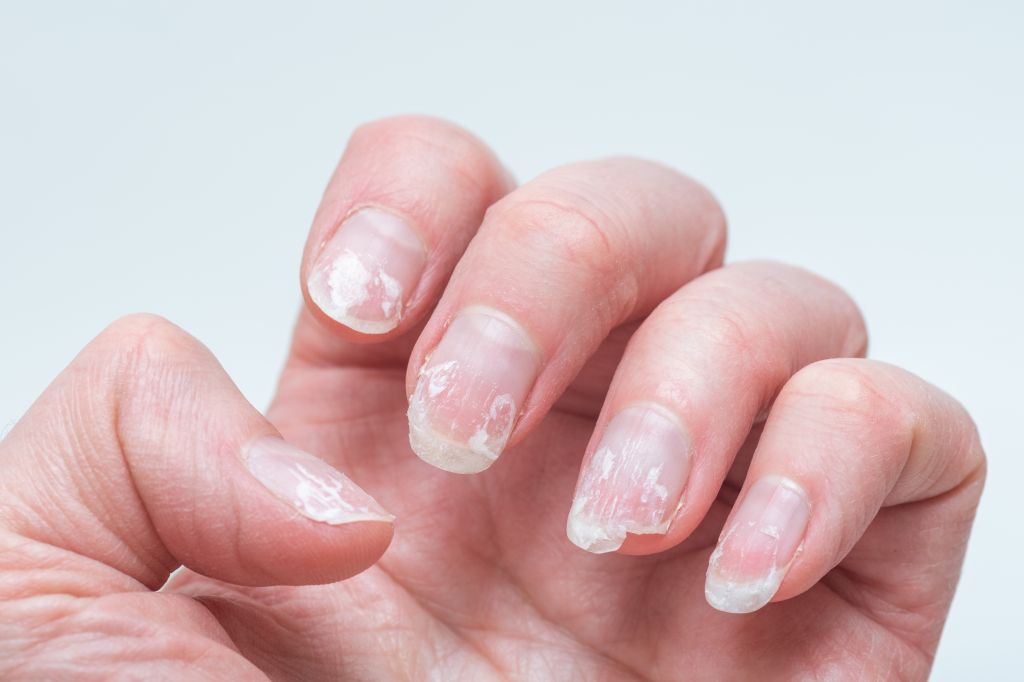
- Brittle or spoon-shaped nails
- Delayed wound healing
- Fatigue
- “Top Causes of Hair Loss and Natural Solutions | Dr. Berg.” drberg.com. https://www.drberg.com/blog/the-causes-of-hair-lo
- Ice cravings
- Pale skin
- Pica (craving dirt or clay)
- Restless legs syndrome
- Twitching
Recognizing early signs of deficiency is vital to ensuring the body maintains adequate iron stores and, if necessary, to manage iron deficiency anemia under the guidance of your healthcare provider.
Can iron tablets make you feel sick?
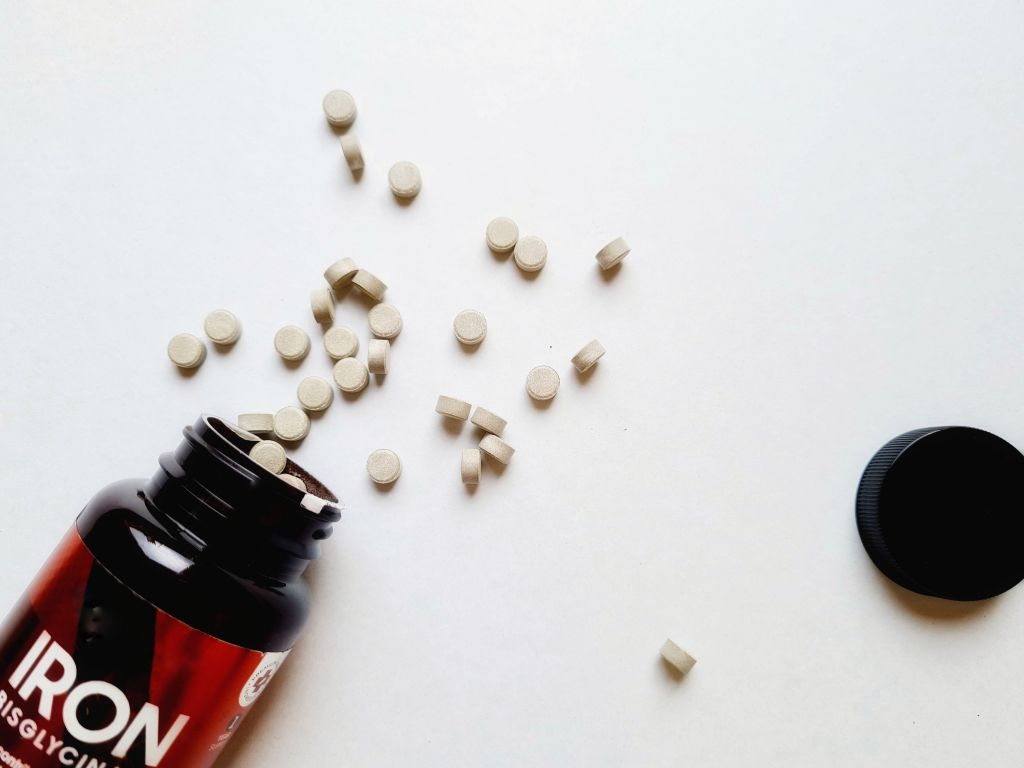
It’s not uncommon for iron tablets to cause nausea or stomach upset, particularly when taken on an empty stomach.
According to a study published in Microbiology Research, up to 60 percent of people taking iron pills experience gastrointestinal side effects.
Several forms of iron, including ferrous sulfate, ferrous gluconate, and ferrous fumarate, may irritate the stomach lining and intestines as they can generate reactive free radicals that damage intestinal cells and contribute to discomfort.
Additionally, supplemental iron can alter the gut microbiome, leading to nausea and changes in bowel habits, such as gas, bloating, diarrhea, and dark-colored stools.
Potential issues with taking iron
Although iron is essential for health, taking iron supplements in excess and without the guidance of a healthcare provider can lead to a wide range of issues.
Here are five potential problems with taking supplemental iron.
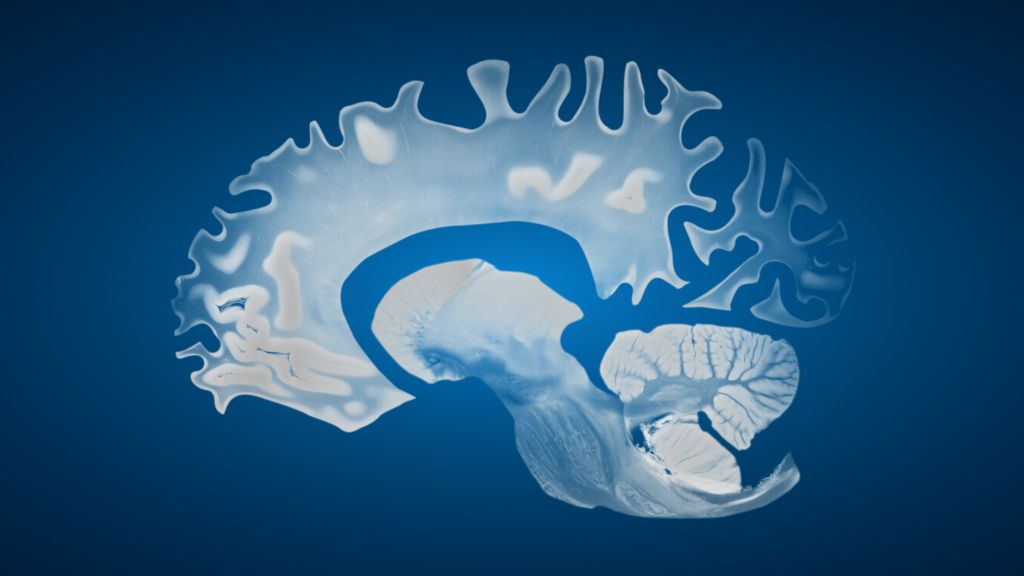
1. Risk of brain toxicity
Taking high-dose iron supplements, especially those formulated with ferrous fumarate, can lead to iron accumulation in brain tissue.
Because iron is a reactive mineral, excessive amounts can promote oxidative stress, abnormal protein aggregation, impaired mitochondrial function, and dysregulated synaptic signaling, all commonly associated with neurodegenerative conditions, including Alzheimer’s disease.
“Excess iron can be toxic to brain cells, especially in vulnerable regions such as the hippocampus,” explains Dr. Berg. “Chronically high iron exposure from supplements or fortified foods, such as refined grains, may increase oxidative stress within neurons and contribute to cognitive decline.”
2. May cause organ damage
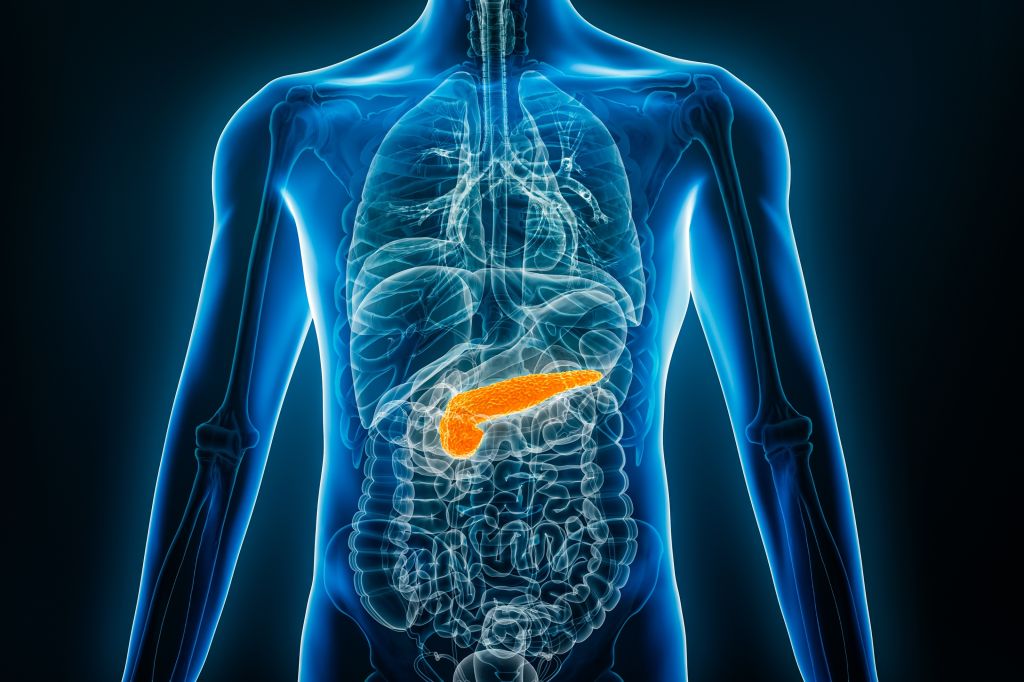
Due to its chemical reactivity, excessive buildup of iron in cells and tissues can generate reactive oxygen species (ROS), causing oxidative stress, inflammation, cell death, and fibrosis, a process in which healthy tissue is replaced with scar tissue.
Because the body cannot efficiently eliminate excess iron, it collects in vital organs such as the heart, liver, and pancreas, leaving these structures at increased risk of iron-related damage.
Research published in the International Journal of Molecular Sciences found that iron overload from blood transfusions or supplements can deposit toxic levels in these organs, leading to tissue damage, organ dysfunction, and an increased risk of death.
3. Increased susceptibility to infection
Iron can be utilized by many pathogens, including bacteria and viruses, to support their growth and facilitate the spread of infection.
During infection, the body limits iron availability to starve microbes, an immune defense strategy known as nutritional immunity.
If infection has been detected, the hormone hepcidin is released, which inhibits iron absorption and stores it within proteins and immune cells, reducing levels in the bloodstream.
This explains why taking iron when you’re sick can inhibit this protective response, increasing iron availability to harmful microbes and potentially worsening or prolonging illness.
4. May increase the risk of chronic disease
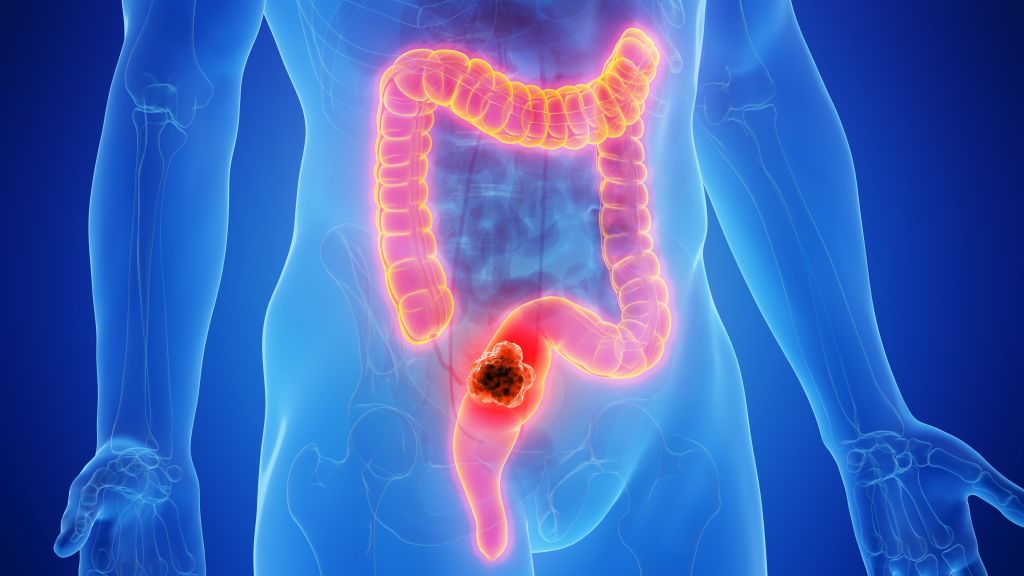
High iron levels are linked to an increased risk of chronic conditions such as type 2 diabetes, arthritis, cardiovascular disease, and certain cancers, including colorectal cancer.
A study published in the World Journal of Gastroenterology found that “Iron-mediated generation of reactive oxygen species may promote carcinogenesis through increased genomic instability. Carcinogenesis is also affected by inflammation, which is exacerbated by iron.”
5. Contributes to mineral imbalances
Excess iron intake can interfere with the absorption and utilization of other essential minerals, particularly zinc and copper, which share overlapping transport pathways in the intestinal lining.
Supplemental iron may competitively inhibit the uptake of these minerals, reducing their absorption and leading to deficiencies despite adequate dietary intake.
Zinc and copper are critical for immune integrity, brain and nervous system function, antioxidant defense, and cellular metabolism. This explains why impaired availability can disrupt several physiological processes and contribute to various metabolic and immune system imbalances.
The best food sources of iron
Dietary iron exists in heme iron form and non-heme iron form.
Heme iron, found exclusively in animal foods, is significantly more bioavailable due to being absorbed intact through specialized receptors in the gut. This absorption pathway is largely unaffected by dietary compounds that inhibit the uptake of non-heme iron present in plant foods.
A study published in Nutrients found that heme iron is absorbed at a rate of approximately 30 percent, while non-heme iron is absorbed at only about five percent, as it must be converted into a form that the body can use.
While small amounts of iron can be obtained from plant foods such as spinach, kale, and pumpkin seeds, heme iron remains the most reliable source for maintaining healthy iron levels.
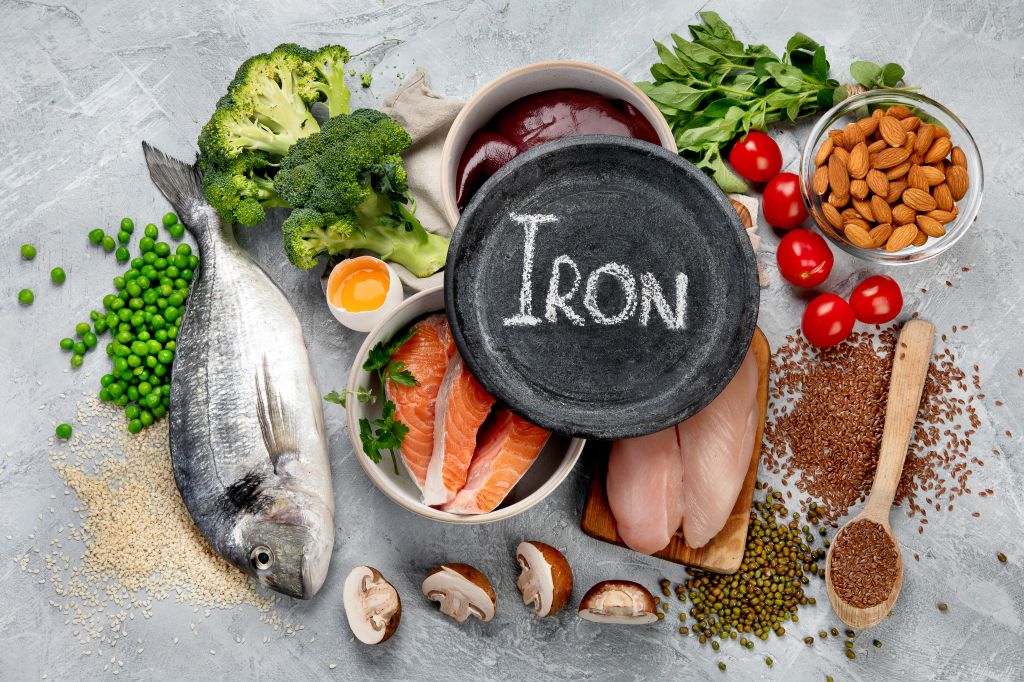
Iron-rich foods, ranked from highest to lowest iron content, include:
- “Organ Meat Benefits Reasons to Eat Liver and More | Dr. Berg.” drberg.com. https://www.drberg.com/blog/is-organ-meat-healthy-or-unhealthy
- Red meats, including beef, lamb, venison, and pork
- Shellfish, such as oysters, clams, and mussels
- Fatty fish like sardines, tuna, and salmon
- Poultry, especially the dark meat of chicken or turkey
It’s important to highlight that iron overload or toxicity are primarily linked to excessive iron intake from supplements, not food sources. Balanced intake of iron-rich foods as part of a nutritious diet is unlikely to cause adverse effects in healthy individuals.
Key takeaways
- Healthy iron levels support oxygen transport, energy production, DNA replication, hormone synthesis, brain development, cognitive function, and various other biological processes.
- Iron tablets can raise levels, but can make you feel sick, with approximately 60 percent of users reporting nausea and other gastrointestinal side effects.
- Iron pills may cause iron overload, which can damage vital organs, increase the risk of infection and chronic disease, and contribute to mineral imbalances.
- Consuming foods rich in bioavailable heme iron, such as red meat, shellfish, and organ meats, is a natural way to support healthy iron levels without the risk of toxicity.
FAQ
- 1. Can iron tablets make you feel sick?
- 2. Why do iron tablets make me nauseous?
- 3. What are the side effects of taking iron pills?
- 4. What is the best natural source of iron?
Sources
- “404_PAGE.” mdpi.com. https://www.mdpi.com/2036-7481/12/2/33
- “404_PAGE.” mdpi.com. https://www.mdpi.com/1422-0067/24/16/12928
- Chua AC, Klopcic B, Lawrance IC, Olynyk JK, Trinder D. Iron: an emerging factor in colorectal carcinogenesis. World J Gastroenterol. 2010;16(6):663-72. https://pmc.ncbi.nlm.nih.gov/articles/PMC2817053/
- Kalman D, Hewlings S, Madelyn-Adjei A, Ebersole B. Dietary Heme Iron: A Review of Efficacy, Safety and Tolerability. Nutrients. 2025;17(13):2132. https://pmc.ncbi.nlm.nih.gov/articles/PMC12252460/
Related Articles
-
Food Intolerance Symptoms and How to Identify Patterns
 Digestive health
Food Intolerance Symptoms and How to Identify Patterns
At a glance Food intolerance symptoms can be difficult to connect to a particular food because they don’t always happen immediately after eating. Reactions may depend on portion size, food…07/30/2026 -
Zinc Supplements: Forms and How to Choose
 Nutrition
Zinc Supplements: Forms and How to Choose
At a glance Zinc is an essential trace mineral involved in hundreds of enzymatic reactions that influence immune activity, cellular functions, and hormone regulation. Understanding the differences in formulation, dosage,…04/10/2026 -
How to Help Reduce Cancer Risk – 10 Natural Ways
 Health concerns
How to Help Reduce Cancer Risk – 10 Natural Ways
At a glance Cancer risk is strongly influenced by diet and lifestyle factors that affect inflammation, metabolic health, immune surveillance, and cellular repair. Strategies such as carbohydrate restriction, fasting, regular…04/03/2026 5.4k views -
How to Get Rid of Toenail Fungus – 3 Natural Solutions
 Health concerns
How to Get Rid of Toenail Fungus – 3 Natural Solutions
At a glance Toenail fungus is a common nail infection often linked to environmental exposure to infectious microbes, nail injury, and poor metabolic or immune health. Natural topical solutions and…03/13/2026 33.6k views -
HPV Skin Tags: Causes and What to Do
 Health concerns
HPV Skin Tags: Causes and What to Do
At a glance While both skin tags and warts can be linked to human papillomavirus (HPV), they differ in appearance and how they affect the body. Targeted dietary and lifestyle…03/13/2026 16.6k views -
How to Ease a Sore Throat Quickly Using Acupressure
 Health concerns
How to Ease a Sore Throat Quickly Using Acupressure
At a glance Acupressure offers a simple, hands-on approach to promoting physical comfort, which may help soothe sore throat pain. While it’s not a substitute for a medical evaluation, acupressure…02/27/2026 25.2k views -
Benefits of Colostrum for Babies and Adults
 Nutrition
Benefits of Colostrum for Babies and Adults
At a glance Colostrum is the first milk produced after birth and delivers concentrated nutrients, immune factors, and growth compounds that support a newborn’s early development. This nutrient dense milk…02/13/2026 13.3k views -
What Are Viral and Bacterial Infections? Differences Explained
 Health concerns
What Are Viral and Bacterial Infections? Differences Explained
At a glance Viral and bacterial infections are caused by different pathogens and require distinct approaches for treatment and prevention. While viruses invade cells and typically resolve on their own,…02/12/2026 2.4k views -
Ear Infection Home Remedies: 8 Natural Solutions
 Immune health
Ear Infection Home Remedies: 8 Natural Solutions
At a glance Ear infections can cause pressure, discomfort, and temporary hearing changes, often triggered by viral or bacterial infections. Over-the-counter options may relieve symptoms, but often don’t address the…01/16/2026 26.9k views -
How to Clear Phlegm From Lungs – 7 Natural Ways
 Health concerns
How to Clear Phlegm From Lungs – 7 Natural Ways
At a glance Phlegm forms when the airways become irritated or inflamed, leading to thick mucus that’s hard to clear. Understanding what triggers excess phlegm and how to support airway…01/08/2026 11.8k views


