

At a glance
The common cold is a mild upper respiratory infection caused by many viruses, most often rhinovirus, and it mainly affects the nose, throat, and sinuses. It spreads easily through droplets and surfaces, particularly during the fall and winter months. Understanding symptoms, what truly supports immune function, and which remedies offer limited benefit helps set realistic expectations and guide everyday prevention habits.
Colds are one of the most common seasonal ailments, and while symptoms are typically mild, they can make daily tasks challenging.
Fortunately, there are several simple ways to fortify your immune system and reduce your risk of getting sick.
Discover how to manage a cold with natural remedies that help strengthen immune defenses, shorten recovery time, and help you feel your best through cold season.
What is the common cold?
Common colds are mild upper respiratory infections that can be caused by more than 200 different viruses.
The most common virus associated with the cold is rhinovirus, which spreads through airborne droplets or contact with contaminated surfaces.
The common cold primarily affects the nose, throat, and sinuses, and typically lasts between 7 and 10 days. Most adults experience two to three colds per year, while infants and children tend to catch them more often.
While you can contract a cold at any time of the year, it’s most common during the fall and winter, which is why this period is also known as cold and flu season.
This is likely due to the cooler weather, fewer daylight hours, and increased time spent indoors, which can increase the risk of infection and lower vitamin D levels, which are associated with a weakened immune system.
Watch the video below to learn about effective natural remedies to use when you are sick.
Cold symptoms
For most people, symptoms of the common cold develop within two to three days of infection and are usually mild.
Common signs and symptoms of the cold virus include:
- Sore throat
- Chest congestion
- Headaches
- Body aches
- Runny or stuffy nose
- Cough
- Fatigue
Because they share similar symptoms, colds are often confused with influenza infections, commonly referred to as the flu.
Compared to a cold, the flu is more severe, with a sudden onset of fever, chills, body aches, weakness, and extreme fatigue, making it difficult to get out of bed or perform even simple daily tasks.
While many respiratory viruses that cause cold symptoms aren’t severe, those with chronic medical conditions, older adults, or young children are at a significantly higher risk of adverse health outcomes.
What actually helps manage a cold
While there’s no cure for the common cold and you can’t stop it once infected, certain nutrients and lifestyle habits can support strong immune function and help shorten the duration of this common sickness.
Here are seven natural alternatives to over-the-counter medicines that actually work.
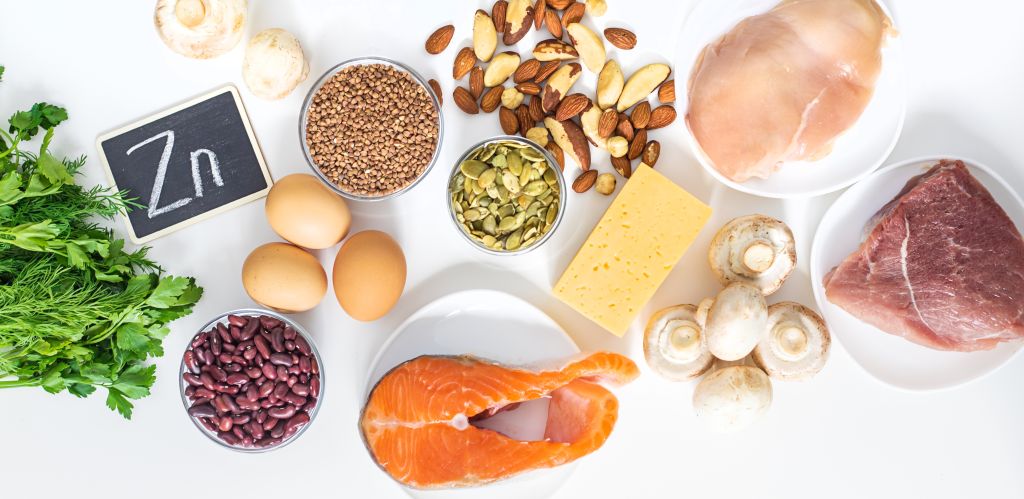
1. Zinc
Zinc is essential for the development and function of immune cells, including natural killer (NK) cells, macrophages, and neutrophils, which help the body detect and eliminate pathogens, including those that trigger colds.
Research published in Nutrients found that zinc deficiency weakens innate and adaptive immunity and increases infection susceptibility by impairing the function of NK cells and reducing lymphocyte activity.
Consuming foods rich in zinc, such as beef, oysters, and pumpkin seeds, can help naturally boost zinc levels and aid in preventing or overcoming a common cold.
2. Vitamin C
Vitamin C, found in foods such as lemons, bell peppers, and strawberries, is a powerful antioxidant nutrient that helps protect cells from damage caused by free radicals.
Regular vitamin C intake supports white blood cell production, which plays a key role in immune defense and may help reduce the severity and duration of colds and other viral infections.
3. Vitamin D levels
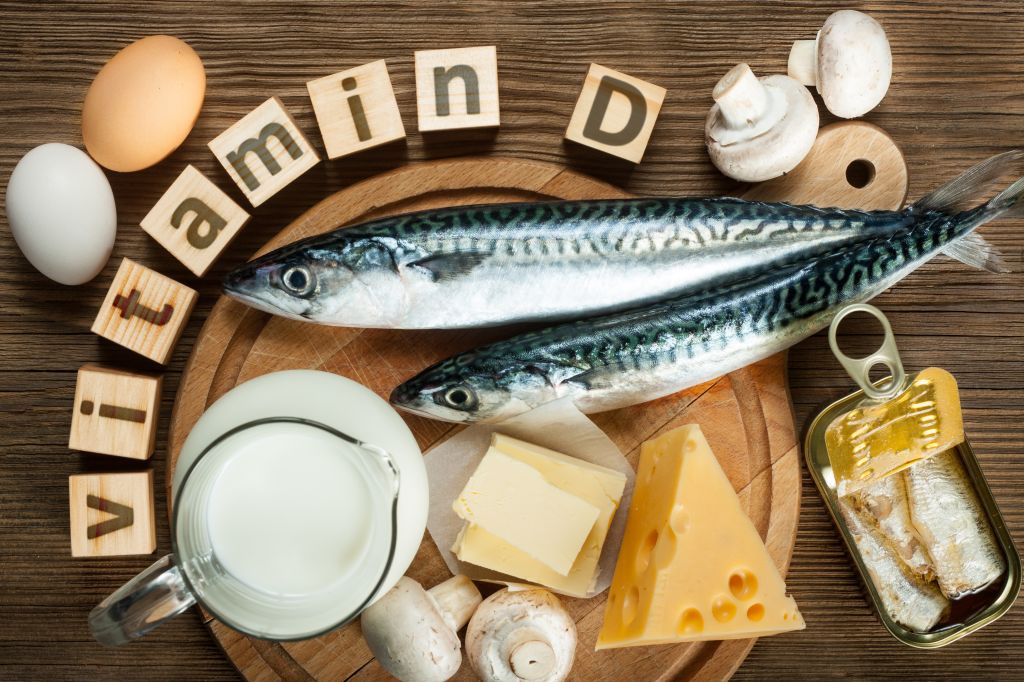
Vitamin D is a key regulator of the immune system that activates immune cells to destroy and eliminate pathogens. It also triggers the production of antimicrobial peptides known as cathelicidins and defensins, which directly neutralize viruses.
Additionally, vitamin D helps maintain the integrity of the mucosal lining in the airways, creating a protective barrier against invading viruses.
Regular sun exposure and consuming foods rich in vitamin D, such as cod liver, fatty fish, organ meats, and egg yolks, helps maintain healthy vitamin D levels during cold and flu season and supports a faster recovery.
4. Fasting
Prolonged periods of fasting trigger autophagy, a cellular repair and renewal process that helps the body regenerate damaged cell components and destroy viruses and bacteria.
Autophagy also helps enhance the body’s ability to protect against cold viruses and can lower inflammation, which may help shorten the duration of a cold and lessen symptom severity.
“If you start feeling sick, fasting can be highly effective,” explains Dr. Berg. “It boosts the body’s resistance to stress and supports the immune system at a cellular level, helping combat the cold and other respiratory viruses.”
5. Garlic
Garlic is a rich source of allicin, a sulfur-containing compound with antimicrobial, antiviral, and immune-boosting properties. While garlic may not prevent the common cold, it can help the body fight the infection more effectively.
A great way to use garlic is by crushing fresh cloves and adding them to soup. You can also ferment garlic in honey to create a simple but effective home remedy for cold and flu symptoms.

6. Take a hot bath
Soaking in warm water can help alleviate nasal congestion and ease the discomfort associated with cold symptoms.
Additionally, inhaling steam from hot water can help moisten the airways, loosening mucus and soothing the nasal passages. This can temporarily make breathing easier, alleviate soreness or irritation, and reduce coughing.
7. Drink warm beverages
Sipping warm drinks, such as herbal teas or bone broth, can help relieve cold symptoms by easing congestion, soothing a sore throat, and suppressing coughing and irritation.
Bone broth has been used as a natural remedy for colds for centuries due to its rich nutrient profile, which includes minerals, amino acids, and collagen that can help nourish the body and boost immunity.

What doesn’t work for colds
Despite their popularity, many over-the-counter treatments only offer limited relief from individual symptoms and don’t cure the infection or reliably shorten how long a cold lasts.
Because they only treat bacterial infections, antibiotics are also ineffective for the cold and may lead to antibiotic resistance if used unnecessarily.
Research, such as this study published in Cureus, shows that oral decongestants, such as phenylephrine, are no more effective than a placebo in relieving congestion in the nasal passages.
Additionally, while cough suppressants and antihistamines can provide temporary symptom relief, they can’t shorten the duration of the infection and may lead to side effects such as drowsiness, headaches, and dry mouth.

Tips to prevent future colds
Targeted lifestyle and dietary adjustments can help reduce your risk of future colds and enhance your body’s ability to fight infections more effectively when you do get sick.
Here are five practical tips to stay healthy.
1. Stay aware of germs
Regularly wash your hands thoroughly with soap and warm water, especially when in public settings, where viral infections can spread quickly.
Additionally, avoid touching your face, which makes it easier for germs to enter your nose, eyes, and mouth.
2. Limit carbohydrates and sugars
Focus on low-carb, whole foods rich in vitamins, minerals, and antioxidants, such as healthy fats, grass-fed and wild-caught proteins, and non-starchy vegetables.
Eliminating refined sugars and carbohydrates, such as those found in pre-packaged foods, helps reduce inflammation and promote immune health.

3. Manage stress
Research shows that chronic stress can weaken immunity, increasing the risk of viral infections and potentially making illness worse.
A study published in the Journal of Clinical Medicine found that stress heightens the susceptibility to infection, summarizing, “Chronic stress has been shown to significantly disrupt immune function through alterations in cytokine profiles, and modifications in immune cell dynamics.”
Walking in nature, deep breathing exercises, stretching, and engaging in hobbies you enjoy are great ways to lower stress and may help prevent future colds.
4. Prioritize sleep
Prioritizing adequate amounts of rejuvenating sleep, especially when you notice signs of a cold, helps the body support immune functions and strengthen its response to pathogens.
5. Stay active
Regular exercise increases the circulation of immune cells, allowing the body to detect and destroy viruses more effectively.
Even light exercise, such as walking, releases cytokines, which are signaling proteins that activate white blood cells involved in managing inflammation and infection.

When to talk to your doctor
Colds don’t usually require medical care. However, if symptoms are severe or last longer than ten days, it’s recommended to contact your healthcare provider.
Adults should seek medical care if they experience:
- A fever higher than 101 degrees F (38.3 degrees C) for several days
- Trouble breathing
- Intense sore throat
- Chest pain with difficulty breathing
- Sinus pain or pressure
Children should visit their healthcare provider when displaying:
- A fever of 100.4 degrees F (38 degrees C) in a newborn up to three months old
- A fever lasting longer than a few days in a child of any age
- Wheezing or trouble breathing
- Severe headache, throat pain, or cough
- Ear pain
- Extreme drowsiness or fussiness
Although most colds resolve on their own, your doctor may recommend cold medicines, over-the-counter cough medicines, pain relievers, or a saline nasal spray to reduce symptoms.
Key takeaways
- The common cold is a mild upper respiratory infection caused by more than 200 viruses, most commonly rhinovirus, and it primarily affects the nose, throat, and sinuses for approximately seven to ten days.
- Cold symptoms usually appear within two to three days and include a sore throat, congestion, runny or stuffy nose, cough, body aches, headaches, and fatigue, which are generally milder than flu symptoms.
- While there’s no cure for a cold, nutrients and habits such as vitamin C, zinc-rich foods, fasting, garlic, warm baths, and warm beverages can support immune function and help shorten the duration of symptoms.
- Over-the-counter medicines and antibiotics don’t cure colds, and prevention focuses on hand hygiene, stress management, adequate sleep, regular activity, and limiting refined carbohydrates and sugars.
FAQ
- 1. Can you stop a cold once it starts?
- 2. How do you manage a cold if you feel it coming on?
- 3. What vitamins help fight colds?
- 4. Should you exercise when you have a cold?
- 5. How can you tell if it’s a cold or the flu?
Sources
- Wessels I, Maywald M, Rink L. Zinc as a Gatekeeper of Immune Function. Nutrients. 2017;9(12):1286. https://pmc.ncbi.nlm.nih.gov/articles/PMC5748737/
- Livier Castillo J, Flores Valdés JR, Maney Orellana M, et al The Use and Efficacy of Oral Phenylephrine Versus Placebo Treating Nasal Congestion Over the Years on Adults: A Systematic Review. Cureus. 2023;15(11):e49074. doi:10.7759/cureus.49074 https://pmc.ncbi.nlm.nih.gov/articles/PMC10730950/
- Alotiby A. Immunology of Stress: A Review Article. J Clin Med. 2024;13(21):6394. https://pmc.ncbi.nlm.nih.gov/articles/PMC11546738/
Related Articles
-
Zinc Chelate vs. Zinc Oxide Supplements
 Nutrition
Zinc Chelate vs. Zinc Oxide Supplements
At a glance Zinc chelate and zinc oxide are two forms of supplemental zinc. Although both contribute to zinc intake, they differ in structure, absorption, and how efficiently zinc is…07/16/2026 -
Natural vs. Synthetic Trace Minerals: Key Differences
 Nutrition
Natural vs. Synthetic Trace Minerals: Key Differences
At a glance Natural and synthetic trace mineral supplements differ in how they’re sourced and formulated, which can impact nutrient absorption, effectiveness, and tolerability. Naturally sourced trace minerals derived from…05/29/2026 -
Trace Mineral Supplements: Forms and How to Choose
 Nutrients
Trace Mineral Supplements: Forms and How to Choose
At a glance Trace mineral supplements provide nutrients that the body needs in small amounts. These minerals play important roles in energy production, enzyme function, immune health, bone strength, cardiovascular…05/21/2026 -
Zinc Supplements: Forms and How to Choose
 Nutrition
Zinc Supplements: Forms and How to Choose
At a glance Zinc is an essential trace mineral involved in hundreds of enzymatic reactions that influence immune activity, cellular functions, and hormone regulation. Understanding the differences in formulation, dosage,…04/10/2026 -
How to Get Rid of Toenail Fungus – 3 Natural Solutions
 Health concerns
How to Get Rid of Toenail Fungus – 3 Natural Solutions
At a glance Toenail fungus is a common nail infection often linked to environmental exposure to infectious microbes, nail injury, and poor metabolic or immune health. Natural topical solutions and…03/13/2026 33.6k views -
HPV Skin Tags: Causes and What to Do
 Health concerns
HPV Skin Tags: Causes and What to Do
At a glance While both skin tags and warts can be linked to human papillomavirus (HPV), they differ in appearance and how they affect the body. Targeted dietary and lifestyle…03/13/2026 16.6k views -
What Foods Are High in Zinc?
 Minerals
What Foods Are High in Zinc?
At a glance Zinc is an essential trace mineral involved in immune defenses, metabolism, hormone production, and muscle repair. Because the body doesn’t store zinc efficiently, regular dietary intake is…03/06/2026 5.9k views -
7 Nail Changes That May Be Linked to Nutrient Deficiencies
 Nutrition
7 Nail Changes That May Be Linked to Nutrient Deficiencies
At a glance Nails can serve as a biological record of your health, as changes in nail strength, shape, color, or texture may signal nutrient deficiencies. Supporting optimal nutrient levels…01/23/2026 33.4k views -
5 Supplements That Actually Work
 Nutrition
5 Supplements That Actually Work
At a glance Choosing the right supplements is crucial because the quality and bioavailability of nutrients significantly impact how well they support energy production, metabolic health, and immune balance. Many…12/19/2025 3.1k views -
Natural Remedies for Glaucoma
 Health concerns
Natural Remedies for Glaucoma
At a glance Glaucoma is a progressive eye condition that can lead to vision loss. Adopting a beneficial diet and lifestyle strategies can help support eye health. Additionally, prioritizing key…04/09/2025 20.3k views


