


At a glance
Viral and bacterial infections are caused by different pathogens and require distinct approaches for treatment and prevention. While viruses invade cells and typically resolve on their own, bacteria can multiply independently and often require medical treatment. Fortifying your immune system with natural remedies, dietary adjustments, and healthy lifestyle habits can help reduce the risk of viral and bacterial infections.
What are viral and bacterial infections, and how do they differ?
Viral infections occur when viruses invade and replicate within cells, causing illnesses such as the common cold or influenza. Conversely, bacterial infections are caused by pathogenic bacteria entering the body and multiplying, resulting in conditions such as strep throat or food poisoning.
Discover the key differences between viral and bacterial infections and learn natural ways to fortify the body’s defense system and support strong immunity.
What are bacterial infections?
Bacteria are microscopic, single-celled organisms found on the skin, in the human body, and throughout the environment, including soil, water, and food.
Many bacterial species are beneficial to health, such as Lactobacillus and Bifidobacterium, which are part of the gut microbiota and play vital roles in digestion, nutrient absorption, and vitamin synthesis.
These good bacteria also support immune functions and compete with potentially harmful microbes for resources, which helps prevent pathogenic bacteria from proliferating.
In contrast, certain bacteria are harmful and cause infections when they invade the body, multiplying rapidly and releasing toxins that can damage cells.
Bacterial infections can develop anywhere in the body, including the skin, gastrointestinal tract, respiratory system, urinary tract, bloodstream, and internal organs.
Common bacterial infections include:
- Urinary tract infection (UTI)
- Bacterial ear infections
- Skin infections, such as cellulitis or folliculitis
- Bacterial pneumonia
- Strep throat
- Bacterial bronchitis
- Sinusitis
- Sexually transmitted infections (STIs), such as chlamydia
Most bacteria spread through direct contact with an infected person or their bodily fluids, as well as indirect contact with contaminated objects or surfaces. They can also be transmitted through airborne droplets released during coughing or sneezing.
Other sources of bacterial infections include consuming contaminated food or water, exposure to microbes through wounds, or transmission from insect bites, such as those from mosquitoes, fleas, or ticks, which can spread diseases such as Lyme disease.
Additionally, certain bacterial infections, such as Group B Streptococcus (GBS), syphilis, listeriosis, chlamydia, and gonorrhea, can be passed from a mother to her baby during pregnancy or childbirth.
Watch the video below to learn about the key difference between viral and bacterial infections.
What are viral infections?
Viruses are infectious particles made of genetic material, such as DNA and RNA, surrounded by a protective protein shell or fatty envelope.
Unlike bacteria, viruses aren’t considered living organisms, as they cannot grow, generate energy, or reproduce independently. Instead, they must invade host cells to replicate, using the host’s resources to spread infections.
Once a person becomes infected with a virus, it attaches to cells, injects its genetic material, and causes the virus to spread throughout the body. This process can cause significant cellular damage and trigger immune system responses that lead to common symptoms associated with viral illnesses.
Common viral infections include:
- Common cold
- Influenza
- COVID-19
- Norovirus, also known as stomach flu
- Viral STIs, including herpes simplex virus
- Human papillomavirus (HPV)
- Chickenpox and shingles
- Hepatitis A, B, and C
- Measles, mumps, and rubella
Most viruses are transmitted directly by inhaling respiratory droplets when an infected person sneezes, coughs, or exhales, or indirectly when these droplets land on surfaces.
However, viruses can also spread through sexual contact, contaminated food and water, and insect or animal bites, such as rabies from a rabid animal or the West Nile virus from mosquitoes.
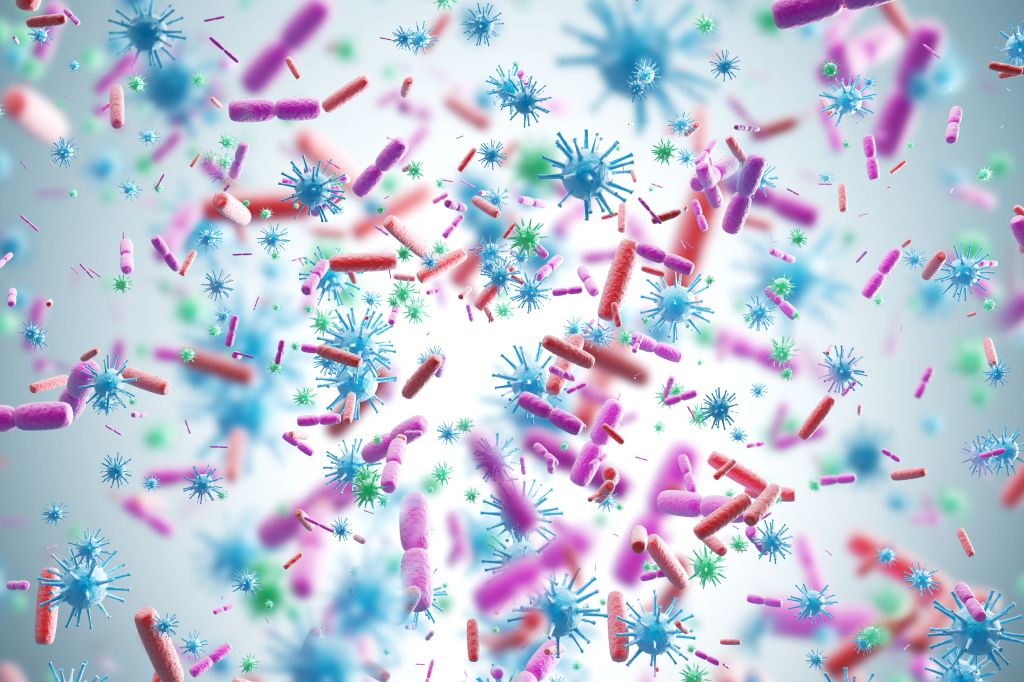
Key differences between viral and bacterial infections
Bacterial and viral infections share similarities in their transmission and symptom manifestation. However, these infectious diseases often differ in their effects on the body, duration, and treatment approaches.
Here are four key differences between viral and bacterial infections.
1. Symptoms
Viral infections affect various bodily systems and can cause a range of mild to severe symptoms, including fatigue, body aches, fever, and diarrhea.
Conversely, bacterial infections are typically localized in one part of the body, such as the skin, lungs, intestines, or urinary tract. This leads to symptoms that can vary depending on the location of the infection, such as skin redness, the development of pus, a sore throat, abdominal pain, diarrhea, or painful urination.
Both bacterial and viral infections can cause respiratory symptoms. Viral coughs are usually dry or produce clear mucus, often accompanied by a sore throat, mild fatigue, or a runny nose, and typically resolve on their own.
In contrast, bacterial coughs often produce thick yellow or green mucus, may cause chest pain or shortness of breath, and can persist for weeks or months without treatment.
Because bacterial and viral infections can share similar symptoms, it can be challenging to distinguish between these illnesses without evaluation and diagnosis from a healthcare provider.
Additionally, it’s possible to have a viral and bacterial infection simultaneously, a condition known as a co-infection. As an example, the flu virus can weaken the immune system and increase the risk of developing a secondary bacterial infection, such as pneumonia.
2. Infection duration
Viral infections typically resolve on their own within a few days to two weeks, with an average duration of seven to ten days.
Bacterial infections can persist and worsen if untreated, potentially causing serious health complications or spreading to other parts of the body.
3. Treatment approach
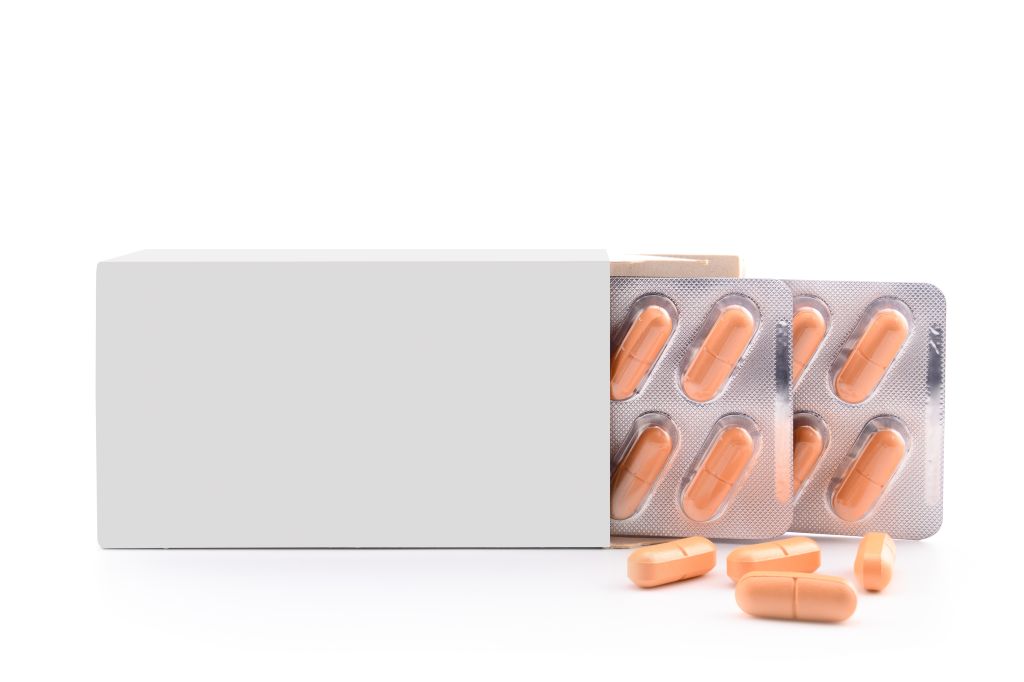
Bacterial infections are conventionally treated with antibiotics, which work by destroying bacteria or preventing them from multiplying. However, antibiotics are not effective against viral infections.
Most viral infections are managed with rest, fluids, and supportive at-home care. In some cases, fever reducers and antiviral medications, such as oseltamivir, also known as Tamiflu, are used to reduce symptoms and slow the replication of the virus.
4. Risk of recurrence
After a viral infection, the body builds immunity against the virus, which can reduce the likelihood of future infections or the severity of symptoms.
Bacterial infections can also lead to immunity, but it may not provide as significant immune defenses as those against previous viral infections.
Additionally, frequent or improper use of antibiotics can lead to antibiotic resistance, a serious condition in which bacteria become resistant to conventional drug treatments, which can make recurring infections difficult to manage.
How the body fights infections
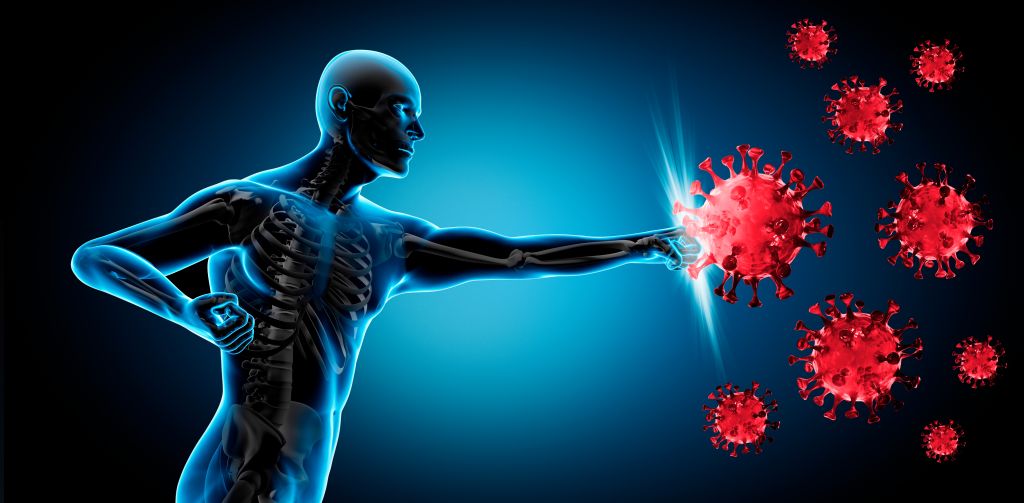
The immune system is a complex network of cells, tissues, and organs that detects and eliminates harmful microorganisms such as bacteria and viruses.
The first line of defense includes the skin’s keratinized outer layer, the mucus membranes, and bodily secretions, which act as physical and chemical barriers to prevent pathogens from entering the body.
If pathogens bypass these initial barriers, the innate and non-specific immune system is activated. This system relies on a more generalized response, triggering white blood cells, such as macrophages and neutrophils, to attack and destroy invading germs and substances.
This innate immune response occurs within minutes to hours of infection, and often causes inflammation and fever to prevent the growth and spread of pathogens.
However, the innate immune system isn’t always successful, and if the infection persists, the adaptive immune response is activated.
This system provides a targeted defense, producing specialized lymphocytes, known as B and T cells, which produce antibodies that bind to and eliminate specific viral or bacterial pathogens.
The adaptive immune system is also capable of developing immunological memory, in which B and T cells remain in the body as memory cells. This supports immunity against specific bacteria or viruses if they are reencountered.
5 natural ways to support immunity
Many over-the-counter medications are ineffective against viral infections, and the overuse of antibiotics can contribute to the development of antibiotic resistance, making bacterial infections harder to treat.
Fortunately, simple, effective lifestyle and nutritional strategies can help the immune system function optimally and reduce the risk of infection.
Here are five ways to fortify your immune system and strengthen immune defenses.
1. Prioritize garlic
Allicin, a sulfur compound found in garlic, has been shown to possess potent antiviral and antibacterial properties, helping the body defend against various harmful pathogens.
A study published in Trends in Food Science & Technology concluded, “Test models clearly demonstrate antiviral potential of garlic and its organosulfur compounds against a wide range of viruses.”
This is likely attributed to several mechanisms, including allicin’s ability to block viral entry and fusion into host cells, as well as suppress viral replication.
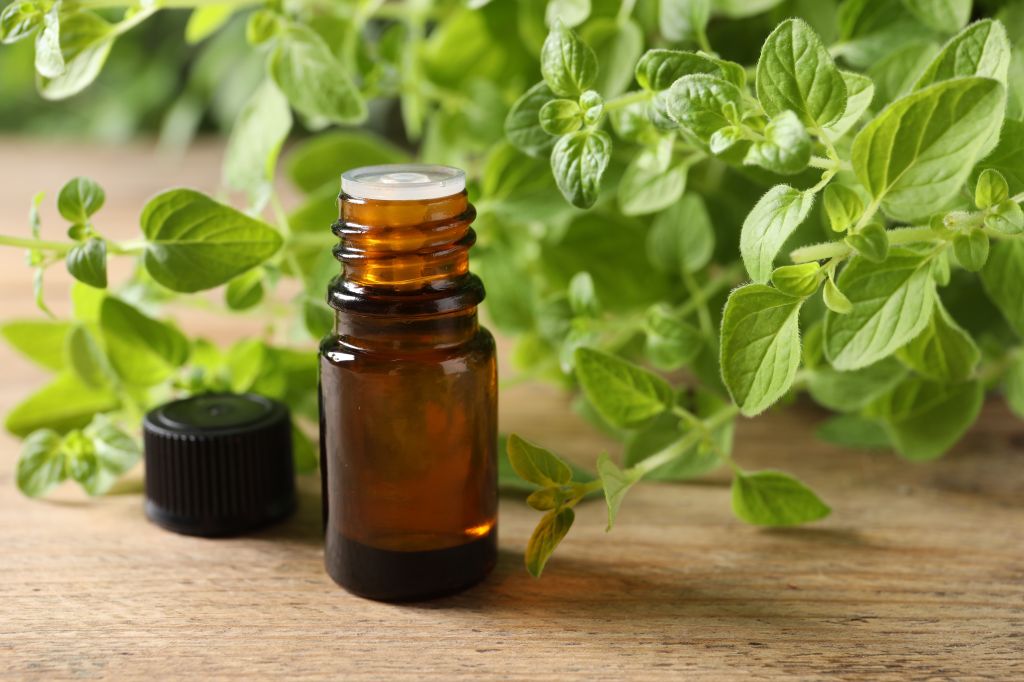
2. Incorporate oregano-infused oil
Oregano-infused oil contains carvacrol and thymol, two key bioactive compounds that exhibit strong antibacterial properties, as they disrupt the integrity of bacterial cell membranes.
A study published in PLOS One found that oregano oil demonstrated significant antimicrobial activity, suppressing the growth of Staphylococcus aureus and Bacillus cereus, bacteria that contribute to staph infection and food poisoning.
In addition to its antibacterial effects, oregano has also shown antiviral activity by inhibiting viral replication and reducing the ability of viruses to penetrate host cells and spread infection.
3. Maintain optimal vitamin D levels
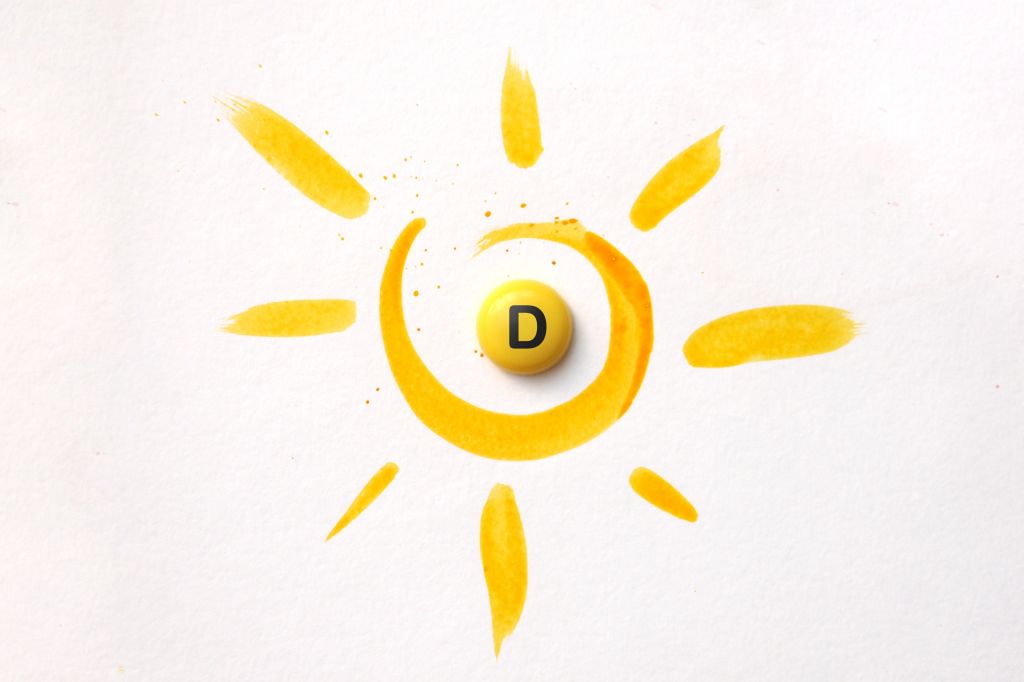
Vitamin D supports the body’s immune defenses against viruses and bacteria by modulating innate and adaptive immunity, boosting the production of antimicrobial peptides, and regulating the activity of T and B cells.
A study published in Nutrients found that vitamin D deficiency is associated with an increased risk of severe respiratory infections, including influenza and COVID-19, as well as an increased susceptibility to other viral diseases, such as hepatitis and AIDS.
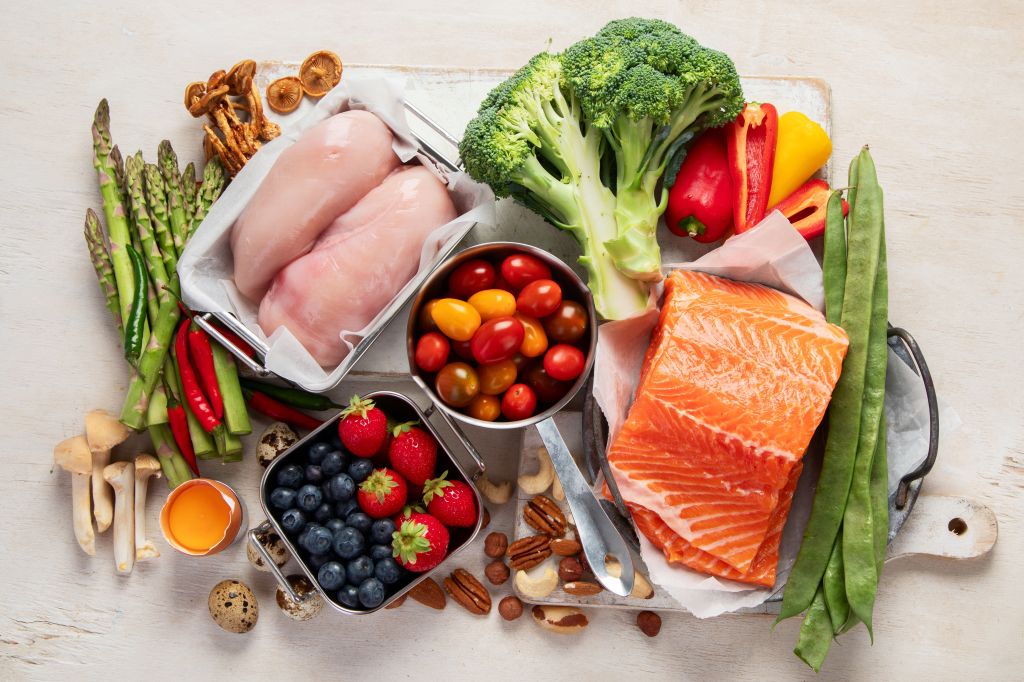
In addition to regular sun exposure, which is the body’s primary source of vitamin D, foods such as fatty fish, cod liver with the oil, and egg yolks also offer moderate amounts of this essential vitamin.
4. Follow a ketogenic diet
The ketogenic diet is a low-carb, moderate-protein, and high-fat diet that can support the immune system and help protect against viral and bacterial infections.
The link between diet and immune functions is often overlooked. However, approximately 70 to 80 percent of immune cells are located in the gut, which highlights the importance of supporting gastrointestinal health with beneficial dietary adjustments.
Regular intake of sugar and carbohydrates can disrupt the microbiome, contributing to an imbalance between beneficial and potentially harmful gut bacteria that may increase susceptibility to infections.
By minimizing sugar and carbohydrate intake and emphasizing gut-supportive foods, such as healthy fats, animal protein, non-starchy vegetables, and fermented foods, the keto diet helps maintain a balanced gut microbiome and optimizes immune function.
5. Practice fasting
Intermittent and prolonged fasting routines may support the body’s defense against viral and bacterial infections by activating autophagy. This cellular survival and renewal mechanism helps maintain metabolic and hormonal balance, which is vital for optimal immune function.
“Fasting is the body’s natural response to infection, which explains why people often lose their appetite when they’re sick,” explains Dr. Berg. “Fasting longer than 18 hours triggers autophagy, which helps the body repair or remove damaged cells and destroy harmful bacteria and viruses.”
By promoting cellular recycling and repair, autophagy enhances the immune system’s resilience against pathogens, thereby reducing the risk of chronic diseases and contributing to overall health and longevity.

When to talk to your doctor
Consult your healthcare provider if you suspect you have a bacterial or viral infection, especially if symptoms persist, worsen, or are severe.
Seek medical care if you experience symptoms indicative of a serious infection, including:
- High fever
- Confusion
- Shortness of breath or air hunger
- Vomiting or diarrhea
- Severe headaches
- Muscle aches
Early evaluation is also recommended for children and those with weakened immune systems, underlying health conditions, or who are pregnant, to allow timely treatment and reduce the risk of complications.
Key takeaways
- Viral infections invade healthy cells and often resolve on their own.
- Bacterial infections multiply independently and may require antibiotics.
- Symptoms can overlap, but bacterial infections are usually localized, while viral infections can affect the whole body.
- Co-infections can occur when viral infections increase susceptibility to secondary bacterial infections.
- Natural remedies such as garlic and oregano-infused oil have antimicrobial and antiviral properties that can help manage or prevent infections.
- Maintaining optimal vitamin D levels, following a low-carb ketogenic diet, and practicing fasting can further help strengthen immune functions and support the body’s defenses.
FAQ
- 1. What is the difference between viral and bacterial infections?
- 2. Can you have a viral and bacterial infection at the same time?
- 3. How do you know if a cough is bacterial or viral?
- 4. How long do viral and bacterial infections last?
- 5. How do you get rid of a viral or bacterial infection?
Sources
- Rouf R, Uddin SJ, Sarker DK, et al. Antiviral potential of garlic (Allium sativum) and its organosulfur compounds: A systematic update of pre-clinical and clinical data. Trends Food Sci Technol. 2020;104:219-234. https://pmc.ncbi.nlm.nih.gov/articles/PMC7434784/
- Antimicrobial activity of Origanum vulgare L. essential oil and its effects on fungal gene expression. journals.plos.org. Accessed 2026. https://journals.plos.org/plosone/article?id=10.1371/journal.pone.0329548
- Siddiqui M, Manansala JS, Abdulrahman HA, et al. Immune Modulatory Effects of Vitamin D on Viral Infections. Nutrients. 2020;12(9):2879. https://pmc.ncbi.nlm.nih.gov/articles/PMC7551809/
Related Articles
-
Food Intolerance Symptoms and How to Identify Patterns
 Digestive health
Food Intolerance Symptoms and How to Identify Patterns
At a glance Food intolerance symptoms can be difficult to connect to a particular food because they don’t always happen immediately after eating. Reactions may depend on portion size, food…07/30/2026 -
Zinc Supplements: Forms and How to Choose
 Nutrition
Zinc Supplements: Forms and How to Choose
At a glance Zinc is an essential trace mineral involved in hundreds of enzymatic reactions that influence immune activity, cellular functions, and hormone regulation. Understanding the differences in formulation, dosage,…04/10/2026 -
How to Help Reduce Cancer Risk – 10 Natural Ways
 Health concerns
How to Help Reduce Cancer Risk – 10 Natural Ways
At a glance Cancer risk is strongly influenced by diet and lifestyle factors that affect inflammation, metabolic health, immune surveillance, and cellular repair. Strategies such as carbohydrate restriction, fasting, regular…04/03/2026 5.4k views -
How to Get Rid of Toenail Fungus – 3 Natural Solutions
 Health concerns
How to Get Rid of Toenail Fungus – 3 Natural Solutions
At a glance Toenail fungus is a common nail infection often linked to environmental exposure to infectious microbes, nail injury, and poor metabolic or immune health. Natural topical solutions and…03/13/2026 33.6k views -
HPV Skin Tags: Causes and What to Do
 Health concerns
HPV Skin Tags: Causes and What to Do
At a glance While both skin tags and warts can be linked to human papillomavirus (HPV), they differ in appearance and how they affect the body. Targeted dietary and lifestyle…03/13/2026 16.6k views -
How to Ease a Sore Throat Quickly Using Acupressure
 Health concerns
How to Ease a Sore Throat Quickly Using Acupressure
At a glance Acupressure offers a simple, hands-on approach to promoting physical comfort, which may help soothe sore throat pain. While it’s not a substitute for a medical evaluation, acupressure…02/27/2026 25.2k views -
Can Iron Tablets Make You Feel Sick?
 Nutrition
Can Iron Tablets Make You Feel Sick?
At a glance Iron tablets can make you feel sick by irritating the intestines, altering the gut microbiome, and potentially damaging intestinal cells. While iron is essential in trace amounts,…02/13/2026 6.5k views -
Benefits of Colostrum for Babies and Adults
 Nutrition
Benefits of Colostrum for Babies and Adults
At a glance Colostrum is the first milk produced after birth and delivers concentrated nutrients, immune factors, and growth compounds that support a newborn’s early development. This nutrient dense milk…02/13/2026 13.3k views -
Ear Infection Home Remedies: 8 Natural Solutions
 Immune health
Ear Infection Home Remedies: 8 Natural Solutions
At a glance Ear infections can cause pressure, discomfort, and temporary hearing changes, often triggered by viral or bacterial infections. Over-the-counter options may relieve symptoms, but often don’t address the…01/16/2026 26.9k views -
How to Clear Phlegm From Lungs – 7 Natural Ways
 Health concerns
How to Clear Phlegm From Lungs – 7 Natural Ways
At a glance Phlegm forms when the airways become irritated or inflamed, leading to thick mucus that’s hard to clear. Understanding what triggers excess phlegm and how to support airway…01/08/2026 11.8k views


