

At a glance
Hidden carbs are found in many everyday foods that may not appear high in carbohydrates, including sauces, processed meats, dairy products, and salad dressings. These overlooked sources can quietly increase total carb intake and make it more difficult to maintain a low-carb diet. Learning how to recognize hidden sources of carbs and read labels carefully can help support steady progress and better awareness of what you’re eating.
Most people following a low-carb diet are careful to avoid common high-carb foods, such as pizza, bread, cereals, and rice. However, avoiding obvious sources of carbs isn’t enough when hidden carbohydrates and high-glycemic ingredients are often included in seemingly low-carb meals.
These small additions can compound and push your carb count over the limit, making it harder to stay consistent with a keto diet.
Discover four common sources of hidden carbs and learn how to avoid eating them to maintain better control over your intake and stay on track with your health goals.
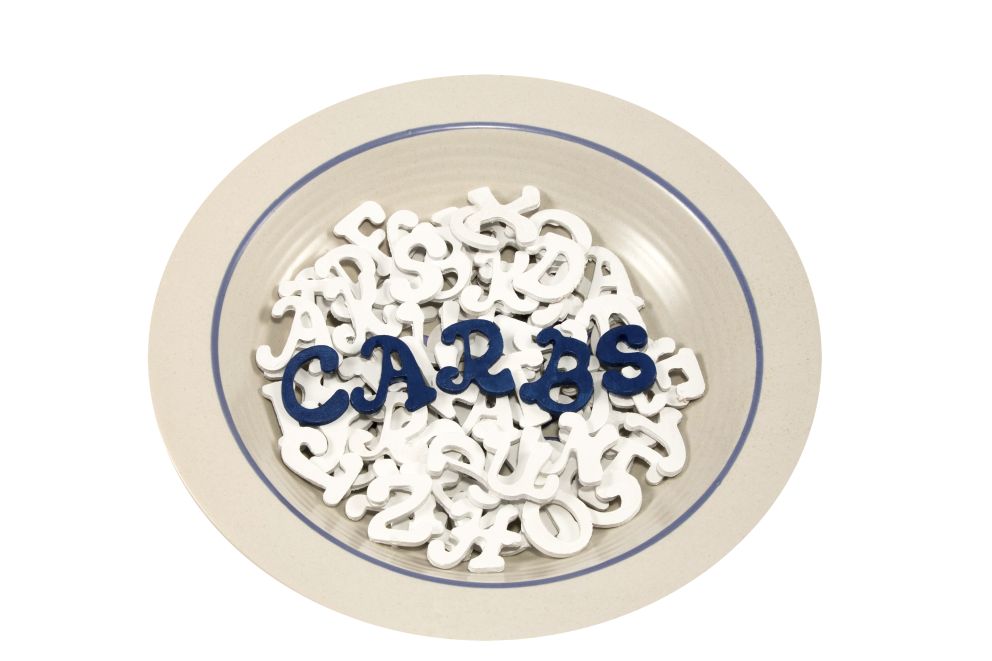
What are hidden carbs?
Hidden carbs are carbohydrates that are difficult to track when they are listed as obscure ingredients.
Some ingredients commonly found in seemingly low-carb foods can still raise blood sugar levels and spike insulin. Such foods may not taste sweet, are often marketed as low-carb or keto-friendly, or are eaten in such small amounts that they seem harmless, such as a stick of gum, breath mints, seasonings, or sauces.
Hidden carbs can also be found in many everyday foods, such as deli meats, pre‑shredded cheeses, seafood such as oysters, sports and energy drinks, high-protein snacks, superfood juice shots, and even dietary supplements.
For people managing their blood sugar levels or following a low-carb diet, such as Healthy Keto® (which typically requires a daily carbohydrate intake of 20 to 50 grams or less), hidden carbohydrates can make it harder to stay within a daily carb limit and may interfere with ketosis and fat loss.
Food labels can also be misleading and contribute to accidental over-consumption of carbs. Under U.S. Food and Drug Administration label rounding rules, any serving with less than 0.5 grams of carbohydrates or sugar can be listed as having 0 grams. These small amounts can easily add up if you have multiple servings.
Moreover, hidden carbohydrates can be masked by net carbs. Net carbs are calculated by subtracting fiber and certain sugar alcohols from the total carb count, which makes it appear lower.
However, because the body partially digests some processed fibers and sugar alcohols, they can still raise blood sugar and insulin levels, potentially halting fat burning.
Watch the video below to uncover surprising sources of carbohydrates.
Common sources of hidden carbs
Because they’re easily overlooked, even small amounts of carbs can add up quickly, making it harder to stay in ketosis and lose weight.
It’s important to understand where carbs commonly show up in everyday foods so you can make better choices and avoid accidental carb creep.
Here are four common sources of hidden carbohydrates.
1. Flavorings
Condiments, sauces, and seasonings are among the most common hidden sources of carbs. Because they typically have a small portion size, many people assume their impact is negligible, but even small amounts can add up.
For example, balsamic glaze can have 5 to 8 grams of carbs per tablespoon, while two tablespoons of ketchup contain around ten grams of carbs, and a tablespoon of garlic powder contains approximately 6 to 7 grams of carbs.
Other high-carb examples include salad dressing, teriyaki, tomato sauce, soy sauce, steak sauce, BBQ sauce, and marinara.
2. Sugar substitutes
While many sweeteners are marketed as carb-free and commonly included in processed foods, they can contain hidden ingredients that trigger an insulin response similar to high-carb foods.
“Even though pure stevia and monk fruit are naturally occurring sugars that are typically fine to consume on keto, some brands are bulked out with fillers such as maltodextrin and dextrose,” explains Dr. Berg. “These ingredients actually have a higher glycemic index than table sugar and can effectively knock you out of ketosis.”
Additionally, even though they’re sugar-free, certain artificial sweeteners and sugar alcohols, such as maltitol and sorbitol, can also spike blood sugar and may trigger an insulin response.
3. Processed meats
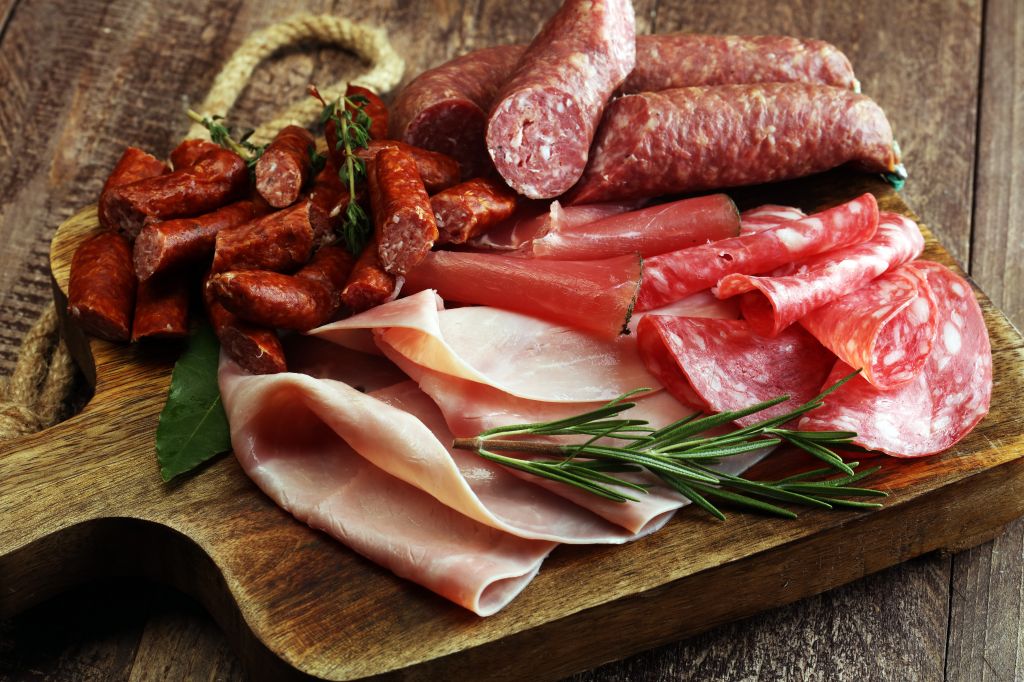
Processed meats are a frequently overlooked source of hidden carbohydrates in packaged foods. Cured meats, flavored sausages, imitation crab, and pre-seasoned bacon are common offenders because they regularly contain added sugars and starches.
Other common ingredients added to processed meats that may interfere with blood sugar and insulin levels include dextrose, corn syrup, and carrageenan.
Research published in Nutrition & Diabetes suggests that carrageenan may impair glucose tolerance and insulin sensitivity by reducing glucagon-like peptide-1 (GLP-1) secretion, a hormone critical for regulating blood sugar and appetite.
4. Dairy products
High-quality dairy, such as grass-fed heavy cream, butter, or yogurt, can be excellent foods to support a Healthy Keto diet. They provide healthy fats, protein, minerals, and other nutrients that can support satiety and ketosis.
However, some dairy products can contain a significant amount of carbohydrates. Low-fat versions are often among the worst offenders, as the fat is often replaced with sugar to improve flavor.
Many people think of calcium and protein content when they consider whole milk, but it also has a significant amount of natural sugar called lactose. One half-cup serving of milk contains approximately 6 grams of carbs.
For those who are lactose intolerant or prefer plant-based milks, different brands vary significantly, which makes careful label reading essential. Many brands add sweeteners or thickeners to milk alternatives, such as soy milk or almond milk, so reading ingredients lists thoroughly can help individuals avoid unwanted carbs and sugars.

Tips to spot and avoid hidden carbs
To avoid unknowingly consuming hidden carbohydrates, it’s recommended to look beyond the front label and read the ingredients list before consuming a food or drink.
Front-facing labels may advertise “zero net carbs” or “keto-friendly,” yet still contain high-glycemic fillers, starches, and sweeteners that can raise insulin and interfere with fat burning.
Once you get used to scanning labels, it becomes easier to spot problem ingredients. If you’re just starting out, using a food-tracking app to scan barcodes can help you quickly identify products that don’t align with your health goals.
When you have less control over ingredients—such as at restaurants or social events—here are four simple strategies that can help limit hidden carb exposure.
1. Eat before you go
First, reduce temptation by eating a small meal with a healthy balance of fat and protein before you go. Feeling satiated helps curb cravings and makes it easier to pass on potentially high-carb options, especially when healthy choices may be limited.
2. Whole, low‑carb foods
Focus on naturally low-carb foods. Non-starchy vegetables served steamed, baked, or in salads are typically safe options. Avoid fried foods and request sauces or dressings on the side so you can control how much you use.
3. Watch out for soups
Soups can be another source of hidden carbohydrates, particularly creamy bisques and thick stews, which often contain flour, starches, or added sugars. Instead, choose clear broths or bone broth with vegetables and skip varieties with rice, noodles, beans, potatoes, or lentils.
Lower-carb choices can include egg drop soup, coconut Thai soup, or miso soup, though ingredients and preparation can vary.
4. Opt for whole cuts
Avoid processed meats, including cured and pre‑seasoned or flavored ground options that often contain sugars, fillers, and starches. Opt instead for whole, unbreaded cuts such as steak, pork chops, chicken breasts, or fish fillets, which are more likely to be naturally low in carbs.
For added flavor, ask for butter and salt rather than sauces or gravies. Be sure to also avoid marinades, as many are very high in sugar.
Key takeaways
- Hidden carbs can be found in common foods such as sauces, processed meats, dairy products, and packaged items that may initially appear to be low-carb friendly.
- Reading the nutrition label and ingredients list for hidden carbs, instead of trusting low-carb-friendly or keto-friendly front labels, can help you limit carbs and avoid hidden sources.
- When eating out, choose whole, low-carb foods, eat a fat- and protein-rich meal beforehand, opt for whole cuts of meat or non-starchy vegetables, and ask for dressings and sauces on the side to help avoid hidden carbohydrates.
FAQ
- 1. What foods have hidden carbs?
- 2. How can you quickly identify hidden carbs on a label?
- 3. Are sauces and dressings high in carbs?
- 4. Do low-carb foods still contain hidden carbs?
- 5. Can nuts contain hidden carbohydrates?
- 6. Do protein bars contain hidden carbs?


