


At a glance
Keto and hypothyroidism can be safely combined when approached with the right nutritional strategy. A Healthy Keto® plan emphasizes nutrient density and metabolic balance, which may help support thyroid hormone function, energy levels, and healthy weight management.
The connection between keto and hypothyroidism offers a promising avenue for those seeking to support their thyroid health.
While concerns exist regarding low-carb diets disrupting thyroid function, a carefully planned Healthy Keto® approach can support a healthy thyroid gland and improve overall well-being.
Learn how Healthy Keto helps support thyroid function and discover practical tips for safely incorporating keto into your lifestyle.
What is hypothyroidism?
Hypothyroidism is a common endocrine disorder characterized by the thyroid gland’s inability to produce enough thyroid hormones to regulate the body’s metabolism.
The thyroid, a butterfly-shaped gland located in the neck, is responsible for producing and releasing essential thyroid hormones, including triiodothyronine (T3), thyroxine (T4), and calcitonin.
These hormones help control and regulate vital physiological functions, including energy metabolism, body temperature, and mood regulation.
Because thyroid hormones play a critical role in various biochemical processes and metabolic pathways, hypothyroidism can lead to a wide range of health issues.
Common symptoms of hypothyroidism include:
- Low energy
- Weight gain
- Difficulties losing weight
- Intolerance to cold temperatures
- Dry, flaky skin
- Hair loss
- Weak muscles
- Depression
- Brain fog
- Constipation
If left untreated, hypothyroidism can progressively worsen, disrupting critical bodily functions and increasing the risk of severe health complications.
Hypothyroidism has been linked to an increased risk of various serious health problems, such as:
- Heart disease
- High cholesterol
- Heart failure
- Insulin resistance
- Infertility
- Pregnancy complications
- Nerve damage
- Cognitive decline
- Goiter
While iodine deficiency and environmental factors such as radiation exposure can trigger hypothyroidism, around 90 percent of all cases are caused by Hashimoto’s thyroiditis, also known as autoimmune thyroiditis.
This autoimmune condition occurs when the immune system mistakenly attacks the thyroid gland. This triggers inflammation and tissue damage, which reduces the thyroid’s capacity to produce hormones.
Watch the video below to learn why keto can help manage Hashimoto’s symptoms.
What is the keto diet?
The ketogenic diet is a low-carb diet that shifts the body’s metabolism from burning glucose to generating energy to utilizing fat as a primary fuel source.
This metabolic state is known as ketosis, during which the liver converts fatty acids into ketone bodies, or ketones, which serve as a highly efficient alternative fuel when glucose is limited.
Ketosis can be achieved by restricting carbohydrate intake to no more than 50 grams of net carbs daily while obtaining the majority of calories from healthy fats.
By limiting carbs, keto helps normalize blood sugar levels and improve insulin sensitivity, which is critical for hormonal balance and metabolic health, both key factors for managing hypothyroidism.
The ketogenic diet, originally developed in the early 1900s, has since undergone several adaptations, leading to various approaches to this high-fat diet.
Healthy Keto is an optimized version of the standard keto diet that utilizes the same macronutrient structure with added emphasis on food quality and nutritional value.
This nutrient-dense, low-carb diet can be particularly beneficial for individuals with hypothyroidism as it can help reduce the risk of nutrient deficiencies and exposure to inflammatory foods and ingredients that can adversely affect thyroid function.

Keto and hypothyroidism: is it safe?
Some people are concerned that a low-carbohydrate diet might negatively impact thyroid function, worrying that changes in insulin balance could inhibit thyroid hormone production.
However, when done correctly and under careful supervision, the metabolic changes in response to a ketogenic diet are unlikely to negatively affect hormone production and may help support healthy thyroid function.
According to research published in Plos One, the ketogenic diet can have advantageous effects on thyroid function, as the authors report that a high-fat diet led to more weight loss than a high-carb, low-fat diet without adverse consequences on thyroid health.1
While active thyroid hormone levels decreased on the keto diet, resting metabolic rate (RMR) remained stable. This is noteworthy, as reduced T3 levels typically correlate with a slower metabolism, yet keto appears to maintain the body’s metabolic rate.
This suggests that under certain conditions, such as nutritional ketosis, the body adapts metabolically to maintain energy balance without relying as heavily on T3 for metabolic regulation.
Additionally, thyroid-stimulating hormone (TSH) levels remained stable, indicating that the thyroid gland continued to function normally.
However, the type of ketogenic diet you choose is crucial. Many standard keto diets rely on low-quality, ultra-processed keto-friendly products, which can increase inflammation, contribute to weight gain, and aggravate hypothyroidism symptoms.
Without proper nutritional guidance, reliance on these processed products can result in nutrient deficiencies and increased cravings, making it difficult to maintain a healthy diet needed to support thyroid function.
This emphasizes the importance of following Healthy Keto, which educates dieters about avoiding low-quality foods and focuses on achieving the right nutrient balance for overall health.
Given the complexity of thyroid health, it’s essential to review any information related to hypothyroidism, including lifestyle changes, with a healthcare provider to determine suitability based on individual health needs.
The best foods on keto for hypothyroidism
Incorporating foods that support thyroid health is crucial when following keto for hypothyroidism.
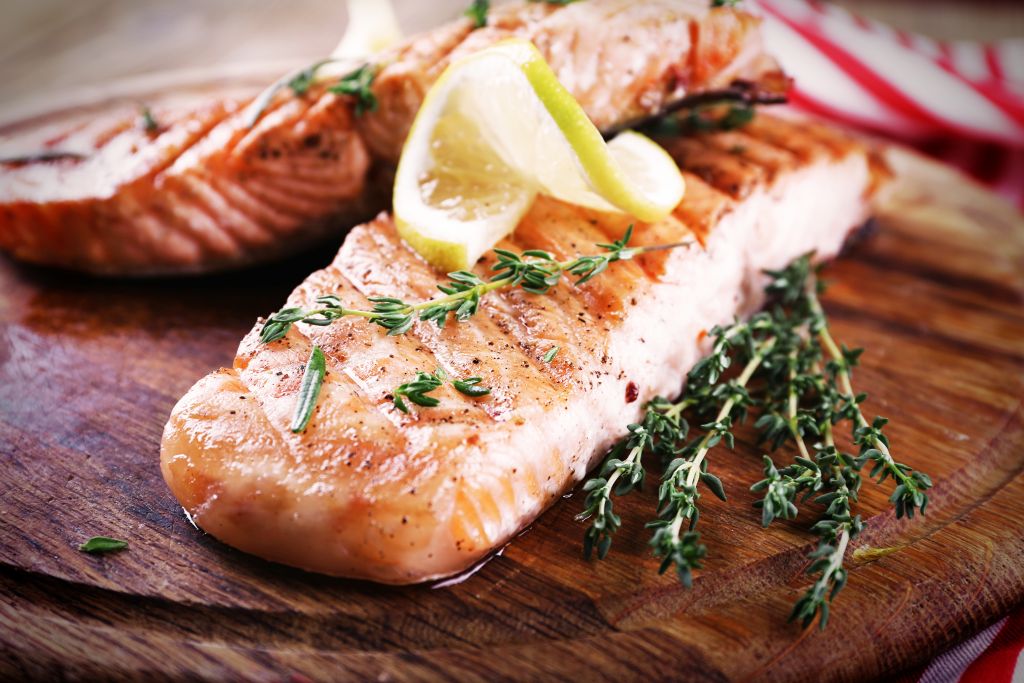
Wild-caught fish such as salmon, mackerel, and sardines are excellent sources of omega-3 fatty acids. These healthy fats support balanced immune function and promote cellular sensitivity to thyroid hormones, which are important factors for maintaining healthy endocrine function.
Beef liver, fish, and eggs are excellent sources of vitamins D and A, which support immune function, mood regulation, and energy levels. These nutrients also promote healthy adrenal glands by helping regulate cortisol balance, which is critical in thyroid function.
Selenium-rich foods such as Brazil nuts, yellowfin tuna, sardines, beef steaks, nutritional yeast, eggs, and cottage cheese are also highly beneficial for individuals with hypothyroidism.
Selenium is a vital trace mineral that plays a critical role in thyroid hormone production as it’s an enzymatic cofactor needed to convert T4 into its active form, T3.
“In addition to its role in thyroid hormone production, selenium decreases antibodies that attack proteins involved in thyroid hormone production, which are often elevated in thyroid conditions such as Hashimoto’s,” explains Dr. Berg.
Sea vegetables such as sea kelp and nori are natural sources of iodine, which is vital for thyroid hormone synthesis.
Foods to avoid for hypothyroidism
Certain foods can exacerbate hypothyroidism symptoms by interfering with thyroid hormone production and thyroid gland function.
Here are foods that can worsen hypothyroid function and should be avoided.
1. Gluten-containing grains
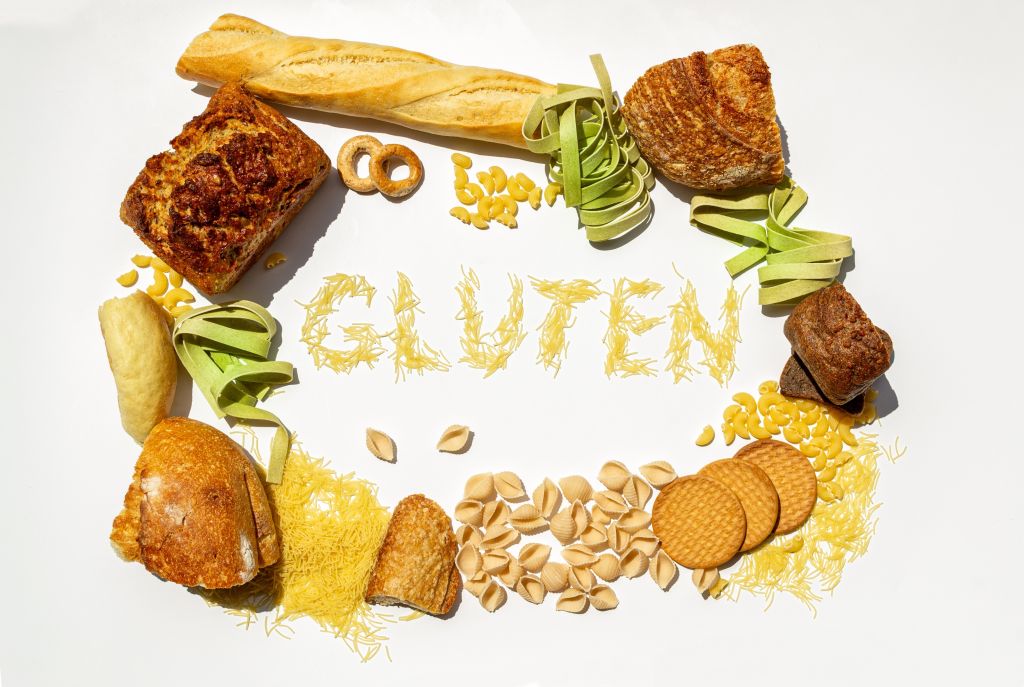
Gluten-containing grains, such as wheat, barley, and rye, are especially problematic for thyroid health, particularly for those with autoimmune Hashimoto’s thyroiditis.
Gluten contains a protein that has a similar structure to a protein found in thyroid tissue, and gluten intake can mistakenly activate the immune system to attack the thyroid in an attempt to eliminate gluten from the body.
2. Ultra-processed foods
Additionally, ultra-processed foods such as ready-made meals, fast foods, and fried foods should be avoided.
These food products are typically packed with refined starches, added sugars, and unhealthy seed oils that can disrupt insulin balance, promote inflammation, and worsen hypothyroidism symptoms.
3. Goitrogenic foods
Goitrogens are naturally occurring compounds that can interfere with thyroid hormone production by blocking iodine absorption.
Foods high in goitrogens include cassava, lima beans, sorghum, sweet potato, flax seed, millet, soy, and onions.
While cruciferous vegetables also contain goitrogens, cooking significantly reduces their likelihood of impacting thyroid function.
Cooking methods, such as steaming, boiling, or sautéing, can deactivate many of the goitrogenic compounds, making these highly nutritious vegetables safe in moderation for those with thyroid concerns.
Tips for doing keto if you have hypothyroidism
Adopting a ketogenic diet while managing hypothyroidism can offer several benefits, but it’s essential to approach it cautiously to avoid exacerbating thyroid symptoms.
Here are some tips to help you incorporate keto safely if you have hypothyroidism.
1. Gradually lower carbohydrate intake
Hypothyroidism can make your body more sensitive to sudden metabolic changes. Instead of abruptly cutting carbs, gradually decrease your intake over a few weeks.
Gradual carb reduction can help your body transition smoothly into ketosis while minimizing the risk of triggering stress responses, such as increased cortisol production, which can suppress thyroid function.
2. Ensure adequate caloric intake
Ensure you’re consuming enough calories to support your basal metabolic rate (BMR), which is the energy your body requires to maintain vital functions such as breathing, circulation, and cell repair.
Undereating can slow your metabolism, a risk already heightened in hypothyroidism, which can further suppress thyroid hormone production and reduce energy levels.
Use a BMR Calculator or KETO Calculator to better understand your energy expenditure and ideal macronutrient levels.

3. Stay hydrated and replenish electrolytes
Keto can initially lead to increased water and electrolyte loss, resulting in dehydration and nutrient imbalances that can exacerbate hypothyroid symptoms.
To support hydration and mineral balance, drink plenty of water and prioritize whole foods rich in sodium, potassium, and magnesium, such as leafy greens, avocados, sea salt, and nuts, to replenish electrolytes.
You can also make your own whole food electrolyte drink using natural ingredients to help maintain electrolyte levels without added sugars or synthetic additives.
4. Practice intermittent fasting
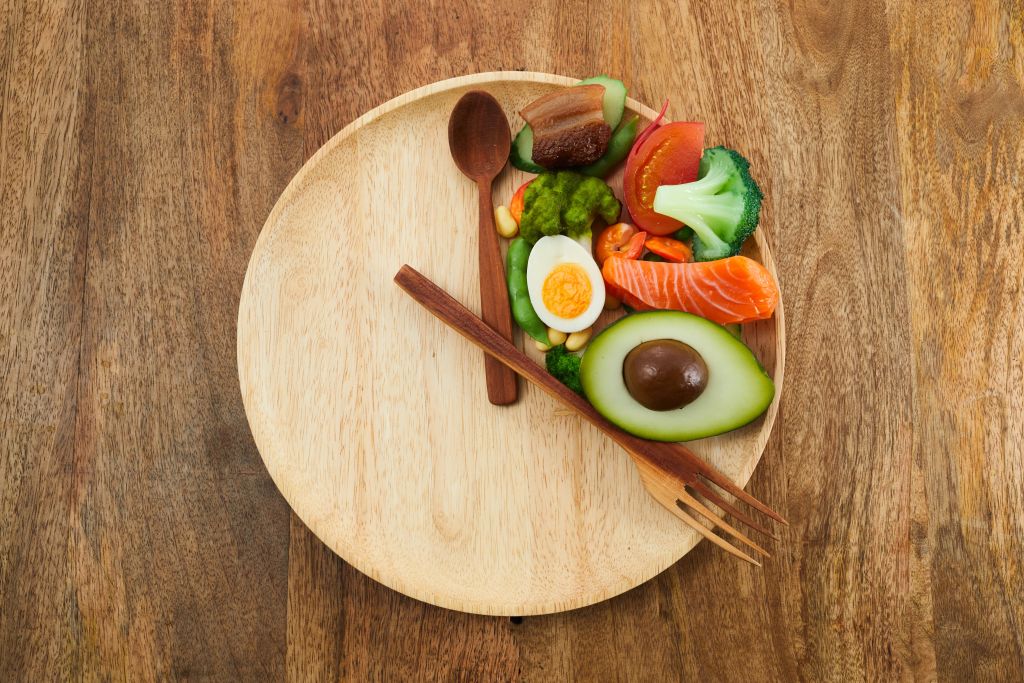
Intermittent fasting can complement a keto lifestyle by promoting insulin sensitivity and autophagy, a natural regenerative state in which the body recycles and repairs damaged cellular material.
However, if you have hypothyroidism, start gradually to avoid potential disruptions to thyroid function. Begin with shorter fasting windows and listen to your body’s responses.
Consulting a healthcare provider familiar with both hypothyroidism and intermittent fasting can help you tailor a safe and effective approach.
Key takeaways
- Hypothyroidism is often linked to Hashimoto’s thyroiditis and can lead to fatigue, weight gain, and slowed metabolism.
- A well-formulated Healthy Keto®, combined with adequate hydration, nutrient balance, optimal electrolyte intake, and intermittent fasting, may help promote thyroid hormone production, improve energy levels, and support weight management.
- Nutrient-dense keto foods, such as wild-caught fish, eggs, liver, Brazil nuts, and sea vegetables, can help support thyroid hormone levels and immune balance.
- Individuals with hypothyroidism should avoid processed foods, gluten-containing grains, and excess goitrogens that may interfere with thyroid hormone production.
FAQ
- 1. Are keto and hypothyroidism a bad combo?
- 2. Is a keto diet safe for hypothyroidism?
- 3. Can keto cause hypothyroidism?
- 4. Which diet is best for hypothyroidism?
- 5. Can you reverse hypothyroidism with diet?
- 6. Are ketones good for thyroid health?
- 7. Can I do fasting with hypothyroidism?
Source
Related Articles
-
Fasting Hunger Waves: How to Ride Them Out
 Diet
DietFasting Hunger Waves: How to Ride Them Out
At a glance Intermittent fasting may support weight loss, fat burning, and metabolic health by lowering insulin levels and shifting the body toward using fat stores for fuel. Fasting hunger…09/10/2026 -
Why You Crave Carbs and How to Reduce Cravings
 Nutrition
Why You Crave Carbs and How to Reduce Cravings
At a glance Carb cravings are often influenced by blood sugar regulation, hormone activity, and nutrient status. These cravings are not always driven by hunger and may reflect underlying metabolic…07/16/2026 -
Why You Feel Hungry: The Role of Hunger Hormones
 Keto
KetoWhy You Feel Hungry: The Role of Hunger Hormones
At a glance Hormones are chemical messengers that regulate appetite, satiety, and energy homeostasis. Key hunger hormones, such as ghrelin, leptin, and insulin, signal when to eat and when to…05/15/2026 -
Craving Chocolate? Here’s What It Could Mean
 Deficiencies
Craving Chocolate? Here’s What It Could Mean
At a glance Regular chocolate cravings may signal estrogen imbalances, elevated cortisol levels, or depleted magnesium stores. Choosing organic dark chocolate with higher cacao content can help satisfy cravings while…04/03/2026 -
Nitric Oxide and Viagra: What’s the Connection?
 Health concerns
Nitric Oxide and Viagra: What’s the Connection?
At a glance Nitric oxide is a key signaling molecule that relaxes blood vessels, improves circulation, and supports sexual functions. Viagra works by prolonging the effects of nitric oxide, which…03/19/2026 5.9k views -
Why Am I Feeling Weak and Shaky? 7 Possible Causes
 Health concerns
Why Am I Feeling Weak and Shaky? 7 Possible Causes
At a glance Feeling weak and shaky can indicate poor blood sugar regulation, dehydration, electrolyte imbalances, or nutrient deficiencies, which can disrupt normal energy production, nervous system signaling, and muscle…03/12/2026 -
How Estrogen Levels Change During Menopause
 Health concerns
How Estrogen Levels Change During Menopause
At a glance Estrogen levels fluctuate before menopause and decline after a woman’s final period, shaping how the body functions during midlife and beyond. These changes can trigger common menopausal…03/06/2026 10.4k views -
What Is Polycystic Ovarian Syndrome (PCOS)?
 Health concerns
What Is Polycystic Ovarian Syndrome (PCOS)?
At a glance Polycystic ovarian syndrome (PCOS) is a hormonal condition characterized by immature ovarian follicles that can disrupt ovulation, menstrual cycles, and fertility. The condition is closely linked to…03/06/2026 42.3k views -
Iodine Deficiency and Ovarian Cysts: Is There a Connection?
 Health concerns
Iodine Deficiency and Ovarian Cysts: Is There a Connection?
At a glance Iodine deficiency has been linked to the development of ovarian cysts due to its effects on thyroid function, hormonal balance, and follicle development. Adequate iodine levels support…02/20/2026 52.6k views -
Dark Spots on Skin: Causes and Natural Remedies
 Health concerns
Dark Spots on Skin: Causes and Natural Remedies
At a glance While dark spots on skin are a normal part of aging, they may also reflect poor lifestyle and dietary habits, and can be improved with targeted changes.…01/22/2026 6.5k views


