

At a glance
Intermittent fasting is an eating pattern that alternates between periods of fasting and eating to help the body transition into a fat-burning state. It supports metabolic health by lowering blood sugar and insulin levels, promoting ketosis, and encouraging the body to utilize stored fat as an energy source. This approach may also help improve cognitive function, insulin sensitivity, and overall well-being when paired with nutrient-rich foods and proper hydration.
What is intermittent fasting, and should you consider doing it?
The 16:8 fast is a popular intermittent fasting pattern that triggers profound metabolic changes that can help your body burn fat stores, increase insulin sensitivity, lower blood pressure, and enhance cellular regeneration.
Learn how to start intermittent fasting and discover why restricting your calorie intake for prolonged periods can unlock your health goals.
What is intermittent fasting?
Intermittent fasting is an eating pattern that alternates between fasting and time-restricted eating periods.
There are several different types of intermittent fasting patterns:
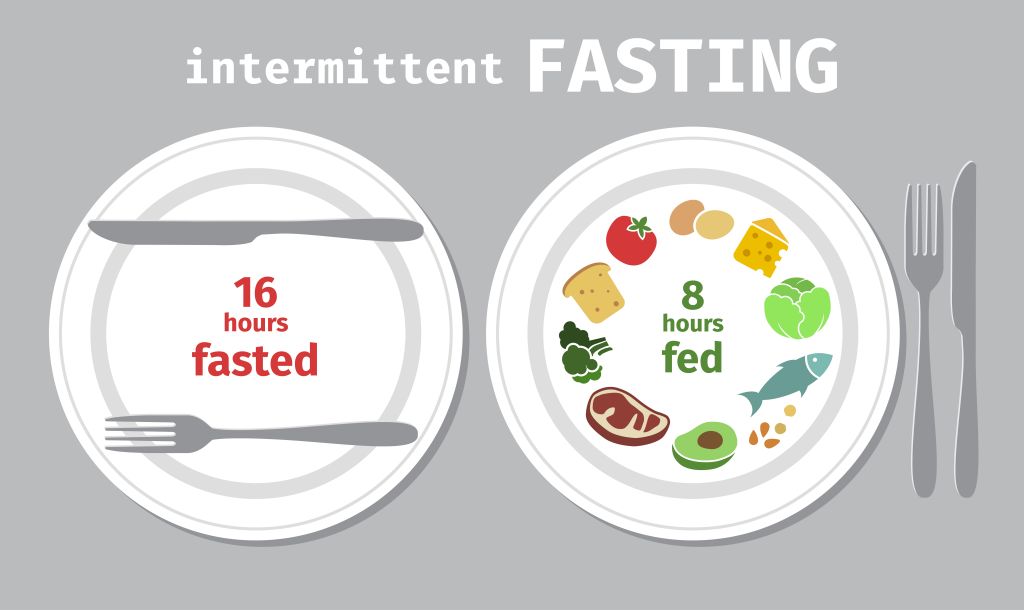
- The 16:8 intermittent fasting plan involves 16 hours of fasting followed by an eight-hour eating period.
- The alternate-day fasting plan is characterized by fasting every other day, where you consume no calories or drastically reduce your calories consumed to around 500 to 600 calories.
- The 5:2 fasting approach involves eating normally for five days a week and restricting calorie intake to around 500 to 600 calories on two non-consecutive days.
“Because of its simplicity, many people find the 16:8 eating pattern easy to follow and sustainable in the long run,” explains Dr. Berg. “It’s the most popular intermittent fasting plan and a perfect addition to a keto lifestyle.”
Watch the video below to learn important intermittent fasting basics for beginners.
Benefits of intermittent fasting
An intermittent fasting eating pattern triggers profound metabolic changes and pushes your liver to convert stored body fat into energy.
As your body breaks down fats, large amounts of ketones are released. Ketones are a metabolic by-product of fat-burning and a highly-efficient energy source for your cells, tissues, and organs.
When ketones enter your circulation and start to fuel your cells, you reach a metabolic state known as ketosis. Ketosis doesn’t just support weight loss and help maintain a healthy body weight—it also has impressive benefits for your health and longevity.
Intermittent fasting works by keeping blood sugar and insulin levels low, which has a wide range of hormonal and metabolic benefits, especially in combination with a low-carb diet like Healthy Keto®.
Research published in Clinical Nutrition and Metabolic Care found that intermittent fasting can help significantly improve insulin resistance, a metabolic imbalance linked to diabetes, high blood pressure, and excessive abdominal fat, also known as belly fat.1
Fasting helps with brain health, too! It has shown to improve cognitive function and memory recall.
In addition, there is evidence that continuous calorie restriction triggers autophagy, a cellular process of breaking down and recycling damaged or dysfunctional cellular components.
While intermittent fasting has many health benefits, it may not be suitable for everyone.
Individuals with a history of eating disorders, those who struggle to gain weight, and pregnant or breastfeeding mothers should avoid continuous calorie restriction or discuss fasting with a healthcare provider.

How to get started
The key principle of intermittent fasting is to avoid food and calorie-containing beverages during your fasting period, which forces your metabolism to tap into stored body fat to generate energy.
If you’re contemplating intermittent fasting for weight loss, the urge to immediately practice prolonged fasts to maximize your results may be strong. However, fasting for too long, too quickly, is the most common mistake when starting intermittent fasting.
Your metabolism needs time to adapt to fasting. Easing slowly into an intermittent fasting schedule lets your body get used to metabolic and hormonal changes and allows you to tweak your lifestyle to time-restricted eating.
It’s generally recommended to start with a 14-hour fast followed by a ten-hour eating window, and gradually prolong your fasting periods. While some individuals can achieve a 16:8 fasting pattern within a week or two, others may take a month to reach this goal.
As you extend your fasting periods, you can skip breakfast and cut the number of meals from three to two. This is typically the point when most people see significant changes in their well-being, body weight, and energy levels.
Another critical aspect of successfully transitioning into an intermittent fasting routine is breaking snack habits. Snacking, even on low-calorie or healthy foods, during your fasting window can break your fast and reduce the metabolic benefits of calorie restriction.
While it may seem challenging to stay clear of snacks during the early stages of fasting, your hunger sensations and cravings will diminish once your body adapts to burning body fat as a fuel source.
Tips for intermittent fasting beginners
Intermittent fasting has helped millions of people worldwide to take charge of their well-being, improve a wide range of health issues, and achieve a healthy body weight.
However, reaching your health goals with intermittent fasting requires more than simply restricting your eating times. It’s equally important to consider what you eat.
Consuming processed foods high in sugar, carbs, and harmful trans fats during your eating window can significantly slow down or even prevent fasting success.
Here are four practical tips for intermittent fasting beginners.
1. Eat nutrient-rich foods
Limiting meals and eating fewer calories can lead to a lower intake of essential nutrients, and it’s important to consume nutrient-rich foods daily to avoid nutrient deficiencies that may impact your health.
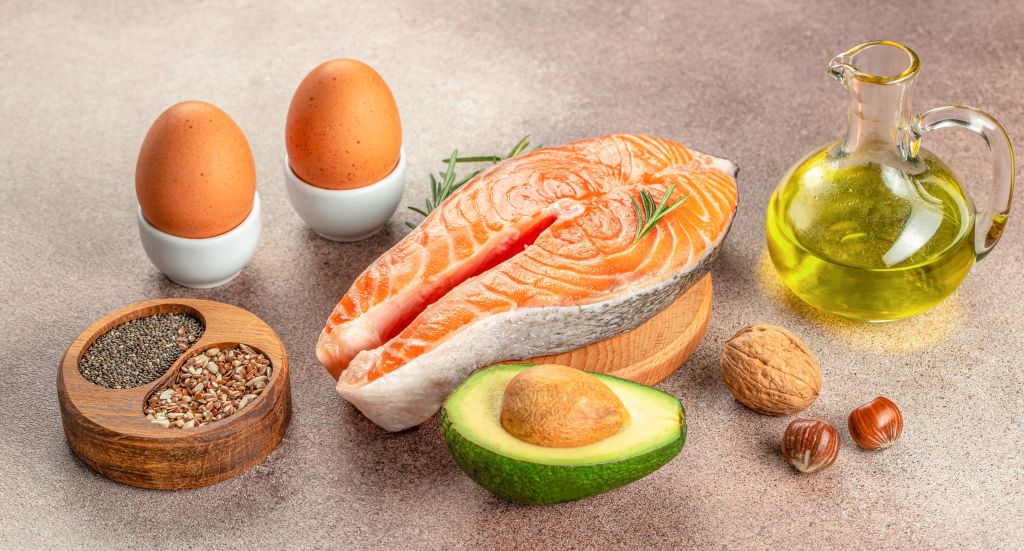
Combining intermittent fasting with a healthy diet low in carbs, high in healthy fats, and rich in nutritious vegetables, organic dairy, and grass-fed meats is an excellent way to promote optimal nutrition while maintaining fat burning.
2. Drink plenty of fluids and replenish electrolytes while fasting
Fasting stimulates the depletion of glycogen, which can cause fluid loss and electrolyte imbalances linked to an increased risk of kidney stones.
Drinking plenty of fluids and replenishing electrolytes while fasting is crucial for fasting success and minimizes side effects such as headaches, lack of energy, and brain fog.
Here are calorie-free drinks that you can enjoy during your fasting window:
- Water
- “The Benefits of Black Coffee: Energy, Weight Loss, and More.” Dr. Berg. https://www.drberg.com/blog/health-benefits-black-coffee
- “Herbal Tea and Fasting: Will It Break It? | Dr. Berg.” Dr. Berg. https://www.drberg.com/blog/does-herbal-tea-break-fast
- Black and green tea
- Unsweetened flavored seltzer water
- Sparkling water
- “Apple Cider Vinegar and Cranberry Juice Explained | Dr. Berg.” Dr. Berg. https://www.drberg.com/blog/make-your-own-weight-loss-drink
Drinking lemon water is an excellent fasting hack to support kidney function. Lemons are a rich source of acetic acid, a natural acid that stops dietary oxalates from forming calcium oxalate crystals, the leading cause of kidney stones.
You can also add ginger and cinnamon to your tea or coffee to add extra flavor without breaking your fast.
In addition, it’s crucial to replenish electrolytes by adding a high-quality electrolyte powder (sugar-free) to your water while fasting.
Electrolyte imbalances and dehydration are among the most common reasons for keto-flu symptoms and are linked to weakness, lightheadedness, muscle cramps, and headaches. Water fasting isn’t recommended because it can increase your risk of electrolyte imbalance.
3. Consume enough healthy fats
Although it may seem counterintuitive, not eating enough fat can slow down weight loss.
Following a nutritious high-fat diet like Healthy Keto can speed up your body’s adaptation to fasting and amplify the benefits of time-restricted eating.
Restricting carbs and sugars and eating plenty of healthy fats on the keto food list helps to keep your metabolism in fat-burning mode during your eating window.
Maintaining ketosis enhances the metabolic advantages of fasting, maximizes fat burning, and has been found to significantly improve body composition in overweight adults.
In addition, eating a high-fat meal before starting your fasting period increases satiety and curbs hunger and cravings, which explains why individuals on a high-fat diet typically achieve longer fasting periods.
4. Bulletproof coffee
Drinking bulletproof coffee while fasting promotes ketosis and fat burning and can help extend your fasting periods.
Bulletproof coffee is a keto-friendly beverage containing black coffee, medium-chain triglycerides (MCT), and unsalted butter. Although it’s not calorie-free, bulletproof coffee has no carbs and won’t impact blood sugar or insulin levels, keeping your metabolism in a natural fasting state.
MCTs are a type of fatty acid that’s rapidly converted into ketones, which promotes ketosis and supports steady energy levels during your fasting period.
Many people who practice intermittent fasting use bulletproof coffee for a welcome caffeine boost while fasting and report that they can fast for more extended periods.
This anecdotal evidence is backed by science. Research published in Fats and Satiety suggests that MCTs are the most satiating fatty acids and help diminish hunger during periods of continuous energy restriction.2
Key takeaways
- Intermittent fasting is an eating pattern that alternates between periods of fasting and eating, allowing the body to utilize stored fat for energy.
- Common fasting schedules include the 16:8 method, alternate-day fasting, and the 5:2 approach, with the 16:8 plan being the most popular for its simplicity and sustainability.
- This practice supports a healthy metabolism by lowering blood sugar and insulin levels, promoting ketosis, and enhancing fat burning, ultimately promoting overall well-being.
FAQ
- 1. How do you start intermittent fasting?
- 2. How many hours a day should I do intermittent fasting?
- 3. What does intermittent fasting actually do?
- 4. What am I allowed to eat during intermittent fasting?
- 5. What am I allowed to drink during intermittent fasting?
- 6. How do you do intermittent fasting for weight loss?
- 7. How long must you do intermittent fasting to see health benefits?
- 8. Is it better to fast for 12 or 16 hours?
- 9. What is fasting, and how do you do it?
- 10. What are the basic rules of intermittent fasting?
- 11. How long is it safe to fast for?
- 12. Why do people do fasting?
- 13. What are the best hours to do intermittent fasting?
- 14. How much weight can you lose in a month with intermittent fasting?
Sources
- https://www.ingentaconnect.com/content/wk/cocnm/2016/00000019/00000004/art00011 ↩︎
- https://www.ncbi.nlm.nih.gov/books/NBK53550/ ↩︎
Related Articles
-
Fasting on Workdays: A Practical Approach
 Diet
DietFasting on Workdays: A Practical Approach
At a glance Time-restricted eating may be one of the most practical forms of intermittent fasting for busy workdays. When paired with the right dietary strategy, a consistent fasting schedule…09/24/2026 -
What to Eat After a 72-Hour Fast and What to Avoid
 Diet
DietWhat to Eat After a 72-Hour Fast and What to Avoid
At a glance A 72-hour fast shifts the body toward greater reliance on stored fat and changes how nutrients are handled when eating is resumed. Reintroducing food afterward can affect…09/18/2026 -
Fasting Hunger Waves: How to Ride Them Out
 Diet
DietFasting Hunger Waves: How to Ride Them Out
At a glance Intermittent fasting may support weight loss, fat burning, and metabolic health by lowering insulin levels and shifting the body toward using fat stores for fuel. Fasting hunger…09/10/2026 -
7 Common Intermittent Fasting Myths Debunked
 Diet
Diet7 Common Intermittent Fasting Myths Debunked
At a glance Intermittent fasting is an increasingly popular dietary pattern that is often misunderstood. Many common concerns surrounding intermittent fasting, including muscle loss, hormonal disruption, and metabolic slowdown, are…09/03/2026 -
What Is Time-Restricted Eating?
 Diet
DietWhat Is Time-Restricted Eating?
At a glance Time-restricted eating is a form of intermittent fasting that limits meals to a consistent daily eating window. This approach focuses on when food is consumed rather than…08/13/2026 -
Does Intermittent Fasting Affect Your Metabolism?
 Diet
DietDoes Intermittent Fasting Affect Your Metabolism?
At a glance Intermittent fasting impacts metabolism by shifting the body towards ketosis, improving insulin sensitivity, and enhancing metabolic flexibility. While fasting can support weight management and metabolic efficiency, results…07/23/2026 -
What Is the Best Meal Timing for Stable Energy?
 Diet
DietWhat Is the Best Meal Timing for Stable Energy?
At a glance Meal timing can influence daily alertness, hunger cues, and blood sugar patterns. The body processes food according to internal rhythms that affect insulin, digestion, and metabolic activity.…07/17/2026 -
Fasting and Cancer: What to Know
 Fasting
Fasting and Cancer: What to Know
At a glance Fasting has been increasingly studied for its potential role in cancer prevention and support during treatment. By influencing cellular metabolism, promoting autophagy, and modulating immune function, fasting…07/16/2026 -
36-Hour Fasting: Benefits, Safety, and How It Works
 Diet
Diet36-Hour Fasting: Benefits, Safety, and How It Works
At a glance A 36-hour fast is a prolonged fasting strategy that shifts the body into ketosis, promoting fat burning, improved insulin sensitivity, and cellular repair through autophagy. These metabolic…06/25/2026 -
Does Fasting Help with Inflammation?
 Diet
DietDoes Fasting Help with Inflammation?
At a glance Fasting is a powerful tool for reducing inflammation and supporting overall health. By promoting fat burning and activating cellular repair processes, fasting can help lower pro-inflammatory markers.…06/05/2026


