

At a glance
You can drink water while fasting, as it contains no calories and helps maintain hydration, kidney function, and toxin elimination. During fasting, glycogen depletion can lead to fluid and mineral loss, making electrolytes such as sodium, potassium, and magnesium essential for maintaining balance. Proper hydration supports energy, prevents fatigue, and helps sustain overall well-being throughout various fasting approaches.
Fasting has many health benefits and has helped countless people achieve a healthy body weight, lower blood pressure, and enhance brain functions.
It’s clear that fasting involves abstinence from solid food, but can you drink water while fasting?
Learn why drinking the right fluids is essential while fasting and how adding sea salt to your water during your eating window can help you get the most out of your fasting practice.
Can you drink water while fasting?
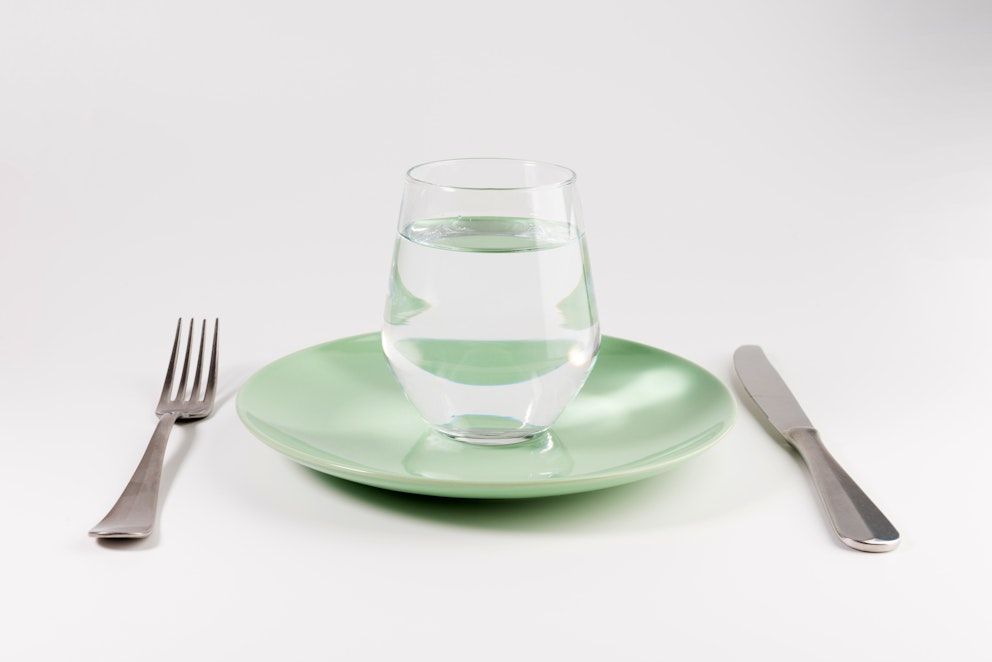
Yes, you can drink water during a fast. Plain water doesn’t contain calories and won’t impact blood sugar levels, making it safe to drink while fasting.
In fact, drinking water during fasting periods is essential to maintaining healthy fluid levels, supporting normal kidney function, and flushing out toxins.
However, plain water isn’t all your body needs during fasting. When you restrict caloric intake to promote fat burning, a process called metabolic switching, your liver triggers glycogen shedding, which can cause fluid loss and electrolyte imbalances.
Glycogen shedding refers to the depletion of glycogen, a form of glucose bound to water that’s stored in muscles and the liver. During fasting periods, glycogen is metabolized, which releases large quantities of water.
When your kidneys eliminate excess fluids, they also excrete essential electrolytes such as sodium, potassium, magnesium, and calcium.
Electrolytes are crucial for maintaining fluid balance, promoting normal muscle and cellular functions, and supporting energy production.
Dehydration and electrolyte imbalances are among the most common causes of fasting-related fatigue, headaches, and muscle cramps.
Here are three different types of fasting and what steps you can take to stay hydrated.
Intermittent fasting
Many people practice intermittent fasting, a popular mealtime schedule that alternates between fasting periods and time-restricted eating windows.
A 16:8 fast, characterized by 16 hours of fasting followed by eight hours of eating, is one of the most common intermittent fasting schedules and a widespread weight loss practice.
Staying hydrated during fasting is essential. Without enough water and minerals, you may experience fatigue, dizziness, or light-headedness.
To stay hydrated and promote balanced electrolyte levels, drink around eight cups (two liters) of water daily, and add small amounts of sea salt, an excellent source of sodium and trace minerals.
In addition, during your eating window, focus on electrolyte-rich foods such as leafy green vegetables, avocados, sea salt, nuts, and seeds to help maintain mineral balance.
You can also make your own natural electrolyte drink using whole food ingredients such as lemon juice, apple cider vinegar, berries, avocado, a pinch of Himalayan sea salt, and water. This drink is excellent for sipping after you break your fast to help replenish essential minerals.
Watch the video below to learn how to stay hydrated while fasting.
Prolonged fasting
Prolonged fasting refers to fasting periods that are typically longer than 24 hours.
Research published in PLOS One found that prolonged fasting can enhance brain function, lower the risk of age-related neurodegenerative disease, increase human growth hormone levels and red blood cell count, and promote a healthy body mass index.1
However, prolonged fasting without adequate fluid intake can cause hyper-concentrated urine and increase the risk of kidney stones.
“I typically recommend drinking between 2 to 3 liters (8 to 12 cups) of water per day during prolonged fasts,” says Dr. Berg. “ Add one to two teaspoons of sea salt to your water, and during your eating window, be sure to include electrolyte-rich foods to help maintain your energy levels.”
Fasting before medical procedures
Fasting for a blood test or medical procedure isn’t the same as prolonged or intermittent fasting and may require you to abstain from food and drinks, including water.
While most fasting blood tests, such as a basic metabolic panel, permit water intake, other tests, such as a renal function panel or cholesterol test, may require you to limit or avoid water intake for 8 to 12 hours before the blood test.
Surgeries or other medical procedures often require dry fasting to ensure that you have an empty stomach, which lowers the risk of nausea, regurgitation, or vomiting.
It’s important to remember that different blood tests and medical procedures have different fasting protocols, and it’s recommended to always check with your healthcare provider about specific guidelines for water intake.
Is it safe to do dry fasting?
Dry fasting is a form of fasting that involves abstaining from both food and water. Compared to water fasting, dry fasting has no additional metabolic benefits and may increase your risk of adverse health effects.
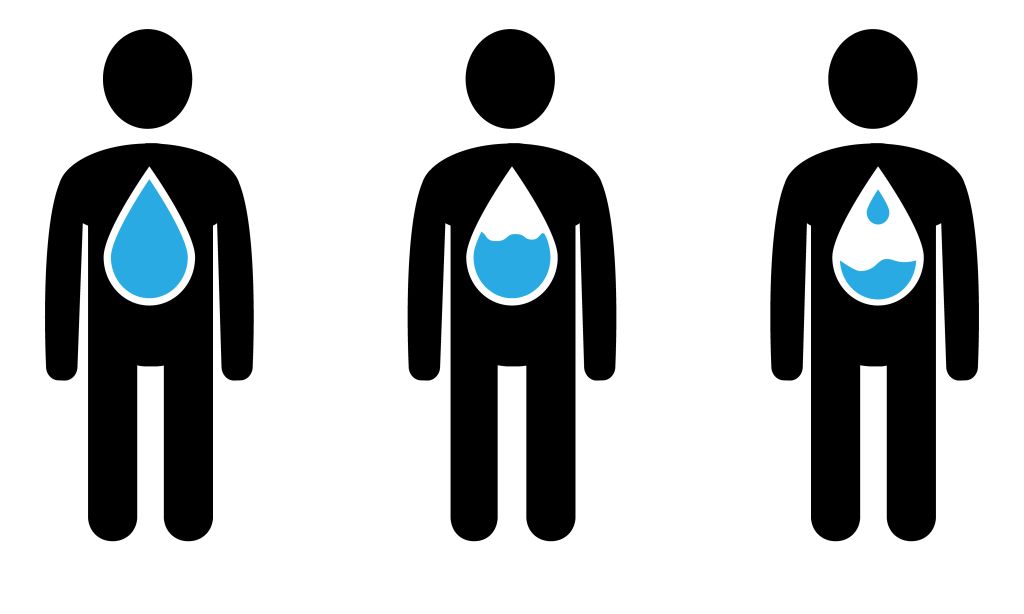
Depriving the body of water for an extended period can result in severe dehydration, electrolyte imbalances, kidney problems, and nutritional deficiencies.
A study published in Sports Medicine found that a body water deficit of more than two percent can reduce blood flow to the brain and skeletal muscles, raise blood pressure, and impair tissue oxygenation.2
How much water should I drink while fasting?
How much water you should drink while fasting depends on your overall health, activity levels, climate, and duration of your fast.
In general, aim to drink around eight cups of water daily during intermittent fasting. Longer fasts may require closer to 8 to 12 cups per day to stay hydrated.
To support fluid balance, consider adding a small amount of sea salt to your water throughout the day. In addition, prioritizing foods naturally rich in electrolytes during your eating window is an excellent strategy to replenish key minerals.

Best drinks to have while fasting
Fasting involves limiting your caloric intake, but that doesn’t mean plain water is the only beverage you can drink.
There are plenty of calorie-free drinks that you can enjoy during your fasting window:
- Herbal tea
- Black and green tea
- Black coffee
- Unsweetened flavored seltzer water
- Sparkling water
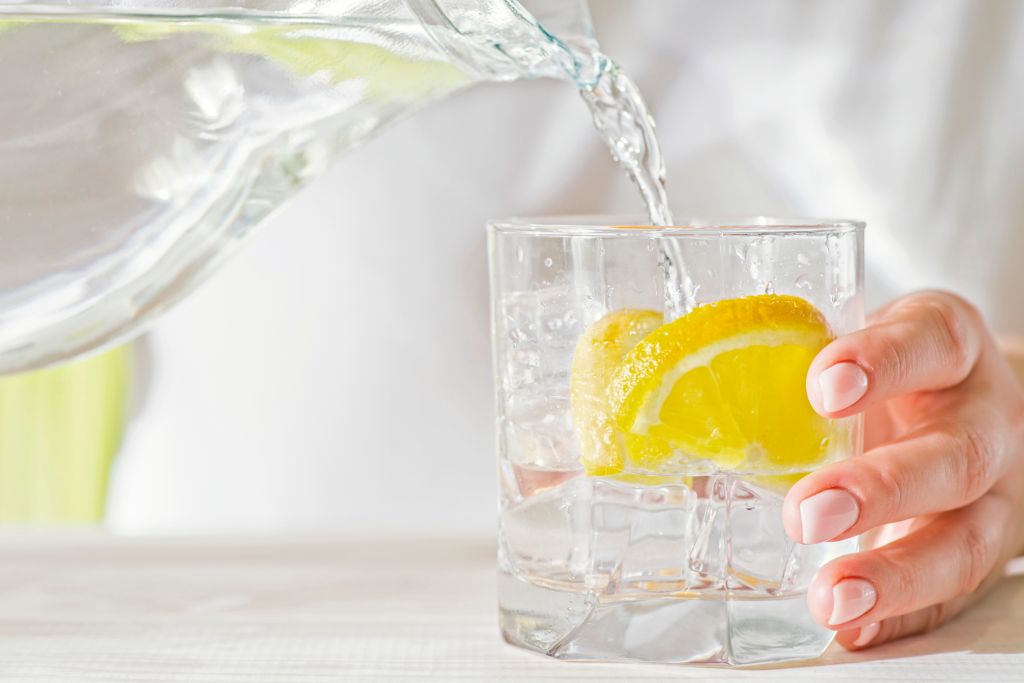
- Lemon water
Lemons support healthy kidney function, and drinking lemon water is essential when fasting. Lemons are a rich source of citric acid, a natural acid that prevents oxalates from forming calcium oxalate crystals, the leading cause of kidney stones.
Although not calorie-free, bulletproof coffee doesn’t break a fast and can help extend fasting periods. It’s carb-free and won’t raise blood sugar and insulin levels, making it a popular drink for people on a keto diet and those who practice intermittent fasting.
Key takeaways
- Drinking water during fasting helps keep the body hydrated, supports healthy kidney function, and aids in flushing out toxins.
- Replenishing minerals with sea salt, avocado, and leafy greens helps prevent dehydration and supports steady energy throughout fasting periods.
- It’s recommended to drink between 8 and 12 cups of water daily, add sea salt to your water, and eat mineral-rich whole foods to help prevent fatigue and muscle discomfort during fasting.
FAQ
- 1. Is water allowed while doing intermittent fasting?
- 2. Is it okay to drink water while fasting?
- 3. What liquids can you drink while fasting?
- 4. Can I drink water before a blood test?
- 5. What happens if you accidentally drink water while fasting for a blood test?
- 6. Does fasting mean no water?
- 7. Does lemon water break a fast?
- 8. Is it safe to fast without drinking water?
Sources
- https://www.ncbi.nlm.nih.gov/pmc/articles/PMC6314618/ ↩︎
- https://www.ncbi.nlm.nih.gov/pmc/articles/PMC4672008/ ↩︎
Related Articles
-
What to Eat After a 72-Hour Fast and What to Avoid
 Diet
DietWhat to Eat After a 72-Hour Fast and What to Avoid
At a glance A 72-hour fast shifts the body toward greater reliance on stored fat and changes how nutrients are handled when eating is resumed. Reintroducing food afterward can affect…09/18/2026 -
Fasting Hunger Waves: How to Ride Them Out
 Diet
DietFasting Hunger Waves: How to Ride Them Out
At a glance Intermittent fasting may support weight loss, fat burning, and metabolic health by lowering insulin levels and shifting the body toward using fat stores for fuel. Fasting hunger…09/10/2026 -
7 Common Intermittent Fasting Myths Debunked
 Diet
Diet7 Common Intermittent Fasting Myths Debunked
At a glance Intermittent fasting is an increasingly popular dietary pattern that is often misunderstood. Many common concerns surrounding intermittent fasting, including muscle loss, hormonal disruption, and metabolic slowdown, are…09/03/2026 -
What Is Time-Restricted Eating?
 Diet
DietWhat Is Time-Restricted Eating?
At a glance Time-restricted eating is a form of intermittent fasting that limits meals to a consistent daily eating window. This approach focuses on when food is consumed rather than…08/13/2026 -
Does Intermittent Fasting Affect Your Metabolism?
 Diet
DietDoes Intermittent Fasting Affect Your Metabolism?
At a glance Intermittent fasting impacts metabolism by shifting the body towards ketosis, improving insulin sensitivity, and enhancing metabolic flexibility. While fasting can support weight management and metabolic efficiency, results…07/23/2026 -
What Is the Best Meal Timing for Stable Energy?
 Diet
DietWhat Is the Best Meal Timing for Stable Energy?
At a glance Meal timing can influence daily alertness, hunger cues, and blood sugar patterns. The body processes food according to internal rhythms that affect insulin, digestion, and metabolic activity.…07/17/2026 -
Fasting and Cancer: What to Know
 Fasting
Fasting and Cancer: What to Know
At a glance Fasting has been increasingly studied for its potential role in cancer prevention and support during treatment. By influencing cellular metabolism, promoting autophagy, and modulating immune function, fasting…07/16/2026 -
36-Hour Fasting: Benefits, Safety, and How It Works
 Diet
Diet36-Hour Fasting: Benefits, Safety, and How It Works
At a glance A 36-hour fast is a prolonged fasting strategy that shifts the body into ketosis, promoting fat burning, improved insulin sensitivity, and cellular repair through autophagy. These metabolic…06/25/2026 -
Does Fasting Help with Inflammation?
 Diet
DietDoes Fasting Help with Inflammation?
At a glance Fasting is a powerful tool for reducing inflammation and supporting overall health. By promoting fat burning and activating cellular repair processes, fasting can help lower pro-inflammatory markers.…06/05/2026 -
Does Chewing Gum Break a Fast?
 Fasting
Does Chewing Gum Break a Fast?
At a glance Whether or not gum breaks a fast depends on its ingredients. Sugary gum raises insulin and can break a fast outright. Some sugar-free gum is acceptable, but…05/29/2026


