

At a glance
Oral probiotics are beneficial microbes that help maintain a balanced environment in the mouth, promoting strong teeth, healthy gums, and fresher breath. Supporting a diverse oral microbiome plays a key role in protecting enamel, modulating normal inflammatory responses, and promoting overall oral well-being.
Oral probiotics are good bacteria that are naturally present in the oral cavity. These beneficial microbes maintain a healthy mouth and support a balanced dental environment, crucial for strong teeth and gums.
Let’s look at three benefits of oral probiotics and find out if you may benefit from taking an oral probiotic supplement.
What are oral probiotics?
While it’s well known that probiotics promote digestive health and immune system function, many people remain unaware of the importance of probiotic bacteria for oral health.
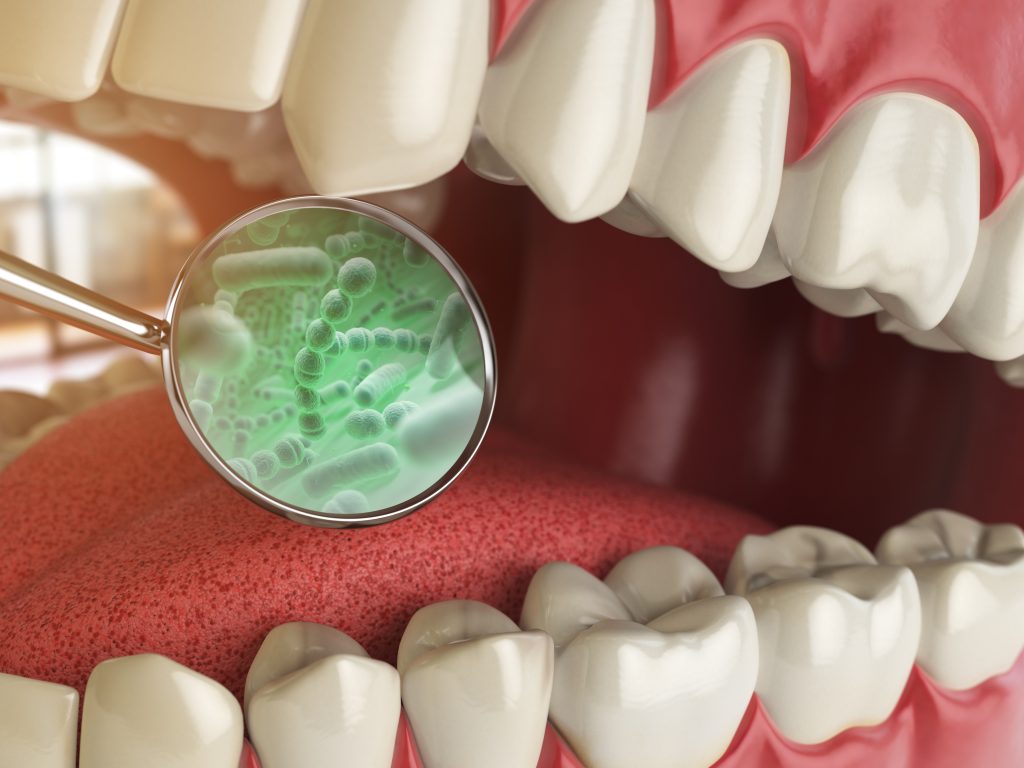
Oral probiotics, also called dental probiotics, are beneficial microbes that naturally reside in the oral cavity. These healthy bacteria and fungi form the oral microbiome, which plays a crucial role in keeping your mouth healthy.
Research published in Nutrients suggests that sugar consumption, smoking, poor oral hygiene, antibiotic drugs, and regular use of antibacterial mouthwash can disrupt the balance of oral microorganisms.
Oral probiotic supplements can provide a convenient and effective way to support a balanced oral microbiome, enhance the integrity of teeth and gum tissue, and contribute to improved overall oral health.
Watch the video below to learn how to maximize the health benefits of probiotic supplements.
3 benefits of oral probiotics
Not only do certain probiotic strains offer oral health benefits, but promoting a diverse oral microbiome can also support a healthy digestive system and contribute to overall well-being.
A study published in Microbiology investigated the relationship between oral probiotics and health and concluded, “The mouth is the gateway to total body wellness, and the oral microbiome influences the oral and overall health of an individual.”
Here are three health benefits of oral probiotics.
1. Promote strong tooth enamel
Oral probiotics help maintain a balanced oral microbiome, which supports the environment needed for strong, healthy enamel.
Beneficial probiotic strains help keep the mouth’s pH in a balanced range, which is vital for maintaining optimal tooth enamel integrity and structure.
Probiotics also help support natural saliva production, which aids in enamel remineralization and helps wash away everyday debris.
By promoting a balanced microbiome and healthier saliva flow, oral probiotics help create conditions that protect and maintain strong enamel.
2. Support gum health
Dental probiotics help maintain a balanced oral microbiome, which supports the natural resilience of the gums and promotes a calmer, less reactive environment in the oral cavity.
“Beneficial probiotic strains have also been found to modulate normal inflammatory responses in the mouth, thereby supporting the integrity and health of gum tissues,” explains Dr. Berg.
Research published in BMC Oral Health summarizes, “Probiotics have been shown to exert beneficial effects on the oral microbiota and support the immune system.”
3. Bad breath remedy
Oral probiotics are an effective natural remedy for combating bad breath by supporting a balanced oral gut microbiome, which is associated with a reduced release of volatile sulfur compounds (VSCs).
VSCs are a leading cause of foul-smelling breath, and many individuals seeking to improve bad breath choose to incorporate oral probiotics into their routine.
Best probiotic strains for oral health
According to research published in Applied and Environmental Microbiology, the two primary types of oral probiotics are Streptococcus and Lactobacillus.
Each strain has unique benefits for oral health, and they work in combination to maintain a balanced oral microbiome.
Some of the best probiotic strains for oral health include:
- Streptococcus salivarius K12
- Streptococcus salivarius M18
- Lactobacillus reuteri
- Lactobacillus salivarius
- Lactobacillus paracasei
- Lactobacillus sakei

How to use oral probiotics
Oral probiotics are available in various forms, including lozenges, mouth rinses, chewable tablets, and liquid probiotic supplements.
The ideal time to take oral probiotics is immediately after completing your nightly oral hygiene routine. This allows sufficient contact time between beneficial bacteria and the gum tissue, ensuring maximum effectiveness.
However, it’s crucial to carefully check the instructions of the probiotic product you plan to use and avoid taking oral probiotics with hot drinks, as heat destroys most microorganisms.
It’s equally important to consider the best form of oral probiotics for your needs.
While probiotic lozenges and mouthwashes can help promote a healthy oral microbiome, they typically don’t deliver significant concentrations of beneficial bacteria into the gut.
Probiotic supplements, on the other hand, can promote microbial diversity in the oral cavity while also supporting a diverse intestinal microflora.

Best natural sources of probiotics for oral health
In addition to taking probiotic supplements to support oral health, there are plenty of probiotic-rich foods you can incorporate into your diet to promote a balanced oral microbiome.
Here are some of the best probiotic foods for oral health:
- “7 Amazing Health Benefits of Sauerkraut | Dr. Berg.” drberg.com. https://www.drberg.com/blog/8-reasons-why-you-should-eat-more-sauerkraut
- Kimchi
- Tempeh
- Natto
- “Kefir vs Yogurt: Benefits and Nutrition Facts | Dr. Berg.” drberg.com. https://www.drberg.com/blog/an-interesting-difference-between-yogurt-and-kefir
- Miso
- Yogurt
Evidence published in Frontiers in Microbiology confirms that regular consumption of probiotic food sources, such as fermented products, is associated with overall better oral health.

How long does it take for oral probiotics to work?
How long it takes for dental probiotics to work depends on the composition of your oral microbiome and your dental hygiene routine.
Minor oral issues such as bad breath or mild gum discomfort typically resolve within two weeks of using oral probiotics.
However, individuals with a significantly imbalanced microbiome in the oral cavity may require several months of consistent oral probiotic use to notice improvements.
Risks of oral probiotics
Oral probiotic supplements are generally well-tolerated and considered safe.
However, individuals with compromised immune systems and those undergoing chemotherapy treatment or taking immunosuppressant drugs shouldn’t take probiotics due to an increased risk of microbial infection.
In addition, some people are allergic to components of probiotic supplements, and it’s crucial to seek immediate medical attention if you develop symptoms such as swelling, wheezing, or shortness of breath after taking oral probiotics.
Key takeaways
- Oral probiotics help balance the oral microbiome, creating an environment that supports strong tooth enamel and healthy saliva flow.
- Beneficial oral probiotic strains can support gum comfort by supporting balanced inflammatory responses in the mouth.
- Increasing microbial diversity in the oral cavity can help reduce volatile sulfur compounds associated with bad breath.
- Different strains, including S. salivarius K12 and M18, as well as several Lactobacillus species, contribute to maintaining oral microbiome balance.
- Lozenges and rinses primarily support the mouth, while probiotic supplements and fermented foods may also promote microbial diversity in the gut.
FAQ
- 1. Is it good to take probiotic supplements every day?
- 2. What are the benefits of oral probiotics?
- 3. What are the disadvantages of oral probiotics?
- 4. What are the best probiotic strains for oral health?
- 5. How long does it take to get rid of bad breath with probiotics?
- 6. Can oral probiotics help with bad breath?
- 7. Do oral probiotics reach the gut?
Sources
- Santonocito S, Giudice A, Polizzi A, Troiano G, Merlo EM, Sclafani R, et al. A Cross-Talk between Diet and the Oral Microbiome: Balance of Nutrition on Inflammation and Immune System’s Response during Periodontitis. Nutrients. 2022;14(12). doi:10.3390/nu14122426 https://pmc.ncbi.nlm.nih.gov/articles/PMC9227938/
- Sharma N, Bhatia S, Sodhi AS, Batra N. Oral microbiome and health. AIMS Microbiol. 2018;4(1):42-66. doi:10.3934/microbiol.2018.1.42 https://pmc.ncbi.nlm.nih.gov/articles/PMC6605021/
- Pedro C Lopes, Ana T P C Gomes, Karina Mendes, Letícia Blanco, Maria J Correia. Unlocking the potential of probiotic administration in caries management: a systematic review. BMC Oral Health. 2024;24:216. doi:10.1186/s12903-024-03893-8 https://pmc.ncbi.nlm.nih.gov/articles/PMC10859023/
- Lee K, Walker AR, Chakraborty B, Kaspar JR, Nascimento MM, Burne RA. Novel Probiotic Mechanisms of the Oral Bacterium Streptococcus sp. A12 as Explored with Functional Genomics. Appl Environ Microbiol. 2019;85(21). doi:10.1128/AEM.01335-19 https://pmc.ncbi.nlm.nih.gov/articles/PMC6803316/
- “Frontiers | Two Faces of Fermented Foods—The Benefits and Threats of Its Consumption.” frontiersin.org. https://www.frontiersin.org/articles/10.3389/fmicb.2022.845166/
Related Articles
-
Probiotics on Keto: Benefits, Strains, and Dosage
 Nutrition
Probiotics on Keto: Benefits, Strains, and Dosage
At a glance Probiotics support a healthy gut microbiome, which plays a central role in digestion, immune function, and metabolic balance. For individuals following a low-carb diet, probiotics may be…02/12/2026 5.6k views -
Keto Poop: How Keto Can Change Your Stool and Why
 Diet
DietKeto Poop: How Keto Can Change Your Stool and Why
At a glance Starting a ketogenic diet can alter stool consistency, frequency, and appearance, often referred to as keto poop. These effects are common and typically indicate that the digestive…02/06/2026 26.2k views -
7 Healthiest Foods and Why Your Body Needs Them
 Nutrition
7 Healthiest Foods and Why Your Body Needs Them
At a glance Eating nutrient-dense, minimally processed foods is crucial for maintaining long-term health, as they support digestion, cardiovascular function, energy production, and immune balance. Discover seven of the healthiest…01/08/2026 41.6k views -
Is Cheese a Good Probiotic?
 Nutrition
Is Cheese a Good Probiotic?
At a glance While various traditionally fermented cheeses contain live cultures that support gut health, many modern cheeses are highly processed or pasteurized, which destroys beneficial bacteria. Choosing raw, unpasteurized,…12/31/2025 5.7k views -
How to Improve Your Gut Health – 10 Natural Ways
 Health concerns
How to Improve Your Gut Health – 10 Natural Ways
At a glance Gut health significantly influences digestion, energy, immunity, and mood, making it essential to support the gut for overall wellness. By adopting a gut-supportive diet and consistent daily…10/03/2025 -
6 Best Supplements for Bloating
 Health concerns
6 Best Supplements for Bloating
At a glance Bloating is a common sign of impaired digestion and may stem from food sensitivities, low digestive fluids, or imbalances in the gut microbiome. Certain supplements and supportive…10/03/2025 -
Ultimate Gut Health Morning Routine
 Health concerns
Ultimate Gut Health Morning Routine
At a glance The gut microbiome plays a central role in digestion, detoxification, immune function, and cognitive function. Establishing a morning routine that supports gut health encourages microbial diversity and…09/25/2025 -
Prebiotics vs. Probiotics: What’s the Difference?
 Health concerns
Prebiotics vs. Probiotics: What’s the Difference?
At a glance Prebiotics are indigestible fibers that feed the beneficial bacteria in your gut, while probiotics are live microorganisms that help maintain a healthy and diverse microbiome. Consuming foods…09/25/2025 -
8 Best Probiotics for Women’s Health
 Nutrition
8 Best Probiotics for Women’s Health
At a glance Incorporating the right probiotics can play a crucial role in women’s health by supporting hormone balance and mood, as well as helping maintain the vaginal and urinary…09/19/2025 -
5 Best Fermented Foods for Gut Health
 Health concerns
5 Best Fermented Foods for Gut Health
At a glance Fermented foods are rich sources of beneficial bacteria that support a balanced gut microbiota, enhance digestion, and support immune and metabolic health. Regularly consuming fermented foods, such…09/18/2025


