

At a glance
Optimal liver function is essential for hormone balance, energy production, digestion, and detoxification. Discover five liver-supportive herbs and learn how your diet and lifestyle choices can enhance liver health and detox pathways.
Optimal liver function is crucial for hormonal balance, energy metabolism, digestive wellness, and detoxification, and herbal remedies have been used for centuries to support this vital organ.
Discover five liver-supportive herbs and learn how making the right dietary and lifestyle choices can support liver function and detox pathways.
Is it possible to cleanse your liver?
The liver is a vital metabolic organ that filters, detoxifies, and eliminates drugs, metabolic and hormonal by-products, heavy metals, and other potentially harmful toxins.
A healthy liver is highly efficient in removing toxins from the body and generally doesn’t require liver cleansing.
However, a liver that doesn’t function optimally can lead to sluggish detoxification, which can impact various physiological functions and affect overall health and well-being.
Unfortunately, research published in JHEP Reports found that a Western-style diet has been linked to an increased risk of poor liver function and associated health issues.
The authors discuss that diets high in fast food and ultra-processed foods (UPFs) lack liver-supportive nutrients and, at the same time, can trigger imbalances that negatively impact hepatic functions.
While it’s generally believed that toxins can accumulate in liver cells and that liver cleansing helps flush out these potentially harmful substances, this isn’t entirely accurate.
The term liver detox really refers to improving and supporting liver health, which naturally enhances detoxification processes and strengthens the body’s ability to eliminate toxins.
Watch the video below to learn how to support a healthy liver.
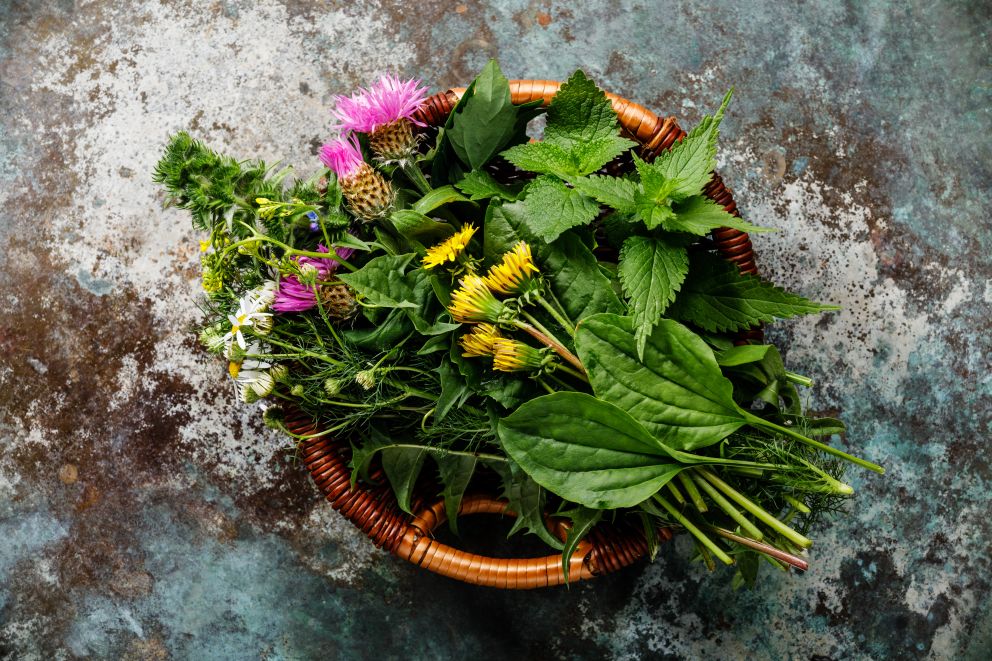
5 herbs for liver health
Several herbal remedies have demonstrated the potential to enhance normal liver function, support liver cells, and promote balanced detoxification pathways.
Here are five of the best herbs for liver support.
1. Milk thistle
Milk thistle extract is a rich source of silymarin, a group of bioactive compounds with potential benefits for overall liver function.
A study published in Annals of Medicine found that silymarin strengthens the body’s capacity to counteract the effects of free radicals, which are unstable molecules generated during detox reactions.
The authors summarize, “Silymarin, also known as Silybi mariani fructus extractum, is an effective antioxidant with antifibrotic, anti-inflammatory, and hepatoprotective properties.”
2. Turmeric root
Turmeric root is an exceptionally rich source of curcumin, a bioactive polyphenol that may enhance liver cell function and help the liver function optimally.
Curcumin has been found to stimulate the production and activity of liver enzymes that facilitate conjugation, a chemical process that renders toxins less harmful and enables their safe elimination from the body.
Curcumin is poorly absorbed and should always be consumed in combination with piperine, a compound in black pepper that enhances the bioavailability and effectiveness of curcumin.
3. Dandelion root
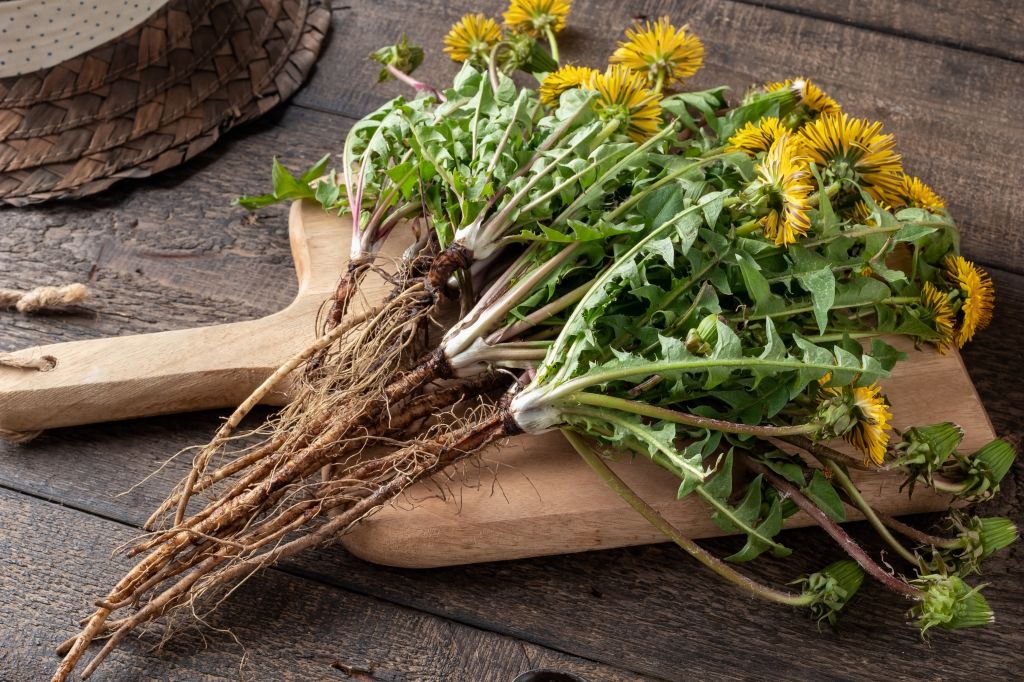
Dandelions have a longstanding use in traditional Chinese medicine to support detoxification and liver function.
Dandelions have choleretic properties, meaning they help stimulate bile production. Bile is crucial for optimal detoxification as it’s required for the transport and elimination of fat-soluble toxins through the digestive tract.
4. Spirulina
Although technically not a herb, spirulina has impressive benefits for liver health.
Evidence published in The Annals of Gastroenterology indicates that regular intake of spirulina, a type of blue-green algae, has been linked to healthy liver cells.
It’s believed that spirulina’s nutrient profile supports overall liver wellness and offers metabolic benefits associated with better liver cell function.
5. Licorice root
Bioactive compounds found in licorice root, such as glycyrrhizin and glycyrrhetinic acid, offer potential antioxidant effects, which may support the body’s detoxification pathways and strengthen the resilience of liver cells.
In addition, licorice root may enhance the activity of detoxification enzymes, helping the liver process and eliminate toxins more efficiently.

Potential side effects and risks
While most herbal remedies for liver support are considered safe and generally well tolerated, it’s essential to be aware of potential side effects and risks.
Certain herbs, including milk thistle, turmeric, and dandelion root, can cause mild gastrointestinal discomfort such as bloating, gas, and abdominal pain, especially if consumed in excessive amounts.
Licorice can cause high blood pressure in some sensitive individuals, and it’s crucial to discuss the use of licorice root with a healthcare provider if you have hypertension or are taking blood pressure medication.
While allergic reactions to herbs are relatively uncommon, there’s always a potential risk, and it’s crucial to seek medical attention immediately if you develop a rash, hives, or breathing difficulties after ingesting any herbal remedy.
It’s also important to be aware of potential drug interactions, and it’s recommended to discuss the use of herbal remedies with a pharmacist if you are taking prescription drugs to minimize the risk of side effects.
More ways to improve your liver health
In addition to taking liver-protective herbs, you can take several other steps to promote the elimination of toxins, protect liver cells, and enhance the overall health of your liver.
Here are four ways to improve your liver health.
1. Follow a ketogenic diet
A low-carb, high-fat diet helps reduce liver fat, making keto an ideal diet to manage liver fat and support liver health.
The ketogenic diet pushes the liver to convert dietary and stored body fat into ketones to fuel the body. This stimulates the increased production of enzymes that speed up the oxidation of fats stored in the liver.
Research published in Cell Metabolism found that following a ketogenic diet reduced liver fat by over 40 percent in obese individuals. The authors concluded, “We observed rapid and dramatic reductions of liver fat and other cardiometabolic risk factors.”
2. Practice intermittent fasting
Combining a nutritious keto diet with intermittent fasting maximizes the fat-burning effects of a low-carb diet and can significantly benefit individuals with poor liver health.
“During fasting periods, the body relies on stored fatty acids as an energy source,” explains Dr. Berg. “This means your liver burns the readily available fat stored in liver cells first to generate fuel for your cells.”
Fasting also stimulates autophagy, a cellular repair mechanism that recycles and removes damaged cell components, which helps protect liver cells and may improve overall liver function.
3. Prioritize choline-rich foods
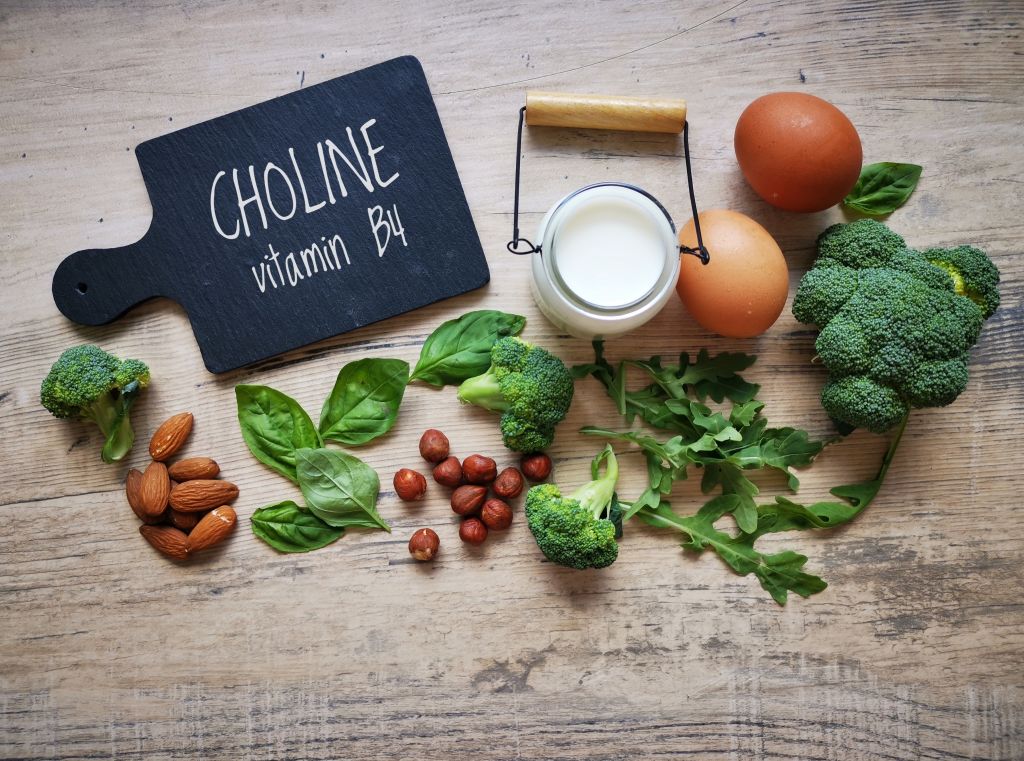
Choline is an essential nutrient needed to generate phosphatidylcholine, a phospholipid that oxidizes fatty acids and converts them into energy.
A lack of adequate dietary choline intake can impair the release and utilization of stored fat from cells, thereby increasing the risk of liver fat accumulation and impaired liver function.
Some of the best dietary sources of choline include eggs, fish, chicken, full-fat dairy, and sunflower seeds.
4. Incorporate bile salts
Bile salts play a crucial role in supporting the health of both your liver and digestive tract.
They emulsify fats and facilitate the binding of certain fat-soluble toxins. This is crucial for moving these compounds through the digestive tract for elimination rather than being reabsorbed in the large intestine.
Tauroursodeoxycholic acid (TUDCA), a natural derivative of bile acid, has been found to support the body’s bile acid pool and associated health benefits.

6 worst herbs for your liver
While various remedies can help promote healthy liver function, other herbs can have harmful and even toxic effects as they may contain compounds that can damage liver cells, especially if taken in large quantities.
Here are six herbs that can potentially harm your liver:
- Kava Kava
- Chaparral
- Germander
- Impila
- Red clover
- St. John’s wort
Key takeaways
- Herbal remedies such as milk thistle, turmeric, dandelion root, spirulina, and licorice root can help support normal liver function.
- These herbs may promote antioxidant activity, healthy bile flow, and balanced detoxification pathways.
- Diet and lifestyle choices, including following a keto diet and practicing intermittent fasting, can play a key role in maintaining liver health.
- Focusing on choline-rich foods and incorporating bile salts may further offer benefits for liver function.
- It’s vital to discuss the use of liver-supportive remedies with a healthcare provider to ensure they’re safe and appropriate for your health goals.
FAQ
- 1. Can herbs help cleanse your liver?
- 2. What are the best liver-cleansing herbs?
- 3. How can I detox my liver naturally?
- 4. How do I cleanse my liver with food?
- 5. What herbs are bad for liver health?
Sources
- https://pmc.ncbi.nlm.nih.gov/articles/PMC10792654/
- https://pmc.ncbi.nlm.nih.gov/articles/PMC9186366/
- https://pmc.ncbi.nlm.nih.gov/articles/PMC4188938/
- https://pmc.ncbi.nlm.nih.gov/articles/PMC6706084/
Related Articles
-
6 Benefits of Vitamin E
 Nutrition
6 Benefits of Vitamin E
At a glance Vitamin E is a fat-soluble vitamin and a powerful antioxidant that protects cells against oxidative stress, free radical damage, and inflammation, all of which contribute to poor…07/03/2026 -
Nitric Oxide and Viagra: What’s the Connection?
 Health concerns
Nitric Oxide and Viagra: What’s the Connection?
At a glance Nitric oxide is a key signaling molecule that relaxes blood vessels, improves circulation, and supports sexual functions. Viagra works by prolonging the effects of nitric oxide, which…03/19/2026 5.9k views -
How to Get Rid of Toenail Fungus – 3 Natural Solutions
 Health concerns
How to Get Rid of Toenail Fungus – 3 Natural Solutions
At a glance Toenail fungus is a common nail infection often linked to environmental exposure to infectious microbes, nail injury, and poor metabolic or immune health. Natural topical solutions and…03/13/2026 33.6k views -
How to Kill Parasites: 7 Natural Tips
 Health concerns
How to Kill Parasites: 7 Natural Tips
At a glance Parasitic infections occur when worms or protozoa colonize the body, often through exposure to contaminated pets, food, or water. These organisms can interfere with digestion and other…03/13/2026 15.1k views -
HPV Skin Tags: Causes and What to Do
 Health concerns
HPV Skin Tags: Causes and What to Do
At a glance While both skin tags and warts can be linked to human papillomavirus (HPV), they differ in appearance and how they affect the body. Targeted dietary and lifestyle…03/13/2026 16.6k views -
4 Asthma Remedies to Try at Home
 Health concerns
4 Asthma Remedies to Try at Home
At a glance Asthma is a chronic inflammatory condition that narrows the airways and makes breathing difficult, especially during asthma attacks. While conventional care is often necessary, natural asthma remedies…03/06/2026 17.6k views -
Too Much Keto Weight Loss? What to Do If You’re Too Skinny
 Diet
DietToo Much Keto Weight Loss? What to Do If You’re Too Skinny
At a glance Keto weight loss often occurs rapidly during the early adaptation phase, primarily due to fluid loss rather than immediate fat reduction. While fat loss is expected, ongoing…03/06/2026 10.2k views -
How to Ease a Sore Throat Quickly Using Acupressure
 Health concerns
How to Ease a Sore Throat Quickly Using Acupressure
At a glance Acupressure offers a simple, hands-on approach to promoting physical comfort, which may help soothe sore throat pain. While it’s not a substitute for a medical evaluation, acupressure…02/27/2026 25.2k views -
What Causes Pale Colored Stool?
 Health concerns
What Causes Pale Colored Stool?
At a glance Pale-colored stool can be linked to low bile flow, low-fat diets, alcohol use, infections, or underlying liver, gallbladder, or pancreatic issues. Supporting gallbladder function through a nutritious…02/26/2026 14.9k views -
Can Low Vitamin D Cause Depression in Teenagers?
 Vitamins
Can Low Vitamin D Cause Depression in Teenagers?
At a glance Vitamin D is essential for brain health, and low levels in teenagers may increase the risk of depression. Insufficient sunlight exposure and poor dietary habits can contribute…02/26/2026 10.8k views


