

At a glance
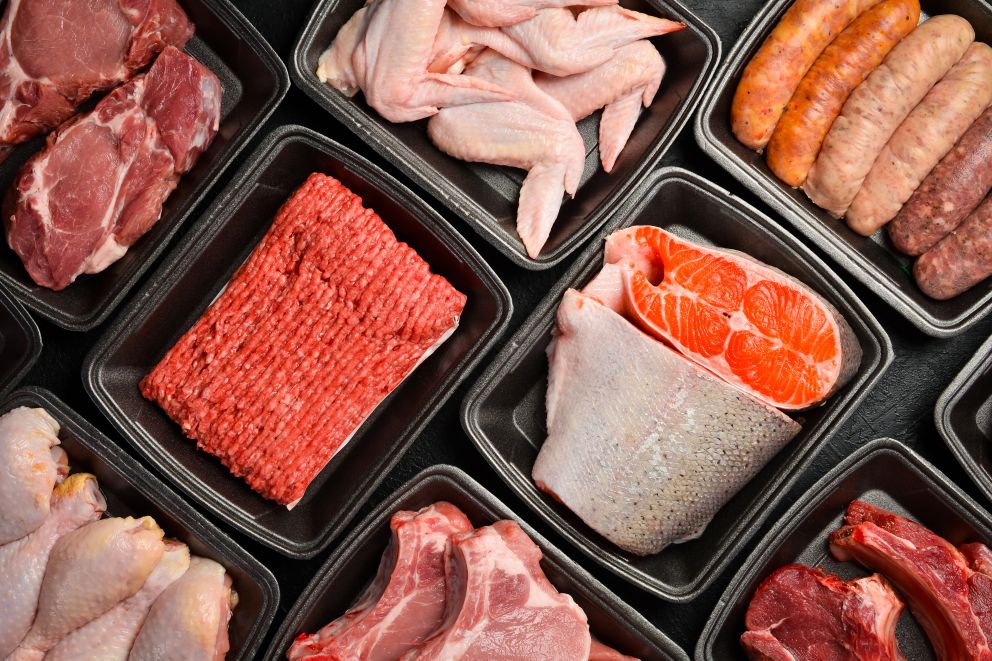
Potassium plays a vital role in maintaining muscle function, nerve signaling, and fluid balance. However, many people are unaware that there’s potassium in meats, which offer varying amounts of this essential mineral. Regularly consuming beef, pork, chicken, and fish can help meet daily potassium needs and support the body’s mineral balance.
Is there potassium in meat? Yes, certain meats offer this essential mineral, which plays a vital role in maintaining muscle contractions, nerve signaling, and the body’s fluid balance.
The amount of potassium in meat varies among beef, pork, chicken, and fish, each offering different concentrations based on the cut and processing methods.
Let’s look at the potassium content of meat and explore how these sources compare to other potassium-rich food sources.
Why is potassium important?
Potassium is an essential mineral that helps regulate the heartbeat rhythm, maintains muscle contractions, and aids in converting carbohydrates into usable energy.
This vital nutrient also plays a critical role as a key electrolyte, helping prevent high blood pressure by balancing the effects of sodium in the body, thereby supporting cardiovascular and circulatory health.
A study published in the Journal of the American College of Nutrition found that sufficient dietary potassium intake has been linked to a lower risk of chronic illnesses, including heart disease.
“Low levels of potassium, known as hypokalemia, can cause fatigue and muscle weakness as they interfere with the body’s ability to support cellular activity and sustain consistent energy production,” explains Dr. Berg.
Although rare, high potassium levels may occur in individuals taking certain medications, including angiotensin-converting enzyme (ACE) inhibitors, which can influence how the kidneys regulate and retain potassium.
Watch the video below to learn how to get enough potassium on a carnivore diet.
How much potassium do you need daily?
Potassium requirements vary by age and gender, which affects how much of this essential mineral the body needs to maintain fluid balance and support normal cellular function.
The National Institutes of Health (NIH) suggests daily potassium intakes of:
- 3400 mg for male adults
- 2600 mg for female adults
Furthermore, a study published in the Journal of the American College of Nutrition reports that potassium deficiency is a widespread issue in the U.S., with data showing a consistent decline in average serum potassium levels among individuals ages 12 to 80 between 1999 and 2016.
During this period, the prevalence of hypokalemia rose sharply, indicating that many individuals were falling short of their daily potassium intake, potentially due to changes in dietary patterns and the mineral content of foods.
Is there potassium in meat?
Yes, meat contains potassium, which is naturally stored in the muscle tissue of animals.
The amount of potassium in meat can vary depending on factors such as the animal’s feed and the method of preparation.
In addition to potassium, high-quality meats provide other essential minerals, including zinc, phosphorus, and iron, which support energy production and cellular repair.
Potassium in different meats compared
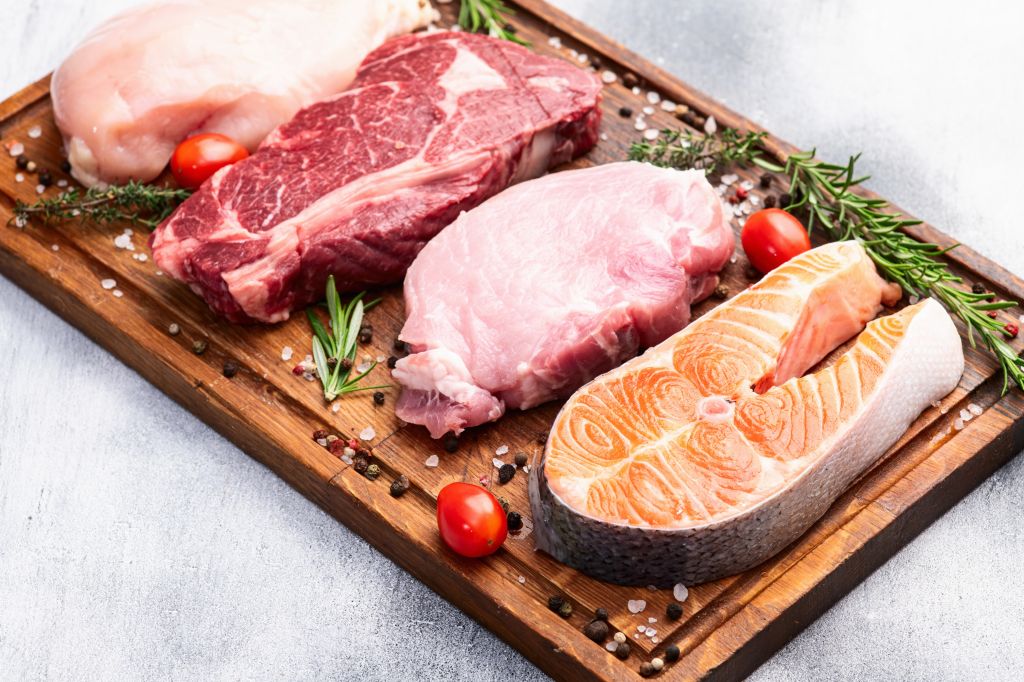
Potassium content varies among meats and depends on both the animal source and how the meat has been processed.
Here is the potassium content of different meat products.
Chicken
Chicken provides a moderate amount of potassium, offering around 220 mg per 100 g (3.5 oz).
Regularly eating chicken breast also provides essential B vitamins and phosphorus that support muscle strength and nerve communication.
In addition to potassium, chicken is also a source of other minerals, including magnesium and selenium, which play a vital role in maintaining various cellular functions.
Beef
Beef contains slightly more potassium than poultry, providing approximately 288 mg per 100 g, which can contribute to the overall intake of this essential electrolyte mineral.
This aligns with research published in Nutrients, which found that individuals who consume beef generally have intakes of vitamin B12, calcium, iron, phosphorus, potassium, total choline, and zinc that are at least ten percent higher than those who do not eat beef.
These nutrients collectively support oxygen transport, facilitate metabolic activity, and promote overall mineral and vitamin sufficiency.
Pork
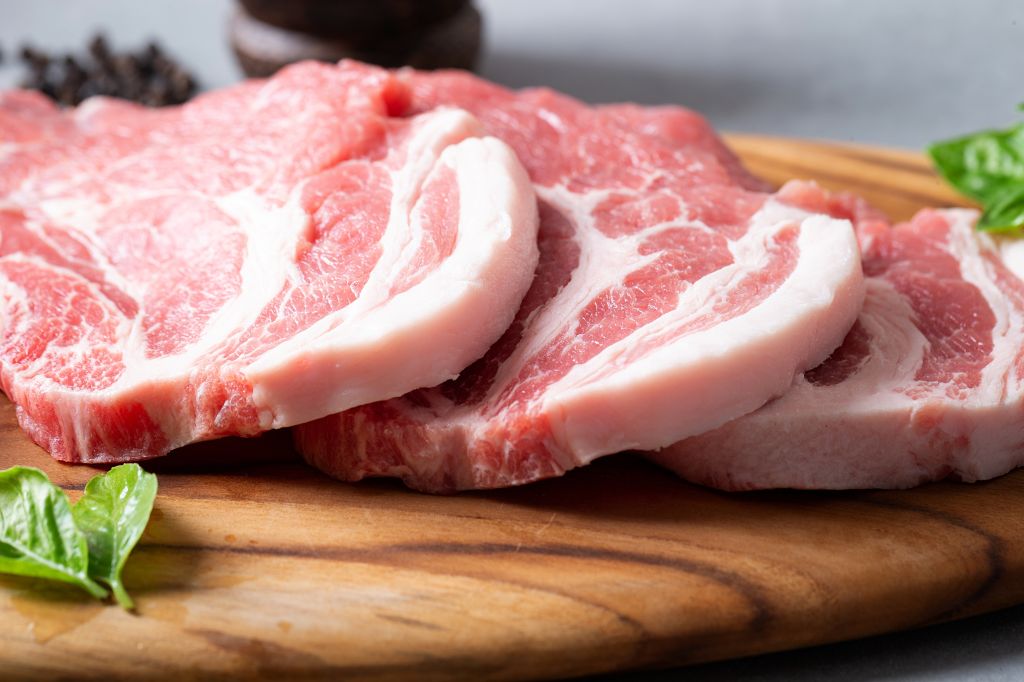
Pork is a notable source of potassium, along with a variety of vitamins and minerals that support energy metabolism and immune function.
In particular, pork loin provides approximately 361 mg of potassium per 100 g, along with thiamine, niacin, zinc, and phosphorus, offering a well-rounded nutrient profile.
However, sodium levels in various pork products can fluctuate based on how they’re processed and seasoned.
Therefore, choosing unprocessed cuts and avoiding deli meats and processed bacon helps maintain nutrient integrity while contributing to a balanced electrolyte intake.
Fish
Fish such as salmon and tuna are notable for their high potassium content and beneficial omega-3 fatty acids, which promote cardiovascular and cellular health.
Raw skipjack tuna provides around 407 mg per 100 g, while wild-caught salmon offers approximately 330 mg, giving both a distinct nutritional advantage.
When paired with leafy greens and other nutritious vegetables, these fish contribute to a nutrient-dense diet that delivers essential minerals and beneficial fats.
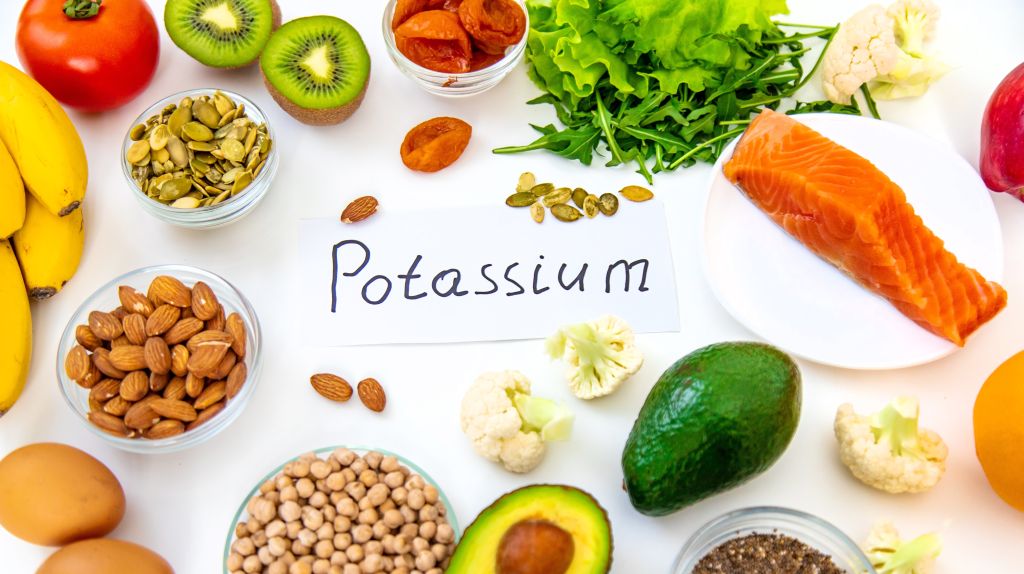
Meat vs. other potassium-rich foods
Meat can support overall potassium intake and provides complete protein and essential minerals, making it a nutritious option for individuals who consume animal-based foods.
However, many plant foods supply significantly higher potassium levels per serving and deliver additional nutrients that complement the health benefits of meat.
Here are a few of the best plant-based potassium sources, per 100 g serving:
- Avocados: 507 mg
- Spinach: 460 mg
- Zucchini: 459 mg
- Swiss chard: 379 mg
- Kale: 348 mg
- Broccoli: 316 mg
In addition to vegetables, dairy products such as milk and yogurt offer potassium alongside calcium, while plant-based beverages like unsweetened soy milk provide moderate amounts.
Unsweetened coconut water also supplies natural electrolytes and supports hydration, while salt substitutes made with potassium chloride can increase intake when used appropriately.
Ultimately, pairing meat with a variety of potassium-rich foods helps ensure a balanced intake of nutrients while allowing for flexible dietary choices.

Tips for maintaining healthy potassium levels
Pairing animal-based sources with seven to ten cups of vegetables each day helps support balanced potassium intake while also promoting the body’s overall nutrient status.
Moreover, limiting processed foods is crucial as they typically contain little to no potassium and often include excess sodium, which can contribute to potassium depletion.
A homemade electrolyte drink made with potassium-rich ingredients can also provide additional support, especially for individuals with increased potassium needs or those following a restrictive eating pattern.
For individuals with certain health conditions, including chronic kidney disease (CKD), it’s important to limit or avoid high-potassium foods, including dried fruits like apricots, bananas, and prunes, as well as starchy vegetables such as potatoes, winter squash, and lima beans.
Finally, staying well hydrated and evenly distributing potassium intake across meals can help maintain stable levels and support the body’s natural electrolyte regulation.
Key takeaways
- Potassium is a vital electrolyte mineral that supports heartbeat rhythm, muscle contractions, nerve transmission, and the body’s overall fluid balance.
- Daily potassium needs vary by gender, with adult males typically requiring 3400 mg and adult females requiring 2600 mg.
- Potassium in meat contributes to daily mineral intake by supplying a natural source of this crucial nutrient through beef, pork, poultry, and fish.
- Pairing meat with plant-based and dairy sources helps maintain healthy blood potassium levels.
FAQ
- 1. What meat is high in potassium?
- 2. Which meat is lowest in potassium?
- 3. Is red meat a good source of potassium?
- 4. Are eggs high in potassium?
- 5. Does cooking reduce the potassium in meat?
Sources
- McGill CR, Fulgoni VL, DiRienzo D, Huth PJ, Kurilich AC, Miller GD. Contribution of dairy products to dietary potassium intake in the United States population. J Am Coll Nutr. 2008;27(1):44-50. https://pubmed.ncbi.nlm.nih.gov/18460480/
- https://ods.od.nih.gov/factsheets/Potassium-HealthProfessional/. National Institutes of Health. Accessed 2026. https://ods.od.nih.gov/factsheets/Potassium-HealthProfessional/
- Sun H, Weaver CM. Rising Trend of Hypokalemia Prevalence in the US Population and Possible Food Causes. J Am Coll Nutr. 2021;40(3):273-279. https://pubmed.ncbi.nlm.nih.gov/32401639/
- Fulgoni K, Fulgoni VL. Beef Intake Is Associated with Higher Nutrient Intake and Nutrient Adequacy in U.S. Adolescents, NHANES 2001-2018. Nutrients. 2023;15(23):4996. https://pmc.ncbi.nlm.nih.gov/articles/PMC10871076/
Related Articles
-
Grass-Fed vs. Grain-Fed: What’s the Difference?
 Food and Drink
Grass-Fed vs. Grain-Fed: What’s the Difference?
At a glance Grass-fed and grain-fed beef differ in how cattle are raised and fed throughout their lives. These feeding practices can influence the nutritional characteristics, flavor, texture, and overall…07/30/2026 -
Carnivore Diet: Weight Loss Tips, Benefits, and Risks
 Diet
DietCarnivore Diet: Weight Loss Tips, Benefits, and Risks
At a glance The carnivore diet relies solely on animal-based foods, eliminating all plants and carbohydrate sources. This shift can support weight regulation, stabilize blood sugar levels, and help lower…02/20/2026 5.3k views -
Red Meat: Benefits and Disadvantages Explained
 Nutrition
Red Meat: Benefits and Disadvantages Explained
At a glance Red meat offers essential nutrients such as protein, iron, zinc, and B vitamins that support muscle repair, energy metabolism, and brain health. However, nutritional quality varies widely,…01/08/2026 7.5k views -
Are Sunflower Seeds Keto-Friendly?
 Keto
KetoAre Sunflower Seeds Keto-Friendly?
At a glance Sunflower seeds are naturally low in net carbs and can be an excellent addition to a nutritious keto diet when used in moderation. Incorporating keto-friendly seeds and…12/08/2025 34.8k views -
10 Healthy Party Foods Everyone Will Love
 Diet
Diet10 Healthy Party Foods Everyone Will Love
At a glance Healthy party foods offer familiar flavors while supporting a low-carb lifestyle built around nutrient-dense ingredients, helping you stick to your health and wellness goals at celebrations. Here…12/05/2025 -
How Much Protein Do I Need?
 Diet
DietHow Much Protein Do I Need?
If you're wondering, "How much protein do I need?" the answer depends on factors such as your weight, body composition, activity level, and health status. Learn how to calculate your…11/28/2025 14.1k views -
Protein Basics: Benefits, Sources, and Daily Intake
 Nutrition
Protein Basics: Benefits, Sources, and Daily Intake
At a glance Protein is a vital macronutrient that supports tissue strength, hormone regulation, and healthy metabolism. Although many foods contain protein, their quality and absorption can vary significantly, making…04/09/2025 22.2k views -
Best Sources of Protein on Keto
 Nutrition
Best Sources of Protein on Keto
At a glance Protein is an essential macronutrient that supports muscle growth, hormone balance, and tissue repair. On a keto diet, the best sources of protein are high-quality, minimally processed…04/09/2025 20.2k views -
Is Hummus Keto-Friendly?
 Keto
KetoIs Hummus Keto-Friendly?
At a glance Hummus is a nutrient-dense dip made from chickpeas, tahini, olive oil, and lemon, and it can fit into a ketogenic diet when consumed in moderation. Although chickpeas…04/09/2025 35.6k views -
Why You Get Sleepy After Eating Protein
 Nutrition
Why You Get Sleepy After Eating Protein
At a glance Eating protein in large amounts can make you feel sleepy as it affects insulin levels, blood sugar balance, and energy-making pathways. Especially lean proteins and refined protein…04/09/2025 18.7k views