


At a glance
Coconut water is the clear liquid found inside young coconuts and is naturally rich in electrolytes, amino acids, and antioxidants. It supports hydration, heart health, and urinary function while offering fewer calories and carbs than sugary drinks. When consumed plain and in moderation, coconut water can fit into a keto lifestyle without disrupting ketosis.
Coconut water is a rich source of natural electrolytes, which promote hydration and support healthy blood pressure and kidney function. But is coconut water keto-friendly?
While small amounts of unsweetened coconut water won’t kick you out of ketosis, many sugar-sweetened coconut water beverages are high in carbs and not keto-approved.
Let’s look at the health benefits of coconut water and find out how to choose a low-carb coconut water that’s safe on the ketogenic diet.
What is coconut water?
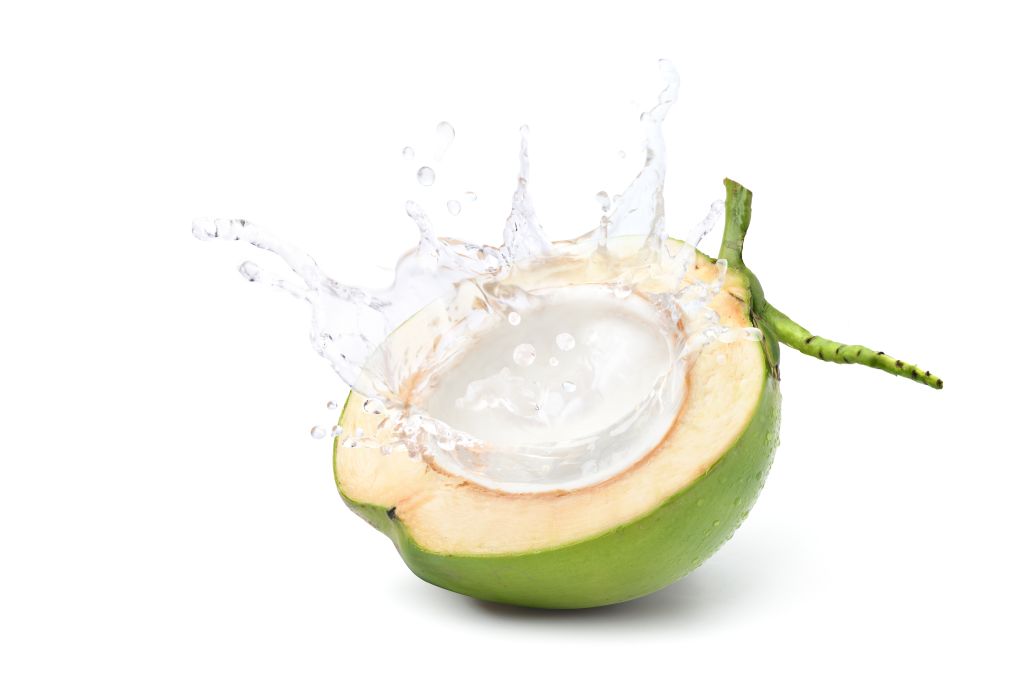
Coconut water is the clear fluid found inside young coconuts. It’s a rich source of nutrients and serves as nourishment for green coconuts as they mature.
This explains why an average green coconut contains significantly more coconut water than ripe coconuts, which have developed a hard and woody outer husk.
Pure coconut water has a refreshing taste with a slightly sweet and nutty flavor and is often consumed as a hydrating beverage in tropical regions.
Coconut water is also an excellent liquid base for smoothies and shakes, can be incorporated into various sweet and savory dishes, and works well in sauces and marinades.
Because of its pleasant taste, high nutrient content, and potential health benefits, coconut water has become a trendy beverage that’s widely available in supermarkets and grocery stores.
It’s important not to confuse coconut water with coconut milk. While coconut water is a clear fluid low in fat, coconut milk is a creamy, high-fat liquid extracted from coconut meat.
Watch the video below to find out if coconut milk is keto-friendly.
Is coconut water keto-friendly?
According to the U.S. Department of Agriculture (USDA), one cup of plain coconut water contains six grams of net carbs, which won’t significantly impact your blood sugar balance or kick you out of ketosis.1
However, don’t forget to include coconut water in your net carb count so you don’t exceed your overall daily carbohydrate limit, which typically ranges between 20 and 50 grams of net carbs per day for most people.
In contrast to plain coconut water, many commercial coconut water beverages are packed with added sugars and can contain as many as 21 grams of net carbs per cup, making them unsuitable for a low-carb diet.
“Be cautious with products labeled tender coconut water, which is derived from very young coconuts and typically contains more carbs than plain coconut water,” explains Dr. Berg.
It’s important to carefully check nutrition labels and opt for low-carb plain coconut water without added sugars.

5 benefits of coconut water
Coconut water is highly nutritious and rich in vitamins, minerals, growth factors, amino acids, and antioxidants.
Research published in the Journal of Pharmaceutical Science notes that coconut water has been used for centuries to support wellness, particularly digestive comfort and urinary tract balance.2
Here are five health benefits of coconut water.
1. Replenishes electrolytes and promotes hydration
Coconuts are rich sources of electrolytes, including potassium, sodium, and magnesium, and drinking coconut water can help support hydration and electrolyte balance.
Potassium and sodium are critical to maintaining the body’s fluid balance and facilitating the movement of water into and out of cells.
Because of its high electrolyte concentrations, coconut water makes an excellent natural sports drink that replenishes electrolytes and promotes optimal rehydration, especially after physical activity.
A study published in the Journal of Physiological Anthropology confirms the benefits of coconut water for supporting hydration and electrolyte balance, concluding, “Consuming coconut water, a natural refreshing beverage, can be used for whole body rehydration after exercise.”3
Coconut water is an excellent alternative to plain water or sports drinks that can cause weight gain and dehydration due to their high sugar and caffeine content.
2. Supports cardiovascular health
Coconut water is exceptionally high in potassium, an essential electrolyte that’s vital in maintaining heart health.
Potassium helps counteract sodium’s water-retaining effects, which balances the body’s fluid levels and helps promote healthy blood pressure.
In addition, potassium supports the relaxation of blood vessels, which can contribute to overall cardiovascular wellness.

3. Supports urinary health
A study published in BioMed Research International found that consuming coconut water significantly increased urinary citrate, potassium, and chloride levels in healthy adults.4
Citrate is a naturally occurring compound that has been studied for its role in supporting calcium and oxalate balance, which is crucial for maintaining urinary tract health and normal kidney function.
4. Helps maintain a healthy weight
A high-carb diet and the consumption of sugary drinks are leading causes of excessive weight gain.
Plain coconut water is low in calories and contains significantly fewer carbs than sugary juices, sodas, sports drinks, and energy drinks. This makes it a refreshing beverage that can promote weight loss, especially if combined with a healthy diet.
5. Promotes skin health
Not only does coconut water promote optimal hydration, which is crucial for maintaining healthy and radiant skin, but it also contains beneficial nutrients, including amino acids and polyphenols, that are involved in collagen formation and help maintain the skin’s structural integrity.
How to enjoy coconut water without stopping ketosis
The key to enjoying coconut water without stopping ketosis is to consume moderate amounts of plain coconut water without added sugars.
You can use coconut water in your favorite keto shake, freeze it into ice cubes to add a hint of coconut flavor to low-carb drinks, or dilute it with sparkling water for a refreshing beverage that won’t kick you out of ketosis.
Coconut water can be incorporated into many keto recipes, works especially well in soups, stews, and braised meats, and adds a subtle sweetness to sauces and dips.
While it’s not recommended to substitute coconut milk with coconut water, you can use coconut water to replace regular milk when preparing keto-friendly desserts.
Key takeaways
- Coconuts provide essential vitamins, minerals, and electrolytes that support hydration and overall wellness.
- Plain coconut water contains minimal carbs and can be enjoyed in moderation without disrupting ketosis or affecting blood sugar balance.
- Always check nutrition labels to avoid sweetened varieties that may interfere with fat burning on a keto diet.
FAQ
- 1. What are the benefits of coconut water?
- 2. Is coconut water keto-friendly?
- 3. Is coconut water high in carbs?
- 4. How much coconut water will kick you out of ketosis?
- 5. What happens if I drink coconut water every day?
- 6. What are the pros and cons of coconut water?
- 7. When should I drink coconut water?
- 8. Is coconut water good for the skin?
- 9. Is coconut water good for removing belly fat?
- 10. Is coconut water good for your kidneys?
- 11. What is the best type of coconut water to drink?
Sources
- https://fdc.nal.usda.gov/food-search/?query=170174 ↩︎
- https://www.researchgate.net/publication/353603073 ↩︎
- https://www.researchgate.net/publication/11317988 ↩︎
- https://pmc.ncbi.nlm.nih.gov/articles/PMC6236775/ ↩︎
Related Articles
-
Powder vs. Capsule Electrolyte Supplements
 Supplements
Powder vs. Capsule Electrolyte Supplements
At a glance Electrolytes are essential minerals that support fluid balance, nerve and muscle function, and energy production. Electrolyte powders may be more efficient at supporting optimal mineral levels, while…05/14/2026 -
Electrolyte Supplements: Forms and How to Choose
 Minerals
Electrolyte Supplements: Forms and How to Choose
At a glance Electrolytes are essential minerals that support fluid balance, nerve signaling, and muscle function. Electrolyte supplements are available in several forms, and choosing a balanced formula optimized for…03/06/2026 -
6 Foods to Help Improve Kidney Function
 Health concerns
6 Foods to Help Improve Kidney Function
At a glance The kidneys are essential for eliminating waste, maintaining mineral balance, and regulating the body’s fluid levels. Targeted lifestyle changes and choosing nutrient-dense foods that help support kidney…01/23/2026 5.3k views -
Is There Potassium in Meat? Comparing Sources
 Diet
DietIs There Potassium in Meat? Comparing Sources
At a glance Potassium plays a vital role in maintaining muscle function, nerve signaling, and fluid balance. However, many people are unaware that there’s potassium in meats, which offer varying…01/16/2026 7.1k views -
Fasting Supplements: How to Optimize Your Fast
 Diet
DietFasting Supplements: How to Optimize Your Fast
At a glance If you experience headaches, dizziness, or muscle cramps during fasting, it may signal low nutrient levels. Certain fasting supplements can help maintain hydration, energy, and overall comfort…11/06/2025 34.5k views -
What Is the Most Important Electrolyte?
 Nutrition
What Is the Most Important Electrolyte?
At a glance Electrolytes support various essential physiological processes, including nerve signaling, muscle contractions, and fluid balance. Potassium is the most important electrolyte, working in conjunction with sodium and magnesium…04/09/2025 67.5k views -
The Real Cause of Restless Legs Syndrome
 Health concerns
The Real Cause of Restless Legs Syndrome
At a glance Several underlying factors, including nutrient deficiencies, hormonal shifts, and age-related changes in nervous system function, may contribute to the development of restless leg syndrome. Supporting healthy nutrient…04/09/2025 69k views -
5 Tips for Managing Rheumatoid Arthritis Naturally
 Health concerns
5 Tips for Managing Rheumatoid Arthritis Naturally
At a glance Rheumatoid arthritis is an autoimmune condition that causes inflammation and discomfort in the joints and other areas of the body. Implementing supportive lifestyle changes can help manage…04/09/2025 31.5k views -
7 Foods High in Potassium
 Nutrition
7 Foods High in Potassium
At a glance Potassium is an essential electrolyte that supports muscle function, heart health, nerve signaling, and fluid balance. While bananas are often considered a good dietary source, several other…04/09/2025 70.5k views -
Is Your Sodium-Potassium Ratio Off? Why It Matters
 Nutrition
Is Your Sodium-Potassium Ratio Off? Why It Matters
At a glance Maintaining a healthy sodium-potassium ratio is crucial for supporting normal blood pressure, fluid balance, and muscle and nerve function. Most people consume far more sodium than potassium,…04/09/2025 17.6k views


