


At a glance
Electrolytes are essential minerals that support fluid balance, nerve signaling, and muscle function. Electrolyte supplements are available in several forms, and choosing a balanced formula optimized for efficient absorption can support hydration and help promote everyday physiological functions.
Electrolyte supplements can vary significantly in mineral quality, ratios, and added ingredients, and not all formulas provide the same range of electrolytes or deliver the same health benefits.
Discover the role of electrolytes in maintaining a healthy body and learn what to look for when choosing an electrolyte product to help support healthy mineral balance and optimal hydration.
What are electrolytes, and what do they do?
Electrolytes are essential minerals that carry a positive or negative electrical charge when dissolved in liquids, a property that makes them crucial for supporting many bodily functions.
One of the most important electrolyte-dependent mechanisms is the sodium-potassium pump. By moving sodium out of cells and pulling potassium in, this pump generates an electrical gradient that powers nerve signals and muscle contractions.
Maintaining electrolyte balance also help regulate the movement of water in and out of cells, thereby maintaining proper fluid balance in tissues. This significantly influences crucial systems, including the regulation of blood pressure and volume, heart rhythm, and pH balance, as well as nutrient and waste transport.
Electrolytes can be obtained from mineral-rich foods such as leafy green vegetables, sea vegetables, avocados, olives, berries, dairy, wild-caught seafood, bone broth, nuts, seeds, sea salt, and dark chocolate.
In addition, electrolyte supplements are widely available and often utilized by individuals seeking to support mineral balance, hydration, and overall health and well-being.
What are the main electrolytes found in supplements?
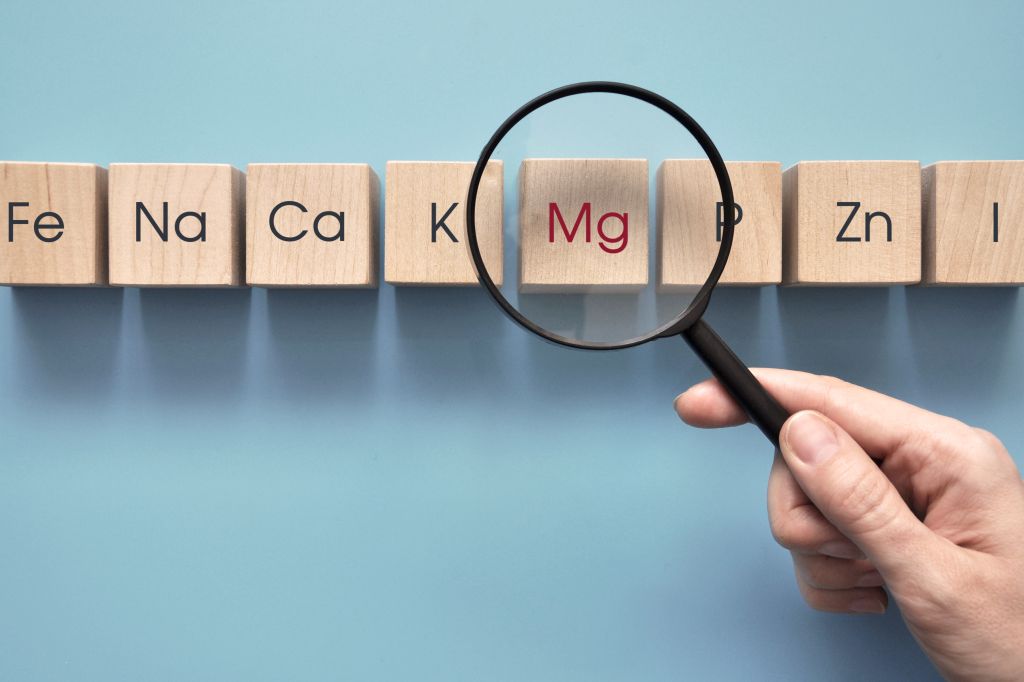
The human body utilizes five electrolyte minerals, each with distinct functions that work together to support energy production, nerve and muscle activity, and proper hydration.
The five main electrolytes included in most supplements are:
- Sodium
- Chloride
- Potassium
- Magnesium
- Calcium
In addition, electrolytes support the body’s acid-base balance, which helps maintain a stable internal pH and ensures that enzymes, metabolic processes, and cellular functions operate efficiently.
What forms do electrolyte supplements come in?
Electrolyte supplements are available in several forms to fit different preferences and wellness routines.
Electrolyte powders are among the most popular options, often sold in powder packets that offer flexible dosing and can be mixed with plain water or other beverages.
While premixed electrolyte beverages and liquid concentrates are also widely available and seem convenient, they often contain added sugars, artificial flavors, colors, sweeteners, and unnecessary fillers.
Finally, electrolyte capsules and tablets provide an alternative for those who may dislike the taste of electrolyte drinks. However, they may absorb more slowly than liquid forms and typically provide smaller amounts of minerals due to the size limitations.
How much electrolyte support do you need?
While individual electrolyte needs vary widely and depend on factors such as diet, activity level, and fluid intake, the National Institutes of Health (NIH) has established intake recommendations.
Below are the recommended dietary allowances (RDAs) for electrolyte minerals in adults:
- Sodium: 1500 mg for men and women
- Chloride: 2 g for men and women
- Potassium: 3400 mg for men and 2600 mg for women
- Magnesium: 420 mg for men and 320 mg for women
- Calcium: 1000 mg for men and 1200 mg for women

Factors that can affect electrolyte needs
Several environmental and lifestyle factors can influence an individual’s electrolyte requirements.
A significant amount of bodily fluids and minerals is lost through sweat, which explains why hot or humid conditions can substantially increase the need for extra electrolytes.
Elite athletes and individuals engaging in intense or prolonged physical activity often have higher electrolyte requirements due to mineral losses through perspiration.
This has been confirmed by evidence published in Magnesium Research, which reports that strenuous exercise may increase magnesium requirements by 10 to 20 percent.
Diet can also play a significant role in electrolyte status. Those following low-carbohydrate diets, such as Healthy Keto® or a carnivore approach, often experience increased fluid and mineral loss, particularly during the early stages of carbohydrate restriction.
“Each molecule of stored glucose holds several molecules of water,” explains Dr. Berg. “When carbs are restricted, the body depletes these reserves, resulting in fluid shedding and subsequently electrolyte loss, and maintaining mineral balance and hydration is vital on a low-carb diet.”

How to choose an electrolyte supplement
It’s recommended to opt for an electrolyte supplement that provides a combination of essential minerals without unnecessary additives that may interfere with normal fluid balance or nutrient utilization.
Here are three things to consider when choosing an electrolyte supplement.
1. Electrolyte composition
Look for electrolyte supplement products that provide mineral support in balanced ratios.
Many products emphasize sodium while providing little to no potassium. While sodium is essential, research published in Renal Physiology shows that high sodium intake without adequate potassium may contribute to electrolyte imbalances.
Because most people consume sufficient sodium but often fall short on potassium, it’s recommended to choose an electrolyte supplement with a potassium-to-sodium ratio of around 1:1 to 4:1, depending on activity level and dietary intake.
Those with more active lifestyles may benefit from a more balanced ratio, while sedentary individuals or those with high-sodium diets often opt for electrolytes with a higher potassium content.
2. Nutrient bioavailability
Because pure elemental minerals are highly unstable and difficult for the body to absorb, they’re typically bound to carrier molecules to improve stability and utilization.
However, the type of carrier molecule can significantly impact intestinal absorption and tolerability. For example, magnesium glycinate is commonly used as it’s significantly more bioavailable and easier to tolerate than inorganic forms such as magnesium oxide.
Here are some of the most bioavailable mineral forms to look for in an electrolyte supplement:
- Magnesium glycinate
- Magnesium citrate
- Potassium citrate
- Calcium orotate
- Calcium citrate
- Calcium lactate
Sodium and chloride are typically bound together in the form of sodium chloride, also known as table salt.
It’s recommended to look for electrolyte products formulated with minimally refined sodium chloride sources such as Himalayan Pink salt or sea salt, which also provide small amounts of trace minerals, including iron and zinc.
3. Avoid artificial sweeteners and added sugars
Many electrolyte and sports drinks contain added sugar and should be avoided, as high sugar intake can spike blood glucose levels and deplete essential minerals, contributing to electrolyte imbalances.
Products formulated with artificial sweeteners such as sucralose, aspartame, and acesulfame potassium should also be avoided, as they’ve been linked to gut microbiome disruptions and impaired metabolic signaling.
For regular use, choose unsweetened or lightly flavored electrolyte supplements. If you prefer a touch of sweetness, choose products sweetened with natural alternatives like organic stevia, monk fruit, or allulose,

Who should be cautious with electrolyte supplementation?
While electrolyte supplements are generally well-tolerated, they may not be appropriate for everyone.
Several medications can alter how the body metabolizes minerals and electrolytes, increasing the risk of dangerous electrolyte imbalances. These include angiotensin-converting enzyme (ACE) inhibitors and diuretics, as well as certain heart and blood pressure medications.
Individuals with chronic kidney disease, high blood pressure, heart conditions, or other significant medical issues, as well as older adults and anyone taking prescription medications, should consult a healthcare professional before incorporating electrolytes into their routine.
Key takeaways
- Electrolytes are essential minerals that carry an electrical charge and help maintain normal hydration, nerve signaling, and muscle function.
- The five core electrolytes found in supplements are sodium, potassium, magnesium, calcium, and chloride.
- Electrolyte supplements are available as powders, liquids, and capsules, with powders and liquids potentially offering better absorption.
- Factors such as dietary habits, activity level, sweat loss, and fluid intake can all influence an individual’s electrolyte needs.
- It’s recommended to choose products that provide balanced mineral ratios in highly absorbable forms and are free from added sugars and artificial ingredients.
FAQ
- 1. What is the best form of electrolyte supplement?
- 2. When is the best time to take electrolytes?
- 3. Are powdered electrolytes better than capsules?
- 4. Should electrolyte supplements contain sugar?
Sources
- Dietary Reference Intakes (DRIs): Recommended Dietary Allowances and Adequate Intakes, Elements, Food and Nutrition Board, National Academies – Dietary Reference Intakes for Sodium and Potassium. ncbi.nlm.nih.gov.
- Nielsen FH, Lukaski HC. Update on the relationship between magnesium and exercise. Magnes Res. 2006;19(3):180-9.
- https://journals.physiology.org/doi/full/10.1152/ajprenal.1998.274.5.F868
Related Articles
-
What Is Potassium Good For? Uses and Benefits
 Deficiencies
What Is Potassium Good For? Uses and Benefits
At a glance Potassium is an essential mineral and electrolyte that supports nerve function, muscle contraction, heart function, and fluid balance. It also helps counter sodium’s effect on blood pressure.…10/14/2026 -
Why You Crave Salt: 7 Causes
 Minerals
Why You Crave Salt: 7 Causes
At a glance Sodium is essential for supporting healthy nerve function, muscle contractions, and fluid balance. When sodium levels are imbalanced due to dietary, lifestyle, or other personal factors, it…06/11/2026 -
Powder vs. Capsule Electrolyte Supplements
 Supplements
Powder vs. Capsule Electrolyte Supplements
At a glance Electrolytes are essential minerals that support fluid balance, nerve and muscle function, and energy production. Electrolyte powders may be more efficient at supporting optimal mineral levels, while…05/14/2026 -
Muscle Twitching on Keto: Causes and What to Do
 Diet
DietMuscle Twitching on Keto: Causes and What to Do
At a glance Muscle twitching is common when first starting keto and is often linked to shifts in fluid balance, electrolyte minerals, and digestive function as insulin levels remain steady.…03/19/2026 22.3k views -
Why Do I Crave Salt at Night? Sodium Deficiency Explained
 Nutrition
Why Do I Crave Salt at Night? Sodium Deficiency Explained
At a glance Craving salt at night may signal an underlying sodium deficiency or electrolyte imbalance, often linked to stress, poor hydration, or low sodium intake. Sodium plays a critical…03/06/2026 5.3k views -
The Sodium Myth: What You Should Know About Salt Intake
 Nutrition
The Sodium Myth: What You Should Know About Salt Intake
At a glance Sodium plays a key role in fluid balance, nerve signaling, and muscle function, and its role in health is often misunderstood. Common sodium myths make intake confusing,…01/16/2026 19.3k views -
Is Your Sodium-Potassium Ratio Off? Why It Matters
 Nutrition
Is Your Sodium-Potassium Ratio Off? Why It Matters
At a glance Maintaining a healthy sodium-potassium ratio is crucial for supporting normal blood pressure, fluid balance, and muscle and nerve function. Most people consume far more sodium than potassium,…04/09/2025 17.6k views -
Himalayan Pink Salt vs. Sea Salt: Which Is Better?
 Nutrition
Himalayan Pink Salt vs. Sea Salt: Which Is Better?
At a glance Himalayan pink salt and sea salt both provide minerals that support health. However, Himalayan salt is sourced from ancient deposits, while sea salt is obtained from modern…04/09/2025 16.9k views -
Electrolyte Powder: Benefits, How to Use, and Signs of Imbalance
 Nutrition
Electrolyte Powder: Benefits, How to Use, and Signs of Imbalance
At a glance Electrolytes are essential minerals that regulate hydration, muscle and nerve function, and cellular energy. Diet, stress, and lifestyle factors can deplete these minerals, leading to fatigue and…04/08/2025 18.1k views -
Celtic Salt: Benefits You Can’t Ignore
 Health concerns
Celtic Salt: Benefits You Can’t Ignore
At a glance Celtic salt is a mineral-rich sea salt valued for its natural trace elements and lower processing compared to regular table salt. When used in moderation, it may…04/08/2025 17.6k views