

At a glance
Oxalates are naturally occurring compounds found in many plant foods that can bind to essential minerals such as calcium and magnesium, increasing the risk of nutrient deficiencies and kidney problems. Limiting high-oxalate foods and following a low-oxalate diet can support mineral balance, kidney health, and digestive comfort.
Oxalates are naturally occurring plant compounds that bind to minerals, such as calcium and magnesium, potentially leading to mineral deficiencies and the formation of calcium oxalate stones in the kidneys.
Discover who can benefit from avoiding high oxalate foods and learn what cooking techniques you can use to reduce oxalate levels in beans, legumes, nuts, and vegetables.
What is oxalate?
Oxalate is an organic acid that’s naturally found in a wide variety of plant foods such as leafy green vegetables, legumes, nuts, seeds, and certain grains.
Oxalic acid forms insoluble salts with calcium, magnesium, iron, and zinc, and plants utilize oxalates to store these minerals for later use.
While the mineral-binding properties of oxalic acid may benefit plants, oxalates are considered anti-nutrients as they also bind to minerals in the human body, which can have various negative health consequences.
Watch the video below to learn how to support healthy kidneys.
Possible side effects of oxalate
Because oxalate forms insoluble salts with minerals, it can impair the intestinal absorption of essential nutrients such as magnesium, calcium, iron, and zinc, potentially leading to nutrient deficiencies.
Calcium binds readily with oxalic acid, which can contribute to the development of calcium oxalate kidney stones, a common type of kidney stone.
A study published in Renal Physiology suggests, “To limit calcium oxalate stone growth, we advocate appropriate hydration, avoiding oxalate-rich foods, and adequate calcium intake.”1
There is also evidence that dietary oxalates can trigger gastrointestinal issues in sensitive individuals and are most commonly associated with bloating, gas, diarrhea, and abdominal pain.
Research published in Kidney International Reports suggests that excessive intake of dietary oxalates not only increases the risk of kidney stones but may also negatively impact bone health and bone mineral density due to lower calcium availability.2
Who should avoid oxalate?
“Many foods high in oxalates are rich sources of nutrients and generally recommended as part of a balanced diet,” explains Dr. Berg. “However, for some people, the potential side effects of oxalates can outweigh the health benefits of consuming these foods.”
Individuals prone to developing kidney stones should avoid consuming high-oxalate foods and consider following an oxalate-controlled diet.
Oxalates can trigger gastrointestinal issues, which can be problematic for those with inflammatory bowel disease (IBD), irritable bowel syndrome (IBS), Crohn’s disease, or other digestive tract issues.
In addition, research published in the Asian Pacific Journal of Clinical Nutrition found that oxalosis, a health condition characterized by excessive oxalic acid buildup in the body, requires strict avoidance of oxalate-rich foods.3
What is a low-oxalate diet?
A low-oxalate diet focuses on limiting dietary oxalate intake to no more than 50 milligrams daily.
Foods are typically classified into four groups based on their oxalate content:
- Low: 0 to 9 milligrams per serving
- Moderate: 10 to 25 milligrams per serving
- High: 26 to 99 milligrams per serving
- Very high: 100 milligrams or more per serving
It’s also recommended that individuals with oxalate sensitivity increase their intake of calcium-rich foods. Calcium can bind with oxalates in the digestive tract, which reduces their absorption and helps lower the risk of kidney disease and digestive issues.
Another important aspect of a low-oxalate diet is to avoid excessive intake of vitamin C, also known as ascorbic acid, which can be metabolized into oxalic acid in the body.
High oxalate foods
There are various plant foods with a high oxalate content, and it’s crucial to limit or avoid these foods on a low-oxalate diet.
Oxalate concentrations of foods with a high- or very-high oxalate content per one-cup serving:
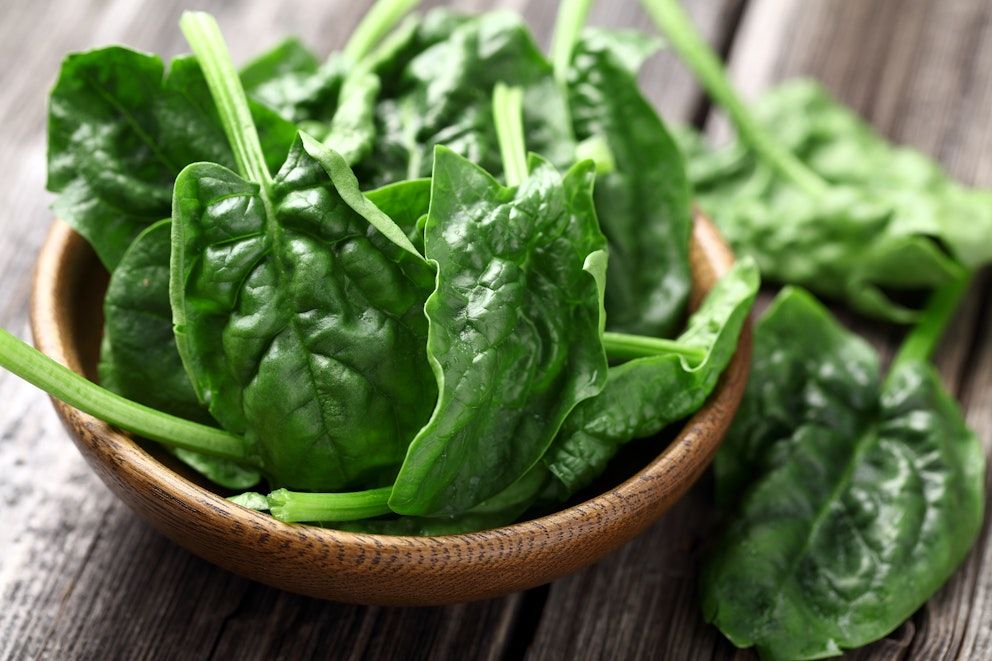
- Spinach (raw): 1,510 milligrams
- Spinach (cooked): 1,312 milligrams
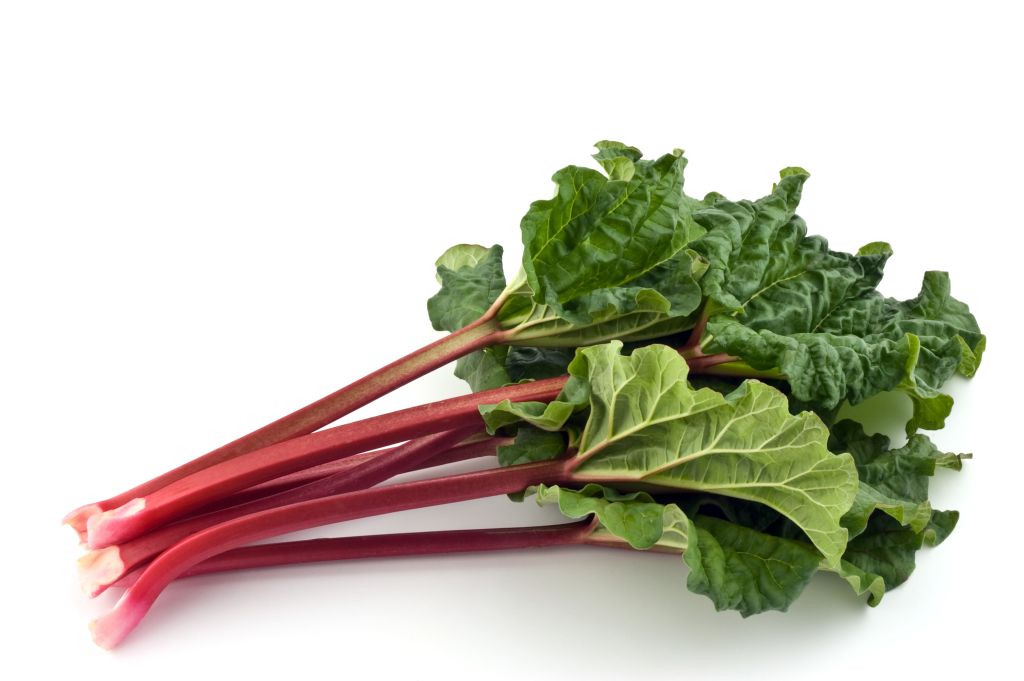
- Rhubarb: 1,082 milligrams
- Almonds: 441 milligrams
- Cashew nuts: 352 milligrams
- Baked potato (with skin): 194 milligrams
- Navy beans: 155 milligrams
- Beets: 152 milligrams
- Okra: 114 milligrams
- French fries: 102 milligrams
- Yam: 80 milligrams
- Rutabaga: 62 milligram
- Turnip: 60 milligrams
- Raspberries: 48 milligrams
- Bamboo shoots: 35 milligrams
- Mashed potato: 29 milligrams
- Orange: 29 milligrams
- Sweet potato: 28 milligrams
Low-oxalate foods
There are plenty of nutritious foods that have a low-oxalate content and are suitable for individuals following a low-oxalate diet.
Here’s the oxalate content of low-oxalate foods per one-cup serving:
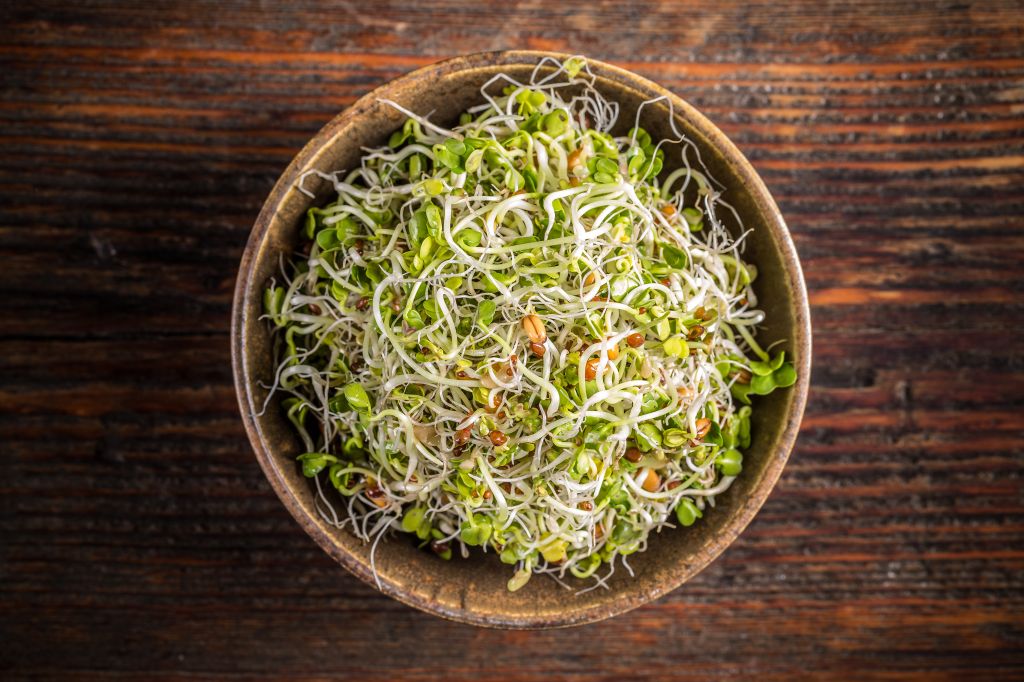
- Alfalfa sprouts: 0 milligrams
- Endive: 0 milligrams
- Lettuce: 0 milligrams
- Onions: 0 milligrams
- Radish: 0 milligrams
- Flaxseeds: 0 milligrams
- Bok choy: 1 milligram
- Cabbage: 1 milligram
- Cauliflower: 2 milligrams
- Broccoli: 2 milligrams
- Kale: 2 milligrams
- Peas: 2 milligrams
- Squash: 2 milligrams
- White mushrooms: 4 milligrams
- Cucumber: 4 milligrams
- Brussels sprouts: 4 milligrams
- Mung beans: 6 milligrams
Tips for reducing oxalate
In addition to limiting dietary oxalate intake, different food preparation and cooking methods can lower the oxalate concentration of various foods.
Boiling, blanching, or steaming oxalate-rich vegetables causes structural changes in cell walls, which helps release and break down some of the oxalates.
A study published in the Journal of Agricultural and Food Chemistry found that cooking can reduce oxalate content by up to 80 percent, depending on cooking temperature and duration.4
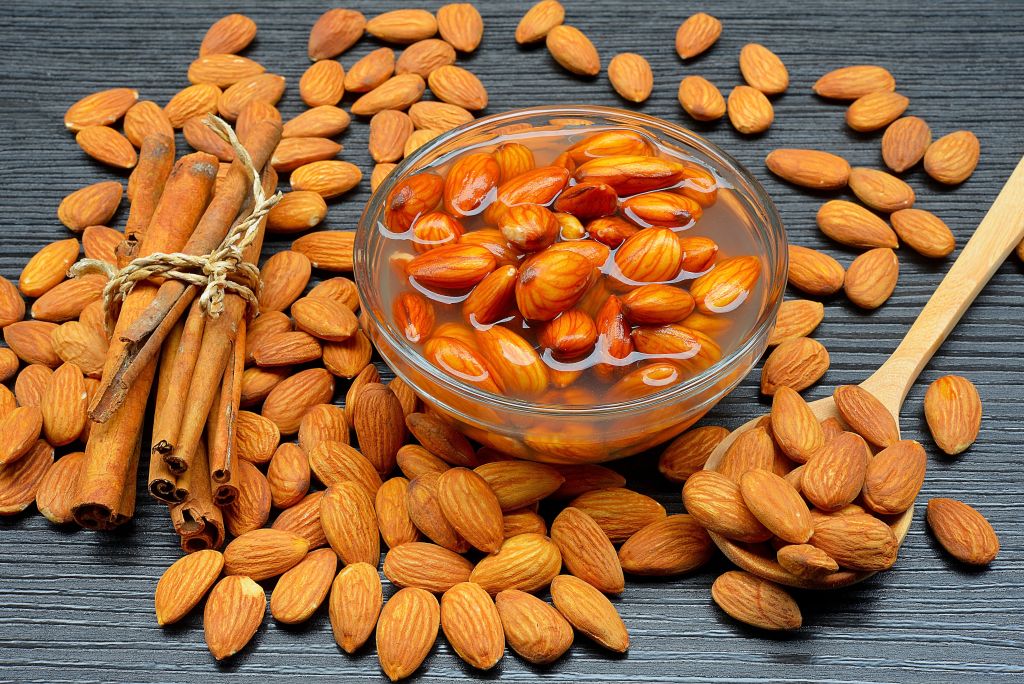
Soaking certain foods high in oxalates, such as beans, lentils, nuts, and seeds, causes oxalates to leach into the water, which can significantly reduce oxalate concentrations.
Consuming foods high in oxalates in combination with calcium-rich foods such as dairy products, leafy green vegetables, or small fish with edible bones can inhibit oxalate absorption in the intestines and help minimize the potential adverse health impacts associated with oxalic acid intake.
Key takeaways
- Oxalates are naturally occurring plant compounds that can interfere with nutrient absorption and may contribute to the development of kidney stones.
- A low-oxalate diet limits oxalate intake to no more than 50 mg daily.
- Boiling, blanching, or soaking high-oxalate foods can significantly reduce oxalate levels.
- Combining oxalate-containing foods with calcium-rich options may help minimize mineral binding in the gut.
- Individuals with kidney stones or digestive issues benefit most from limiting high-oxalate foods.
FAQ
- 1. What are the foods high in oxalate to avoid?
- 2. What foods neutralize oxalate?
- 3. How do you flush oxalate out of your body?
- 4. What are the symptoms of too much oxalate?
- 5. Are eggs high in oxalate?
- 6. What is oxalate?
Sources
- https://pmc.ncbi.nlm.nih.gov/articles/PMC6459305/ ↩︎
- https://pmc.ncbi.nlm.nih.gov/articles/PMC8897287/ ↩︎
- https://pubmed.ncbi.nlm.nih.gov/24393738/ ↩︎
- https://pubmed.ncbi.nlm.nih.gov/15826055/#:~:text=Boiling%20markedly%20reduced%20soluble%20oxalate,100%25%20recovery%20of%20oxalate%20losses. ↩︎
Related Articles
-
Simple Ways to Eat More Nutrient-Dense Foods
 Superfoods
Simple Ways to Eat More Nutrient-Dense Foods
At a glance Choosing nutrient-dense foods can help improve the quality of your meals while reducing reliance on ultra-processed products. Whole foods such as seafood, leafy greens, berries, and grass-fed…08/20/2026 -
Grass-Fed vs. Grain-Fed: What’s the Difference?
 Food and Drink
Grass-Fed vs. Grain-Fed: What’s the Difference?
At a glance Grass-fed and grain-fed beef differ in how cattle are raised and fed throughout their lives. These feeding practices can influence the nutritional characteristics, flavor, texture, and overall…07/30/2026 -
Wild-Caught vs. Farm-Raised Fish: What’s the Difference?
 Nutrition
Wild-Caught vs. Farm-Raised Fish: What’s the Difference?
At a glance Wild-caught and farm-raised fish differ in nutrient quality, sourcing methods, and overall eating experience. Wild-caught fish come from natural environments and support a more balanced fatty acid…07/09/2026 -
Eating Out on Keto: Simple Ordering Strategies
 Food and Drink
Eating Out on Keto: Simple Ordering Strategies
At a glance Restaurant meals are often centered around carbohydrate-rich foods, which can make low-carb dining more difficult. Hidden carbohydrates are also common in sauces, dressings, and other prepared ingredients.…06/25/2026 -
9 Keto Staples for Your Pantry and Fridge
 Nutrition
9 Keto Staples for Your Pantry and Fridge
At a glance Keeping the right foods on hand makes it easier to stay consistent on a ketogenic diet without relying on highly processed products. A well-stocked keto pantry focuses…06/19/2026 -
How to Spot Hidden Carbs
 Keto
KetoHow to Spot Hidden Carbs
At a glance Hidden carbs are found in many everyday foods that may not appear high in carbohydrates, including sauces, processed meats, dairy products, and salad dressings. These overlooked sources…06/05/2026 -
Keto-Friendly Sauces and Condiments
 Nutrition
Keto-Friendly Sauces and Condiments
At a glance Keto-friendly sauces and condiments can help support ketosis by keeping overall carbohydrate intake within the limit of 20 to 50 grams per day. Choosing options made with…06/01/2026 -
8 Unique Benefits of Turmeric Tea
 Nutrition
8 Unique Benefits of Turmeric Tea
At a glance Turmeric tea contains curcumin, a bioactive compound that offers anti-inflammatory and antioxidant effects that may support brain and heart health, improve digestion, help regulate weight, and strengthen…05/15/2026 4.4k views -
Keto on a Budget: Tips and Foods to Eat
 Diet
DietKeto on a Budget: Tips and Foods to Eat
At a glance A ketogenic diet can be maintained using simple, affordable whole foods rather than expensive specialty products. Prioritizing versatile ingredients and planning meals strategically can help reduce grocery…04/24/2026 -
What Foods Are High in Zinc?
 Minerals
What Foods Are High in Zinc?
At a glance Zinc is an essential trace mineral involved in immune defenses, metabolism, hormone production, and muscle repair. Because the body doesn’t store zinc efficiently, regular dietary intake is…03/06/2026 5.9k views


