


At a glance
Vitamin D plays important roles in immune regulation, microbial balance, and sebaceous gland activity, all of which may lower the risk of acne. Maintaining adequate sunlight exposure and focusing on a nutrient-dense diet can help maintain healthy levels for optimal skin health.
Increasingly more evidence suggests a link between low vitamin D levels and a worsening of acne symptoms.
Vitamin D, the sunshine vitamin, is produced when the skin is exposed to ultraviolet B (UVB) radiation from sunlight. However, vitamin D deficiency is common and affects more than 40 percent of the U.S. population.
Discover the link between vitamin D and skin health and learn how to maintain healthy vitamin D levels to fight acne and support a clear complexion.
What is acne?
Acne vulgaris is a common skin condition characterized by irritated and inflamed hair follicles, skin eruptions, painful pimples, blackheads, and pus-filled cysts.
While acne usually develops on facial skin, it can also affect the shoulders, back, and chest.
The development of acne is typically triggered by a combination of bacterial skin infection, excessive sebum production, and changes in sex hormone levels, explaining why acne typically develops during puberty.
Every hair follicle contains a sebaceous gland that produces oil-containing sebum to lubricate and nourish the skin.
These sebaceous glands are sensitive to hormonal changes, which can trigger increased oil production, leading to clogged and irritated skin pores that trap oil and dirt and are prone to bacterial infections.
Conventional acne treatment generally consists of topical vitamin A applications and antibiotic creams. However, more persistent and severe acne cases may require hormonal treatment and corticosteroid medication.
While these treatment approaches are often beneficial in the management of acne symptoms, they can have significant side effects, and many individuals affected are seeking more natural options to support healthy skin.
Watch the video below to learn how prioritizing vitamin D levels can help clear up acne fast.
Can vitamin D help with acne?
Vitamin D is produced in the skin in response to sun exposure. This fat-soluble vitamin plays a vital role in bone health, is essential for immune system function, and has been linked to balanced mood regulation and overall cellular integrity.
Research published in PLOS ONE found that individuals with vitamin D deficiency are more likely to develop skin diseases, including atopic dermatitis, nodulocystic acne, and hormonal cystic acne, compared to those with a healthy vitamin D status.
The authors summarize, “Deficiency in vitamin D was detected in 48.8% of patients with acne, but in only 22.5% of the healthy controls.”
Although more research is needed to investigate the link between vitamin D and acne, it’s believed that vitamin D’s immune-regulating functions, anti-inflammatory effects, and antimicrobial properties can help protect the skin from bacterial overgrowth and the development of acne.

Three benefits of vitamin D for acne
Evidence published in the Journal of Advanced Research highlights the importance of vitamin D for optimal skin health, suggesting that this essential vitamin plays a role in wound healing, hair follicle integrity, and protecting skin cells from radiation damage.
Here are three potential benefits of vitamin D for acne.
1. Antimicrobial properties
Acne development is often triggered or worsened by an infection with Propionibacterium acnes (P. acnes).
Although this bacterial strain is naturally found on human skin, a lack of adequate microbial defenses can lead to bacterial overgrowth, resulting in infection, inflammation, and skin eruptions.
Vitamin D stimulates the production of antimicrobial peptides in skin cells, which help inhibit the growth and proliferation of bacteria, thereby supporting a healthy dermal microflora and potentially reducing the risk of acne.
2. Anti-inflammatory effects
Vitamin D supports the body’s ability to regulate inflammation, which is crucial to help reduce irritation, swelling, and inflammation of infected sebaceous glands.
“The role of vitamin D in regulating inflammation also supports healthy immune responses, helping maintain microbial balance and reducing the risk of overgrowth of acne-causing P. acnes,” explains Dr. Berg.
3. Regulates sebum production
Excessive sebum production by hyperactive sebaceous glands can contribute to various skin diseases, including acne.
Vitamin D has been found to directly modulate the activity of sebaceous glands, which decreases clogged pores and reduces the potential for bacterial infection linked to acne breakouts.
The best ways to increase vitamin D
Vitamin D is produced when sunlight hits the skin, and getting regular, moderate exposure on bare skin is one of the most effective ways to support healthy levels.
Aim for short periods of sun exposure several times per week, adjusting the duration based on your skin type and UV radiation intensity.
However, lack of adequate sunlight exposure, darker skin tone, geographical location, and prolonged use of steroid medication can impact vitamin D production and increase the risk of vitamin D deficiency.
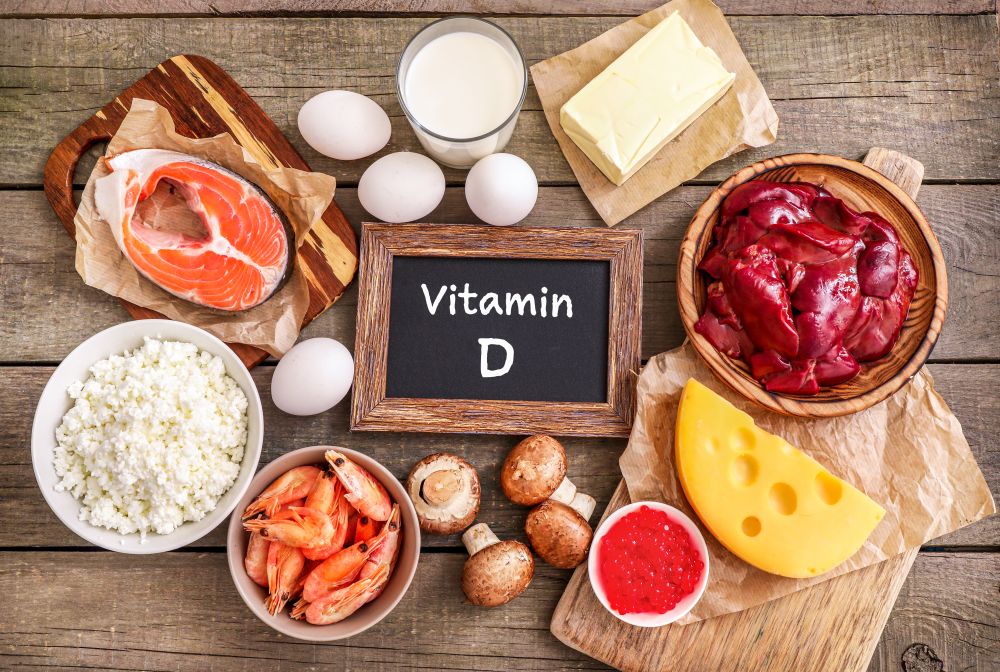
To support healthy levels, incorporate plenty of vitamin D-rich foods such as organ meats, egg yolks, and fatty fish. While these food sources typically contain only small amounts of vitamin D, regular intake can help maintain balanced levels.
If you are concerned about your vitamin D status or are experiencing symptoms of deficiency, it’s best to consult a healthcare provider. A simple blood test can confirm your vitamin D status, and your doctor can recommend an appropriate treatment plan to support balanced levels.
Key takeaways
- Low vitamin D status is associated with a higher risk of acne and more severe breakouts.
- Vitamin D supports skin health by regulating inflammation, microbial defenses, and sebum production.
- Vitamin D deficiency is significantly more common in individuals with acne than in healthy controls.
- Maintaining healthy vitamin D levels can help protect pores from infection and irritation that contribute to acne.
- Regular sunlight exposure and incorporating vitamin D-rich foods are excellent ways to support optimal vitamin D status.
FAQ
- 1. Can vitamin D help with my acne?
- 2. Why does vitamin D affect acne?
- 3. Is vitamin D good for your skin?
- 4. Does vitamin D help hormonal acne?
- 5. Can vitamin D deficiency cause breakouts?
Sources
Related Articles
-
What Is the Best Time to Take Magnesium?
 Supplements
What Is the Best Time to Take Magnesium?
At a glance The best time to take magnesium depends on your primary health goals and daily routine. Morning magnesium intake can support daytime stress management and energy production, while…08/31/2026 -
Vitamin D2 vs. D3 Supplements: What’s the Difference?
 Supplements
Vitamin D2 vs. D3 Supplements: What’s the Difference?
At a glance Vitamin D2 and vitamin D3 are two forms of supplemental vitamin D. Although both contribute to vitamin D intake, they differ in structure, stability, and effectiveness in…05/21/2026 -
Liquid vs. Capsule Vitamin D Supplements
 Nutrients
Liquid vs. Capsule Vitamin D Supplements
At a glance Vitamin D is a fat-soluble nutrient that functions more like a hormone than a traditional vitamin by regulating calcium absorption, supporting immune function, and influencing critical cellular…05/21/2026 -
Vitamin D Supplements: Forms and How to Choose
 Supplements
Vitamin D Supplements: Forms and How to Choose
At a glance Vitamin D supplements differ in form and formulation, which can influence how vitamin D is absorbed, metabolized, and retained in the body. Individual factors such as sun…05/14/2026 -
Cod Liver Oil – Benefits and Side Effects
 Nutrition
Cod Liver Oil – Benefits and Side Effects
At a glance Cod liver oil is a nutrient-dense oil derived from the livers of Atlantic codfish, valued for its rich content of omega-3 fatty acids such as EPA and…04/03/2026 13.6k views -
Can Low Vitamin D Cause Depression in Teenagers?
 Vitamins
Can Low Vitamin D Cause Depression in Teenagers?
At a glance Vitamin D is essential for brain health, and low levels in teenagers may increase the risk of depression. Insufficient sunlight exposure and poor dietary habits can contribute…02/26/2026 10.8k views -
Cholesterol and Vitamin D: How Are They Connected?
 Heart health
Cholesterol and Vitamin D: How Are They Connected?
At a glance Cholesterol and vitamin D are closely connected, as cholesterol is required to produce vitamin D, and vitamin D is needed to balance the body’s cholesterol pool. Understanding…02/20/2026 28.2k views -
The Connection Between Vitamin D and Gallbladder Health
 Health concerns
The Connection Between Vitamin D and Gallbladder Health
At a glance Vitamin D and gallbladder health are closely connected, as adequate bile flow is essential for the absorption of vitamin D. At the same time, low vitamin D…01/29/2026 10.7k views -
7 Nail Changes That May Be Linked to Nutrient Deficiencies
 Nutrition
7 Nail Changes That May Be Linked to Nutrient Deficiencies
At a glance Nails can serve as a biological record of your health, as changes in nail strength, shape, color, or texture may signal nutrient deficiencies. Supporting optimal nutrient levels…01/23/2026 33.4k views -
Osteoporosis and Osteopenia: How to Support Strong Bones
 Health concerns
Osteoporosis and Osteopenia: How to Support Strong Bones
At a glance Osteopenia and osteoporosis are age-related conditions marked by gradual bone density loss that often develops without clear symptoms. Changes in bone strength can increase fracture risk and…01/08/2026 5.9k views


