

At a glance
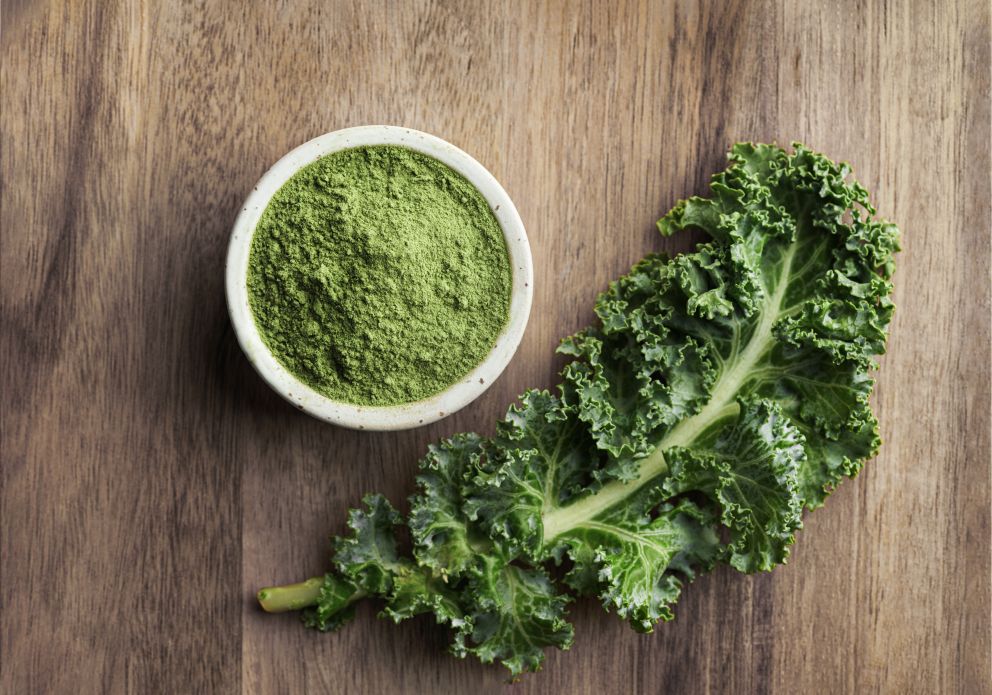
Greens powder supplements can be formulated with a blend of cruciferous vegetables, wheat grass, or other plant-based ingredients to support overall wellness and nutrient intake. These dietary supplements are widely available as powders, capsules, and tablets, each offering different serving sizes and nutrient concentrations. Choosing a high-quality, whole-food-derived formulation can help ensure safe and effective support.
Greens powder supplements offer a practical way to boost your intake of concentrated plant-based nutrients, but formulations and quality standards vary widely between products.
Discover the key nutrients these supplements typically provide and the important factors to consider when selecting the right product for your wellness routine.
What are greens powder supplements, and what do they do?
Greens powder supplements are typically formulated with a concentrated blend of powdered green vegetables and other plant-based ingredients that deliver key vitamins, minerals, phytonutrients, and antioxidants naturally found in whole foods.
Most greens powders are designed to provide a convenient way to increase your daily intake of beneficial plant compounds and are popular among those with inconsistent consumption of fresh produce.
When combined with a healthy diet, these blends can help fill nutritional gaps, maintain a healthy immune system, and boost energy levels while contributing to overall wellness.
What ingredients are commonly included in greens powders?
Ingredients can vary widely between greens powder brands. Some formulas feature just one or a few ingredients, while others include comprehensive blends of ten or more sources of nutritious greens per serving.
Common ingredients found in greens powders include:
- Leafy green vegetables
- Seaweed, kelp, or microalgae, such as chlorella and spirulina
- Cereal grasses, including barley and wheatgrass
- Cruciferous vegetables, like broccoli, Brussels sprouts, cabbage, collard greens, and kale
Some products also incorporate antioxidant-rich fruits, such as blueberries or acai berries, or additional superfoods, including mushrooms, beets, garlic, and turmeric, to increase phytonutrient content.
Depending on the formulation, green powders may also be formulated with green tea extract, adaptogenic herbs, digestive enzymes, and probiotics to support gut health, stress resilience, and overall well-being.
What forms do greens supplements come in?
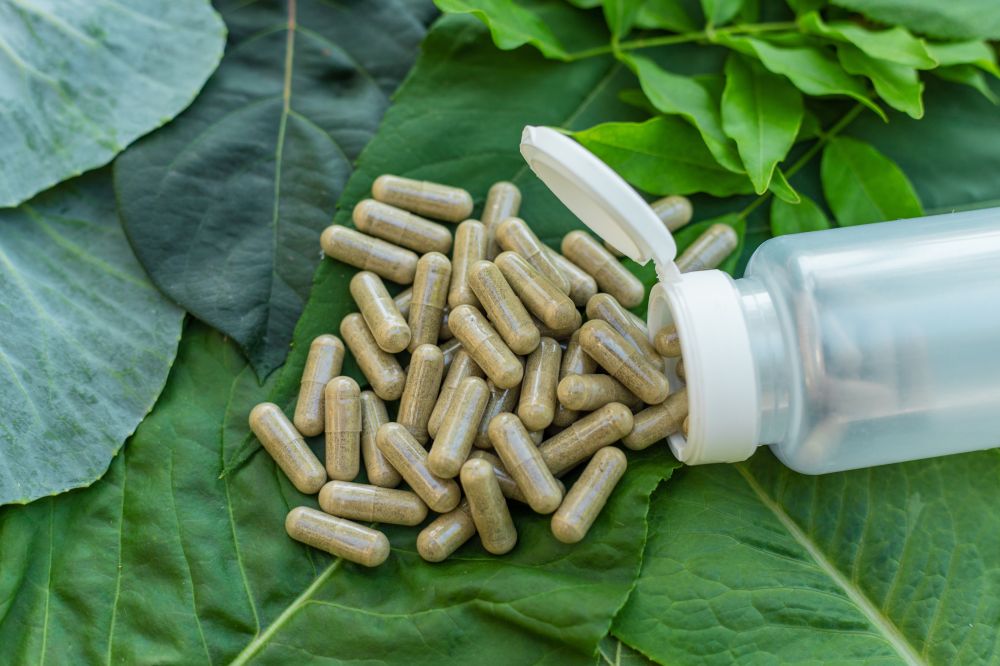
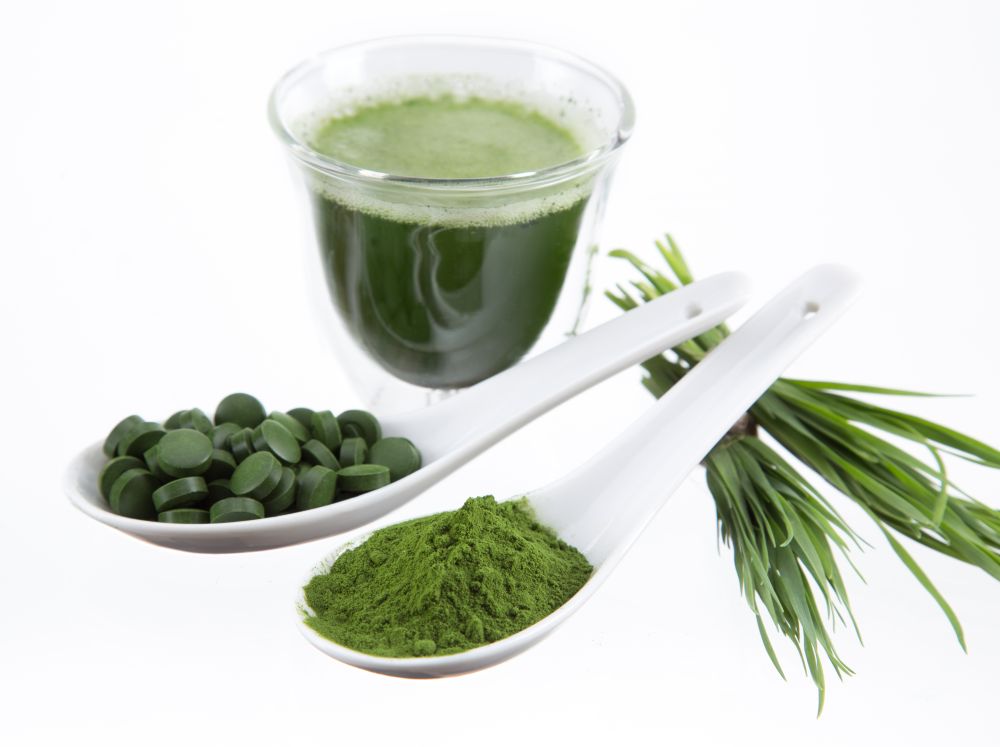
Greens supplements are available in several formats to accommodate different preferences and routines. The most common form is green vegetable powder, which typically contains several plant types and can be mixed into water, smoothies, or juice.
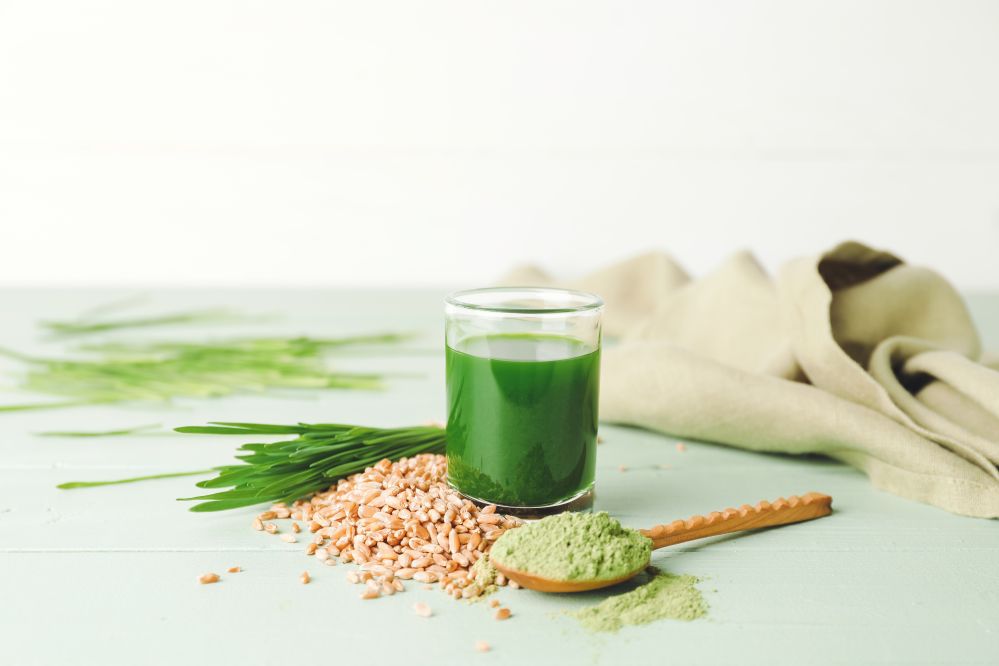
Wheatgrass is another popular powdered greens option, typically offered as whole-leaf or wheatgrass juice powder.
Whole wheatgrass powder contains the entire plant, including the insoluble fiber and a broad spectrum of naturally occurring nutrients. In contrast, wheatgrass juice powder is produced by extracting and freeze-drying the juice, resulting in a zero-fiber, highly concentrated supplement.
Greens supplements are also available in tablet and capsule form. These formats consist of compressed greens powders or powdered greens enclosed in easy-to-swallow shells, providing convenient, pre-measured doses.
What does a typical serving of a greens supplement include?
Serving sizes and nutrient concentrations of greens supplements can vary significantly depending on the ingredients, delivery format, and brand.
Loose powdered greens supplements often blend multiple ingredient categories into a single serving, typically ranging from 3 to 10 g depending on the product.
A typical serving may include:
- 1000 to 3000 mg of leafy greens
- 300 to 1000 mg of cruciferous vegetables
- 500 to 2000 mg of cereal grasses
- 200 to 1000 mg of berry or fruit powders
Some products group smaller amounts of various ingredients into a proprietary greens blend, often ranging from 150 to 750 mg or more, meaning individual ingredient quantities aren’t disclosed on the label.
Other greens powders, such as whole powdered wheatgrass supplements, offer 1-tablespoon servings, which provide between 8 and 12 g of wheatgrass. Because wheatgrass juice powders are more concentrated, typical serving sizes tend to be smaller, usually between 1.5 and 5 g.
Greens capsules and tablets typically contain smaller amounts due to size constraints, generally providing 150 to 2000 mg of powdered greens per serving.
Because of the lower volume, several tablets or capsules are often needed to match the quantity provided by a single scoop of powdered greens.
How to choose a greens supplement
When choosing a greens supplement, label transparency allows you to better understand what you’re consuming and determine which product best suits your needs.
Look for supplements that clearly list each ingredient, which can help you identify potential allergens or interactions and ensure the formula aligns with your health goals and dietary preferences.
Sourcing is also important, as contaminant exposure is a common concern in dietary enhancements, including protein powders, greens powders, and synthetic vitamins and minerals.
Choosing non-genetically modified (non-GMO) and certified organic nutritional supplements ensures ingredient quality, maximizes nutritional benefits, and reduces the likelihood of chemical and pesticide residue.
A study published in the NFS Journal found that some young green barley supplements contain significant amounts of heavy metals, likely linked to conventional agricultural practices.
It’s equally important to consider added ingredients and choose products with naturally derived ingredients while avoiding supplements that rely on artificial sweeteners, flavors, unnecessary fillers, or added sugar.

Who should be cautious with greens supplementation?
For most healthy adults, greens supplementation is generally safe when used as directed and can be a nutritious addition to a healthy diet.
However, those with dietary restrictions, such as gluten sensitivity or wheat allergy, should be cautious with these types of supplements.
“Greens powders that contain wheatgrass or barley grass can be contaminated with gluten during growing or processing,” explains Dr. Berg. “In this case, choosing a certified gluten-free supplement can help avoid accidental exposure.”
Certain ingredients in these products, such as vitamin K-rich greens, iodine-containing seaweeds, or herbal extracts, may interfere with the effectiveness of certain medications.
This highlights the importance that those who take prescription medications, such as blood thinners, thyroid medications, or immunosuppressants, should consult their healthcare provider before using greens powders.
Key takeaways
- Greens powder supplements provide a concentrated source of vitamins, minerals, antioxidants, and phytonutrients to help fill dietary gaps and promote overall health.
- While greens powder ingredients vary by brand, they often include a blend of leafy greens, cruciferous vegetables, algae, and other superfoods, berries, or herbs.
- Greens supplements are available as powders, capsules, or tablets, and their serving sizes and concentrations can vary widely.
- Choosing non-GMO, certified organic, and gluten-free products with minimal added ingredients can help ensure safety, potency, and effectiveness.
- To avoid potential interactions, consult your healthcare provider if you take prescription medications before including greens powder into your routine.
FAQ
- 1. What is typically included in a greens supplement?
- 2. Are greens powders and greens tablets nutritionally equivalent?
- 3. Do greens powders contain added sweeteners or flavors?
- 4. Who shouldn’t take greens supplements?
- 5. Are green powders good for you?
Source
Related Articles
-
Chewable vs. Gummy Kids’ Multivitamin Supplements
 Minerals
Chewable vs. Gummy Kids’ Multivitamin Supplements
At a glance Both chewable and gummy kids’ multivitamins can make it easier for children to take supplements. However, many gummy formulations are packed with sugars and artificial additives, making…10/08/2026 -
Ox Bile vs. Bile Salts Supplements
 Nutrients
Ox Bile vs. Bile Salts Supplements
At a glance Ox bile provides a full-spectrum extract similar to the composition of human bile, while bile salts offer isolated bile acids for targeted digestive support. Understanding how these…09/18/2026 -
Prenatal Vitamin Supplements: Forms and How to Choose
 Minerals
Prenatal Vitamin Supplements: Forms and How to Choose
At a glance Prenatal vitamins are specially formulated supplements to help meet the increased nutrient needs of pregnancy, promoting both maternal health and fetal development. Supporting the body’s nutrient status…09/10/2026 -
Magnesium Dosage: How Much Magnesium to Take per Day
 Nutrition
Magnesium Dosage: How Much Magnesium to Take per Day
At a glance Magnesium dosage varies based on magnesium status, dietary intake, and the reason for supplementation. Magnesium dosage varies based on magnesium status, dietary intake, and the reason for…08/31/2026 -
Magnesium for Sleep: Benefits, Forms, and How to Use
 Supplements
Magnesium for Sleep: Benefits, Forms, and How to Use
At a glance Magnesium supports nervous system function, muscle relaxation, and processes involved in healthy sleep. Low magnesium intake may interfere with normal relaxation and sleep patterns. Supplemental forms differ…08/31/2026 -
Kids Multivitamin Supplements: Forms and How to Choose
 Nutrition
Kids Multivitamin Supplements: Forms and How to Choose
At a glance Kids multivitamins are dietary supplements designed to support the nutrient requirements associated with periods of rapid growth and development. Choosing a high-quality product with bioavailable, food-derived vitamins…07/30/2026 -
Flush vs. No-Flush Niacin Supplements
 Nutrition
Flush vs. No-Flush Niacin Supplements
At a glance Niacin supplements are available in flushing and flush-free forms. While both provide vitamin B3, they offer different physiological effects. Flush-free forms avoid the temporary and harmless skin…07/09/2026 -
Allithiamine vs. Benfotiamine Supplements
 Vitamins
Allithiamine vs. Benfotiamine Supplements
At a glance Allithiamine and benfotiamine are two fat-soluble forms of vitamin B1. While both support cellular energy production, their structural differences determine whether they primarily support the brain and…07/09/2026 -
Whole-Food vs. Synthetic Multivitamin Supplements
 Nutrition
Whole-Food vs. Synthetic Multivitamin Supplements
At a glance Whole-food and synthetic multivitamin supplements differ in how nutrients are sourced, absorbed, and utilized by the body. Nutrients derived from natural food sources often occur alongside beneficial…06/19/2026 -
Vitamin B12 Supplements: Forms and How to Choose
 Nutrition
Vitamin B12 Supplements: Forms and How to Choose
At a glance Vitamin B12 is an essential nutrient that supports normal cellular metabolism, red blood cell formation, DNA synthesis, and nervous system function. Vitamin B12 supplements are available in…05/09/2026


