

At a glance
Niacin supplements are available in flushing and flush-free forms. While both provide vitamin B3, they offer different physiological effects. Flush-free forms avoid the temporary and harmless skin reaction associated with nicotinic acid, but are absorbed more slowly and may offer fewer of niacin’s health benefits.
Flush vs. no-flush niacin—what’s the difference, and is one better than the other?
While both flushing and flush-free niacin supplements provide vitamin B3, their effectiveness in supporting a healthy body varies.
Here’s why niacin flushing is a key indicator of its biological activity, and learn what to look for when choosing vitamin B3 support.
What is niacin flush?
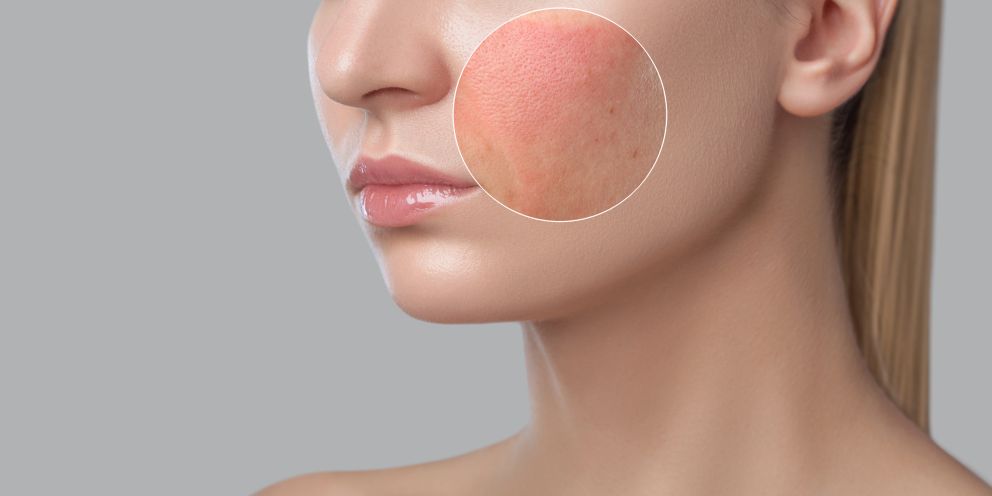
Niacin flush is a temporary skin reaction that can occur after taking certain forms of vitamin B3, particularly nicotinic acid.
This flushing sensation is often accompanied by redness, warmth, itching, or tingling, typically affecting the face, neck, and upper chest.
This happens because nicotinic acid stimulates the dilation of small blood vessels near the surface of the skin, thereby increasing blood flow.
According to research published in StatPearls, niacin-induced flushing is a well-known effect of immediate-release niacin, such as nicotinic acid, highlighting, “…it typically occurs within 30 minutes of ingestion and abates after 60 minutes.”
The intensity of this flushing can vary depending on the dose and individual sensitivity. Taking niacin with food or starting with a lower dose may help reduce the likelihood or severity of flushing.
Is niacin flush harmful?
No, a niacin flush isn’t harmful and is generally considered a normal response to taking a dietary supplement formulated with nicotinic acid.
Although the sensation can feel noticeable for some people, flushing is a short-lived effect linked to increased blood flow near the skin’s surface rather than any form of tissue damage or inflammation.
In fact, the niacin flush can indicate the biological activity of nicotinic acid as it promotes vasodilation and supports normal metabolic processes in the body.
In contrast, non-flushing forms of vitamin B3, such as niacinamide, don’t trigger this response because they don’t significantly affect blood vessel dilation.
For this reason, many individuals seeking to maximize the benefits of vitamin B3 supplementation choose nicotinic acid, despite the flushing effects associated with this form.
What form of niacin causes flushing?
Because of its high bioactivity and ability to support blood vessel dilation, the niacin flushing effect is primarily associated with nicotinic acid, especially in its immediate-release form.
This type of supplemental vitamin B3 is known for its lower niacin tolerability in some individuals due to its tendency to trigger vasodilation, which can lead to visible skin flushing.
Interestingly, research published in the International Journal of Clinical Practice found that niacin-related flushing often decreases within as little as one week as the body gradually adapts to consistent nicotinic acid intake.
In addition, taking nicotinic acid in smaller doses throughout the day can help reduce the intensity of flushing while still offering cardiometabolic benefits.

What forms of niacin don’t cause flushing?
Flush-free types of niacin are formulated to be released more slowly, helping avoid the vasodilation that can contribute to flushing.
Vitamin B forms that don’t tend to cause flushing include:
- Inositol hexanicotinate
- Nicotinamide
Because these forms are absorbed differently, they don’t significantly increase blood flow near the skin’s surface and therefore don’t cause the characteristic redness or warming sensation associated with nicotinic acid.
However, due to their slower absorption and different metabolic pathways, flush-free forms of niacin aren’t associated with the same physiological effects and health benefits as nicotinic acid.
Flush vs. no-flush niacin: how to choose
When choosing between flushing and flush-free forms of niacin, it’s crucial to understand their differences and the long-term benefits they may offer.
“Nicotinic acid, the flushing form of vitamin B3, is highly bioavailable, meaning it’s readily absorbed and actively used by the body,” explains Dr. Berg. “In contrast, non-flushing forms haven’t shown the same range of health advantages.”
According to data published by the National Institutes of Health (NIH), niacin has been linked to a range of effects that support cardiovascular, metabolic, and nervous system functions.
Maintaining optimal vitamin B3 status may support:
- Blood flow and blood vessel function
- Balanced lipid metabolism and cholesterol levels
- Cellular energy production
- Normal nerve function and nervous system signaling
Due to nicotinic acid’s high bioavailability, it’s generally the preferred form of niacin by those seeking to maximize the potential health benefits of vitamin B3 supplementation.
Those who find niacin flushing uncomfortable may choose flush-free forms, such as niacinamide or inositol hexanicotinate.
However, flush-free forms are generally thought to have lower absorption, with NIH data indicating that inositol hexanicotinate is absorbed up to 30 percent less efficiently than nicotinic acid.
Ultimately, the choice between flushing and flush-free niacin depends on individual preference and tolerance.
In addition, it’s recommended to select a vitamin B3 supplement formulated with complementary nutrients such as L-leucine, a branched-chain amino acid that can enhance the benefits of niacin.
Key takeaways
- Nicotinic acid, the flushing form of niacin, can cause a temporary, harmless sensation of redness and warmth on the skin.
- Flush-free forms, such as niacinamide and inositol hexanicotinate, reduce or eliminate skin flushing but may be less bioactive.
- Both types provide vitamin B3, yet differ in absorption, metabolism, and physiological impact.
- Niacin flushing isn’t harmful and signals vasodilation and biological activity.
- The best type of niacin for your needs depends on individual preferences, tolerance, and health goals.
FAQ
- 1. Flush vs. no-flush niacin: which is better?
- 2. Is no-flush niacin the same as regular niacin?
- 3. Do flush and no-flush niacin provide the same amount of vitamin B3?
- 4. Why does niacin say flush-free?


