

At a glance
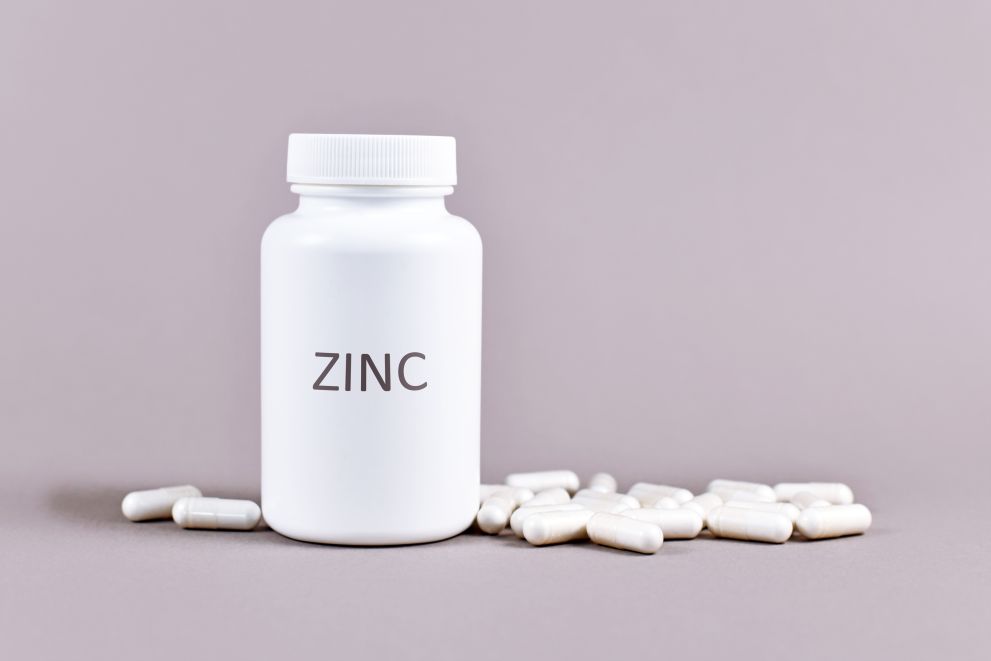
Zinc is an essential trace mineral involved in hundreds of enzymatic reactions that influence immune activity, cellular functions, and hormone regulation. Understanding the differences in formulation, dosage, and absorption rate of various zinc supplements can help you select the best product to support your nutritional needs.
Zinc is an essential trace mineral found in a wide range of plant and animal foods and is also available as a dietary supplement.
While all zinc supplements deliver zinc, they vary in chemical formulation, dosage strength, and absorption efficiency, which can influence how well this mineral is utilized and tolerated.
Discover the differences between common forms of zinc and learn how to choose the option best suited to your health and wellness goals.
What is zinc, and what does it do?
Zinc is a trace mineral and essential nutrient involved in the activity of more than 300 enzymes that support a wide range of physiological functions.
Research published in Nutrients shows that zinc interacts with approximately 3000 proteins in the human body, including many that regulate DNA metabolism and gene expression.
Zinc is also critical for supporting healthy growth and development, immune function, hormone and neurotransmitter production, as well as strengthening the body’s antioxidant activity.
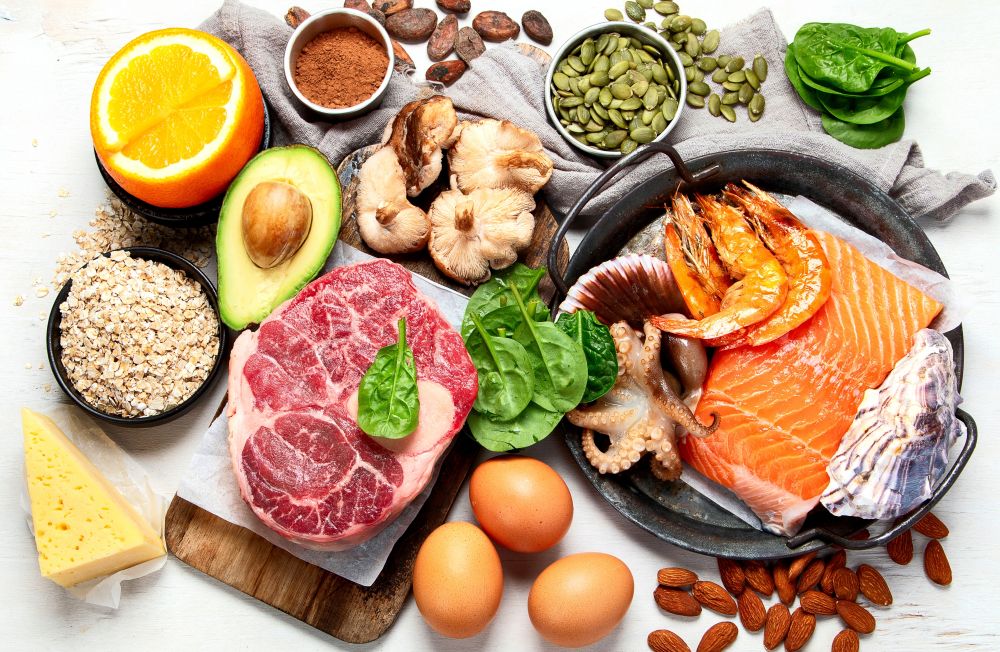
Foods rich in zinc include red meat, poultry, and seafood, with oysters ranking among the highest sources of dietary zinc available.
Animal-based sources generally provide more bioavailable zinc than plant sources. This is largely due to phytates, which are plant compounds that can bind to zinc and other minerals and reduce their absorption.
Although the body stores a significant amount of zinc in skeletal muscle and bone, these reserves primarily serve local tissue functions and cannot be easily mobilized to compensate for low circulating zinc levels.
Because the body cannot synthesize zinc, maintaining adequate levels depends on consistent intake through zinc-rich foods or supplemental zinc.
What are the different forms of zinc used in supplements?
In foods, elemental zinc doesn’t exist in isolation and is typically bound to proteins, phytates, or fiber, alongside a blend of other co-nutrients that help the body recognize and use it.
Dietary supplements mimic this by binding zinc to chelators or ligands, which typically include organic acids, inorganic salts, or amino acids, to stabilize reactive minerals.
However, the compound zinc is bound to can greatly influence its solubility, stability in the gut, and bioavailability, meaning how efficiently it’s absorbed and utilized.
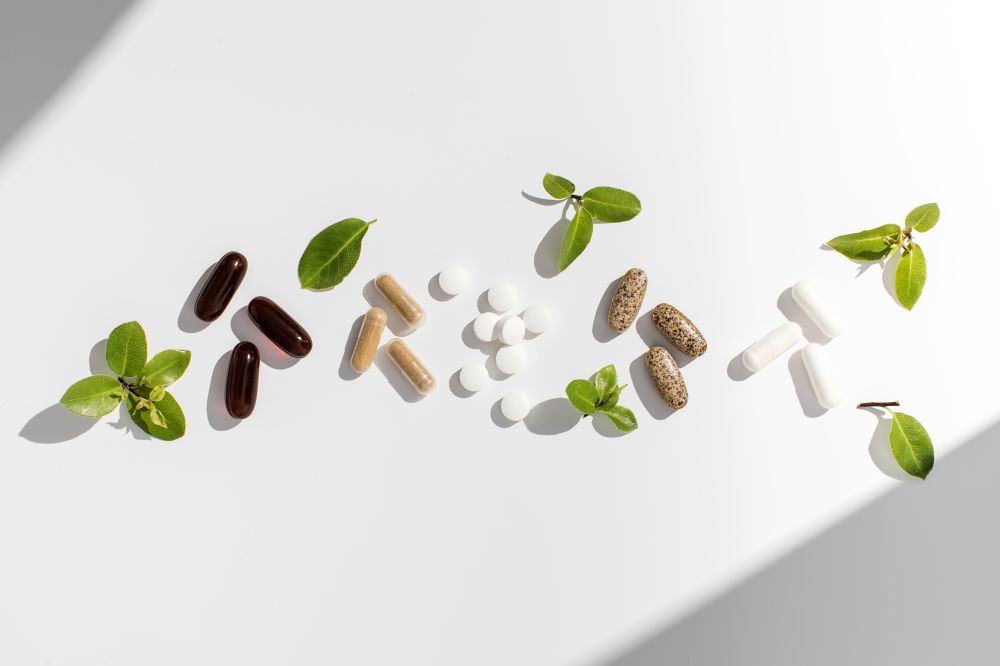
The most common forms of supplemental zinc include:
- Inorganic salts: zinc oxide and zinc sulfate
- Organic acid chelates: zinc gluconate, zinc citrate, zinc acetate, and zinc picolinate
- Amino acid chelates: zinc glycinate
- Other chelates: zinc-L-carnosine
Organic and amino acid-bound zinc, including picolinate, glycinate, and citrate, generally offer superior bioavailability and better digestive tolerance than inorganic forms such as zinc oxide or sulfate.
However, in complex multi-nutrient formulas, manufacturers may prioritize inorganic salts for their stability and space efficiency.
While these forms are convenient for broad-spectrum multivitamins, they may not optimize zinc absorption, as the priority is often shelf-life and formula efficiency rather than maximum bioavailability.
How much zinc do you need?
The amount of zinc an individual needs varies from person to person based on factors such as age, gender, and health status.
The National Institutes of Health (NIH) has established recommended dietary allowances (RDA) to guide daily zinc intake.
The RDA for zinc, based on age, gender, and life stage, is set as follows:
- 0 to 6 months: 2 mg
- 7 to 12 months: 3 mg
- 1 to 3 years: 3 mg
- 4 to 8 years: 5 mg
- 9 to 13 years: 8 mg
- 14 to 18 years
- Male: 11 mg
- Female: 9 mg
- 18 years and older
- Male: 11 mg
- Female: 8 mg
- Pregnant women: 11 mg
- Breastfeeding women: 12 mg
While these RDA help ensure basic health needs are met, the tolerable upper intake level for adults is 40 mg of zinc per day. Higher amounts of zinc have also been used in clinical settings for short-term therapeutic applications.
Factors that can influence zinc needs
Dietary habits, health status, and lifestyle choices can all influence zinc absorption and individual needs.
Phytates, found in whole grains and legumes, render zinc less bioavailable and limit how much the body can absorb in the digestive tract.
In contrast, higher dietary protein intake positively correlates with zinc status. This helps explain why animal-based diets tend to support better zinc bioavailability and why vegan or vegetarian diets carry a higher risk of inadequate zinc intake.
Several additional factors can further reduce zinc absorption or increase the body’s demand for zinc.
Older adults are particularly vulnerable to low zinc levels due to reduced dietary intake and age-related changes in digestion, including lower stomach acid production, which can impair mineral uptake.
In addition, gastrointestinal disorders that compromise nutrient absorption, excessive alcohol consumption, pregnancy, and excessive sweat loss due to intense physical activity or hot weather can all increase zinc needs.

How to choose a zinc supplement
Factors such as form, dosage, nutritional balance, and manufacturing quality can all influence how zinc is metabolized in the body.
Here are four key factors to consider when choosing a zinc supplement.
1. Delivery format
For short-term support of the throat and upper respiratory tract, zinc lozenges are typically preferred because they deliver zinc directly to the mouth and throat.
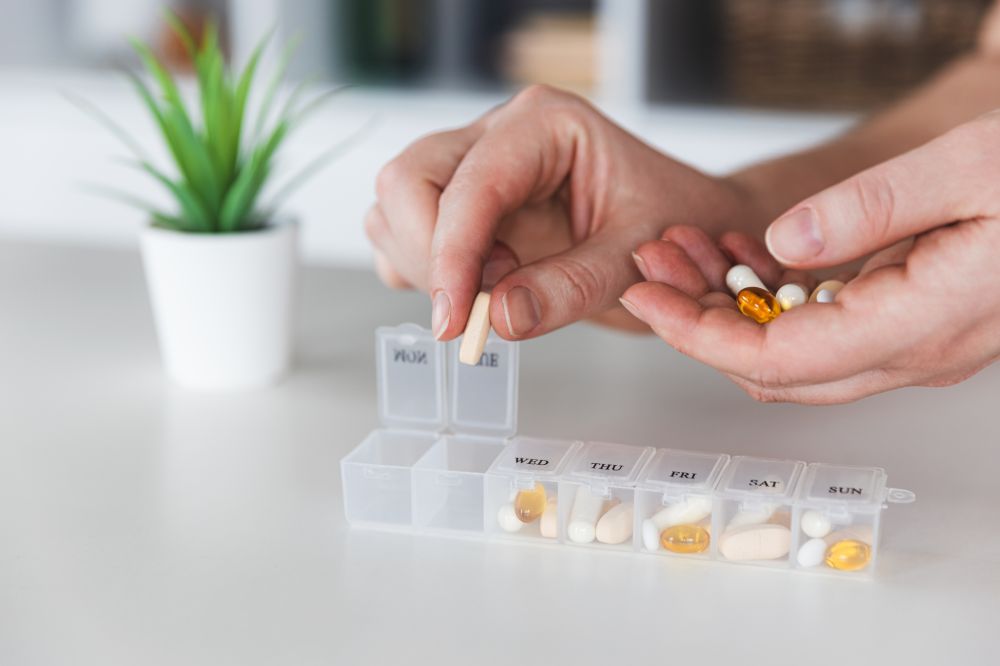
For daily whole-body support, capsules containing more bioavailable forms, such as zinc picolinate, zinc citrate, or zinc glycinate, are often better suited to maintaining healthy zinc levels.
2. Dosage
While higher doses of zinc are sometimes used short-term under medical supervision, repeated high-dose supplementation has been shown to reduce intestinal absorption over time.
The body downregulates zinc transporters in response to sustained high intake to help maintain zinc homeostasis.
For ongoing use, a zinc supplement with a moderate dose within the tolerable upper intake level of 40 mg is generally more effective at maintaining adequate levels than repeatedly taking large doses over time.
3. Zinc-to-copper ratio
It’s also important to consider mineral balance when choosing a zinc supplement, as high zinc intake can reduce copper absorption over time.
“Zinc and copper work together, and compete for absorption in the small intestine,” explains Dr. Berg. “Taking too much zinc relative to copper, or zinc without copper over time, can contribute to mineral imbalances.”
For this reason, many formulations include copper to help maintain trace mineral balance, and it’s recommended to choose a supplement that offers a 10:1 zinc-to-copper ratio.
4. Product quality
Whenever possible, choose products made in facilities that follow current Good Manufacturing Practices (cGMP) and that are tested by independent third-party organizations.
These quality standards help support the purity, potency, and overall safety of the supplement.

Who should be cautious with zinc supplementation?
While zinc is an essential nutrient, it can cause side effects such as nausea, vomiting, loss of appetite, abdominal cramps, and diarrhea in some individuals, especially when taken in high doses or on an empty stomach.
Zinc supplements can interact or interfere with certain medications, including antibiotics, diuretics, and chelating agents such as penicillamine.
Before incorporating nutritional supplements such as zinc into your routine, consult a healthcare provider to determine a supplementation schedule that works best for your individual needs.
Key takeaways
- Zinc is an essential mineral involved in over 300 enzymatic reactions that support immune function, cellular integrity, and hormone balance.
- The absorption of zinc is influenced by dietary protein intake, phytate consumption, gut health, age, and certain medications.
- Zinc supplements are available in several forms, each with a unique bioavailability profile.
- Organic and amino acid-chelated forms generally offer improved zinc absorption and better digestive tolerance than inorganic forms.
- It’s recommended to choose a product with a moderate daily zinc dosage that has been formulated with a 10:1 zinc-to-copper ratio to help support mineral balance.
FAQ
- 1. What is the difference between zinc gluconate and zinc picolinate?
- 2. What does “elemental zinc” mean on a label?
- 3. Are zinc lozenges different from capsules?
- 4. Can different zinc forms be used interchangeably?
Sources
- Lin PH, Sermersheim M, Li H, Lee PHU, Steinberg SM, Ma J. Zinc in wound healing modulation. Nutrients. 2017;10(1):16. doi:10.3390/nu10010016.
- Zinc – Consumer. Office of Dietary Supplements. Accessed 2026. https://ods.od.nih.gov/factsheets/Zinc-Consumer/
Related Articles
-
Zinc Chelate vs. Zinc Oxide Supplements
 Nutrition
Zinc Chelate vs. Zinc Oxide Supplements
At a glance Zinc chelate and zinc oxide are two forms of supplemental zinc. Although both contribute to zinc intake, they differ in structure, absorption, and how efficiently zinc is…07/16/2026 -
Natural vs. Synthetic Trace Minerals: Key Differences
 Nutrition
Natural vs. Synthetic Trace Minerals: Key Differences
At a glance Natural and synthetic trace mineral supplements differ in how they’re sourced and formulated, which can impact nutrient absorption, effectiveness, and tolerability. Naturally sourced trace minerals derived from…05/29/2026 -
Trace Mineral Supplements: Forms and How to Choose
 Nutrients
Trace Mineral Supplements: Forms and How to Choose
At a glance Trace mineral supplements provide nutrients that the body needs in small amounts. These minerals play important roles in energy production, enzyme function, immune health, bone strength, cardiovascular…05/21/2026 -
How to Get Rid of Toenail Fungus – 3 Natural Solutions
 Health concerns
How to Get Rid of Toenail Fungus – 3 Natural Solutions
At a glance Toenail fungus is a common nail infection often linked to environmental exposure to infectious microbes, nail injury, and poor metabolic or immune health. Natural topical solutions and…03/13/2026 33.6k views -
HPV Skin Tags: Causes and What to Do
 Health concerns
HPV Skin Tags: Causes and What to Do
At a glance While both skin tags and warts can be linked to human papillomavirus (HPV), they differ in appearance and how they affect the body. Targeted dietary and lifestyle…03/13/2026 16.6k views -
What Foods Are High in Zinc?
 Minerals
What Foods Are High in Zinc?
At a glance Zinc is an essential trace mineral involved in immune defenses, metabolism, hormone production, and muscle repair. Because the body doesn’t store zinc efficiently, regular dietary intake is…03/06/2026 5.9k views -
7 Nail Changes That May Be Linked to Nutrient Deficiencies
 Nutrition
7 Nail Changes That May Be Linked to Nutrient Deficiencies
At a glance Nails can serve as a biological record of your health, as changes in nail strength, shape, color, or texture may signal nutrient deficiencies. Supporting optimal nutrient levels…01/23/2026 33.4k views -
5 Supplements That Actually Work
 Nutrition
5 Supplements That Actually Work
At a glance Choosing the right supplements is crucial because the quality and bioavailability of nutrients significantly impact how well they support energy production, metabolic health, and immune balance. Many…12/19/2025 3.1k views -
Natural Remedies for Glaucoma
 Health concerns
Natural Remedies for Glaucoma
At a glance Glaucoma is a progressive eye condition that can lead to vision loss. Adopting a beneficial diet and lifestyle strategies can help support eye health. Additionally, prioritizing key…04/09/2025 20.3k views -
6 Zinc Benefits: Exploring Its Essential Role in Health and Wellness
 Nutrition
6 Zinc Benefits: Exploring Its Essential Role in Health and Wellness
At a glance There are numerous benefits to maintaining healthy zinc levels, as zinc is an essential trace mineral involved in hundreds of critical bodily processes. Since the body doesn’t…04/09/2025 24.7k views


