

At a glance
Many high-carb white foods, such as potato chips, breads, and coffee creamers, are highly processed, low in nutrients, and linked to poor metabolic health. However, several whole white foods provide valuable vitamins, minerals, and antioxidants. Choosing more nutritious white food options can help support better nutrition, metabolic balance, and healthier long-term eating habits.
White or beige foods are often used to describe a category of foods that are typically bland in flavor and pale in color, making them more appealing to picky eaters, especially children.
While many processed white foods lack nutritional value and don’t belong to a healthy diet, several white whole food options are packed with essential nutrients that support overall well-being.
Recognizing the difference between nutritious and unhealthy white foods can help picky eaters, as well as everyone else, make better dietary choices and create beneficial eating habits.
Are white foods bad?
Whether white foods are bad depends on the type, as some of these options are highly processed and lack nutritional value, while others offer significant health benefits.
Processed grains, such as white bread, rice, and refined pasta, are made by removing fiber and essential nutrients, leaving behind simple carbohydrates that spike blood sugar levels and can contribute to metabolic imbalance and poor heart health.
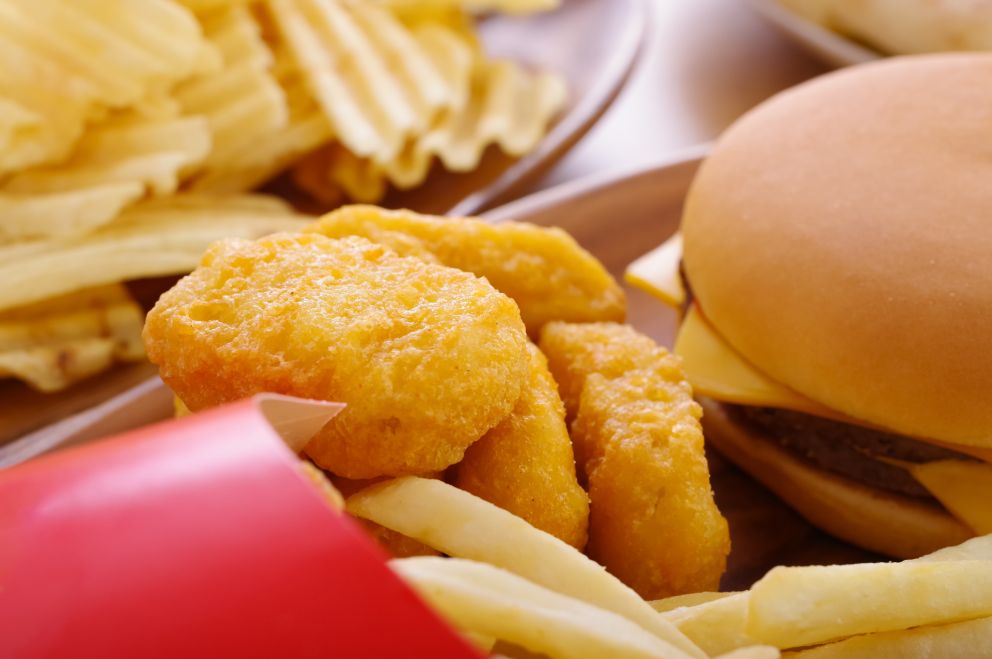
In addition, white foods like chips, fries, burgers, pastries, and sugary cereals are classified as ultra-processed foods (UPF) due to their high levels of refined carbs, modified starches, unhealthy fats, and artificial additives.
UPFs are designed to be hyper-palatable and addictive, which explains why processed white foods are common triggers of powerful cravings and unhealthy eating patterns.
Regular intake of these highly processed white foods is also associated with obesity, type 2 diabetes, heart disease, and cancer.
Research published in BMJ summarizes the health effects of UPFs as follows, ”Greater exposure to ultra-processed food was associated with a higher risk of adverse health outcomes, especially cardiometabolic, common mental disorder, and mortality outcomes.”
However, not all white foods are unhealthy. Various white fruits, vegetables, and protein options are excellent sources of vitamins, minerals, and antioxidants that support overall well-being, strengthen the immune system, and lower the risk of various diseases.
Watch the video below to learn how to encourage a picky eater to make better food choices.
White foods to avoid
Due to their poor nutritional value, increased risk of serious health issues, and potential to foster food addiction, the intake of processed white foods should be minimized or avoided.
Here are white or beige foods to avoid:
- White rice
- White bread
- White flour tortillas
- Refined pasta
- Crackers
- Pastries
- Cereals
- French fries
- Potato chips
- Fried chicken
- Burger buns
- Pizza
- White sugar
- Flavored yogurts
- Coffee creamers
- Instant mashed potatoes
- Ready-made white gravy and dressings
In addition to lacking essential nutrients, most of these white foods are high in carbohydrates, which trigger blood sugar fluctuations and contribute to insulin resistance.
Evidence published in StatPearls outlines the detrimental health consequences of a high-carb diet and insulin resistance, highlighting that this metabolic imbalance is a leading cause of obesity, heart disease, neurodegenerative disorders, and vision problems.
White foods to include in your diet
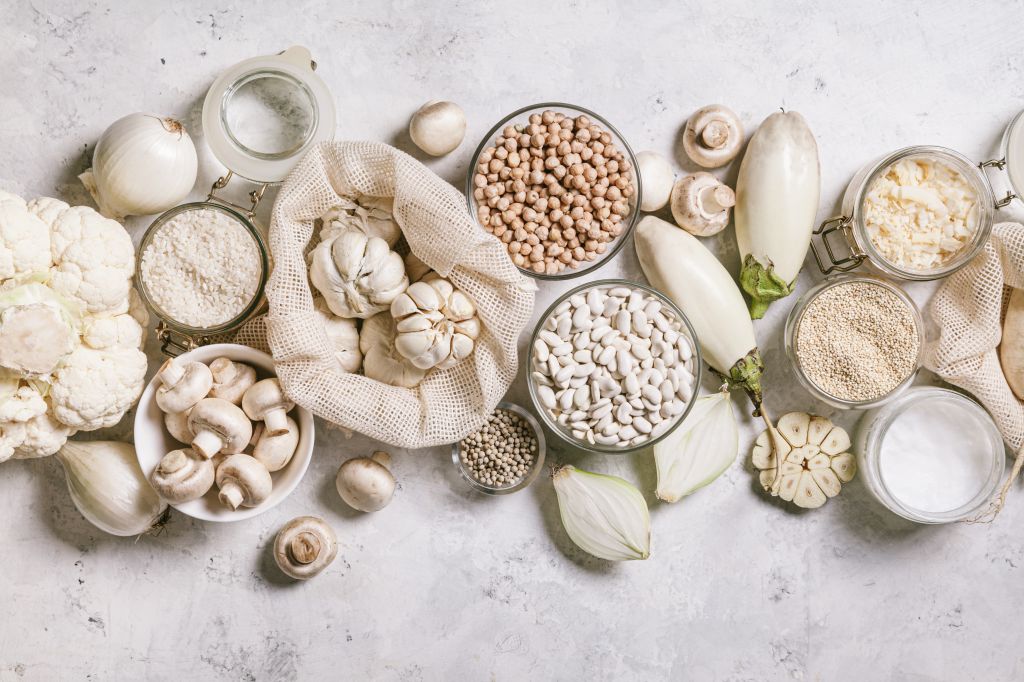
Incorporating healthy white foods can provide a variety of essential nutrients, including fiber, vitamins, minerals, antioxidants, and polyphenols.
Many white fruits and cruciferous vegetables are rich sources of vitamin C needed for robust immune defenses, as well as dietary fiber, which plays a crucial role in promoting gut health and balanced cholesterol levels.
In addition, white protein-rich foods such as yogurt offer calcium essential for skeletal health, while eggs are sources of choline and small amounts of vitamin D.
Here are nutritious white foods you should regularly include in your meal plan:
- Cauliflower
- Garlic
- Onion
- Cabbage
- Mushrooms
- Celery
- Full-fat yogurt
- Kefir
- Grass-fed butter
- Sour cream
- Cottage cheese
- Mozzarella
- Ricotta
- Hummus
- Eggs
- Fish
- Chicken
- Apples
- Pears
- Coconut
While certain white whole foods, such as certain fruits, white beans, turnips, quinoa, and potatoes, offer valuable nutrients, they also contain high amounts of carbohydrates.
For children, these foods can be part of a well-rounded, balanced diet, providing essential nutrients for growth, energy, and development. Younger kids tend to like these foods, as they’re often eaten plain, appealing to their simpler taste and texture preferences.
However, adults, especially those managing diabetes or following a low-carb ketogenic diet, should avoid white starchy foods, sweet fruits, and legumes.
The high carbohydrate content of these foods raises blood sugar levels, which can negatively impact blood sugar control and disrupt fat-burning and ketosis, counteracting the various health benefits of a high-fat diet.
Key takeaways
- Many white foods, including bread, pastries, chips, flavored yogurts, and fries, are highly processed, low in nutrients, and linked to poor metabolic health.
- Nutritious white whole foods such as cauliflower, garlic, onions, mushrooms, full-fat dairy, eggs, fish, and chicken provide essential vitamins, minerals, antioxidants, and protein.
- Some high-carb white foods, such as white beans, quinoa, turnips, potatoes, and certain fruits, may be suitable for children’s diets but can raise blood sugar levels and aren’t ideal for low-carb or ketogenic eating patterns, especially for adults with metabolic issues.
- Choosing minimally processed white whole foods while avoiding refined and ultra-processed options supports better nutrition, more stable blood sugar levels, and healthier long-term eating habits.
FAQ
- 1. Are white foods unhealthy?
- 2. What white foods should I avoid?
- 3. Can you lose weight by cutting out white foods?
- 4. How can I get my child to eat more than just white foods?
- 5. Are whole grains healthier than refined white grains?
Sources
Related Articles
-
What Are the Best and Worst Carbs?
 Nutrition
What Are the Best and Worst Carbs?
At a glance Carbohydrates can be a source of energy for the body, but their nutritional value can vary widely depending on the source. Some carbohydrate foods supply fiber, vitamins,…07/30/2026 -
Can You Drink Coffee While Fasting?
 Diet
DietCan You Drink Coffee While Fasting?
At a glance Fasting involves limiting food intake so the body can use stored energy and maintain steady metabolic function. Coffee can be consumed during a fast, and plain black…06/19/2026 -
Sugar Alcohols: What They Are and How They Affect Digestion
 Food and Drink
Sugar Alcohols: What They Are and How They Affect Digestion
At a glance Sugar alcohols are low-calorie sweeteners commonly used in sugar-free foods, chewing gum, desserts, and other processed foods. Unlike regular sugar, many sugar alcohols are not fully absorbed…05/21/2026 -
What Is Modified Food Starch?
 Foods to avoid
What Is Modified Food Starch?
At a glance Modified food starch is a widely used food additive and thickening agent. However, it may affect metabolic balance and gut health, particularly when consumed as part of…05/14/2026 -
How to Break a Weight Loss Plateau: 9 Simple Ways
 Keto
KetoHow to Break a Weight Loss Plateau: 9 Simple Ways
At a glance Weight loss plateaus typically occur when the body adapts to dietary and lifestyle changes, resulting in reduced energy requirements. Factors such as insulin resistance, poor sleep, and…05/08/2026 -
Keto on a Budget: Tips and Foods to Eat
 Diet
DietKeto on a Budget: Tips and Foods to Eat
At a glance A ketogenic diet can be maintained using simple, affordable whole foods rather than expensive specialty products. Prioritizing versatile ingredients and planning meals strategically can help reduce grocery…04/24/2026 -
How Many Calories Break a Fast?
 Fasting
How Many Calories Break a Fast?
At a glance Fasting keeps insulin levels low, allowing the body to burn stored fat and activate cellular repair processes. While any amount of calories technically breaks a fast, different…04/16/2026 -
Muscle Twitching on Keto: Causes and What to Do
 Diet
DietMuscle Twitching on Keto: Causes and What to Do
At a glance Muscle twitching is common when first starting keto and is often linked to shifts in fluid balance, electrolyte minerals, and digestive function as insulin levels remain steady.…03/19/2026 22.3k views -
What Is the Difference Between Virgin and Extra Virgin Olive Oil?
 Superfoods
What Is the Difference Between Virgin and Extra Virgin Olive Oil?
At a glance Virgin and extra virgin olive oils are both extracted from olives using mechanical methods, but extra virgin olive oil (EVOO) meets stricter quality standards. EVOO contains higher…03/06/2026 8.5k views -
Too Much Keto Weight Loss? What to Do If You’re Too Skinny
 Diet
DietToo Much Keto Weight Loss? What to Do If You’re Too Skinny
At a glance Keto weight loss often occurs rapidly during the early adaptation phase, primarily due to fluid loss rather than immediate fat reduction. While fat loss is expected, ongoing…03/06/2026 10.2k views


