


At a glance
Several factors, including dietary habits, food sensitivities, and gut health, can all contribute to temporary digestive discomfort while fasting. Understanding common triggers and using simple, natural strategies may help get rid of bloating while fasting and support smoother digestion as the body adapts to a new eating pattern.
Intermittent fasting has many health benefits, including weight loss, increased insulin sensitivity, and a reduced risk of cardiovascular disease.
However, those new to fasting may experience bloating, gas, discomfort, and other digestive issues as the gastrointestinal tract adapts to a new way of eating.
Learn what may trigger abdominal distension and how to get rid of bloating while fasting.
What is bloating?
Bloating is a digestive condition characterized by air or gas buildup in the gastrointestinal (GI) tract.
Abdominal bloating can be caused by various factors, including:
- Sensitivities to certain foods
- Carbonated beverages
- Hormonal changes
- Imbalanced gut microflora
- Stress
- Dehydration
- Eating too fast
- Swallowing too much air
Bloating can lead to abdominal discomfort, a feeling of fullness, and belly swelling. A bloated abdomen can also be associated with other symptoms, including flatulence and intestinal rumbling.
Approximately 25 percent of people experience occasional bloating, which is typically linked to excessive food intake or the consumption of gas-producing foods.
Bloating also affects up to 90 percent of those with irritable bowel syndrome (IBS) and inflammatory bowel disease (IBD), as well as an estimated 75 percent of women during their menstrual cycles.
Watch the video below to learn more about fasting-related bloating and its causes.
What causes bloating while fasting?
Although fasting generally helps keep your digestive system functioning properly, some people experience bloating while fasting.
Fasting-related bloating can have various causes, but it’s generally triggered by eating too much during the eating window. Overeating can strain the digestive system, leading to slow digestion, gas, and bloating.
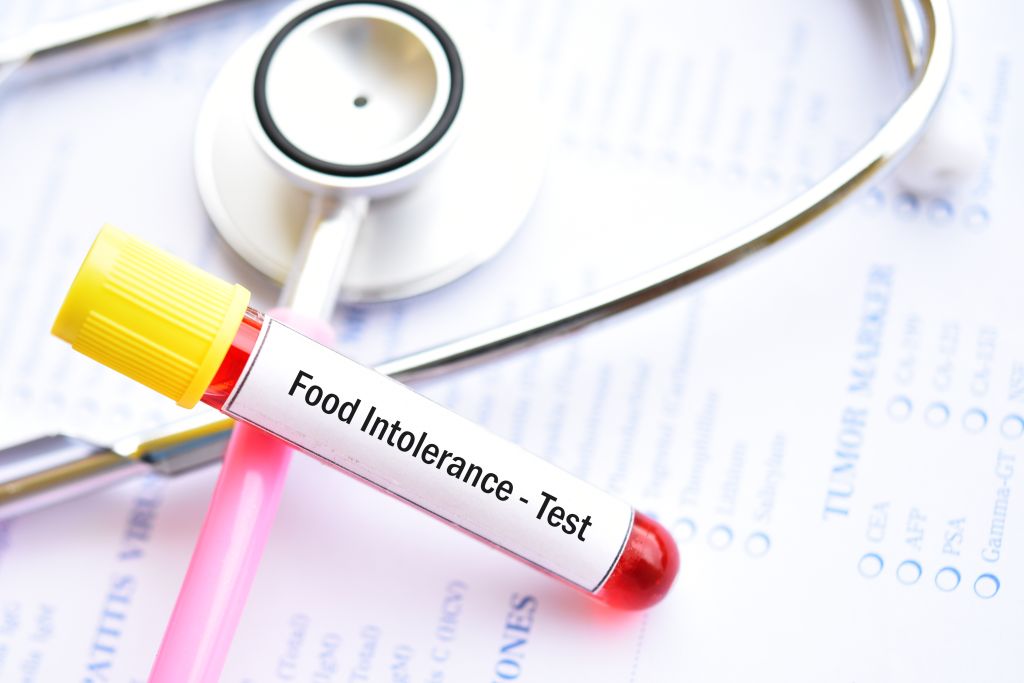
Food intolerances, such as gluten sensitivity or lactose intolerance, can inflame the digestive system, which can cause bloating immediately or hours after eating.
Fasting has been found to increase beneficial gut microbes. Changes to the composition of the intestinal microflora can cause temporary bloating as different bacterial strains become more dominant.
However, over time, this shift often leads to better digestion and reduced bloating as the gut adjusts to the new microbial environment.
Another common cause of bloating while fasting is dehydration. Optimal water intake aids digestion by helping break down food and softening stools.
Dehydration can stall digestion and lead to constipation, causing excess gas and bloating.
Is bloating while fasting normal?
Yes, it’s normal to bloat when switching to an intermittent fasting routine.
Bloating and other digestive issues can occur as the GI tract adjusts to the new eating schedule. Once your body adapts to fasting, these digestive issues typically improve.
However, bloating with additional symptoms, including nausea, diarrhea, constipation, or abdominal pain, may point to an underlying digestive problem.
It’s vital to contact a healthcare provider if bloating persists, is painful, or doesn’t resolve on its own.

How to get rid of bloating while fasting
Though bloating can last for a few hours, there are steps you can take to reduce discomfort and the time it takes to recover.
Here are four ways to alleviate bloating while fasting.
1. Drink peppermint tea
Peppermint is a natural antispasmodic, which relaxes muscles and helps move gas and stool along the digestive tract.
Herbal teas won’t break a fast or kick you out of ketosis, making peppermint tea a safe way to manage bloating during fasting periods.
Peppermint can also help reduce bloating, and evidence published in the Journal of General Gastroenterology found that peppermint contains natural compounds that support digestive function and gut health.1
2. Apply heat
Heat from a heating pad, warm compress, or bath can help ease pain and move trapped gas through the intestines.
Warmth relaxes the muscles and can support stress reduction, which may improve digestion and alleviate bloating.

3. Lightly exercise
Light exercises, such as walking, jogging, or stretching, have been shown to help expel gas and deflate a bloated stomach.
A study published in Gastroenterology and Hepatology from Bed to Bench found that incorporating light exercise after meals reduces bloating and improves other symptoms of digestive upset, including flatulence, belching, and abdominal discomfort.2
4. Abdominal massage
Massaging the abdomen along the large intestine can help relieve bloating-related discomfort and promote bowel movement.
It’s recommended to massage in gentle, circular motions starting from the right hip bone and moving up toward the bottom of the ribcage. Then, massage across the abdomen to the left rib cage and down to the left hip bone.
6 ways to prevent bloating while fasting
Bloating often results from overeating, but can occur for various other reasons. Luckily, there are natural ways to support digestion and decrease the risk of bloating during fasting periods.
Here are six ways to prevent bloating while fasting.
1. Avoid overeating
Intermittent fasting requires larger meals to compensate for the lack of calories and nutrients throughout the day. However, overeating in a short amount of time can overwhelm the digestive system and lead to bloating.
It’s recommended to eat slowly until comfortably full to prevent bloating while practicing intermittent fasting.
2. Identify potential trigger foods
Dairy and gluten are common food sensitivities that cause bloating, along with gas-producing foods, such as beans, apples, and certain artificial sweeteners.
Vegetables high in dietary fiber, including Brussels sprouts, broccoli, and cabbage, can also cause excess gas and bloating.
It’s recommended to keep a food diary to pinpoint specific foods that may lead to digestive issues and bloating.
3. Separate foods
Eating too many different types of food at once can slow digestion and lead to more gas buildup in the GI tract.
“When you combine multiple food groups, it can strain the digestive system,” explains Dr. Berg. “Large meals with various foods require more enzymes and are harder to digest, which can cause bloating.”
Spacing out meals and avoiding eating many different types of foods in one meal can help reduce the risk of bloating. An example would be to consume vegetables and then eat protein and fat an hour or two later to give the body time to digest.

4. Support stomach acid production
Stomach acid breaks down food and stimulates the gallbladder to release bile, a crucial digestive fluid needed to emulsify fats into smaller particles for absorption.
Inadequate stomach acid levels can lead to partially undigested food, which can strain the digestive system and cause bloating and other digestive discomforts.
Apple cider vinegar (ACV) contains acetic acid, an organic acid that supports digestive processes and enhances the stomach’s acidity levels.
Combine one tablespoon of ACV in eight ounces of water and consume before a meal to boost stomach acid and promote optimal digestion.
5. Manage stress
Chronic stress can cause bloating and may contribute to gastrointestinal diseases. Managing stress with breathing exercises can help keep the digestive system functioning correctly.
Research published in the Journal of Physiology and Pharmacology found that “Stress results in alterations of the brain-gut interactions (“brain-gut axis”), ultimately leading to the development of a broad array of gastrointestinal disorders.”3
Researchers also found that constant exposure to stress increases the risk of gut dysbiosis and intestinal permeability, widely known as leaky gut. Intestinal permeability can lead to serious health issues, including autoimmune diseases, skin problems, and chronic fatigue.

How long does it take for bloating to go away?
Bloating usually resolves within a few hours as food is processed through the digestive tract.
Episodes of fasting-related bloating typically improve as the digestive tract adjusts to time-restricted eating, and the intestinal microflora adapts to time-restricted eating.
Persistent cases of bloating may benefit from an elimination diet, which removes potential irritants such as dairy, gluten, eggs, processed foods, and carbonated drinks.
In some situations, it’s important to distinguish ascites vs belly fat when evaluating long-term abdominal swelling or changes in waistline appearance.
Avoiding these triggers can lead to immediate relief and help manage bloating effectively.
However, feeling bloated for extended periods may indicate an underlying digestive issue. Those who can’t find relief with natural remedies should contact their healthcare provider for a thorough evaluation of their symptoms.
Key takeaways
- Bloating while fasting often occurs when large meals overwhelm digestion during the eating window, leading to gas buildup and abdominal discomfort.
- Food sensitivities, such as lactose or gluten intolerance, as well as gas-forming vegetables and combining too many food types in one meal, can contribute to bloating.
- Dehydration can slow down digestion and promote constipation, which in turn increases the likelihood of bloating while fasting.
- Natural remedies such as drinking peppermint tea, light walking, gentle abdominal massage, or applying heat may help ease fasting-related bloating.
- Eating slowly, identifying trigger foods, spacing out food types, and supporting stomach acid production can help maintain smoother digestion during an intermittent fasting routine.
FAQ
- 1. How can I get rid of bloating while fasting?
- 2. Is it normal to bloat while fasting?
- 3. How do you quickly relieve bloating?
- 4. Why is my stomach bloated when I haven’t eaten?
- 5. Can an empty stomach cause bloating?
Sources
- https://pubmed.ncbi.nlm.nih.gov/24100754/ ↩︎
- https://www.ncbi.nlm.nih.gov/pmc/articles/PMC8035544/ ↩︎
- https://pubmed.ncbi.nlm.nih.gov/22314561/ ↩︎
Related Articles
-
Fasting on Workdays: A Practical Approach
 Diet
DietFasting on Workdays: A Practical Approach
At a glance Time-restricted eating may be one of the most practical forms of intermittent fasting for busy workdays. When paired with the right dietary strategy, a consistent fasting schedule…09/24/2026 -
What to Eat After a 72-Hour Fast and What to Avoid
 Diet
DietWhat to Eat After a 72-Hour Fast and What to Avoid
At a glance A 72-hour fast shifts the body toward greater reliance on stored fat and changes how nutrients are handled when eating is resumed. Reintroducing food afterward can affect…09/18/2026 -
Fasting Hunger Waves: How to Ride Them Out
 Diet
DietFasting Hunger Waves: How to Ride Them Out
At a glance Intermittent fasting may support weight loss, fat burning, and metabolic health by lowering insulin levels and shifting the body toward using fat stores for fuel. Fasting hunger…09/10/2026 -
7 Common Intermittent Fasting Myths Debunked
 Diet
Diet7 Common Intermittent Fasting Myths Debunked
At a glance Intermittent fasting is an increasingly popular dietary pattern that is often misunderstood. Many common concerns surrounding intermittent fasting, including muscle loss, hormonal disruption, and metabolic slowdown, are…09/03/2026 -
What Is Time-Restricted Eating?
 Diet
DietWhat Is Time-Restricted Eating?
At a glance Time-restricted eating is a form of intermittent fasting that limits meals to a consistent daily eating window. This approach focuses on when food is consumed rather than…08/13/2026 -
Does Intermittent Fasting Affect Your Metabolism?
 Diet
DietDoes Intermittent Fasting Affect Your Metabolism?
At a glance Intermittent fasting impacts metabolism by shifting the body towards ketosis, improving insulin sensitivity, and enhancing metabolic flexibility. While fasting can support weight management and metabolic efficiency, results…07/23/2026 -
What Is the Best Meal Timing for Stable Energy?
 Diet
DietWhat Is the Best Meal Timing for Stable Energy?
At a glance Meal timing can influence daily alertness, hunger cues, and blood sugar patterns. The body processes food according to internal rhythms that affect insulin, digestion, and metabolic activity.…07/17/2026 -
Fasting and Cancer: What to Know
 Fasting
Fasting and Cancer: What to Know
At a glance Fasting has been increasingly studied for its potential role in cancer prevention and support during treatment. By influencing cellular metabolism, promoting autophagy, and modulating immune function, fasting…07/16/2026 -
36-Hour Fasting: Benefits, Safety, and How It Works
 Diet
Diet36-Hour Fasting: Benefits, Safety, and How It Works
At a glance A 36-hour fast is a prolonged fasting strategy that shifts the body into ketosis, promoting fat burning, improved insulin sensitivity, and cellular repair through autophagy. These metabolic…06/25/2026 -
Does Fasting Help with Inflammation?
 Diet
DietDoes Fasting Help with Inflammation?
At a glance Fasting is a powerful tool for reducing inflammation and supporting overall health. By promoting fat burning and activating cellular repair processes, fasting can help lower pro-inflammatory markers.…06/05/2026


