

At a glance
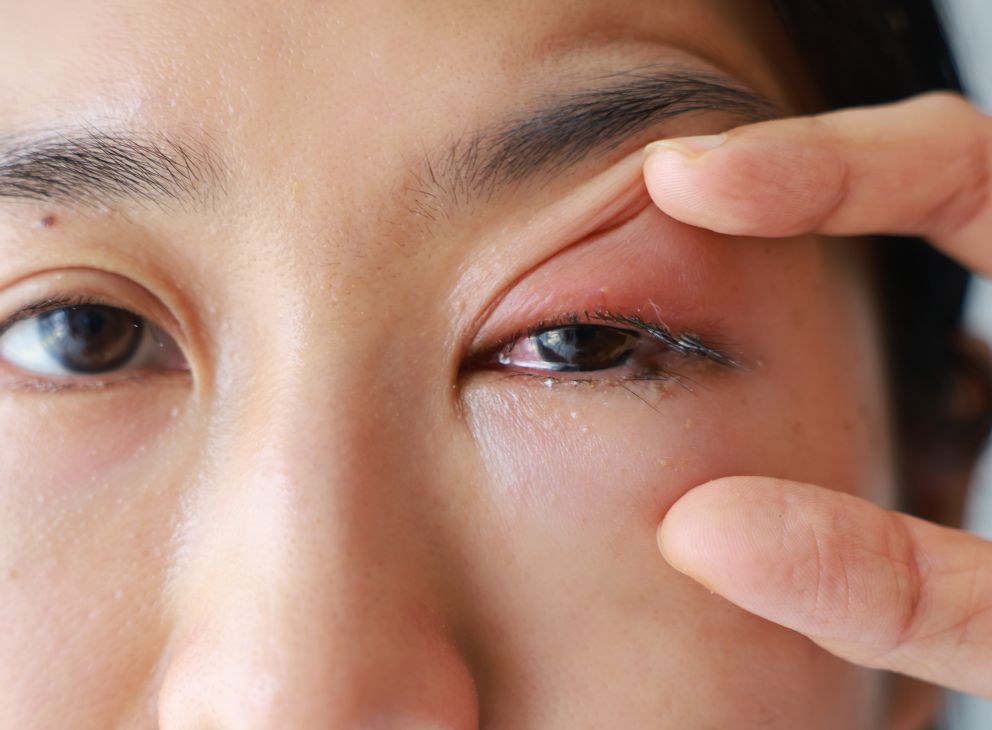
Inflamed eyelids can develop when the structures that protect, lubricate, and support the eyes are disrupted. Common contributors include blocked oil glands, allergies, infections, or trauma to the eye area. Symptom management typically involves gentle eyelid cleansing, the use of warm compresses, and avoiding products that may exacerbate irritation.
Inflamed eyelids occur when the delicate skin along the eyelid margins becomes irritated and swollen, often due to impaired protection mechanisms.
This irritation can stem from a range of internal and external factors, including skin conditions, environmental exposures, trauma, and immune responses.
Let’s take a closer look at the most common reasons for eyelid inflammation and how to relieve discomfort with simple but effective natural remedies.
5 causes of inflamed eyelids
Inflamed eyelids can develop suddenly and are often accompanied by symptoms such as redness, swelling, itchiness, burning, tearing, or a feeling of grittiness in the eyes.
Here are five possible causes of inflamed eyelids and practical steps that help support comfort.
1. Blepharitis
Blepharitis is characterized by chronic inflammation of the eyelid margin, the area where the eyelashes grow, and the oil glands open onto the eye’s surface.
This condition is often associated with bacterial overgrowth or skin conditions, such as dandruff or rosacea.
Common symptoms of blepharitis include eyelid swelling, redness along the lash line, flaking, burning, a gritty feeling, light sensitivity, and itchy eyelids.
To manage blepharitis, it’s vital to practice good eyelid hygiene, which focuses on gently cleaning the eyelid skin to remove oil buildup and debris that can irritate the area.
Using warm water with diluted baby shampoo, along with warm compresses, also helps soften stubborn residue and support oil flow, which can ease eye irritation and inflammation over time.
2. Styes and chalazia
A stye forms when a gland along the edge of the lower or upper eyelid becomes infected with bacteria, most often Staphylococcus species. This can create a painful bump that becomes red and tender, leading to swollen eyelids and noticeable inflammation.
Individuals with oily skin may be more susceptible to gland blockages, which can increase the risk of developing a stye and associated eyelid inflammation.
A chalazion typically develops gradually when an oil gland becomes blocked and inflamed, and it often doesn’t cause significant pain.
Both styes and chalazias disrupt normal oil release, which affects the eye’s tear film integrity and can contribute to ongoing eyelid irritation.
To manage irritation caused by a stye or chalazia, it’s recommended to apply warm compresses to support drainage and help reduce swelling along the eyelid.
Gentle eyelid cleansing also aids in recovery by keeping the gland openings clear, which is particularly beneficial for chalazia linked to ongoing blockage.
Furthermore, avoid squeezing or rubbing the eyelid, as this can worsen irritation. If symptoms persist or vision is affected, an ophthalmologist can help determine the appropriate next steps.

3. Allergies
Allergens are substances that can trigger an immune response when they come into contact with the body.
When allergen exposure occurs, the immune system identifies these substances as a threat and releases messengers such as histamine, a chemical that triggers inflammation and swelling.
A study published in Clinical Ophthalmology found that common allergy triggers linked to eyelid irritation include metals, fragrances, preservatives, certain antibiotics, and ingredients found in cosmetics.
Additionally, pollen and dust mites can irritate the delicate eyelid tissue, causing redness, swelling, and itching.
Limiting direct contact with allergens can help calm irritation and reduce the strain on the sensitive skin around the eyes.
Gently cleansing the area with fragrance-free products helps remove eye crust, pollen, dust, and cosmetic residue that may accumulate over time.
Paying close attention to ingredient labels and adjusting your routines when wearing eye makeup can also help identify substances that may contribute to inflammation.
Watch the video below to learn about the most common causes of crusty eyes.
4. Conjunctivitis
Conjunctivitis, widely known as pink eye, occurs when the thin membrane covering the white part of the eye and the inner eyelid becomes inflamed, causing redness.
“Viruses and bacteria can trigger pink eye, and these infectious forms are highly contagious, spreading easily from one eye to the other through direct or indirect contact,” explains Dr. Berg.
When the inner eyelid becomes infected, the surrounding tissue can swell, contributing to inflamed eyelids and overall eye discomfort.
It’s vital to wash your hands thoroughly before and after touching the eye area, as chronic pink eye can spread easily.
What’s more, use separate towels, washcloths, and pillowcases, and change these items daily to prevent the transmission of the infection to other people.
Gently wiping away discharge with a clean, damp cloth also helps limit buildup that can worsen swelling in the surrounding eyelid tissue.
5. Injury or trauma
Injuries to the eye area can cause inflamed eyelids when delicate tissue absorbs stress from events such as an insect bite, repeated rubbing, or irritation that can occur when you wear contact lenses.
These injuries often result in noticeable swelling, redness, tenderness, and localized soreness as the eyelid responds to strain and damage.
Because the eyelids play a direct role in protecting the eye, inflammation from trauma can make blinking uncomfortable and may temporarily affect the eye’s appearance or function.
It’s recommended to apply a cool, clean compress to the affected area for short intervals to help control swelling and reduce tenderness without pressing on the eye.
Avoid rubbing or touching the eyelid, as additional friction can worsen tissue irritation and prolong inflammation.
Prioritizing foods rich in eye-health-supportive nutrients can further help maintain normal tissue function may also play a role in resilience during healing.
If swelling spreads, pain intensifies, or blinking becomes increasingly uncomfortable, it’s critical to consult a healthcare provider to assess the injury and rule out deeper tissue involvement.

When to talk to your doctor
Contact a healthcare professional if eyelid swelling is severe, continues to worsen, or doesn’t improve after a few days of consistent home care.
Ongoing inflammation, accompanied by increasing redness, tenderness, thick discharge, or crusting, may signal a bacterial infection or another underlying issue.
Fever, heightened light sensitivity, or changes in how the eye feels or moves should also prompt a timely check.
Seek medical care right away if you notice sudden changes in vision, intense eye pain rather than surface discomfort, visible bulging of the eye, or unexpected drooping of the eyelid.
These symptoms may indicate more serious issues or the spread of an eyelid infection and require urgent attention.
Key takeaways
- Five common causes of inflamed eyelids include blepharitis, styes and chalazia, allergic reactions, conjunctivitis, and physical injury to the eye area.
- These conditions can cause symptoms such as swelling, redness, itching, tenderness, discharge, or discomfort with blinking.
- Care focuses on gentle eyelid cleansing, appropriate compresses, and avoiding irritants.
- It’s vital to seek medical care if symptoms persist, worsen, or are accompanied by fever, malaise, or body aches.
FAQ
- 1. What causes inflamed eyelids?
- 2. Can allergies trigger eyelid inflammation?
- 3. Can inflammation of the eyelids be serious?
- 4. What are the best remedies for inflamed eyelids?
Source
Related Articles
-
Does Fasting Help with Inflammation?
 Diet
DietDoes Fasting Help with Inflammation?
At a glance Fasting is a powerful tool for reducing inflammation and supporting overall health. By promoting fat burning and activating cellular repair processes, fasting can help lower pro-inflammatory markers.…06/05/2026 -
What Is Modified Food Starch?
 Foods to avoid
What Is Modified Food Starch?
At a glance Modified food starch is a widely used food additive and thickening agent. However, it may affect metabolic balance and gut health, particularly when consumed as part of…05/14/2026 -
Food Preservatives: Types, Safety, and Health Effects
 Nutrition
Food Preservatives: Types, Safety, and Health Effects
At a glance Food preservatives are common additives in packaged and processed food products that help extend shelf life and prevent spoilage. While some preservatives are derived from natural sources…04/03/2026 -
Nitric Oxide and Viagra: What’s the Connection?
 Health concerns
Nitric Oxide and Viagra: What’s the Connection?
At a glance Nitric oxide is a key signaling molecule that relaxes blood vessels, improves circulation, and supports sexual functions. Viagra works by prolonging the effects of nitric oxide, which…03/19/2026 5.9k views -
Natural Flavors vs. Artificial Flavors
 Nutrition
Natural Flavors vs. Artificial Flavors
At a glance Both natural and artificial flavors are widely used in everyday food products to enhance their taste and aroma. It’s generally known that artificial flavoring substances are linked…03/12/2026 -
4 Asthma Remedies to Try at Home
 Health concerns
4 Asthma Remedies to Try at Home
At a glance Asthma is a chronic inflammatory condition that narrows the airways and makes breathing difficult, especially during asthma attacks. While conventional care is often necessary, natural asthma remedies…03/06/2026 17.6k views -
What Is the Top Cause of Rosacea?
 Health concerns
What Is the Top Cause of Rosacea?
At a glance Rosacea is a chronic skin condition marked by facial redness and discomfort. The cause of rosacea extends beyond the skin, with growing research highlighting the connection between…02/20/2026 8.1k views -
Why You’re Not Losing Belly Fat on Keto
 Diet
DietWhy You’re Not Losing Belly Fat on Keto
At a glance Shedding stubborn belly fat may require more than cutting carbs. Insulin levels, stress hormones, liver function, and muscle mass all influence how efficiently your body can access…02/20/2026 13k views -
Can Iron Tablets Make You Feel Sick?
 Nutrition
Can Iron Tablets Make You Feel Sick?
At a glance Iron tablets can make you feel sick by irritating the intestines, altering the gut microbiome, and potentially damaging intestinal cells. While iron is essential in trace amounts,…02/13/2026 6.5k views -
Can Vitamin C Help With Receding Gums?
 Nutrition
Can Vitamin C Help With Receding Gums?
At a glance Vitamin C plays a critical role in maintaining healthy gums by supporting collagen synthesis and strengthening connective tissue. Inadequate vitamin C intake can weaken gum structure and…02/06/2026 14.2k views


