


At a glance
Coconut oil pulling is a traditional oral care practice that involves swishing oil in the mouth to support gum health. Coconut oil is commonly used due to its high lauric acid content, which has antimicrobial properties that may contribute to improved oral hygiene. While oil pulling may offer benefits such as fresher breath, it isn’t a substitute for brushing and flossing.
Oil pulling is an ancient holistic medicine practice that utilizes sunflower oil, sesame oil, or coconut oil to clean the mouth, eliminate oral bacteria, and support overall gum health.
Coconut oil is a popular choice for oil pulling and is praised for its ability to lessen bad breath and reduce plaque, but are there any coconut oil pulling dangers?
Discover the benefits of oil pulling and learn about the potential downsides of this oral care practice.
What is oil pulling?
Oil pulling is an ancient oral health practice that originated from traditional Ayurvedic medicine in India and Southern Asia thousands of years ago.
It involves swishing an edible oil around the mouth for up to 20 minutes to eliminate bacteria, combat bad breath, and improve overall oral health.
Though sesame oil has traditionally been used for oil pulling, other oils such as coconut, sunflower, and olive oil are also suitable options.
Watch the video below to discover the benefits of coconut oil for plaque and tartar.
Why coconut oil is best for oil pulling
Coconut oil is a popular option for oil pulling due to its pleasant taste and high concentrations of lauric acid.
Lauric acid is a medium-chain fatty acid (MCT) with potent antimicrobial properties that has been shown to inhibit the function of microbes linked to tooth decay and gum disease.
“Coconut oil has powerful antibacterial and antimicrobial effects,” explains Dr. Berg. “Oil pulling for at least ten minutes daily can help prevent plaque buildup and improve dental health.”
A study published in Advances in Experimental Medicine and Biology found that lauric acid is highly effective against Streptococcus bacteria. This bacterial strain is commonly found in the grooves and surfaces of teeth and is linked to the development of dental cavities and periodontal disease.
Lauric acid is also effective against Candida albicans. This type of yeast can proliferate in the mouth, leading to oral thrush, characterized by white lesions on the tongue, throat, and palate.
Coconut oil pulling dangers
Coconut oil is a natural, healthy fat with antibacterial properties that has shown benefits for improving oral health.
While oil pulling isn’t dangerous, there are some potential downsides to consider before using this ancient practice for oral care.
The most common side effects of oil pulling are jaw soreness, dry mouth, and thirst. Oil pulling may also cause nausea or temporarily reduce taste and sensation in the mouth.
Additionally, the American Dental Association (ADA) doesn’t recognize coconut oil pulling as conclusively effective, stating that there’s a lack of scientific evidence to suggest that oil pulling can replace proven oral hygiene practices, such as tooth brushing and flossing.

Coconut oil pulling benefits
Coconut oil has been shown to have antibacterial and antifungal properties, which may help clean the mouth and lower the risk of various dental and oral diseases.
Here are four benefits of oil pulling for oral health.
1. Fights plaque and tartar buildup
Dental plaque is a colorless, sticky layer of bacteria and minuscule food particles that form a film on the teeth.
Plaque development is normal and can be removed with daily brushing and professional cleanings, though poor oral hygiene can lead to plaque buildup, cavities, and disease.
Tartar is an advanced form of plaque that hardens and forms yellow deposits on teeth. Tartar can’t be removed with brushing and requires a dentist or hygienist to scale it from the teeth and below the gum line.
Because coconut oil pulling helps eliminate plaque-causing bacteria, it may prevent plaque formation, reduce the risk of tartar, and contribute to healthier-looking, whiter teeth.
2. May improve bad breath
Halitosis, or chronic bad breath, is typically caused by sulfur-producing bacteria on the tongue, throat, or teeth in the form of plaque.
Research shows that coconut oil pulling is as effective at improving bad breath as chlorhexidine, an antiseptic agent commonly used in various mouthwashes.
A study published in the Journal of the Indian Society of Pedodontics and Preventive Dentistry concluded, “Oil pulling therapy has been equally effective like chlorhexidine on halitosis and organisms associated with halitosis.”

3. Supports overall oral health
Due to its lauric acid content, oil pulling with coconut oil may reduce the risk of periodontal diseases such as gingivitis, promoting overall oral and dental health.
Gingivitis is characterized by gum inflammation, mouth sores, bleeding gums, tooth sensitivity, and other symptoms. It’s caused by bacterial infections linked to plaque and tartar buildup on the teeth and around the gums.
Gingivitis can worsen to periodontitis, a more severe form of gum disease and a leading cause of tooth loss.
Research published in the Nigerian Medical Journal found that oil pulling with coconut oil significantly reduced the formation of plaque-induced gingivitis over a 30-day period.
4. Protects against tooth decay
Dental caries, widely known as cavities, is one of the most common dental issues. It’s estimated that nearly 90 percent of Americans develop at least one cavity within their lifetime.
Cavities are typically caused by oral bacteria that feed on sugars and produce acids that can lead to enamel breakdown, advanced decay, pain, and even tooth death.
A study published in the Journal of International Society of Preventive and Community Dentistry found that oil pulling with coconut oil significantly reduced Streptococcus mutans, a type of cavity-causing bacterial strain.
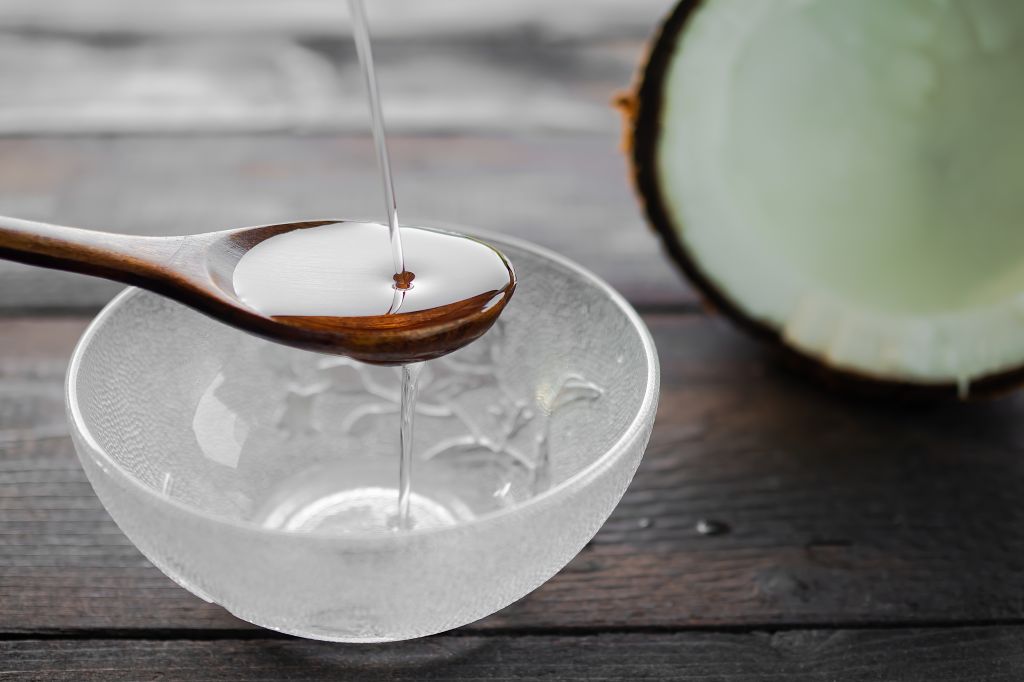
How to practice oil pulling
Practicing oil pulling at home is simple. To see the most benefits, it’s recommended to use virgin coconut oil and perform oil pulling before brushing your teeth in the morning.
To oil pull, follow these steps:
- Swish one tablespoon of virgin coconut oil in your mouth for 15 to 20 minutes. If your jaw aches, you can oil pull for as little as five minutes.
- Pull the coconut oil through your teeth, ensuring it covers the entire oral cavity.
- Spit the oil into the trash can or outside on the grass to prevent clogging your sink pipes.
- Brush your teeth thoroughly and rinse with water or a homemade mouthwash.
Avoid swallowing the coconut oil while oil pulling, as it could upset your stomach and introduce potentially harmful bacteria from your mouth into the gastrointestinal tract.
Swishing oil on a full stomach can cause discomfort or nausea in some individuals, and it’s best to start oil pulling on an empty stomach to prevent these potential side effects.
Key takeaways
- Coconut oil pulling may help reduce plaque and bad breath due to its lauric acid content.
- Oil pulling can support oral hygiene, but doesn’t replace proven practices like brushing and flossing.
- Potential downsides include jaw soreness, dry mouth, nausea, and temporary changes in taste.
- When used correctly, coconut oil pulling can be a supportive addition to a broader oral hygiene routine.
FAQ
- 1. What does oil pulling do?
- 2. Is coconut oil pulling good for you?
- 3. Are there negatives to coconut oil pulling?
- 4. Do dentists recommend coconut oil pulling?
- 5. Do you brush your teeth before or after oil pulling?
Sources
- Bhardwaj V. Antimicrobial Potential of Cocos nucifera (Coconut) Oil on Bacterial Isolates. Adv Exp Med Biol. 2025;1476:1-8. https://pubmed.ncbi.nlm.nih.gov/37594604/
- Oil Pulling. mouthhealthy.org. Accessed 2026. https://www.mouthhealthy.org/all-topics-a-z/oil-pulling/
- Asokan S, Kumar RS, Emmadi P, Raghuraman R, Sivakumar N. Effect of oil pulling on halitosis and microorganisms causing halitosis: a randomized controlled pilot trial. J Indian Soc Pedod Prev Dent. 2011;29(2):90-4. https://pubmed.ncbi.nlm.nih.gov/21911944/
- Peedikayil FC, Sreenivasan P, Narayanan A. Effect of coconut oil in plaque related gingivitis – A preliminary report. Niger Med J. 2015;56(2):143-7. https://pubmed.ncbi.nlm.nih.gov/25838632/
- Peedikayil FC, Remy V, John S, Chandru TP, Sreenivasan P, Bijapur GA. Comparison of antibacterial efficacy of coconut oil and chlorhexidine on Streptococcus mutans: An in vivo study. J Int Soc Prev Community Dent. 2016;6(5):447-452. https://pubmed.ncbi.nlm.nih.gov/27891311/
Related Articles
-
Does Fasting Help with Inflammation?
 Diet
DietDoes Fasting Help with Inflammation?
At a glance Fasting is a powerful tool for reducing inflammation and supporting overall health. By promoting fat burning and activating cellular repair processes, fasting can help lower pro-inflammatory markers.…06/05/2026 -
What Is Modified Food Starch?
 Foods to avoid
What Is Modified Food Starch?
At a glance Modified food starch is a widely used food additive and thickening agent. However, it may affect metabolic balance and gut health, particularly when consumed as part of…05/14/2026 -
Food Preservatives: Types, Safety, and Health Effects
 Nutrition
Food Preservatives: Types, Safety, and Health Effects
At a glance Food preservatives are common additives in packaged and processed food products that help extend shelf life and prevent spoilage. While some preservatives are derived from natural sources…04/03/2026 -
Nitric Oxide and Viagra: What’s the Connection?
 Health concerns
Nitric Oxide and Viagra: What’s the Connection?
At a glance Nitric oxide is a key signaling molecule that relaxes blood vessels, improves circulation, and supports sexual functions. Viagra works by prolonging the effects of nitric oxide, which…03/19/2026 5.9k views -
Natural Flavors vs. Artificial Flavors
 Nutrition
Natural Flavors vs. Artificial Flavors
At a glance Both natural and artificial flavors are widely used in everyday food products to enhance their taste and aroma. It’s generally known that artificial flavoring substances are linked…03/12/2026 -
4 Asthma Remedies to Try at Home
 Health concerns
4 Asthma Remedies to Try at Home
At a glance Asthma is a chronic inflammatory condition that narrows the airways and makes breathing difficult, especially during asthma attacks. While conventional care is often necessary, natural asthma remedies…03/06/2026 17.6k views -
What Is the Top Cause of Rosacea?
 Health concerns
What Is the Top Cause of Rosacea?
At a glance Rosacea is a chronic skin condition marked by facial redness and discomfort. The cause of rosacea extends beyond the skin, with growing research highlighting the connection between…02/20/2026 8.1k views -
Why You’re Not Losing Belly Fat on Keto
 Diet
DietWhy You’re Not Losing Belly Fat on Keto
At a glance Shedding stubborn belly fat may require more than cutting carbs. Insulin levels, stress hormones, liver function, and muscle mass all influence how efficiently your body can access…02/20/2026 13k views -
Can Iron Tablets Make You Feel Sick?
 Nutrition
Can Iron Tablets Make You Feel Sick?
At a glance Iron tablets can make you feel sick by irritating the intestines, altering the gut microbiome, and potentially damaging intestinal cells. While iron is essential in trace amounts,…02/13/2026 6.5k views -
What Causes Inflamed Eyelids?
 Health concerns
What Causes Inflamed Eyelids?
At a glance Inflamed eyelids can develop when the structures that protect, lubricate, and support the eyes are disrupted. Common contributors include blocked oil glands, allergies, infections, or trauma to…02/13/2026 10.3k views