

At a glance
Bile plays a crucial role in maintaining digestive efficiency and nutrient balance, and ox bile provides bile acids that may enhance these natural processes. Supporting optimal bile flow may help promote smoother digestion, balanced gut health, and overall metabolic function.
Ox bile contains bile acids that enhance the absorption of fat-soluble vitamins, promote optimal bile flow and gallbladder function, and have been linked to better liver health.
Discover six ox bile benefits and find out if incorporating bile salts into your routine could support your digestive wellness.
What is ox bile?
Ox bile is a digestive fluid derived from the gallbladders of cows that contains bile acids such as cholic, deoxycholic, and chenodeoxycholic acid. It is often used by people living without a gallbladder to improve fat digestion.
The bile acid composition of ox bile is very similar to that of human bile, which is a vitally important digestive fluid produced in the liver and stored in the gallbladder.
Bile acids play a crucial role in breaking down fat and supporting the metabolism of certain nutrients, as well as promoting liver and gallbladder functions.
Ox bile-derived bile acids have been used for centuries in traditional wellness practices to support digestive system function and enhance overall health and well-being.
Today, ox bile is often included in supplements designed for individuals seeking additional support for fat digestion, nutrient absorption, and overall gut health, as well as those following a high-fat ketogenic diet.
Watch the video below to discover nine impressive benefits of bile salts.
6 benefits of ox bile
Bile acids are steroid-based molecules synthesized from cholesterol by specialized liver cells.
Because of their unique chemical structure, bile acids have potent emulsifying properties, which support digestion, microbial balance, detoxification pathways, and bile flow.
Here are six benefits of ox bile.
1. Supports fat digestion
Bile salts help emulsify fats, breaking them into smaller droplets that are more accessible to digestive enzymes, which further break them down into fatty acids and monoglycerides.
This process supports the efficient breakdown of lipids, making it easier to process and absorb dietary fat in the digestive tract.
2. Enhances nutrient absorption
In addition to facilitating fat digestion, bile acids help promote the breakdown and absorption of fat-soluble nutrients such as vitamins A, D, E, and K, as well as omega-3 fatty acids.
This has been confirmed by research published in the Journal of Biological Chemistry, summarizing, “The absorption of lipid-soluble vitamins from the diet requires the detergent actions of bile acids.”1
Fat-soluble vitamins are critical for vision, bone health, immune defenses, hormonal balance, and antioxidant functions, while omega-3 fatty acids help maintain cellular integrity and play a role in heart, brain, and joint health.
Without sufficient bile flow, the uptake of these essential nutrients may be less efficient, which can impact overall nutritional balance and wellness.
3. Supports gallbladder health
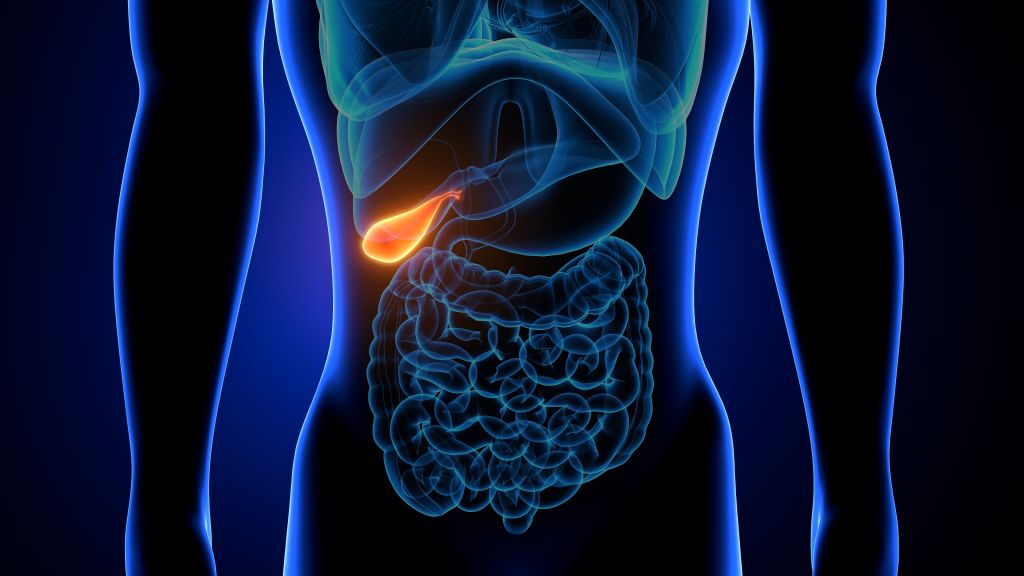
Ox bile acids, due to their solubility, can help maintain bile fluidity, which promotes the flow of bile through the bile ducts and aids the body’s natural processes of bile production and secretion.
Bile is essential for the digestion and absorption of fats, and healthy bile flow supports proper gallbladder function.
The liver produces bile, which the gallbladder stores and releases when needed, and maintaining optimal bile flow helps keep digestive processes working efficiently.
4. Promotes healthy liver function
Ox bile contains cholic acid, a primary bile salt that plays a significant role in supporting the detoxification of fat-soluble toxins and waste products. This enhances detoxification processes, which are critical for maintaining overall liver function.
By helping maintain bile solubility, bile salts also support the proper flow of bile from liver cells to the gallbladder, which supports the liver’s ability to carry out its essential functions effectively.

5. Supports a diverse gut microbiome
A study published in Current Opinion in Gastroenterology found that bile acids help promote an intestinal environment that supports the growth and diversity of beneficial gut bacteria, contributing to digestive tract health and overall well-being.2
It’s believed that bile acids act by influencing the composition of the gut microbiota through their detergent-like properties, which help modulate bacterial populations.
Maintaining a diverse gut microbiome is vital for optimal digestion, immune function, and nutrient absorption, and has been implicated in mood regulation and mental well-being.
6. May help maintain thyroid hormone balance
Evidence published in Nature found that bile acids can stimulate the conversion of thyroxine (T4), the inactive form of thyroid hormone, into its active form, triiodothyronine (T3).3
Balanced thyroid hormone levels are essential for overall health, as they regulate critical physiological functions, including metabolic pathways, energy production, heart rate, temperature regulation, and growth and development.

Who shouldn’t take bile salts?
While ox bile is considered well-tolerated when used in appropriate amounts, those with certain health conditions should exercise caution, as bile salt supplements may not be suitable for everyone.
Individuals with these health conditions are advised to avoid ox bile.
Hyperthyroidism
Because bile acids play a role in converting thyroid hormones, bile acid supplementation could contribute to imbalanced thyroid hormones and worsen symptoms of an overactive thyroid.
Loose stools or diarrhea
Bile salts can draw water into the intestines, which could exacerbate loose stools and diarrhea in individuals with irregular bowel movements.
Inflammatory bowel conditions
Inflammatory bowel disease (IBD) is a group of inflammatory conditions that affect the digestive tract, including ulcerative colitis and Crohn’s disease.
Taking bile salts can increase the permeability of the intestinal lining in people with IBD, allowing potentially harmful substances to enter the circulation and trigger immune responses, which can perpetuate intestinal inflammation and associated symptoms.
Chronic liver diseases
Although ox bile can promote liver health, individuals with fatty liver disease and cirrhosis should consult a healthcare provider before using ox bile supplements, as impaired liver function can affect how bile acids are metabolized.
When to take bile salts
Purified bile salts are commonly taken with meals to support digestion. However, some individuals may find it more effective to take them on an empty stomach.
“I typically recommend taking bile salts before or after a meal to speed up digestion and support digestive health,” says Dr. Berg. “However, eating stimulates stomach acid, which can lower the effectiveness of bile salts, and some people benefit from taking ox bile on an empty stomach.”
It’s crucial to carefully follow the instructions for the ox bile supplement you plan to use, pay attention to how your body responds, and adjust your routine as needed.
Although rare, sensitive individuals may experience mild digestive discomfort, such as bloating or loose stools, especially when starting bile salt supplementation. Therefore, it’s recommended to begin with a low dose and gradually increase as tolerated.
Key takeaways
- Ox bile provides concentrated bile acids that support the breakdown of dietary fats, enhance nutrient absorption, promote a balanced gut environment, aid the body’s natural detoxification processes, and may also support hormone balance.
- Encouraging steady bile flow can help maintain healthy liver, gallbladder, and intestinal function.
- Individuals with hyperthyroidism, diarrhea, inflammatory bowel conditions, or chronic liver issues should consult a healthcare provider before using ox bile.
FAQ
- 1. What is ox bile?
- 2. What does ox bile help with?
- 3. What are the side effects of ox bile?
- 4. How often can you take ox bile?
Sources
- Schmidt DR, Holmstrom SR, Fon Tacer K, Bookout AL, Kliewer SA, Mangelsdorf DJ. Regulation of bile acid synthesis by fat-soluble vitamins A and D. J Biol Chem. 2010;285(19):14486-94. doi:10.1074/jbc.M110.116004 https://pmc.ncbi.nlm.nih.gov/articles/PMC2863217/ ↩︎
- Ridlon JM, Kang DJ, Hylemon PB, Bajaj JS. Bile acids and the gut microbiome. Curr Opin Gastroenterol. 2014;30(3):332-8. doi:10.1097/MOG.0000000000000057 https://pmc.ncbi.nlm.nih.gov/articles/PMC4215539/ ↩︎
- Watanabe M, Houten SM, Mataki C, et al. Bile acids induce energy expenditure by promoting intracellular thyroid hormone activation. Nature. 2006;439(7075):484-9. doi:10.1038/nature04330 https://pubmed.ncbi.nlm.nih.gov/16400329 ↩︎
Related Articles
-
Ox Bile vs. Bile Salts Supplements
 Nutrients
Ox Bile vs. Bile Salts Supplements
At a glance Ox bile provides a full-spectrum extract similar to the composition of human bile, while bile salts offer isolated bile acids for targeted digestive support. Understanding how these…09/18/2026 -
How to Take Ox Bile Supplements
 Vitamins
How to Take Ox Bile Supplements
At a glance Ox bile supplements can complement and support the body’s natural bile activity during digestion. Understanding how best to take ox bile supplements and when they’re typically used…04/03/2026 -
What Causes Pale Colored Stool?
 Health concerns
What Causes Pale Colored Stool?
At a glance Pale-colored stool can be linked to low bile flow, low-fat diets, alcohol use, infections, or underlying liver, gallbladder, or pancreatic issues. Supporting gallbladder function through a nutritious…02/26/2026 14.9k views -
The Connection Between Vitamin D and Gallbladder Health
 Health concerns
The Connection Between Vitamin D and Gallbladder Health
At a glance Vitamin D and gallbladder health are closely connected, as adequate bile flow is essential for the absorption of vitamin D. At the same time, low vitamin D…01/29/2026 10.7k views -
Abdominal Gas and Bloating: Causes and Remedies
 Health concerns
Abdominal Gas and Bloating: Causes and Remedies
At a glance Abdominal gas and bloating can signal underlying digestive issues, such as low stomach acid, poor bile flow, or microbial overgrowth. While occasional bloating is normal, persistent symptoms…01/29/2026 35k views -
How to Lower Cholesterol on Keto
 Diet
DietHow to Lower Cholesterol on Keto
At a glance While a nutrient-focused ketogenic diet is often associated with improved cholesterol balance, it’s not uncommon to see elevated cholesterol levels during the early stages of keto adaptation.…12/05/2025 13.1k views -
What Are Digestive Enzymes and Why Are They Important?
 Health concerns
What Are Digestive Enzymes and Why Are They Important?
At a glance Factors such as low stomach acid, sluggish bile flow, and gut imbalances can influence the activity of digestive enzymes and affect how well the body breaks down…09/26/2025 -
What Dissolves Gallbladder Stones Fast?
 Health concerns
What Dissolves Gallbladder Stones Fast?
At a glance Gallstones form when bile becomes thick or sluggish, often due to poor diet, hormonal imbalances, or liver congestion. Supporting healthy bile flow through diet and natural remedies…04/09/2025 65.3k views -
Can I Do a Ketogenic Diet without a Gallbladder?
 Diet
DietCan I Do a Ketogenic Diet without a Gallbladder?
At a glance While the gallbladder plays a key role in the digestion of dietary fats, gallbladder removal doesn’t mean the keto diet is off-limits. By making gradual adjustments to…04/09/2025 55k views -
What Is a Sluggish Gallbladder? Everything You Should Know
 Health concerns
What Is a Sluggish Gallbladder? Everything You Should Know
At a glance A sluggish gallbladder can impair bile flow, making it harder to digest fats and leading to discomfort after meals. Dietary and lifestyle strategies may help restore bile…04/09/2025 29.5k views