

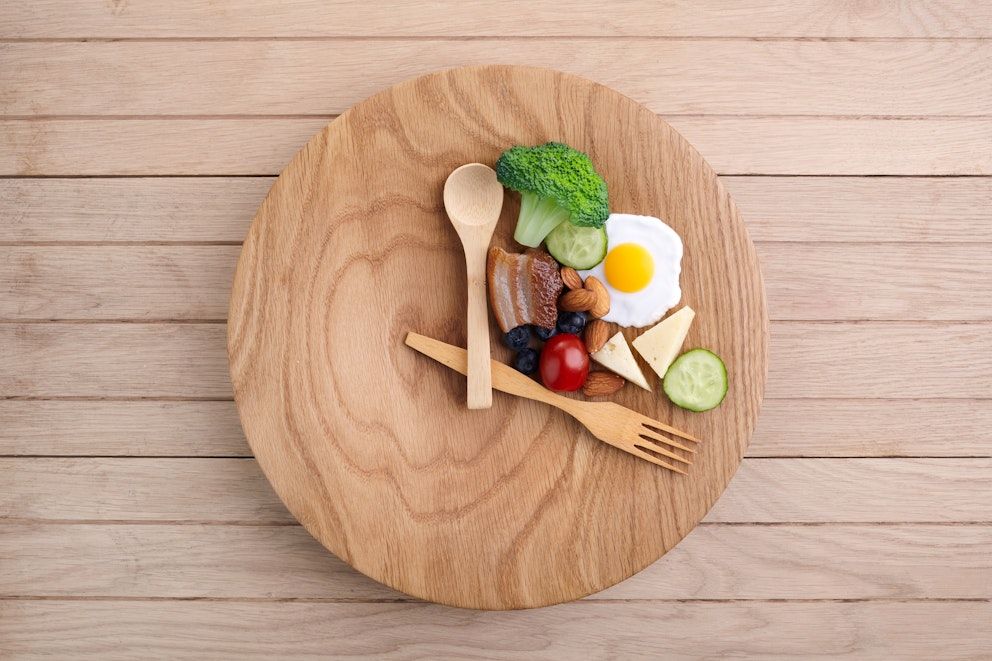
At a glance
Protein, carbohydrates, and sugars raise blood glucose and stimulate insulin release, which breaks a fast. When practiced correctly, intermittent fasting supports metabolic health, weight loss, and cognitive function. Beverages such as black coffee and herbal tea are safe to consume during a fast and won’t interfere with ketosis.
Intermittent fasting is a highly effective weight-loss tool with various other impressive health benefits. However, many people practicing fasting are unsure of what breaks a fast and what doesn’t.
Discover what foods and beverages you can consume during fasting without interfering with fat-burning or ketosis.
What will break a fast?
What will break a fasting period depends on the exact type of fast you are practicing and how you define breaking a fast.
For example, dry fasting is a strict fast that avoids the intake of all foods and beverages, including water, and consuming any fluids or calories breaks this type of fast.
In contrast, water fasting permits hydration with plain water. However, eating or drinking anything else, including beverages with zero calories, will technically break this fasting practice.
An intermittent fasting plan is a somewhat more flexible approach to time-restricted eating. It allows the intake of certain foods and beverages as long as they don’t raise blood sugar levels and contain very few calories.
Fasting is characterized by calorie restriction, which induces a metabolic state that shifts the body to using stored energy as a fuel source. This promotes weight loss and releases ketones, a metabolic by-product of fat burning that serves as an alternative energy source.
When ketones begin to fuel your cells, your body enters the metabolic state of ketosis.
Not only is ketosis linked to weight loss, but it also supports hormonal balance, promotes metabolic health, increases energy, and enhances cognitive functions.
Any food or beverage that raises blood sugar levels will trigger the release of insulin, a crucial hormone that regulates blood sugar levels. However, insulin also directly inhibits fat-burning and counteracts the health benefits of fasting and ketosis.
This explains why most people refer to breaking a fast when consuming anything that causes an insulin response, as opposed to ingesting any foods or beverages.
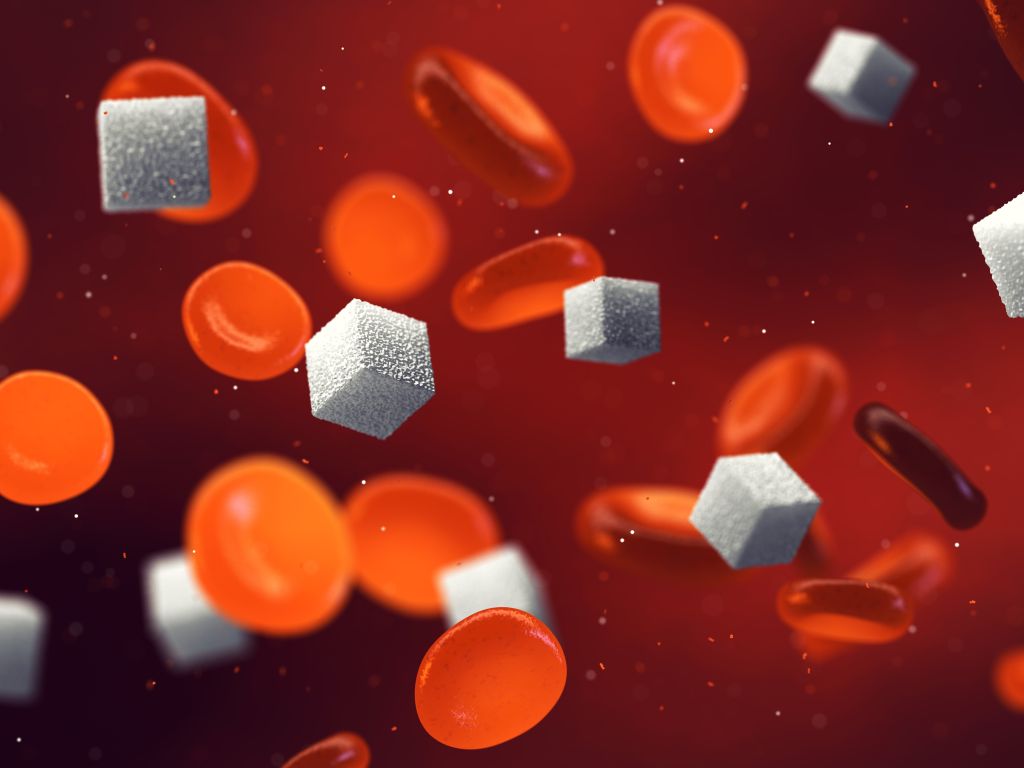
What triggers insulin release
Carbohydrates and sugars cause spikes in blood sugar and insulin levels and should be avoided when intermittent fasting, as they can quickly break your fast.
“While protein doesn’t cause as significant blood sugar fluctuations as carbs and sugar, it does stimulate insulin release,” explains Dr. Berg. “To maintain fat-burning and ketosis during your fasting window, it’s important to avoid protein-containing food or drinks.”
While fat doesn’t significantly impact insulin levels and won’t interfere with ketosis, eating too much fat during fasting periods can also break a fast due to its calorie content.
Evidence published in EMBO Molecular Medicine shows that consuming more than a few calories triggers complex metabolic pathways that disrupt the fasting state and interfere with fat burning.1
How many calories you can consume without breaking a fast depends on your metabolic flexibility and the fat, carbohydrate, and protein content of the food or beverage you consume.
Watch the video below to learn more about what will break a fast and what won’t.
What foods and drinks can you have while fasting?
There are various beverages and a few select foods that won’t raise blood sugar or insulin levels that you can consume while fasting.
Here are fasting-friendly drinks you can enjoy during your fasting window:
- Plain or carbonated water
- Black coffee
- Black, green, and herbal tea
- Diluted apple cider vinegar
Adding small amounts of lemon juice to your water, tea, or diluted apple cider vinegar drink won’t interfere with fat-burning and may help enhance the weight loss effects of fasting.
Research published in Nutrition Research found that lemons contain various phytochemicals that promote metabolic health, support fat-burning, and help maintain a healthy body weight.2
If you prefer your coffee or tea with a little sweetness, low-carb sugar alternatives such as erythritol, monk fruit, and stevia contain minimal calories and are fast-friendly.
In addition, consuming small amounts of healthy fats such as coconut oil, grass-fed butter, heavy cream, or ghee while fasting provides energy and may curb cravings. This can help achieve longer periods of caloric restriction, maximizing the health benefits of fasting.
Many individuals who practice fasting drink bulletproof coffee, also known as keto coffee, during fasting periods.
Bulletproof coffee combines black coffee, medium-chain triglycerides (MCTs), and butter. It offers a quick energy source and helps with appetite control without raising insulin levels, which explains why bulletproof coffee won’t break a fast.
However, it’s important to remember that too many calories can disrupt the fasting state, and consuming bulletproof coffee in moderation is crucial while fasting.

What you should avoid while fasting
To maintain a metabolic fasting state, it’s important to avoid any foods or beverages that contain more than a few calories and those that can raise blood sugar or insulin levels.
Bone broth benefits are often mentioned as a fasting-friendly option due to its low carbohydrate content. However, it contains collagen, a type of protein that can break a fast if consumed excessively.
While it may be tempting to sip a diet soda during fasting, this isn’t recommended, as artificial sweeteners can stimulate insulin release and increase cravings for sugary foods.
In addition, research published in Nutrients found that synthetic sweeteners such as aspartame, which are often used to sweeten diet sodas and low-calorie food, may pose significant long-term health risks.3
According to this study, aspartame has been associated with hormonal imbalances, increased risk of cancer, neurodegenerative disorders, skin problems, and dysregulated immune responses.
Although a cup of black coffee won’t break a fast, it’s vital to avoid excessive intake. Consuming too much caffeine can trigger the body’s stress response, which involves cortisol release and activates gluconeogenesis.
Gluconeogenesis is a metabolic process that converts proteins into glucose, thereby increasing blood sugar concentration and stimulating insulin release, which will break a fasting state.
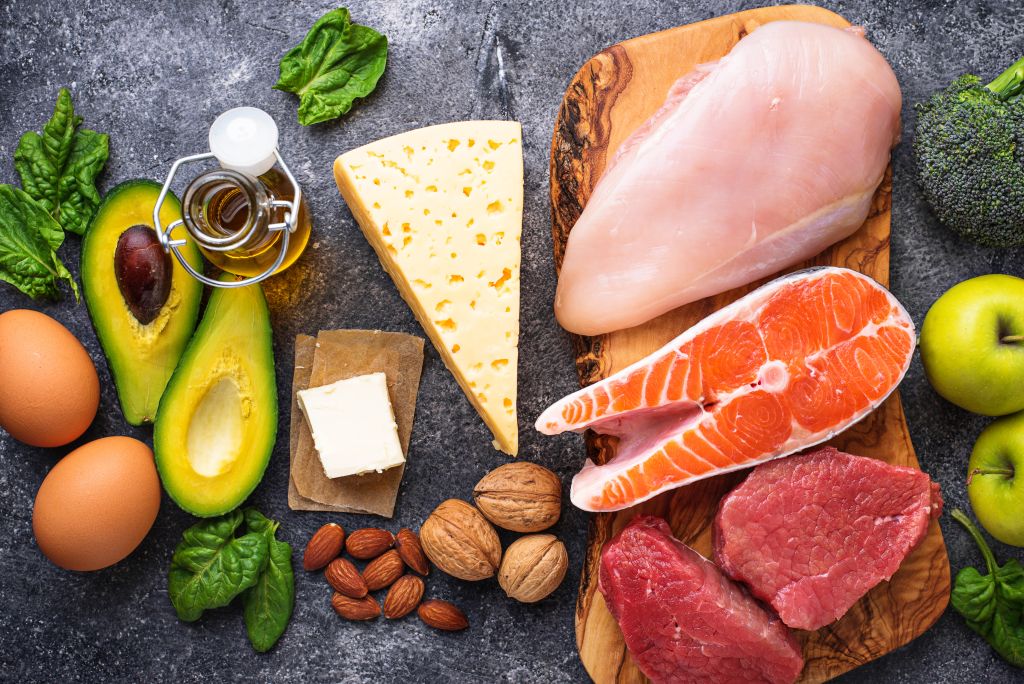
Healthy ways to break a long fast
Reaching your health goals with fasting doesn’t just require achieving prolonged fasting periods but also depends on how you break your fast and your overall dietary choices.
Avoid breaking your fast with heavily processed foods, sugars, or refined carbs. These foods cause rapid blood sugar and insulin spikes, putting your body immediately into a fat-storage mode, directly counteracting the benefits of caloric restriction.
Instead, opt for nutrient-dense foods rich in healthy fats. Limiting carbs while providing the body with fats helps avoid blood sugar fluctuations, prolonging the fat-burning effects of fasting and ketosis.
One of the best dietary patterns to combine with intermittent fasting is a nutritious low-carb diet such as Healthy Keto®.
Healthy Keto focuses on highly nutritious foods while limiting carbohydrates. This helps replenish nutrient levels and maintain ketosis even after breaking your fast.
Following a low-carb diet and practicing intermittent fasting is an excellent strategy for supporting metabolic balance, maintaining a healthy body weight, and enhancing overall health and well-being.
Some individuals can experience digestive issues such as bloating, belching, and diarrhea after breaking a fast.
Refeeding with easy-to-digest soups, bone broth, cooked vegetables, or full-fat yogurt can ease the transition into your eating window without negatively affecting the digestive system.
Key takeaways
- Knowing what breaks a fast and what doesn’t is vital to maintaining a fasted state and reaping the impressive benefits of prolonged caloric restriction.
- While consuming any foods or beverages technically breaks fast, drinking coffee, tea, and plain water, and eating small amounts of healthy fats won’t interfere with the metabolic fasting state or disrupt fat-burning.
- Combining intermittent fasting with a nutritious low-carb diet, such as Healthy Keto, helps maintain ketosis after breaking your fast, maximizing the profound health advantages of caloric restriction.
FAQ
- 1. Will five calories break a fast?
- 2. Does chewing gum break a fast?
- 3. What foods do not break a fast?
- 4. What will knock you out of a fasting state?
- 5. What foods should I eat to break a fast?
Sources
- https://www.ncbi.nlm.nih.gov/pmc/articles/PMC8749464/ ↩︎
- https://www.sciencedirect.com/science/article/abs/pii/S0271531715000676 ↩︎
- https://www.ncbi.nlm.nih.gov/pmc/articles/PMC8227014/ ↩︎
Related Articles
-
What to Eat After a 72-Hour Fast and What to Avoid
 Diet
DietWhat to Eat After a 72-Hour Fast and What to Avoid
At a glance A 72-hour fast shifts the body toward greater reliance on stored fat and changes how nutrients are handled when eating is resumed. Reintroducing food afterward can affect…09/18/2026 -
Fasting Hunger Waves: How to Ride Them Out
 Diet
DietFasting Hunger Waves: How to Ride Them Out
At a glance Intermittent fasting may support weight loss, fat burning, and metabolic health by lowering insulin levels and shifting the body toward using fat stores for fuel. Fasting hunger…09/10/2026 -
7 Common Intermittent Fasting Myths Debunked
 Diet
Diet7 Common Intermittent Fasting Myths Debunked
At a glance Intermittent fasting is an increasingly popular dietary pattern that is often misunderstood. Many common concerns surrounding intermittent fasting, including muscle loss, hormonal disruption, and metabolic slowdown, are…09/03/2026 -
What Is Time-Restricted Eating?
 Diet
DietWhat Is Time-Restricted Eating?
At a glance Time-restricted eating is a form of intermittent fasting that limits meals to a consistent daily eating window. This approach focuses on when food is consumed rather than…08/13/2026 -
Does Intermittent Fasting Affect Your Metabolism?
 Diet
DietDoes Intermittent Fasting Affect Your Metabolism?
At a glance Intermittent fasting impacts metabolism by shifting the body towards ketosis, improving insulin sensitivity, and enhancing metabolic flexibility. While fasting can support weight management and metabolic efficiency, results…07/23/2026 -
What Is the Best Meal Timing for Stable Energy?
 Diet
DietWhat Is the Best Meal Timing for Stable Energy?
At a glance Meal timing can influence daily alertness, hunger cues, and blood sugar patterns. The body processes food according to internal rhythms that affect insulin, digestion, and metabolic activity.…07/17/2026 -
Fasting and Cancer: What to Know
 Fasting
Fasting and Cancer: What to Know
At a glance Fasting has been increasingly studied for its potential role in cancer prevention and support during treatment. By influencing cellular metabolism, promoting autophagy, and modulating immune function, fasting…07/16/2026 -
36-Hour Fasting: Benefits, Safety, and How It Works
 Diet
Diet36-Hour Fasting: Benefits, Safety, and How It Works
At a glance A 36-hour fast is a prolonged fasting strategy that shifts the body into ketosis, promoting fat burning, improved insulin sensitivity, and cellular repair through autophagy. These metabolic…06/25/2026 -
Does Fasting Help with Inflammation?
 Diet
DietDoes Fasting Help with Inflammation?
At a glance Fasting is a powerful tool for reducing inflammation and supporting overall health. By promoting fat burning and activating cellular repair processes, fasting can help lower pro-inflammatory markers.…06/05/2026 -
Does Chewing Gum Break a Fast?
 Fasting
Does Chewing Gum Break a Fast?
At a glance Whether or not gum breaks a fast depends on its ingredients. Sugary gum raises insulin and can break a fast outright. Some sugar-free gum is acceptable, but…05/29/2026


