

At a glance
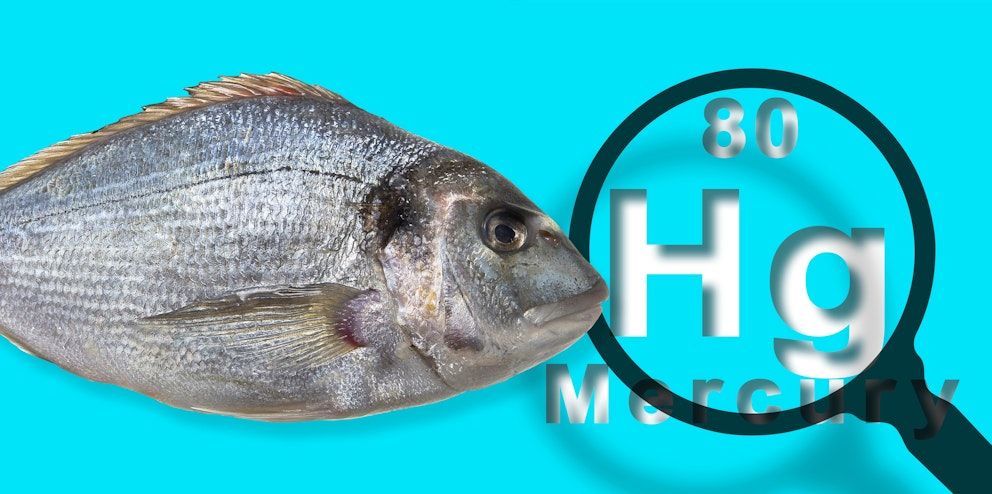
Mercury is a highly toxic heavy metal that accumulates in the body over time, which is why many people look for fish without mercury. While no fish are completely mercury-free, some species contain far lower levels than others and are safer for regular consumption. Beyond mercury content, factors such as sourcing and freshness also influence overall quality.
There are no fish without mercury, as all marine life contains trace amounts of this toxic heavy metal due to environmental pollution.
However, some species contain much lower levels than others, making them safer for regular consumption without the risk of mercury toxicity and associated health issues.
Here’s a comprehensive guide to mercury levels in fish and how to choose the safest options to minimize mercury exposure.
What is mercury?
Mercury is a heavy metal that’s naturally present in the environment and the only type of metal that’s liquid at room temperature. It has a silvery appearance and is commonly used in thermometers, barometers, and fluorescent light bulbs.
Processes such as volcanic activity and the weathering of rocks, as well as coal burning, mining, and improper disposal of mercury-containing products, can release elemental mercury into the atmosphere.
Airborne mercury particles typically enter bodies of water through precipitation, where microbes convert them into methylmercury, a highly toxic compound that can contaminate aquatic organisms.
Mercury easily accumulates in fish, particularly larger predatory species, as they ingest smaller contaminated organisms, leading to higher concentrations of methylmercury in their tissues.
Watch the video below to learn which types of fish contain the highest levels of mercury.
Why is mercury bad for you?
Mercury is highly toxic and can have serious health consequences. Mercury poisoning, also known as mercury toxicity, occurs when excessive amounts of mercury accumulate in the body, which can cause significant tissue and organ damage over time.
Excessive intake of contaminated fish is the most common source of methylmercury exposure for humans.
Methylmercury is a particularly dangerous form of mercury as it can easily enter the bloodstream and cross the blood-brain barrier, impacting the central nervous system.
Because mercury is highly reactive, it can bind to proteins and enzymes, disrupting their function and causing oxidative stress that damages cellular components such as lipids, proteins, and DNA.
Furthermore, mercury isn’t easily broken down or eliminated from cells, and mercury builds up in tissues over time, particularly in organs such as the kidneys, liver, and brain.
Pregnant women and young children are particularly vulnerable to the effects of mercury. Mercury exposure during pregnancy can interfere with fetal brain development, increasing the risk of developmental delays, learning disabilities, and behavioral problems.
Research published in Toxics summarizes the detrimental effects of mercury as follows, “Developmental exposure to methylmercury has been linked to cognitive and behavioral dysfunction in children, while cumulative exposure over an adult’s lifetime has been linked to the development of neurodegenerative diseases, such as Parkinson’s disease.”1
This highlights why pregnant women and young children shouldn’t eat fish in excess, particularly large predatory species, to minimize the health risk of consuming too much mercury.
Are there fish without mercury?
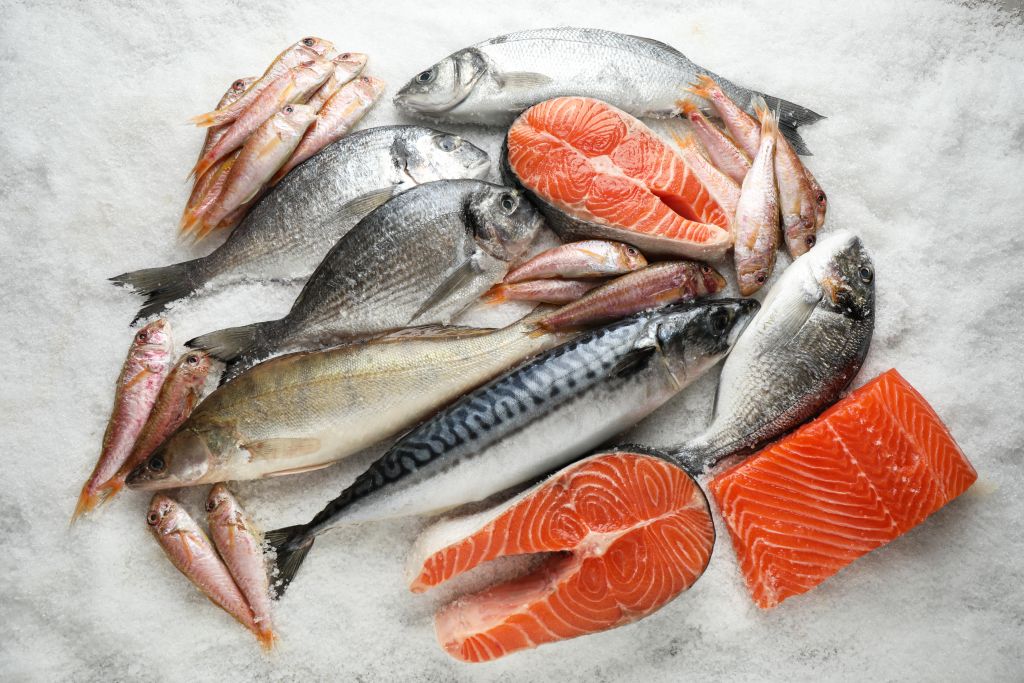
Due to environmental pollution, mercury is present in almost all marine life.
However, tiny fish and those lower in the food chain tend to accumulate less mercury as they feed on plankton and algae, which generally contain only small amounts of this neurotoxic metal.
Examples of low-mercury fish include sardines, anchovies, and herring, which are smaller fish with a shorter lifespan, greatly reducing their mercury exposure.
In contrast, larger predatory fish, such as swordfish and tuna, accumulate higher levels of mercury. As they consume other fish, the mercury content of their prey builds up in their bodies, which is a process known as biomagnification.
Here’s a guide to fish and seafood with high, moderate, and low mercury levels.
Fish with high mercury levels
It’s generally advised to avoid fish with high mercury levels or to limit consumption to no more than once a month.
Fish with high mercury levels include:
- Bluefish
- Grouper
- King mackerel
- Orange roughy
- Shark
- Swordfish
- Big eye tuna
- Albacore tuna
- Yellowfin tuna
- Ahi tuna
- Halibut
- Perch
- Sea Bass
Fish and seafood with moderate mercury levels
Intake of fish species with moderate mercury levels should be limited to once weekly.
This helps minimize the risk of mercury accumulation while benefiting from the nutritional value of fish, such as heart-healthy omega-3 fatty acids, high-quality protein, and essential vitamins.
Fish and crustaceans with moderate mercury levels include:
- Bass
- Cod
- Snapper
- Monkfish
- Canned tuna
- Skipjack tuna
- Lobster
Fish and seafood with low mercury levels
Low-mercury fish and seafood options can be enjoyed regularly and are an excellent addition to a nutritious diet, offering omega-3 fats, iodine, vitamin B12, and selenium.
These nutrients play a critical role in supporting heart health, brain function, strong immune defenses, and balanced thyroid hormone levels, making them essential for overall well-being.
Seafood and fish with the lowest mercury concentrations include:
- Anchovies
- Flounder
- Salmon
- Haddock
- Herring
- Sardines
- Trout
- Tilapia
- Catfish
- Clams
- Crab
- Crawfish
- Oysters
- Squid
- Scallops

More tips for choosing healthy fish
In addition to reducing mercury exposure by selecting fish with lower levels of this harmful heavy metal, there are several other factors to consider when choosing healthy fish.
One key consideration is whether the fish is wild-caught or farm-raised.
Wild-caught fish generally have better nutritional value, including more omega-3 fatty acids, and are less likely to contain harmful chemicals such as pesticides, antibiotics, and artificial dyes typically used in fish farm operations.
While generally more affordable, farmed fish often contain higher levels of toxins, which can diminish the health benefits of eating fish regularly.
A study published in Chemosphere found that a significant proportion of farmed fish products contains polychlorinated biphenyls (PCBs), a persistent organic pollutant linked to various detrimental health effects.2
PCBs are typically introduced through commercial fish feed, and prolonged exposure to high levels of PCBs in humans has been linked to health issues, including immune system disruption, hormone imbalances, and an increased risk of certain cancers.
“A significant percentage of the fish sold in the U.S. is farmed, leaving consumers exposed to harmful compounds and toxins,” explains Dr. Berg. “Choosing wild-caught fish is crucial to minimizing exposure to contaminants while ensuring a richer nutrient profile.”
In addition, it’s also important to look for freshness. Fresh fish should have clear, bright eyes, shiny scales, and a firm texture. If buying whole fish, check that the gills are bright red or pink, not dull or slimy.
Key takeaways
- There are no fish without mercury, but smaller species tend to contain significantly lower levels than larger predatory fish, making them safer choices for regular consumption.
- Low-mercury options such as anchovies, flounder, salmon, haddock, herring, and sardines also provide essential nutrients, including omega-3 fatty acids, protein, and selenium.
- Large predatory species, such as swordfish, sharks, king mackerel, and several types of tuna, accumulate more mercury and should be limited or avoided.
- Choosing wild-caught fish over farm-raised options can help minimize exposure to additional contaminants, such as PCBs, pesticides, and antibiotics, while offering a better overall nutritional value.
FAQ
- 1. Are there fish without mercury?
- 2. What is the cleanest fish to eat?
- 3. Which fish has the highest amount of mercury?
- 4. What fish can you eat every day?
- 5. Who should be careful about mercury in fish?
- 6. Is shrimp high in mercury?
Sources
- https://www.mdpi.com/2305-6304/11/8/670 ↩︎
- https://www.sciencedirect.com/science/article/abs/pii/S0045653519311725 ↩︎
Related Articles
-
Wheatgrass Supplements: Forms and How to Choose
 Nutrition
Wheatgrass Supplements: Forms and How to Choose
At a glance Wheatgrass is a nutrient-dense supplement available in several forms, including whole-leaf powder, juice powder, capsules, or tablets. Each differs in processing methods, nutrient concentrations, and intended use.…03/27/2026 -
How to Kill Parasites: 7 Natural Tips
 Health concerns
How to Kill Parasites: 7 Natural Tips
At a glance Parasitic infections occur when worms or protozoa colonize the body, often through exposure to contaminated pets, food, or water. These organisms can interfere with digestion and other…03/13/2026 15.1k views -
14-Hour Fast: Benefits and How It Works
 Diet
Diet14-Hour Fast: Benefits and How It Works
At a glance A 14-hour fast is a simplified approach to intermittent fasting that builds on the body’s natural overnight fast, making the transition into time-restricted eating more comfortable. It…12/05/2025 6k views -
How to Improve Your Gut Health – 10 Natural Ways
 Health concerns
How to Improve Your Gut Health – 10 Natural Ways
At a glance Gut health significantly influences digestion, energy, immunity, and mood, making it essential to support the gut for overall wellness. By adopting a gut-supportive diet and consistent daily…10/03/2025 -
Keto and Fatty Liver: How to Reduce Liver Fat Fast
 Keto
KetoKeto and Fatty Liver: How to Reduce Liver Fat Fast
At a glance Fatty liver disease is widespread, often linked to poor dietary habits and a sedentary lifestyle. Following a keto diet and restricting carbs can dramatically reduce liver fat…04/09/2025 30.2k views -
Herxheimer Reaction: What It Is and What to Do
 Healthy lifestyle
Herxheimer Reaction: What It Is and What to Do
At a glance Herxheimer reactions occur when the immune system responds to toxins released by dying microbes during antimicrobial treatment. This temporary reaction can cause flu-like symptoms such as fever,…04/09/2025 28.3k views -
Amazing Benefits of a 72-Hour Fast
 Diet
DietAmazing Benefits of a 72-Hour Fast
At a glance A 72-hour fast allows the body to quickly enter deep ketosis and activate cellular repair mechanisms. With proper hydration, electrolyte balance, and preparation, prolonged fasting can be…04/09/2025 9.7k views -
The 6 Stages of Fasting
 Diet
DietThe 6 Stages of Fasting
At a glance Fasting triggers a cascade of metabolic changes that support weight loss, improve brain function, and promote cellular health. As the body transitions from using blood sugar for…04/09/2025 18.1k views -
5 Benefits of Broccoli Sprouts and Sulforaphane
 Nutrition
5 Benefits of Broccoli Sprouts and Sulforaphane
At a glance Broccoli sprouts are young microgreens rich in sulforaphane, a powerful compound that supports detoxification, brain health, and digestive function. Containing far higher nutrient levels and bioavailability than…04/09/2025 12.9k views -
Chronic Kidney Disease: Warning Signs, Causes, and Remedies
 Health concerns
Chronic Kidney Disease: Warning Signs, Causes, and Remedies
At a glance Chronic kidney disease (CKD) affects the kidneys’ ability to filter waste, regulate fluids, and maintain electrolyte balance. It develops gradually and can progress through five stages, ranging…04/09/2025 19.2k views