

At a glance
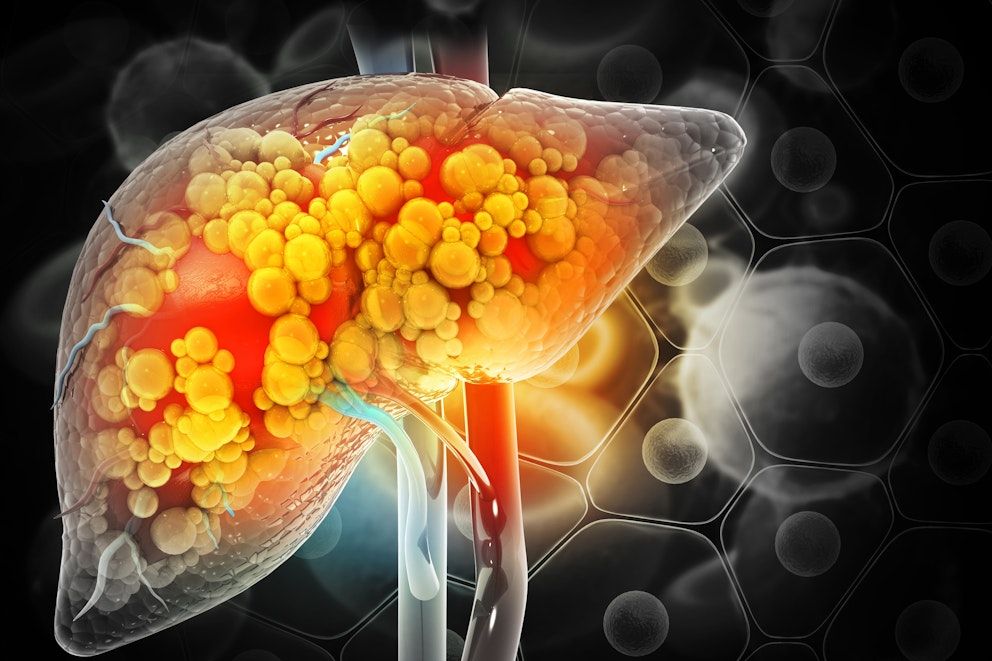
Fatty liver disease is widespread, often linked to poor dietary habits and a sedentary lifestyle. Following a keto diet and restricting carbs can dramatically reduce liver fat and improve liver function. The ketogenic diet helps your liver switch to burning stored fatty acids for energy, which supports rapid fat reduction and better metabolic balance.
Fat accumulation in the liver can result in serious metabolic imbalances and liver damage—unfortunately, it’s estimated that almost 25 percent of adults have some degree of fatty liver disease.
Nonalcoholic fatty liver disease (NAFLD) typically develops due to a high-carb diet and is more common in individuals with type 2 diabetes, obesity, and insulin resistance.
Learn how a low-carb, high-fat keto diet supports your liver health and reduces liver fat quickly!
How to reduce liver fat with keto
Restricting carbohydrates prevents fatty liver and helps to reduce existing liver fat, making keto an ideal diet to support your liver health.
During ketosis, the liver converts dietary fats and stored fatty acids into ketones to fuel your body. Ketosis also stimulates the increased production of enzymes that promote fatty acid oxidation and speed up the breakdown of fats stored in the liver.
In addition, keto helps to maintain healthy blood sugar levels and keeps your cells sensitive to insulin, preventing the storage of fats in liver cells and significantly reducing the risk of fatty liver disease.
Several studies confirm that a ketogenic diet helps to reduce liver fat in individuals with NAFLD and significantly improves liver function.
One study published in Cell Metabolism found that a low carbohydrate keto diet reduced liver fat by over 40 percent in overweight and obese individuals. The authors observed that carbohydrate restriction leads to “a dramatic reduction of liver fat.”1
Here are three steps you can take to maximize the reduction of liver fat on keto.
1. Follow Healthy Keto®
While a low-carb diet is crucial to reduce liver fat, following a nutritious diet is equally important, making Healthy Keto® a perfect choice to support your liver health.
Healthy Keto is a low-carb, high-fat diet incorporating nutrient-rich, high-quality foods, including non-GMO organic vegetables, grass-fed beef, full-fat organic dairy and eggs, and wild-caught fish. This supports your nutritional needs for optimal health while burning liver fat.
2. Combine keto with intermittent fasting
Doing keto and intermittent fasting is an excellent combination that helps your body to stay in ketosis and maximizes fat burning.
Intermittent fasting is a mealtime schedule that cycles between fasting and eating periods.
“During fasting, your metabolism relies on stored fatty acids as an energy source,” says Dr. Berg. “This means your liver utilizes the readily available excess fat stored in liver cells first to generate ketones to fuel your cells.”
3. Eat choline-rich foods
Choline is an essential nutrient for liver health and is closely connected to fat metabolism. Research published in Nutrients suggests that low choline intake increases the risk of liver fat accumulation and fatty liver disease.2
Choline is converted to phosphatidylcholine, an essential cellular compound needed to oxidize fatty acids and convert them into energy. Without adequate choline, fat remains in cells and can’t be used for energy production.
Here are some keto-approved foods rich in choline:
- Beef
- Beef liver
- Eggs
- Chicken
- Fish
- Full-fat dairy products
- Sunflower seeds
Watch the video below to learn how a high-fat keto diet helps to reverse a fatty liver.
What is keto?
The ketogenic diet is a low-carb, high-fat, moderate-protein diet that shifts your metabolism to burn fat instead of carbs and sugars for energy.
As the liver breaks down fat, it produces large quantities of high ketones, a metabolic by-product of fatty acid oxidation and a very efficient fuel source. In fact, your heart, brain, and muscles prefer ketones for energy compared to relying on sugars and carbohydrates.
Ketones enter your circulation to fuel your body—this state is known as ketosis. To stay in ketosis, consume no more than 20 to 50 grams of carbs daily.
Many lifestyle diseases like obesity, diabetes, and metabolic syndrome develop from chronically elevated blood glucose and insulin levels.
A high-fat diet combined with carbohydrate restriction keeps blood sugar levels balanced and supports healthy insulin levels, which improves insulin sensitivity, lowers inflammation, and supports healthy body weight.
What is fatty liver disease?
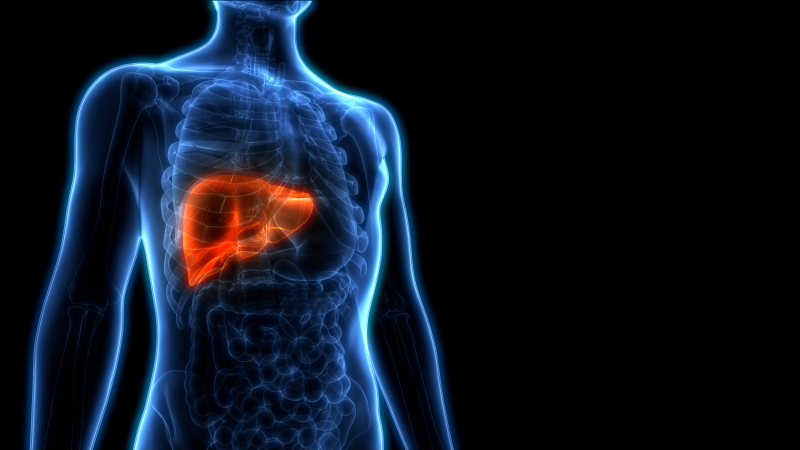
Fatty liver disease, also known as the silent killer due to the lack of early warning signs and symptoms, is caused by excessive amounts of liver fat.
Fatty liver disease can be grouped into two types:
1. Alcoholic fatty liver disease is caused by prolonged alcohol use resulting in liver cell damage, inflammation, fat accumulations, and loss of liver function.
2. Nonalcoholic fatty liver disease (NAFLD) is the accumulation of liver fat caused by dietary and lifestyle factors. It’s strongly associated with metabolic disorders such as obesity, insulin resistance, and type 2 diabetes. Other risk factors for developing NAFLD include a high-carb diet, a sedentary lifestyle, excessive fructose consumption, and genetic predisposition.
Fatty liver disease is typically diagnosed by assessing serum liver enzymes, liver scans, or a liver biopsy.
If left untreated, fatty liver can progress to severe liver diseases, such as hepatic steatosis, which is linked to liver inflammation and increases the risk of developing cirrhosis, liver failure, and liver cancer.
If you suspect that you may have developed liver fat, it’s important to consult a healthcare provider to determine your liver health and formulate an appropriate treatment plan.
Does dietary fat cause liver fat?
It may seem counterintuitive, but dietary fat is rarely linked to the development of fatty liver.
Fat accumulations in the liver are typically caused by excessive calorie intake, snacking, and a diet high in refined carbs and sugars.
Eating sugars and carbs causes the release of insulin, a metabolic hormone that helps to keep blood sugar in healthy ranges.
Over long periods, high amounts of carbs and sugar cause your cells to become less reactive to insulin, leading to insulin resistance, a primary risk factor for developing fatty liver disease.
A high carb intake in combination with insulin resistance results in elevated blood sugar, also known as hyperglycemia. Because hyperglycemia is toxic to the body, the liver converts excess blood sugar into fatty acids, which are stored in liver cells and responsible for developing fatty liver disease.
Watch the video below to learn how to reduce liver fat by almost 50 percent in two weeks using a low-carb diet.
Key takeaways
- Fatty liver disease often develops as a result of a sedentary lifestyle, a high-carb diet, and insulin resistance.
- Following a ketogenic diet can drastically reduce liver fat by promoting fat-burning, which helps break down fatty acid accumulations in liver cells.
- Combining keto with intermittent fasting can significantly accelerate liver fat reduction.
- Incorporating choline-rich foods, such as eggs and beef liver, further supports hepatic fat metabolism.
FAQ
- 1. Is a ketogenic diet good for fatty liver disease?
- 2. How long does it take to reverse fatty liver with keto?
- 3. What happens to the liver during ketosis?
- 4. Is a low-carb diet best for fatty liver treatment?
- 5. Can ketosis cause fatty liver?
- 6. Can keto make fatty liver worse?
- 7. How does keto affect fatty liver?
- 8. Why does a fatty keto diet decrease fatty liver?
Sources
- Mardinoglu A, Wu H, Bjornson E, et al. An Integrated Understanding of the Rapid Metabolic Benefits of a Carbohydrate-Restricted Diet on Hepatic Steatosis in Humans. Cell Metab. 2018;27(3):559-571.e5. doi:10.1016/j.cmet.2018.01.005 https://www.ncbi.nlm.nih.gov/pmc/articles/PMC6706084/ ↩︎
- Zhu J, Wu Y, Tang Q, Leng Y, Cai W. The effects of choline on hepatic lipid metabolism, mitochondrial function and antioxidative status in human hepatic C3A cells exposed to excessive energy substrates. Nutrients. 2014;6(7):2552-71. doi:10.3390/nu6072552 https://www.ncbi.nlm.nih.gov/pmc/articles/PMC4113756/ ↩︎
- Mardinoglu A, Wu H, Bjornson E, et al. An Integrated Understanding of the Rapid Metabolic Benefits of a Carbohydrate-Restricted Diet on Hepatic Steatosis in Humans. Cell Metab. 2018;27(3):559-571.e5. doi:10.1016/j.cmet.2018.01.005 https://www.ncbi.nlm.nih.gov/pmc/articles/PMC6706084/ ↩︎
Related Articles
-
Fasting on Workdays: A Practical Approach
 Diet
DietFasting on Workdays: A Practical Approach
At a glance Time-restricted eating may be one of the most practical forms of intermittent fasting for busy workdays. When paired with the right dietary strategy, a consistent fasting schedule…09/24/2026 -
What to Eat After a 72-Hour Fast and What to Avoid
 Diet
DietWhat to Eat After a 72-Hour Fast and What to Avoid
At a glance A 72-hour fast shifts the body toward greater reliance on stored fat and changes how nutrients are handled when eating is resumed. Reintroducing food afterward can affect…09/18/2026 -
Fasting Hunger Waves: How to Ride Them Out
 Diet
DietFasting Hunger Waves: How to Ride Them Out
At a glance Intermittent fasting may support weight loss, fat burning, and metabolic health by lowering insulin levels and shifting the body toward using fat stores for fuel. Fasting hunger…09/10/2026 -
7 Common Intermittent Fasting Myths Debunked
 Diet
Diet7 Common Intermittent Fasting Myths Debunked
At a glance Intermittent fasting is an increasingly popular dietary pattern that is often misunderstood. Many common concerns surrounding intermittent fasting, including muscle loss, hormonal disruption, and metabolic slowdown, are…09/03/2026 -
What Is Time-Restricted Eating?
 Diet
DietWhat Is Time-Restricted Eating?
At a glance Time-restricted eating is a form of intermittent fasting that limits meals to a consistent daily eating window. This approach focuses on when food is consumed rather than…08/13/2026 -
Does Intermittent Fasting Affect Your Metabolism?
 Diet
DietDoes Intermittent Fasting Affect Your Metabolism?
At a glance Intermittent fasting impacts metabolism by shifting the body towards ketosis, improving insulin sensitivity, and enhancing metabolic flexibility. While fasting can support weight management and metabolic efficiency, results…07/23/2026 -
What Is the Best Meal Timing for Stable Energy?
 Diet
DietWhat Is the Best Meal Timing for Stable Energy?
At a glance Meal timing can influence daily alertness, hunger cues, and blood sugar patterns. The body processes food according to internal rhythms that affect insulin, digestion, and metabolic activity.…07/17/2026 -
Fasting and Cancer: What to Know
 Fasting
Fasting and Cancer: What to Know
At a glance Fasting has been increasingly studied for its potential role in cancer prevention and support during treatment. By influencing cellular metabolism, promoting autophagy, and modulating immune function, fasting…07/16/2026 -
36-Hour Fasting: Benefits, Safety, and How It Works
 Diet
Diet36-Hour Fasting: Benefits, Safety, and How It Works
At a glance A 36-hour fast is a prolonged fasting strategy that shifts the body into ketosis, promoting fat burning, improved insulin sensitivity, and cellular repair through autophagy. These metabolic…06/25/2026 -
Does Fasting Help with Inflammation?
 Diet
DietDoes Fasting Help with Inflammation?
At a glance Fasting is a powerful tool for reducing inflammation and supporting overall health. By promoting fat burning and activating cellular repair processes, fasting can help lower pro-inflammatory markers.…06/05/2026