


At a glance
Vitamin D supports hormonal balance and may help promote melatonin production, both of which are essential for healthy sleep. Supporting optimal vitamin D levels through sunlight, diet, or supplementation may improve sleep quality and promote restorative rest.
Vitamin D supports hormonal balance and may help promote melatonin production, both of which play a crucial role in regulating sleep.
However, many people don’t get enough vitamin D, and low levels may cause difficulties with falling or staying asleep.
Discover how to support healthy vitamin D levels to boost melatonin production and improve sleep quality.
Why vitamin D deficiency affects sleep quality
Vitamin D, also known as the sunshine vitamin, is produced when sunlight hits the skin. However, several factors can significantly impact your body’s ability to produce vitamin D in response to sun exposure.
Factors that can impact vitamin D production include:
- Skin tone
- Geographical location
- Lack of adequate sun exposure
- Age
- Sluggish gallbladder
- Antibiotics and corticosteroid medications
Vitamin D is a fat-soluble nutrient that regulates countless physiological processes, including bone health, calcium balance, and brain function. It’s also closely linked to mental health and plays a key role in maintaining immune system function.
In addition, vitamin D is involved in sleep regulation and may influence the release of melatonin, a hormone that supports healthy sleep patterns.
Watch the video below to learn how vitamin D can help you get restful and refreshing sleep.
Four benefits of vitamin D for sleep
A study published in Current Pharmaceutical Design investigates whether vitamin D status is linked to sleep efficiency and reports that healthy vitamin D levels appear associated with improved sleep quality and duration.
The authors summarize, “Vitamin D may influence sleep through multiple molecular pathways, including modulation of neurotransmitter systems, maintenance of circadian rhythms, and neuroimmune regulation.”
Here are four reasons why vitamin D can help promote restful sleep.
1. Supports melatonin production
Research published in Sleep Medicine Reviews found that vitamin D promotes the production of melatonin, a pineal hormone that regulates the sleep-wake cycle and prepares your body for sleep.
Optimal melatonin levels are important for easing into sleep, maintaining a steady sleep rhythm, and waking up feeling refreshed.
2. Promotes inflammatory balance
Vitamin D helps support a balanced inflammatory response and plays an important role in normal immune function.
By supporting balanced inflammation, vitamin D can help to maintain clear and comfortable airways, which are associated with better sleep quality.
Because these fat-soluble nutrients can help maintain healthy immune activity and promote overall comfort in the sinuses and throat, vitamin D may support easier breathing at night and more restful sleep.
3. Balances stress hormones
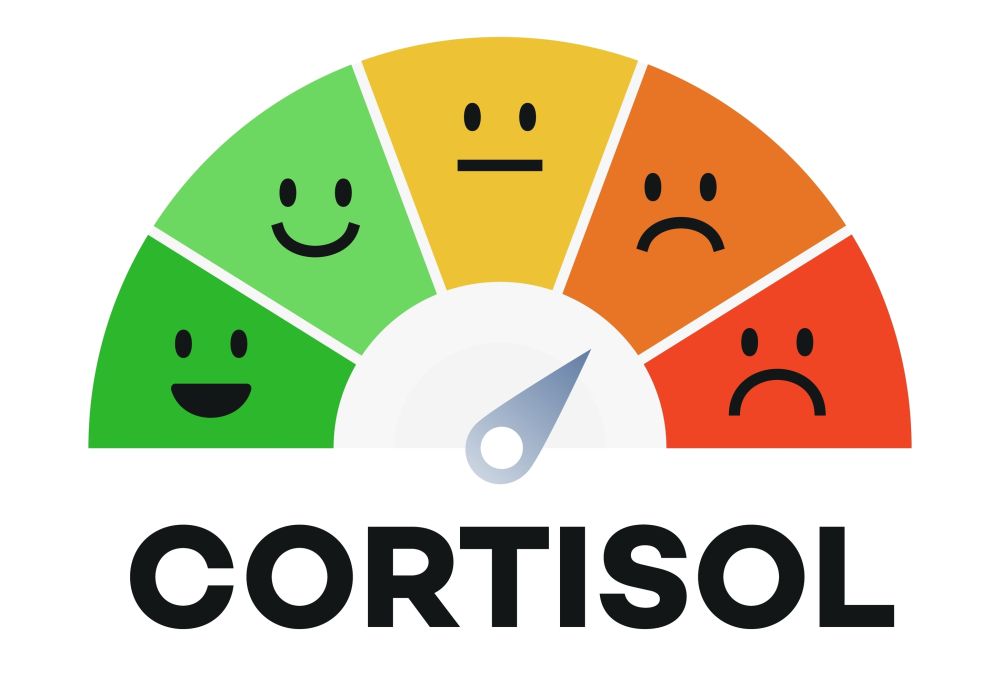
Vitamin D has been found to support balanced cortisol levels. Cortisol is an adrenal hormone involved in energy regulation, metabolic processes, and the body’s natural stress response.
“When stress remains high for prolonged periods, cortisol levels can become elevated, which may contribute to feelings of tension, restlessness, and difficulty falling asleep at night,” explains Dr. Berg.
Because cortisol influences the areas of the brain involved in sleep and can affect melatonin rhythm, maintaining balanced vitamin D levels may help promote a smoother transition into sleep and support overall nighttime relaxation.
4. Supports deep-wave sleep
Vitamin D supports the production of acetylcholine, a critical neurotransmitter that promotes brain function and healthy cognition.
Acetylcholine is also necessary to achieve slow-wave sleep, the deepest phase of the sleep cycle. This type of sleep supports cellular regeneration, memory consolidation, energy restoration, and muscle repair.

How to get restorative sleep with vitamin D
While healthy vitamin D levels support restful sleep, many people don’t benefit from adequate sunlight exposure and may be at risk of vitamin D deficiency.
While there are some vitamin D-containing foods, including fatty fish, egg yolks, and organ meats, these sources typically contain only small amounts, and it’s unlikely that you will obtain enough vitamin D from dietary intake alone.
Vitamin D supplementation is a popular option for those seeking to support healthy vitamin D levels and promote restful sleep.
Because of vitamin D’s potential beneficial effects on sleep regulation, taking vitamin D3 in combination with magnesium at night may further support healthy sleep.
Magnesium enhances vitamin D absorption and may augment vitamin D’s benefits for sleep by promoting a relaxed muscle tone and a calm nervous system.

Can too much vitamin D affect your sleep?
While vitamin D generally supports healthy sleep, too much vitamin D can cause sleep issues in some sensitive individuals, especially if vitamin D is taken later in the day.
Although it’s not yet fully understood how, postmenopausal women and the elderly may be at an increased risk of disrupted sleep due to taking vitamin D at night or taking too much vitamin D.
How much vitamin D you need depends on many factors, including your vitamin D blood levels, sunlight exposure, medication use, skin tone, and body weight.
Consulting your healthcare provider for regular blood tests can help you understand your vitamin D status and determine the most appropriate supplementation approach.
Key takeaways
- Vitamin D supports melatonin production, regulates the circadian rhythm, and balances stress hormones, all of which are important for quality sleep.
- Maintaining adequate vitamin D levels supports deep-wave sleep, immune function, and overall nighttime restoration.
- Sunlight exposure, vitamin D-rich foods, and vitamin D3 supplements, especially when combined with magnesium at night, may help enhance sleep quality.
- Some individuals may be sensitive to taking vitamin D supplementation at night and may benefit from adjusting timing or dosage.
FAQ
- 1. Is there a connection between vitamin D and sleep quality?
- 2. Is vitamin D good before bed?
- 3. Can vitamin D cause sleepless nights?
- 4. Why does vitamin D make me sleepy?
- 5. When should I take vitamin D, in the morning or at night?
Sources
- https://pubmed.ncbi.nlm.nih.gov/32156230/
- https://www.sciencedirect.com/science/article/pii/S1087079220301222
Related Articles
-
What Is the Best Time to Take Magnesium?
 Supplements
What Is the Best Time to Take Magnesium?
At a glance The best time to take magnesium depends on your primary health goals and daily routine. Morning magnesium intake can support daytime stress management and energy production, while…08/31/2026 -
Vitamin D2 vs. D3 Supplements: What’s the Difference?
 Supplements
Vitamin D2 vs. D3 Supplements: What’s the Difference?
At a glance Vitamin D2 and vitamin D3 are two forms of supplemental vitamin D. Although both contribute to vitamin D intake, they differ in structure, stability, and effectiveness in…05/21/2026 -
Liquid vs. Capsule Vitamin D Supplements
 Nutrients
Liquid vs. Capsule Vitamin D Supplements
At a glance Vitamin D is a fat-soluble nutrient that functions more like a hormone than a traditional vitamin by regulating calcium absorption, supporting immune function, and influencing critical cellular…05/21/2026 -
Vitamin D Supplements: Forms and How to Choose
 Supplements
Vitamin D Supplements: Forms and How to Choose
At a glance Vitamin D supplements differ in form and formulation, which can influence how vitamin D is absorbed, metabolized, and retained in the body. Individual factors such as sun…05/14/2026 -
Cod Liver Oil – Benefits and Side Effects
 Nutrition
Cod Liver Oil – Benefits and Side Effects
At a glance Cod liver oil is a nutrient-dense oil derived from the livers of Atlantic codfish, valued for its rich content of omega-3 fatty acids such as EPA and…04/03/2026 13.6k views -
Can Low Vitamin D Cause Depression in Teenagers?
 Vitamins
Can Low Vitamin D Cause Depression in Teenagers?
At a glance Vitamin D is essential for brain health, and low levels in teenagers may increase the risk of depression. Insufficient sunlight exposure and poor dietary habits can contribute…02/26/2026 10.8k views -
Cholesterol and Vitamin D: How Are They Connected?
 Heart health
Cholesterol and Vitamin D: How Are They Connected?
At a glance Cholesterol and vitamin D are closely connected, as cholesterol is required to produce vitamin D, and vitamin D is needed to balance the body’s cholesterol pool. Understanding…02/20/2026 28.2k views -
The Connection Between Vitamin D and Gallbladder Health
 Health concerns
The Connection Between Vitamin D and Gallbladder Health
At a glance Vitamin D and gallbladder health are closely connected, as adequate bile flow is essential for the absorption of vitamin D. At the same time, low vitamin D…01/29/2026 10.7k views -
7 Nail Changes That May Be Linked to Nutrient Deficiencies
 Nutrition
7 Nail Changes That May Be Linked to Nutrient Deficiencies
At a glance Nails can serve as a biological record of your health, as changes in nail strength, shape, color, or texture may signal nutrient deficiencies. Supporting optimal nutrient levels…01/23/2026 33.4k views -
Osteoporosis and Osteopenia: How to Support Strong Bones
 Health concerns
Osteoporosis and Osteopenia: How to Support Strong Bones
At a glance Osteopenia and osteoporosis are age-related conditions marked by gradual bone density loss that often develops without clear symptoms. Changes in bone strength can increase fracture risk and…01/08/2026 5.9k views