


At a glance
Sinus congestion is commonly associated with allergies, infections, or structural blockages that cause pressure, discomfort, and breathing difficulties. Identifying and avoiding triggers that contribute to chronic congestion can help reduce recurring symptoms. Targeted natural strategies may also encourage drainage and promote clearer, more comfortable airflow.
Congested nasal passages, often related to infections, fungal overgrowth, or allergies, can cause uncomfortable symptoms, such as pain and pressure around the eyes, cheeks, and forehead.
Learn how to drain sinuses with one simple acupressure technique and discover key dietary and lifestyle changes that support respiratory health for easier, more comfortable breathing.
What causes sinus congestion?
Most cases of sinus congestion are linked to upper respiratory infections or allergies, which trigger an immune system response leading to inflamed, swollen, and blocked sinus cavities.
This can prevent proper airflow and mucus drainage, causing pressure buildup in the sinuses. As the pressure increases, it can lead to facial pain, headaches, and a feeling of fullness or heaviness in the face.
Although rare, a severe sinus infection can affect vision, cause dizziness, and result in facial swelling that can cause intense discomfort or pain.
In addition, food sensitivities, fungal overgrowth within the upper respiratory tract, and nasal polyps can also trigger chronic sinus issues, leading to persistent inflammation and discomfort.
Watch the video below to discover a simple technique to achieve fast sinus pain relief.
How to drain your sinuses naturally
While over-the-counter medications such as nasal sprays or decongestants may seem convenient, they’re typically not a lasting solution to relieve sinus pressure as they don’t address the underlying causes of congestion.
Here are four natural ways to find sinus pressure relief.
1. Garlic
Garlic has long been used to address various sinus issues due to its strong antimicrobial effects and mucolytic properties, meaning it can help mucus drain from the sinus cavities.
This can be especially helpful for sinus problems caused by fungal, yeast, or bacterial overgrowth.
Regular consumption of garlic oil or nasal garlic rinses using a neti pot and garlic-infused distilled water may help clear sinus congestion, reduce inflammation, and promote better airflow.
2. Identify food allergies
Research published in the American Journal of Rhinology & Allergy found that chronic sinusitis is commonly linked to food allergies and sensitivities.
Dairy products, in particular, are common culprits, as they can contribute to inflammation and mucus buildup in sensitive individuals, which can trigger or worsen sinus symptoms.
Other food sensitivities linked to an increased risk of sinus issues include:
- Gluten
- Soy
- Peanuts
- Shellfish
- Eggs
- Corn
- Monosodium glutamate (MSG)
- Artificial preservatives
- Food dyes
Keeping a food journal to track your diet and symptoms can help pinpoint problematic trigger foods that may contribute to chronic sinus issues.
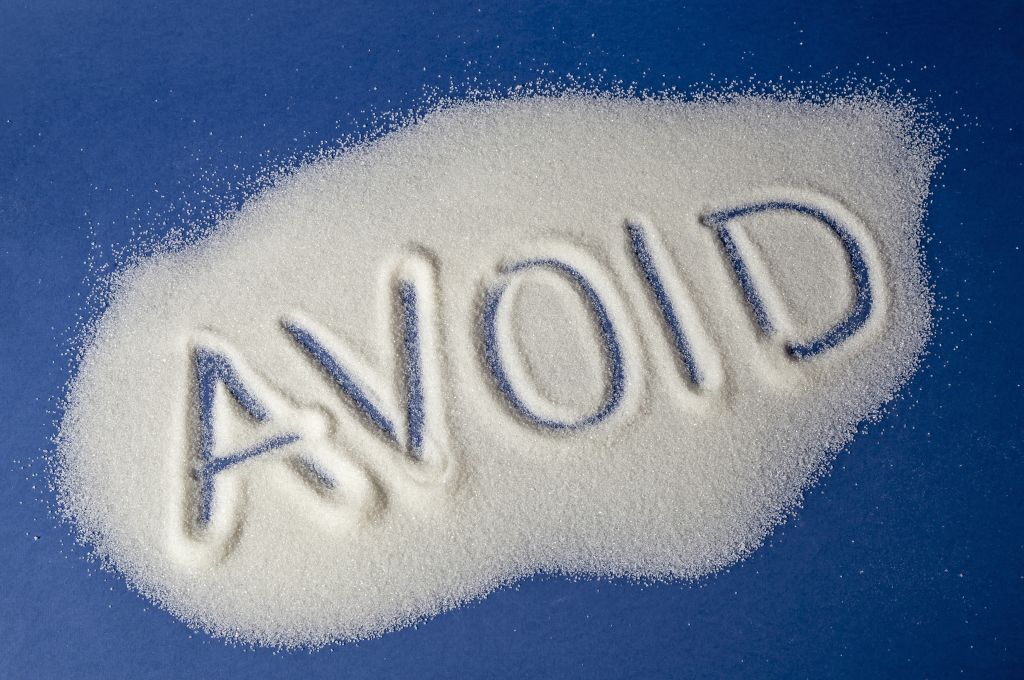
3. Avoid sugar
Avoiding sugar and refined carbohydrates can be an effective strategy for managing sinus congestion, especially for cases caused by microbial overgrowth.
Sugar serves as the primary fuel source for fungi and yeasts, such as Aspergillus fumigatus and Candida albicans, two common pathogens linked to chronic sinus issues.
“Sugar intake helps these microbes to thrive, which triggers immune responses, excessive mucus production, inflammation, and persistent congestion,” explains Dr. Berg.
Avoiding sugars and following a nutritious low-carb diet such as Healthy Keto® can help inhibit microbial growth and support strong immune defense, both critical to managing and preventing microbial-related sinus congestion.
4. Spanish black radish
Spanish black radish, typically consumed raw, fermented, or juiced, has long been used as a natural remedy for alleviating blocked nasal passages and sinus infections.
It’s believed that the high sulfur concentrations in Spanish black radish help break down thick mucus and promote its elimination, making it easier to clear the sinuses.
A study published in Pharmaceuticals investigated the various health benefits of black radish and concluded, “Among the parts of the black radish, the leaves and roots can be used to treat respiratory infections, fever, and inflammatory diseases.”

Using acupressure to open the sinuses
Acupressure can relieve sinus congestion and pain by stimulating specific pressure points that improve blood flow to the sinus cavities. This can help open up nasal passages and promote mucus drainage.
To relieve sinus pain, ask someone to apply gentle pressure with their thumb and middle finger to the area just below the skull bone at the back of your neck while placing their other hand on your forehead for about 20 to 30 seconds.
Alternatively, use a tripod-shaped massage tool to target the same spot beneath the skull for sinus pressure relief.
You can further improve sinus drainage after acupressure by placing a hot compress on your face and applying a gentle sinus massage using your fingertips to make slow, circular motions along the sides of your nose, under your cheekbones, and across your forehead.
A hot shower can also aid in loosening mucus and opening nasal passages after applying acupressure, allowing you to breathe deeply and more comfortably.

When to talk to your doctor
Information related to sinus congestion should be discussed with a healthcare provider to determine suitability based on individual health needs.
While many cases of sinus congestion can be managed at home, it’s crucial to seek medical care if you feel sinus pressure worsens, develop a fever, or experience severe headaches or facial swelling.
An ear, nose, and throat (ENT) specialist can help diagnose underlying conditions, such as chronic sinusitis, infections, or nasal polyps, and recommend the most effective treatment options.
Additionally, if you suspect allergies or food sensitivities may be contributing to your symptoms, allergy testing can help identify triggers and guide better symptom management.
Key takeaways
- If you’re wondering how to drain sinuses naturally, simple techniques such as targeted acupressure and identifying potential triggers, including allergies, food sensitivities, or irritants, can help reduce recurring congestion and improve long-term sinus comfort.
- Natural remedies such as garlic, avoiding sugar, and incorporating Spanish black radish may support mucus clearance and healthier respiratory function.
- Pairing these remedies with supportive methods such as warm compresses, sinus massage, and hot showers can further promote better airflow and more comfortable breathing.
FAQ
- 1. How can you drain your sinuses naturally?
- 2. What foods help drain your sinuses?
- 3. What are the top nutrients to support the sinuses?
- 4. Can I use acupressure for clogged sinuses?
Sources
- Lill C, Loader B, Seemann R, et al. Milk allergy is frequent in patients with chronic sinusitis and nasal polyposis. Am J Rhinol Allergy. 2011;25(6):e221-4. https://pubmed.ncbi.nlm.nih.gov/22185729/
- https://www.mdpi.com/1424-8247/15/11/1376
Related Articles
-
6 Benefits of Vitamin E
 Nutrition
6 Benefits of Vitamin E
At a glance Vitamin E is a fat-soluble vitamin and a powerful antioxidant that protects cells against oxidative stress, free radical damage, and inflammation, all of which contribute to poor…07/03/2026 -
Nitric Oxide and Viagra: What’s the Connection?
 Health concerns
Nitric Oxide and Viagra: What’s the Connection?
At a glance Nitric oxide is a key signaling molecule that relaxes blood vessels, improves circulation, and supports sexual functions. Viagra works by prolonging the effects of nitric oxide, which…03/19/2026 5.9k views -
How to Get Rid of Toenail Fungus – 3 Natural Solutions
 Health concerns
How to Get Rid of Toenail Fungus – 3 Natural Solutions
At a glance Toenail fungus is a common nail infection often linked to environmental exposure to infectious microbes, nail injury, and poor metabolic or immune health. Natural topical solutions and…03/13/2026 33.6k views -
How to Kill Parasites: 7 Natural Tips
 Health concerns
How to Kill Parasites: 7 Natural Tips
At a glance Parasitic infections occur when worms or protozoa colonize the body, often through exposure to contaminated pets, food, or water. These organisms can interfere with digestion and other…03/13/2026 15.1k views -
HPV Skin Tags: Causes and What to Do
 Health concerns
HPV Skin Tags: Causes and What to Do
At a glance While both skin tags and warts can be linked to human papillomavirus (HPV), they differ in appearance and how they affect the body. Targeted dietary and lifestyle…03/13/2026 16.6k views -
4 Asthma Remedies to Try at Home
 Health concerns
4 Asthma Remedies to Try at Home
At a glance Asthma is a chronic inflammatory condition that narrows the airways and makes breathing difficult, especially during asthma attacks. While conventional care is often necessary, natural asthma remedies…03/06/2026 17.6k views -
Too Much Keto Weight Loss? What to Do If You’re Too Skinny
 Diet
DietToo Much Keto Weight Loss? What to Do If You’re Too Skinny
At a glance Keto weight loss often occurs rapidly during the early adaptation phase, primarily due to fluid loss rather than immediate fat reduction. While fat loss is expected, ongoing…03/06/2026 10.2k views -
How to Ease a Sore Throat Quickly Using Acupressure
 Health concerns
How to Ease a Sore Throat Quickly Using Acupressure
At a glance Acupressure offers a simple, hands-on approach to promoting physical comfort, which may help soothe sore throat pain. While it’s not a substitute for a medical evaluation, acupressure…02/27/2026 25.2k views -
What Causes Pale Colored Stool?
 Health concerns
What Causes Pale Colored Stool?
At a glance Pale-colored stool can be linked to low bile flow, low-fat diets, alcohol use, infections, or underlying liver, gallbladder, or pancreatic issues. Supporting gallbladder function through a nutritious…02/26/2026 14.9k views -
Can Low Vitamin D Cause Depression in Teenagers?
 Vitamins
Can Low Vitamin D Cause Depression in Teenagers?
At a glance Vitamin D is essential for brain health, and low levels in teenagers may increase the risk of depression. Insufficient sunlight exposure and poor dietary habits can contribute…02/26/2026 10.8k views


