

At a glance
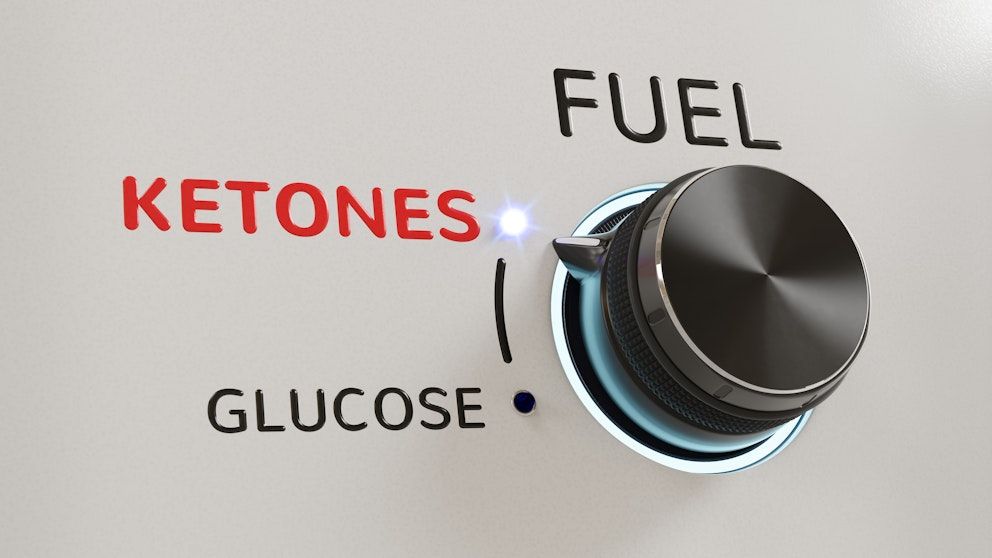
Ketosis occurs when your body begins burning fat for energy instead of sugar, while keto-adaptation marks the point when your metabolism has fully adjusted to using ketones as its main fuel source. How quickly this happens depends on carbohydrate intake, diet quality, and your overall metabolic health. Monitoring physical signs and testing ketone levels can help track your progress.
If you recently started the ketogenic diet, you may wonder how long it takes to get into ketosis.
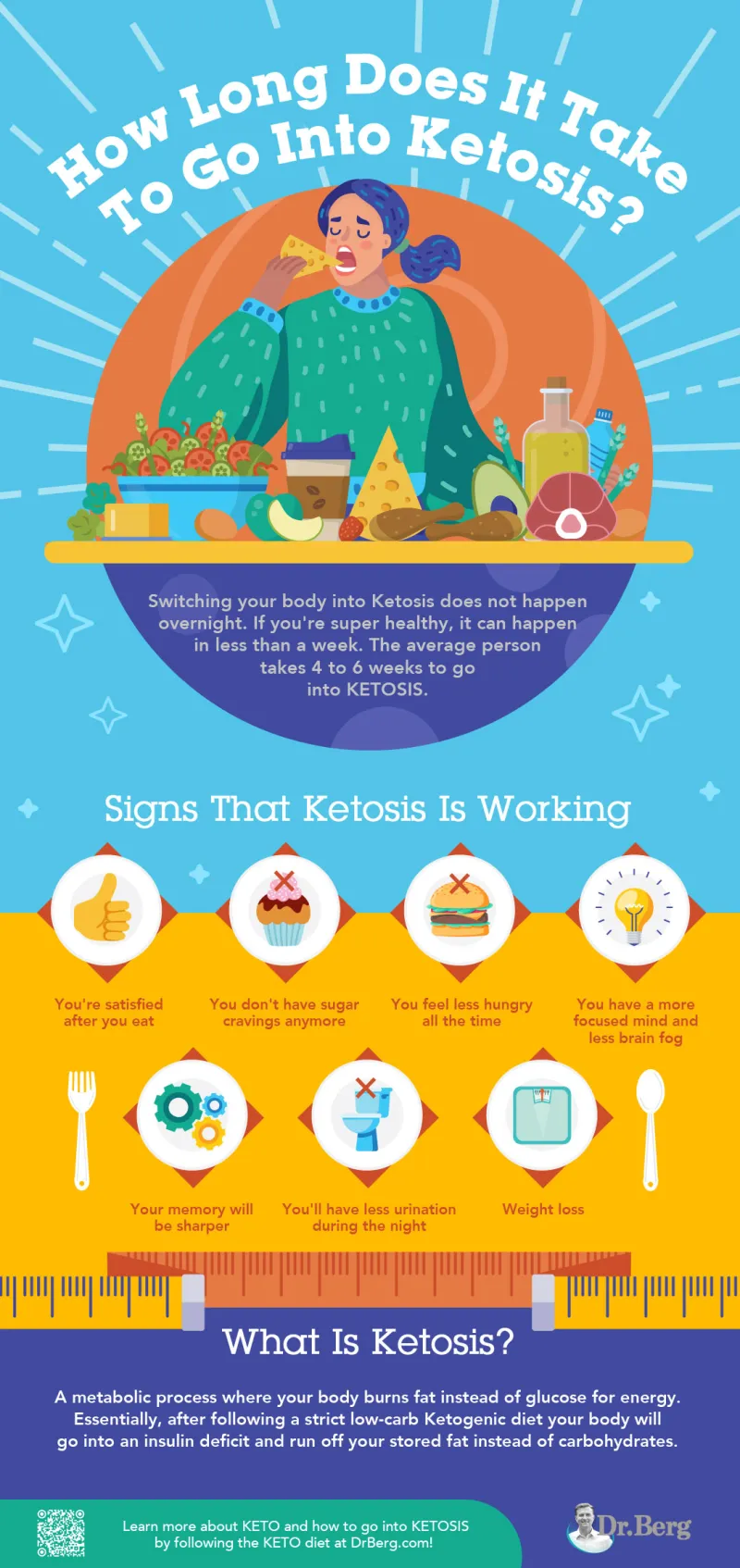
Restricting carb intake shifts your metabolism into a fat-burning mode which triggers profound changes in how your cells generate energy. While you can reach ketosis within a few days, it can take your body up to a month to fully adapt to using ketones as a primary fuel source.
Let’s look at how long it takes to get into ketosis and what steps you can take to speed up your keto-adaptation.
How long does it take to get into ketosis?
How long it takes to enter ketosis and fully adapt to using ketones as a primary fuel source depends on several factors, including your previous diet, metabolic flexibility, body weight, and whether you are doing Healthy Keto® or a dirty keto diet.
“Most people achieve ketosis within a few days and are fully keto-adapted within a month,” says Dr. Berg. “However, in some cases, it can take up to six weeks to adjust to the profound metabolic changes of keto.”
If you have consistently restricted your carb intake and start to experience mental clarity, stable moods, diminished hunger sensations, and no longer have carb cravings, you most likely have entered ketosis, and your body adapted to using ketones as an energy source.
Watch the video below to learn how long it can take for your body to adapt to keto.
What is the ketogenic diet?
The ketogenic diet is a low-carb, moderate-protein, and high-fat diet that primes your metabolism to burn fat instead of carbs as a fuel source.
Keto’s low-carb dietary pattern significantly limits the body’s ability to utilize blood glucose as a primary fuel source which triggers the breakdown of fat to generate energy.
How do you get into ketosis?
As your body breaks down fat, the liver generates large quantities of ketone bodies, a by-product of fat metabolism and a very efficient energy source. As ketones build up in your circulation to fuel your body, you enter a metabolic state called ketosis.
To achieve ketosis and maintain fat-burning, limit your carbohydrate intake to no more than 20 to 50 grams of net carbs daily. Consuming high-carb foods can quickly push you out of ketosis, and your metabolism will return to burning blood glucose for energy.
The longer you stay in ketosis, the more efficient your metabolism will become at burning fat—this is also known as keto-adaptation or fat-adaptation.
The best ways to test your ketone levels
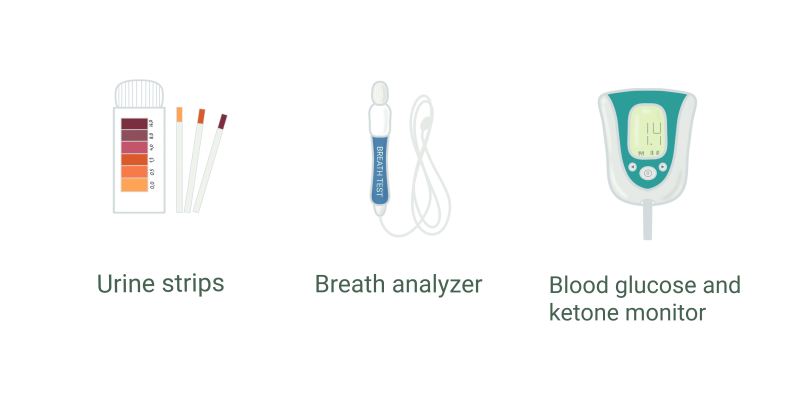
You can test ketone levels in several ways, including blood ketone testing, breath ketone testing, and urine ketone testing.
Here are the best ways to test your ketone levels:
Blood Ketone Testing
Using a blood ketone meter is the most accurate measurement of blood ketone levels. However, you must purchase the device and test strips and be willing to prick your finger to collect a small blood sample.
Breath Ketone Testing
A breath ketone meter measures the levels of acetone in your breath. Acetone is a type of ketone and indicates that your body is in ketosis. Acetone is also the reason for keto-breath, a common symptom during the early stages of keto-adaptation.
Urine Ketone Testing
Urine ketone testing strips are the easiest and cheapest way to test ketone levels, but also the most unreliable.
Urine ketone testing is influenced by factors such as hydration levels and the time of day. In addition, as your body adapts to keto, your cells will become more efficient using ketones as a fuel source. This lowers urinary ketone concentration, meaning you can be in ketosis without ketones in your urine.
You may have heard that elevated levels of ketones can indicate ketoacidosis, a serious metabolic disorder that can be life-threatening. It’s important to understand that ketoacidosis doesn’t develop as a result of keto or intermittent fasting and typically only affects individuals with diabetes.
However, if you are experiencing symptoms including thirst, confusion, frequent urination, nausea, weakness, and fruity-scented breath, it’s essential to consult with a healthcare provider to determine possible underlying causes and formulate an appropriate treatment plan.

Five ways to speed up keto-adaptation
During keto-adaptation, your metabolism becomes increasingly more efficient at burning fat, and the liver produces more ketones to fuel your body.
Research published in Nature Reviews Neuroscience confirms that converting fats into energy relies on different metabolic pathways and enzymes than burning sugars, and it can take your cells weeks or even months to fully adapt to these changes.1
However, there are several ways that can help your body adjust to ketosis and lower the risk of suffering side effects of doing keto, including brain fog, fatigue, muscle cramps, and keto headaches.
Here are five steps that you can take to speed up keto-adaptation.
1. Combine keto with intermittent fasting
Intermittent fasting helps with keto-adaptation because it accelerates the transition into ketosis by depleting the body’s glycogen stores.
Glycogen is a stored form of glucose that can be used for energy. When glycogen levels are low, the liver begins to use fat as fuel instead of sugars, which explains why intermittent fasting can significantly shorten the time it takes to reach and adapt to ketosis.
Combining keto with intermittent fasting is an excellent way to support your metabolic health and has been found beneficial in the treatment of obesity, metabolic syndrome, and diabetes.
A group of experts studying the health effects of ketosis concluded that “The use of intermittent fasting and a ketogenic diet is an effective and sustainable alternative to a standard care approach in the treatment of type 2 diabetes.”2
2. Stay hydrated and replenish electrolytes
During the early stages of keto, you may notice a more frequent need to urinate.
Ketosis can cause temporary fluid loss and depletes essential electrolytes like potassium and sodium. Replacing lost electrolytes is crucial to support your cellular adaptation to ketosis.
Increase potassium-rich foods like vegetables and salad, and aim for seven to ten cups of veggies daily to get optimal nutrients.
Alternatively, replenish potassium with a high-quality electrolyte supplement without added sugars or dextrose.
3. Support fat digestion
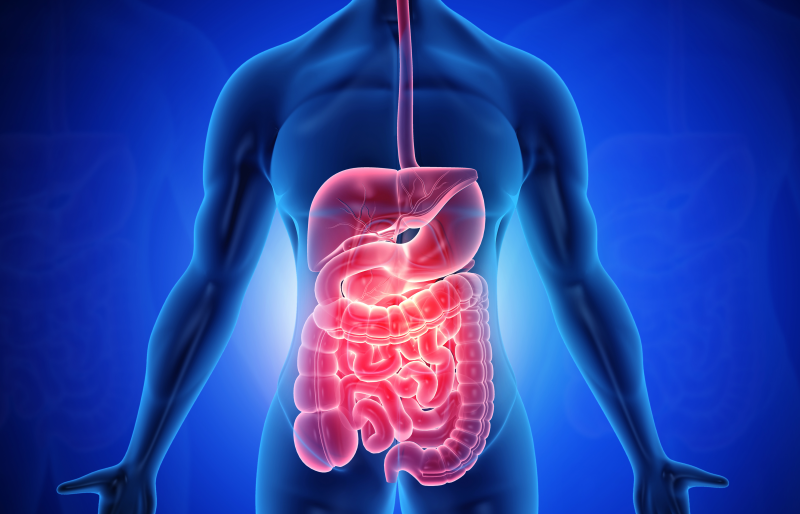
A sudden high fat intake can initially overwhelm your capacity to digest and absorb dietary fats, and supporting your digestive system can help speed up keto-adaptation.
Taking purified bile salts is a convenient way to support the digestion of dietary fats and enhances the absorption of fat-soluble vitamins, which promote cellular function and help your cells adapt to ketones as a primary fuel source.
4. Eat nutrient-dense, high-quality foods
A healthy keto diet doesn’t just require low-carb and high-fat foods. To support your body while adapting to the metabolic changes of ketosis, it’s important to do a Healthy Keto® diet.
Healthy Keto replenishes vitamins and minerals by including plenty of green leafy vegetables, seafood, pork, avocado, full-fat dairy, and nuts and seeds.
5. Boost B vitamins
Switching to a high-fat diet can deplete B vitamins essential for burning fat. Lack of adequate B vitamins can slow down ketosis and prolong keto-adaptation.
Doing Healthy Keto and incorporating nutritional yeast to support balanced B vitamin levels helps your body adapt to keto fast.
Health benefits of keto
The ketogenic diet has gained increasing popularity—and for a good reason.
Not only does keto help to lose body fat fast, but people that consistently follow keto report higher energy levels, sharper focus, and overall improved well-being.
In addition, research published in Cureus confirms that the keto diet supports metabolic health and lowers the risk of diabetes, insulin resistance, and metabolic syndrome.3
Here are some examples of why the keto diet is an excellent choice for your health:
- Rapid weight loss and healthy weight maintenance long-term
- More energy and improved cognitive function
- Ketosis diminishes carbohydrate cravings and supports blood sugar balance
- A stronger immune system that can fight inflammation and infections more effectively
Key takeaways
- Ketosis typically begins within a few days of carbohydrate restriction, while full keto-adaptation may take several weeks, depending on factors such as metabolic health, diet composition, and previous carbohydrate intake.
- Combining Healthy Keto® with intermittent fasting can help deplete glycogen stores and accelerate the transition into ketosis.
- Staying hydrated, maintaining electrolyte balance, and supporting fat digestion can help support the keto-adaptation process.
- Physical signs such as enhanced mental clarity, sustained energy, and reduced cravings often indicate ketosis, though urine, breath, and blood ketone testing may provide more accurate confirmation.
- While ketosis is generally safe, very high ketone levels accompanied by symptoms such as excessive thirst, nausea, confusion, or fruity-scented breath should be evaluated by a healthcare professional to rule out ketoacidosis or other underlying issues.
FAQ
- 1. What is ketosis?
- 2. What are the first signs of ketosis?
- 3. How quickly will my body go into ketosis?
- 4. How can I speed up keto adaptation?
- 5. Is it possible to adapt to ketosis in 24 hours?
- 6. What does it feel like when you’re in ketosis?
- 7. How do I know if I’m in ketosis?
- 8. Can intermittent fasting speed up ketosis?
- 9. What’s the best way to test for keto adaptation?
- 10. Is keto flu a sign of ketosis?
- 11. Why do some people take longer to get into ketosis?
Sources
- Mattson MP, Moehl K, Ghena N, Schmaedick M, Cheng A. Intermittent metabolic switching, neuroplasticity and brain health. Nat Rev Neurosci. 2018;19(2):63-80. doi:10.1038/nrn.2017.156 https://pubmed.ncbi.nlm.nih.gov/29321682/ ↩︎
- Lichtash C, Fung J, Ostoich KC, Ramos M. Therapeutic use of intermittent fasting and ketogenic diet as an alternative treatment for type 2 diabetes in a normal weight woman: a 14-month case study. BMJ Case Rep. 2020;13(7). doi:10.1136/bcr-2019-234223 https://www.ncbi.nlm.nih.gov/pmc/articles/PMC7342268/ ↩︎
- Batch JT, Lamsal SP, Adkins M, Sultan S, Ramirez MN. Advantages and Disadvantages of the Ketogenic Diet: A Review Article. Cureus. 2020;12(8):e9639. doi:10.7759/cureus.9639 https://www.ncbi.nlm.nih.gov/pmc/articles/PMC7480775/ ↩︎
Related Articles
-
Fasting on Workdays: A Practical Approach
 Diet
DietFasting on Workdays: A Practical Approach
At a glance Time-restricted eating may be one of the most practical forms of intermittent fasting for busy workdays. When paired with the right dietary strategy, a consistent fasting schedule…09/24/2026 -
What to Eat After a 72-Hour Fast and What to Avoid
 Diet
DietWhat to Eat After a 72-Hour Fast and What to Avoid
At a glance A 72-hour fast shifts the body toward greater reliance on stored fat and changes how nutrients are handled when eating is resumed. Reintroducing food afterward can affect…09/18/2026 -
Fasting Hunger Waves: How to Ride Them Out
 Diet
DietFasting Hunger Waves: How to Ride Them Out
At a glance Intermittent fasting may support weight loss, fat burning, and metabolic health by lowering insulin levels and shifting the body toward using fat stores for fuel. Fasting hunger…09/10/2026 -
7 Common Intermittent Fasting Myths Debunked
 Diet
Diet7 Common Intermittent Fasting Myths Debunked
At a glance Intermittent fasting is an increasingly popular dietary pattern that is often misunderstood. Many common concerns surrounding intermittent fasting, including muscle loss, hormonal disruption, and metabolic slowdown, are…09/03/2026 -
What Is Time-Restricted Eating?
 Diet
DietWhat Is Time-Restricted Eating?
At a glance Time-restricted eating is a form of intermittent fasting that limits meals to a consistent daily eating window. This approach focuses on when food is consumed rather than…08/13/2026 -
Does Intermittent Fasting Affect Your Metabolism?
 Diet
DietDoes Intermittent Fasting Affect Your Metabolism?
At a glance Intermittent fasting impacts metabolism by shifting the body towards ketosis, improving insulin sensitivity, and enhancing metabolic flexibility. While fasting can support weight management and metabolic efficiency, results…07/23/2026 -
What Is the Best Meal Timing for Stable Energy?
 Diet
DietWhat Is the Best Meal Timing for Stable Energy?
At a glance Meal timing can influence daily alertness, hunger cues, and blood sugar patterns. The body processes food according to internal rhythms that affect insulin, digestion, and metabolic activity.…07/17/2026 -
Fasting and Cancer: What to Know
 Fasting
Fasting and Cancer: What to Know
At a glance Fasting has been increasingly studied for its potential role in cancer prevention and support during treatment. By influencing cellular metabolism, promoting autophagy, and modulating immune function, fasting…07/16/2026 -
36-Hour Fasting: Benefits, Safety, and How It Works
 Diet
Diet36-Hour Fasting: Benefits, Safety, and How It Works
At a glance A 36-hour fast is a prolonged fasting strategy that shifts the body into ketosis, promoting fat burning, improved insulin sensitivity, and cellular repair through autophagy. These metabolic…06/25/2026 -
Does Fasting Help with Inflammation?
 Diet
DietDoes Fasting Help with Inflammation?
At a glance Fasting is a powerful tool for reducing inflammation and supporting overall health. By promoting fat burning and activating cellular repair processes, fasting can help lower pro-inflammatory markers.…06/05/2026


