


At a glance
Whether or not gum breaks a fast depends on its ingredients. Sugary gum raises insulin and can break a fast outright. Some sugar-free gum is acceptable, but certain artificial sweeteners may be counterproductive during fasting because of their potential effects on the microbiome and metabolic health.
Many fasting protocols focus on avoiding caloric foods and drinks. Because a piece of gum has only a few calories, people wonder: Does chewing gum break a fast?
Learn how different types of gum affect fasting, insulin levels, and fat burning—and which options are least likely to disrupt the potential health benefits of a fast.
What does it mean to break a fast?
Technically, any caloric intake breaks a fast, but because fasting supports several metabolic changes at different thresholds, what “counts” depends on which benefit you’re trying to protect.
When you stop eating, blood sugar and insulin levels gradually fall. Since insulin is the hormone responsible for moving glucose into cells and driving fat storage, falling levels signal the body to switch fuels, so it begins to shift from using glucose for energy to burning body fat.
This fat-burning state is called ketosis, and it’s the mechanism behind many of fasting’s metabolic benefits, including weight loss, mental clarity, and sustained energy.
With longer fasts, low insulin can also trigger autophagy, a cellular clean-up process linked to immune function, metabolic health, and healthy aging.
Because each of these benefits responds differently to caloric intake and insulin, your fasting goal determines how strict you need to be.
For weight loss or basic intermittent fasting, drinking anything with little to no effect on insulin is generally fine, such as lemon water, diluted apple cider vinegar, plain tea, or black coffee.
For those primarily seeking the cognitive benefits of fasting or support with fat adaptation, even small amounts of dietary fat, such as heavy cream or coconut oil, are acceptable by some standards. Fat, unlike carbohydrates and protein, has a minimal impact on insulin and can support ketone production even though it’s calorically dense.
If you’re fasting to maximize autophagy, for religious reasons, or following strict methods such as dry fasting, intake of most food and beverages typically counts as breaking the fast.
Watch the video below to learn more about what you can eat and drink while fasting.
Does chewing gum break a fast?
Whether chewing gum breaks your fast primarily depends on its ingredients.
Regular chewing gum and bubble gum contain about 10 to 30 calories and around 3 to 6 grams of sugar per piece. Sugarless gum options typically have 2 to 5 calories per stick and less than half a gram of sugar per serving.
“A small amount of sugar-free gum is unlikely to affect insulin, ketones, or fat burning—especially when it contains natural sweeteners such as stevia or xylitol,” explains Dr. Berg. “Regular gum made with sugar is more problematic because even small amounts of sugar can spike insulin.”
What to avoid if chewing gum while fasting
The main downsides of chewing gum while fasting come from how its ingredients can affect the body.
Sugar is an ingredient that will easily break a fast. But even sugar-free options can stimulate insulin, increase hunger, upset digestion, and interfere with metabolic health. This can make it difficult to know which gum, if any, is truly safe to chew while fasting.
Here are three common sugar-free sweeteners to avoid when shopping for gum.
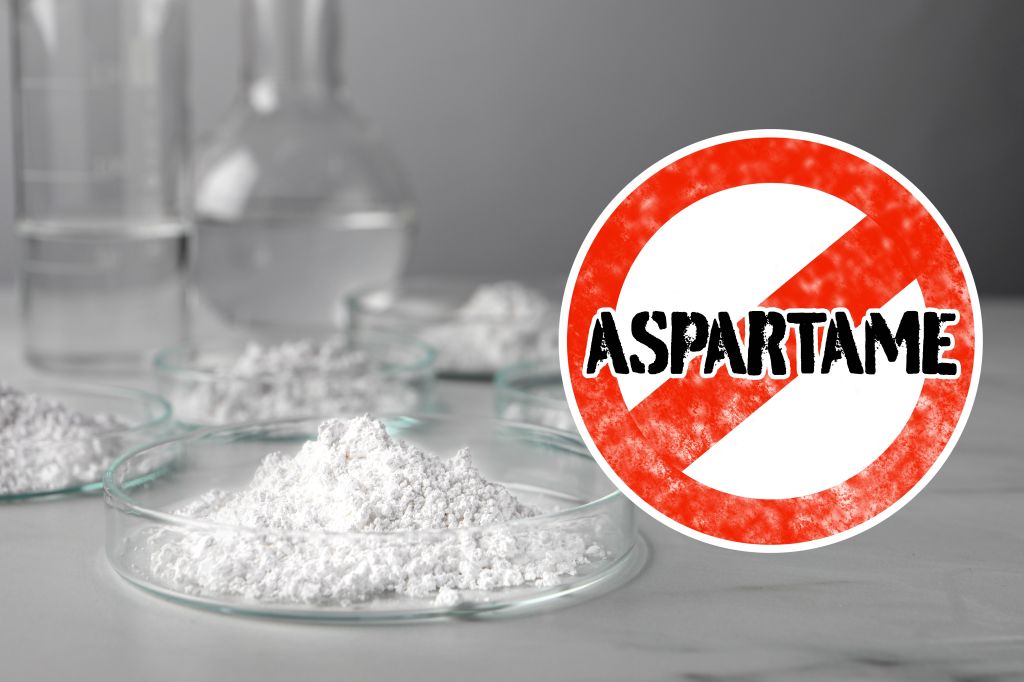
1. Aspartame
Aspartame is a common artificial sweetener found in many sugar-free products. It’s been linked to imbalances in the gut microbiome and may increase hunger and negatively affect cardiometabolic and cognitive health.
2. Sucralose
Sucralose contains zero calories or sugar, but research published in Life shows that it can activate sweet taste receptors and directly stimulate insulin secretion, potentially disrupting the fasted state. It has also been linked to liver fat accumulation.
3. Maltitol
Despite being sugar-free, maltitol can spike blood sugar nearly as much as table sugar, making it an ingredient to avoid when fasting.
In addition, maltitol is not well absorbed by the small intestine, which may lead to digestive discomfort in some people, including gas, bloating, or even diarrhea when consumed in large amounts.
When gum might be acceptable during fasting
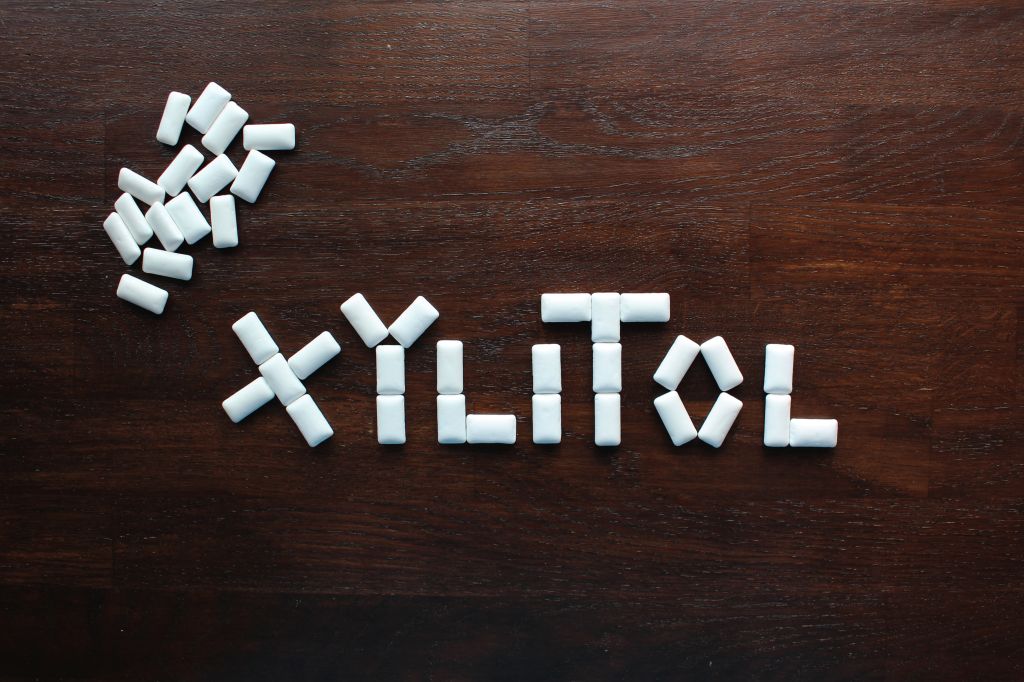
Gum may be acceptable while fasting if you choose sugar-free options made with natural sweeteners, such as stevia, monk fruit, allulose, or xylitol.
These sweeteners generally have a minimal impact on ketone, blood sugar, and insulin levels, while still allowing for the mechanical act of chewing, which can make fasting periods feel more sustainable.
Research published in Nutrients found that gum chewing significantly suppressed hunger and cravings for sweet snacks, suggesting it may help reduce cravings during fasting windows. This phenomenon can be helpful for those who are attempting to acclimate to longer periods of fasting.
Sweeteners such as allulose and xylitol may also offer benefits beyond sweetness, including natural antibacterial properties, support for dental health, and more favorable post-meal blood sugar responses.
However, it’s crucial to check ingredient labels beyond the sweeteners themselves. Some sugar-free gums contain bulking agents and texturizers, such as maltodextrin, which can cause rapid blood sugar spikes and interfere with fasting benefits, even in small amounts.
Alternatives to chewing gum while fasting
If you reach for gum for fresher breath or to get through a longer fast, there are several alternatives that can provide similar benefits.
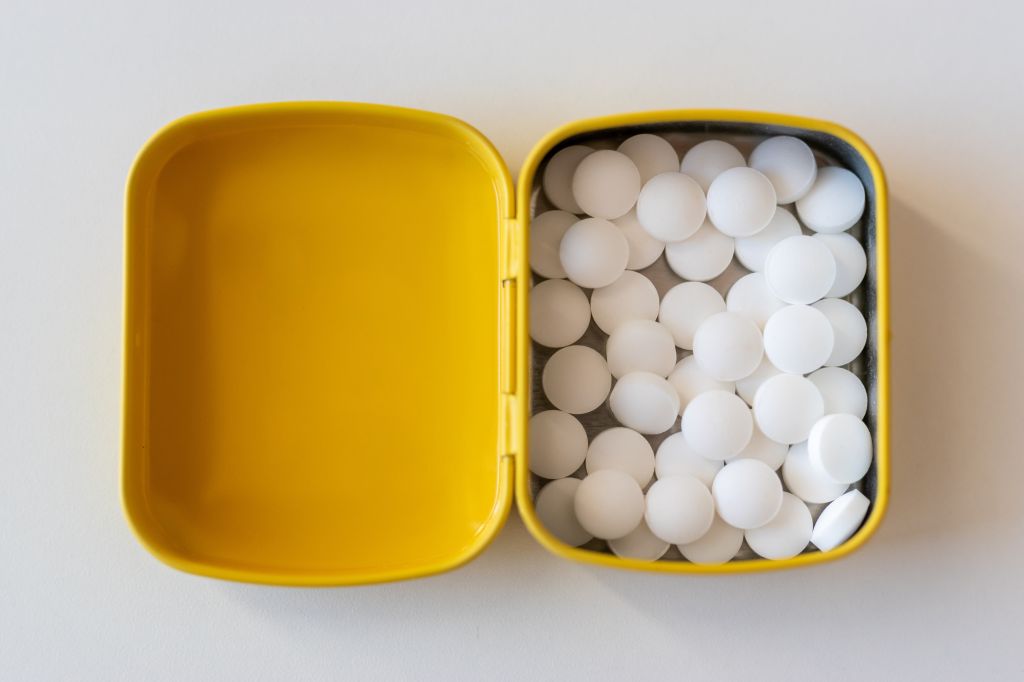
Sugar-free mints made with xylitol, stevia, monk fruit, or allulose can help freshen bad breath and may support oral health, depending on the ingredients.
Low- or no-calorie drinks such as water, sparkling water, black coffee, plain tea, lemon water, zero-sugar electrolyte drinks, or diluted apple cider vinegar can help reduce hunger while supporting hydration.
If you’re new to fasting and using gum to tolerate longer fasting windows, adding fat-based beverages such as bulletproof coffee early on may help ease the transition, especially when paired with Healthy Keto®.
However, because this shifts the body toward burning dietary fat rather than stored body fat, incorporating fat while fasting is best used temporarily if your primary goal is to lose weight.
Key takeaways
- Sugary gum contains enough sugar and calories to spike insulin and break a fast.
- Common artificial sweeteners, including aspartame, sucralose, and maltitol, may disrupt gut health, stimulate insulin secretion, or raise blood sugar, undermining fasting benefits.
- Gum sweetened with stevia, monk fruit, allulose, or xylitol is often the most fasting-compatible option.
- Always check the full ingredient label, as bulking agents like maltodextrin can cause spikes in blood sugar and insulin levels, even when consumed in small amounts.
- If you are fasting to maximize autophagy or following a strict fasting protocol, it’s usually recommended to avoid all gum, including sugar-free gum, until your eating window.
FAQ
- 1. Is it okay to chew gum while fasting?
- 2. Can gum kick you out of ketosis?
- 3. Does gum have calories?
- 4. Does sugar-free gum break a fast?
- 5. What type of gum is best for intermittent fasting?


