

At a glance
Fasting is a powerful tool for reducing inflammation and supporting overall health. By promoting fat burning and activating cellular repair processes, fasting can help lower pro-inflammatory markers. Combined with a nutrient-rich diet, regular exercise, and restorative sleep, fasting can support the body’s natural anti-inflammatory pathways and improve symptoms associated with chronic inflammation.
Fasting has various profound health benefits, but does fasting help with inflammation?
Yes, fasting triggers a cascade of beneficial metabolic and hormonal changes that can help lower inflammation and reduce symptoms such as pain, stiffness, and swelling.
Learn about the anti-inflammatory benefits of caloric restriction, and discover how your diet and lifestyle choices may be contributing to chronic inflammation.
What is inflammation?
Inflammation is a vital mechanism that supports the body’s immune system in protecting against injury and infections.
When tissues are damaged or harmful microbes are detected, immune cells respond by releasing inflammatory messengers such as interleukins and cytokines. This coordinated response helps remove threats, initiate tissue repair, and support recovery.
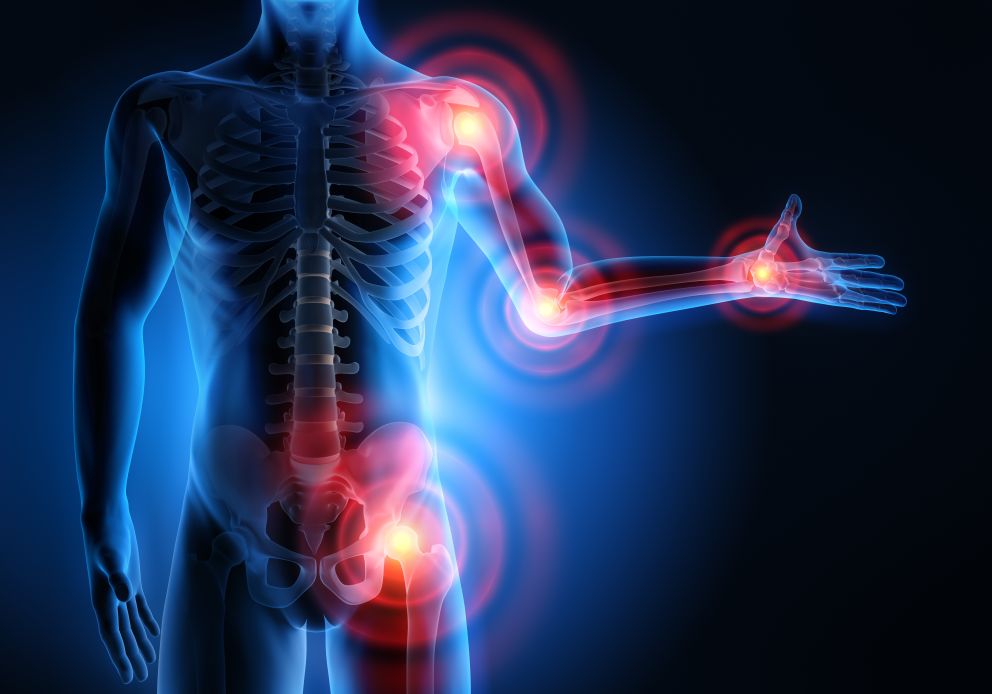
However, when the body fails to resolve inflammation or these immune cell responses become prolonged, physiological systems can shift into a state of systemic inflammation.
Chronic inflammation can slowly damage tissues over time and is strongly linked to chronic health issues such as heart disease, high blood pressure, autoimmune diseases, and rheumatoid arthritis.
A study published in Cureus summarizes, “Unlike acute inflammation, which serves as a protective mechanism against infections and injury, chronic inflammation persists beyond the necessary healing phase, often resulting in autoimmune, infectious, and degenerative conditions.”
The body’s ability to manage inflammation can be influenced by various factors, including hormonal balance, dietary habits, physical activity, sleep quality, stress levels, and environmental exposures.
Watch the video below to discover the top five causes of inflammation.
How fasting may affect inflammation
Fasting has been associated with a wide range of health benefits, including improved metabolic functions and cellular integrity, which are vital aspects of maintaining inflammatory balance.
Here are three ways fasting can affect inflammation.
1. Supports balanced insulin levels
Because fasting involves controlled caloric restriction, blood sugar levels remain more stable, which means the body releases lower levels of the blood-glucose-regulating hormone insulin.
While insulin is vital for maintaining the body’s glucose balance, persistently elevated insulin can exacerbate inflammation by stimulating the production of pro-inflammatory messengers.
This is particularly important for individuals with insulin resistance, a metabolic imbalance characterized by impaired cellular response to insulin, elevated blood sugar levels, and chronic low-grade inflammation.
By improving insulin sensitivity, fasting helps reduce inflammatory markers and supports a healthier, more balanced metabolic state.
This has been confirmed by research published in the Journal of Health, Population, and Nutrition, highlighting that intermittent fasting improved insulin balance and was associated with lower circulating levels of inflammatory markers.
2. Promotes a healthy body composition
Fasting supports weight loss and helps improve body composition by reducing excess body fat, particularly visceral fat located around the organs. This type of fat is metabolically active and releases inflammatory compounds that contribute to systemic inflammation.
By promoting fat burning and reducing fat mass, fasting helps lower inflammatory markers and supports a more anti-inflammatory internal environment.
“Regular fasting can have meaningful benefits for individuals with chronic conditions, including inflammatory bowel disease, rheumatoid arthritis, and eczema, where reducing inflammation can help significantly alleviate symptoms,” explains Dr. Berg.
3. Activates cellular repair mechanisms
Fasting, particularly longer fasting periods, stimulates physiological repair processes known as autophagy, which help remove damaged cells and support overall cellular function.
Autophagy plays a central role in reducing systemic inflammation by clearing dysfunctional cellular components and damaged proteins that can trigger immune responses and promote ongoing inflammatory activity.
Research published in Biomolecules confirms the role of autophagy in maintaining cellular integrity and inflammatory balance, highlighting that autophagy helps inhibit inflammatory responses and can mitigate tissue damage.

Different fasting approaches
There are many different forms of caloric restriction approaches practiced for health reasons, religious beliefs, and personal preferences. While each approach varies in structure and duration, all types of fasts involve intentional periods of reduced or no calorie intake.
Here are some of the most popular fasting regimens.
Intermittent fasting
Intermittent fasting involves cycling between periods of eating and fasting. Most commonly, this includes daily patterns such as a 16- or 18-hour fasting period followed by an 8- or 6-hour eating window.
This type of fasting is one of the most popular and flexible approaches, making it sustainable in the long term as it can be easily adjusted to fit different lifestyles.
One Meal A Day
One Meal A Day (OMAD) is a form of intermittent fasting in which all daily calories are consumed in a single meal, typically within a one-hour window.
This approach creates an extended fasting period of about 23 hours, allowing the body to spend more time in a fasted state.
Because of the long fasting window, OMAD supports significant fat loss, helps improve insulin sensitivity, and can simplify eating patterns by reducing the number of daily meals.
Prolonged fasting
Prolonged fasting approaches extend the fasting period beyond 24 hours, often lasting several days.
This more advanced fasting approach is typically used to promote significant metabolic changes, accelerated weight loss, and deep autophagy. However, extended fasting periods require more planning and, in some cases, medical supervision, especially for longer durations.
Alternate-day fasting
Alternate-day fasting involves rotating between normal eating days and fasting or very low-calorie days.
Although popular, alternate-day fasting hasn’t been linked to the same profound benefits as consistent intermittent fasting schedules. This may be due to the larger fluctuations in calorie intake and metabolic switching that can make it harder for the body to fully activate fasting-related processes.

Lifestyle factors that affect inflammation
The body’s ability to regulate and resolve inflammation is influenced by a wide range of factors, including age, genetics, and underlying health conditions, as well as dietary and lifestyle choices.
Here are four lifestyle factors that can affect inflammation.
1. Dietary habits
Diet quality plays a profound role in influencing inflammatory balance.
Nutrient-poor processed foods, which are high in refined seed oils, added sugars, and artificial preservatives, can promote chronic inflammation by increasing metabolic and oxidative stress, which triggers the release of pro-inflammatory messengers.
In contrast, nutrient-dense whole foods provide essential fatty acids, vitamins, minerals, and polyphenols, all of which help support the body’s anti-inflammatory pathways.
Additionally, a diet high in refined carbohydrates and sugars can contribute to weight gain and insulin resistance, both of which are associated with elevated inflammatory markers and a higher risk of chronic diseases.
2. Sleep quality
Research published in Frontiers in Neurology found that inadequate sleep and inconsistent sleeping patterns are associated with an increased release of inflammatory compounds in the body.
This effect appears especially pronounced in women, and it’s believed that disrupted sleep can interfere with hormonal balance, immune regulation, and the body’s natural ability to resolve inflammation.
Maintaining a consistent sleep schedule and prioritizing restorative sleep can play a crucial role in lowering inflammatory markers, supporting immune functions, and promoting overall metabolic and cardiovascular health.

3. Physical activity
Physical activity is a powerful regulator of inflammation. Regular movement and exercise help reduce systemic inflammatory markers by improving circulation, enhancing insulin sensitivity, and promoting healthy body composition.
Both cardio and strength training encourage fat burning and decrease visceral fat, a key source of pro-inflammatory compounds.
Exercise also stimulates the release of anti-inflammatory molecules such as myokines from muscles, which help directly counteract chronic inflammation.
4. Environmental exposure
Environmental irritants, such as pollution, chemicals, and toxins, can consistently trigger the body’s immune system and contribute to chronic inflammation.
Breathing polluted air, coming into contact with industrial chemicals, or frequent exposure to household toxins can increase cellular stress and liver strain, which stimulates the release of pro-inflammatory messengers.
Reducing these exposures with air purifiers, using non-toxic household products, and limiting contact with environmental pollutants can help lower systemic inflammation and support the body’s natural repair and immune functions.
Alcohol and tobacco also increase oxidative stress, impair liver function, and stimulate chronic inflammatory pathways, contributing to higher inflammatory markers and a greater risk of chronic disease.
Key takeaways
- Fasting triggers metabolic and hormonal changes that can help reduce chronic inflammation and support balanced immune functions.
- Improving insulin sensitivity through fasting has been linked to lower inflammatory markers and enhanced metabolic health.
- Controlled calorie restriction also promotes a healthy body composition and fat loss, which decreases the release of pro-inflammatory compounds from visceral fat cells.
- Lifestyle factors such as diet, sleep, physical activity, and environmental exposures also play a significant role in regulating inflammation and overall health.
FAQ
- 1. Can I fast if I have inflammation?
- 2. Does fasting help with inflammation?
- 3. What type of fasting is best for inflammation?
- 4. Can diet influence inflammation levels?