

At a glance
Maltodextrin is a highly processed carbohydrate with a glycemic index higher than sugar, meaning it rapidly raises blood sugar and insulin levels. Found in many processed and low-sugar foods, maltodextrin isn’t keto-friendly and can quickly push you out of ketosis, cause weight gain, and disrupt gut health.
Is maltodextrin keto? No, maltodextrin is not keto-friendly. This synthetic carbohydrate causes blood sugar and insulin spikes, and even small amounts of maltodextrin can quickly push you out of ketosis.
Unfortunately, maltodextrin is found in many processed foods and isn’t required to be listed as an added sugar on food labels. This can make it hard for consumers to avoid maltodextrin and its adverse effects on blood glucose regulation and metabolic health.
Learn why maltodextrin is the worst hidden sugar and which sweeteners you can safely use on a keto diet.
What is maltodextrin?
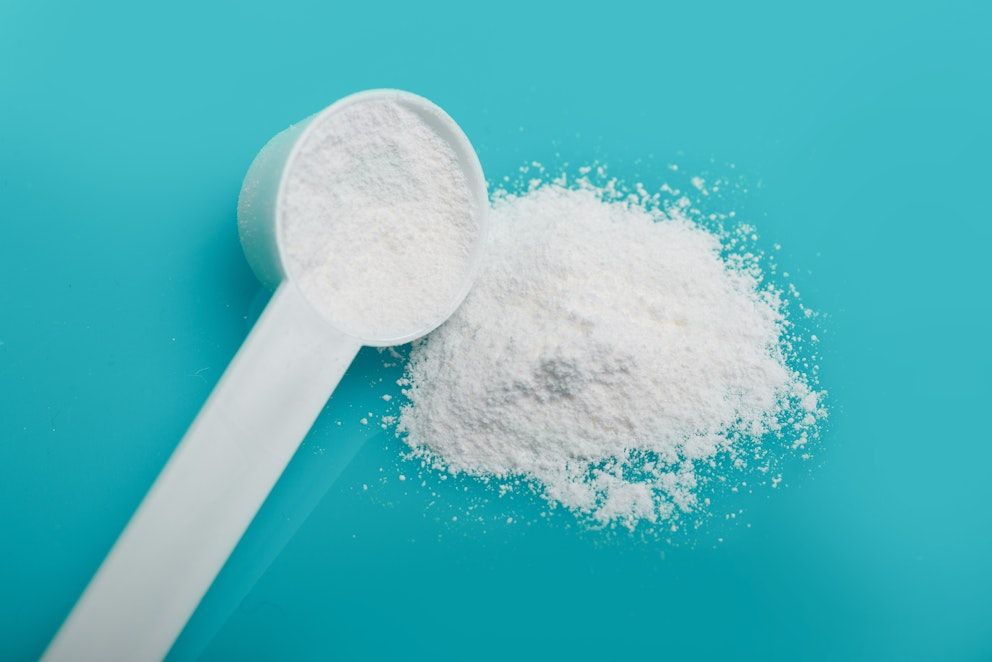
Maltodextrin is a synthetic and highly processed carbohydrate with a slightly sweet taste.
Because of its chemical structure, maltodextrin isn’t classified as a sugar, despite it being high on the glycemic index, which measures how fast a carbohydrate is absorbed and how rapidly it spikes your blood sugar levels.
The higher the glycemic index, the more impact a carb has on your blood sugar and insulin levels, which increases the risk of insulin resistance, obesity, and metabolic syndrome.
Maltodextrin isn’t as sweet as sugar but has a considerably higher glycemic index than most other carbohydrates and scores 110 on the glycemic index. In comparison, regular table sugar and brown sugar have a glycemic index of 65.
Watch the video below to find out why maltodextrin isn’t keto-friendly.
How is maltodextrin made?
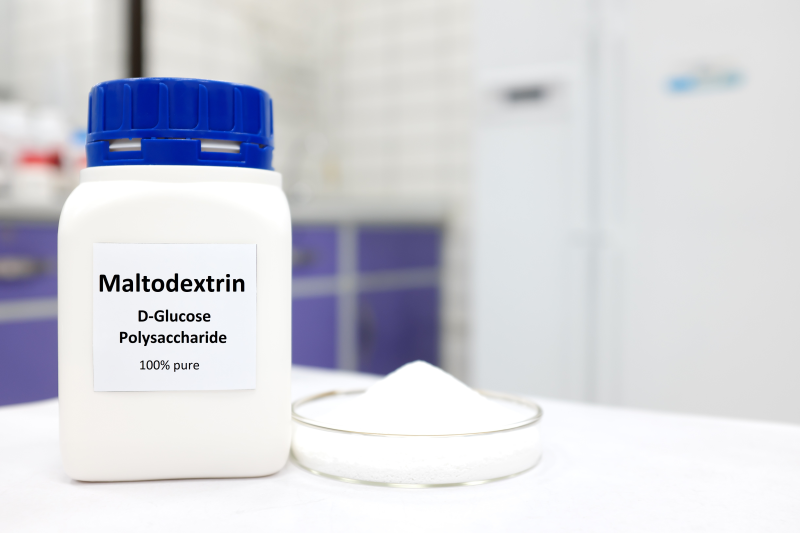
Maltodextrin is produced by hydrolyzing starch derived from corn, potato, wheat, or rice, which results in an odorless white powder with a slightly sweet taste.
A process called partial hydrolysis breaks chemical bonds and shortens long chains of glucose by using heat, enzymes, or, more commonly, sulphuric acid.
Sulphuric acid is a harsh chemical that is also used to produce corn syrup and can cause gastrointestinal issues and immune reactions in sensitive individuals.
Is maltodextrin keto?
Maltodextrin isn’t keto-friendly. It’s a synthetic carbohydrate with a high glycemic index, which indicates that it raises blood sugar quickly and triggers rapid insulin spikes.
Even small amounts of maltodextrin can kick you out of ketosis and push your metabolism from fat-burning to using sugar and carbs as energy sources.
Maltodextrin nutrition facts
Maltodextrin is a highly processed carb with little nutritional value.
One teaspoon (4 grams) of maltodextrin contains:
- 15 calories
- 0 g total fat
- 0 g protein
- 4 g total carbs
- 0 g fiber
- 0 g net carbs
Common maltodextrin foods to avoid
Although maltodextrin has a greater impact on your blood glucose levels than regular sugar, it’s classified as a carbohydrate and not listed as added sugar on nutrition labels.
This makes it challenging for consumers to identify foods containing maltodextrin, leaving them at risk of high blood sugar levels and associated health implications.
Despite maltodextrin’s high glycemic index, it’s typically found in low-sugar and fat-free foods.
Here are common maltodextrin-containing foods:
- Protein powders
- Baked goods
- Meat substitutes
- Salad dressings
- Soft drinks
- Candy
- Dietary supplements
- Sports performance gels
- Electrolyte powders
- Artificial sweeteners
- Baby formula
It’s important to note that some powdered stevia products contain maltodextrin as a bulking agent to improve texture and consistency, and it’s essential to read labels to avoid maltodextrin if you are using stevia as a keto-friendly sugar alternative.

Five side effects of maltodextrin
While the Food and Drug Administration (FDA) has declared maltodextrin as a safe food additive, research published in Cellular and Molecular Gastroenterology and Hepatology suggests potential side effects linked to the intake of synthetic carbohydrates.1
The authors conclude that “Consumption of the food additive maltodextrin may be a risk factor for the inflammatory bowel disease–prone population, as well as a factor promoting chronic low-grade intestinal inflammation leading to metabolic abnormalities in the general population.”
Here are five side effects of maltodextrin.
1. Insulin resistance
Maltodextrin is quickly broken down and absorbed into the bloodstream, raising blood sugar levels. This triggers the release of large amounts of insulin to balance blood glucose to avoid the harmful effects of elevated blood sugar.
Dr. Berg explains, “While insulin is needed to regulate blood sugar balance, chronically elevated insulin levels contribute to insulin resistance, a metabolic condition characterized by cellular resistance to insulin signaling.”
Insulin resistance is a serious metabolic imbalance that increases the risk of metabolic syndrome, diabetes, and obesity.
2. Weight gain
Consuming maltodextrin causes the release of insulin needed to maintain normal blood glucose levels.
Insulin is a powerful energy-regulating hormone that shifts your metabolism into fat-storage mode, which can contribute to weight gain, obesity, fatty liver, and insulin resistance.
If you experience persistent weight gain, it’s important to consult with a healthcare provider to determine underlying metabolic causes and formulate an appropriate treatment plan.
3. Gut health
Evidence published in Gut Microbes shows that maltodextrin impacts the gut’s microflora and can cause the overgrowth of harmful bacteria and yeasts in the large intestines.2
Pathogenic gut bacteria can cause digestive issues, food sensitivities, intestinal inflammation, and altered immune responses, which may explain why maltodextrin consumption is linked to an increased risk of inflammatory bowel disease and Crohn’s disease.
4. Genetically modified starch
Maltodextrin is a synthetic starch typically produced from genetically modified (GMO) corn, wheat, or potatoes.
While GMO products are widely available, researchers don’t understand the long-term effects of GMO products on your health yet, and consuming maltodextrin derived from GMO crops may cause adverse health implications, including gastrointestinal issues, poor liver health, and fertility problems.
5. Allergic reactions
Maltodextrin is typically derived from corn but can also be made from wheat, triggering allergic reactions in individuals with wheat or gluten intolerance.
In addition, the Journal of Nutritional Science and Vitaminology published a study that found that maltodextrin can cause gastrointestinal symptoms, such as bloating, gas, and diarrhea, and has been linked to gastrointestinal inflammation and skin issues.3
Watch the video below to learn more about why you should always avoid maltodextrin.
Keto-friendly sweeteners to use instead
Maltodextrin isn’t keto-friendly and may harm your health. Luckily, you can choose from several natural keto sweeteners to satisfy occasional sugar cravings.
Here are four keto-friendly sweeteners.
1. Stevia
Stevia is a natural sweetener derived from the leaves of the Stevia rebaudiana plant. Stevia is 200 times sweeter than regular sugar but contains zero carbs and no calories.
Stevia is an excellent sweetener that works great in many keto dessert recipes. However, it’s essential to avoid powered stevia products that contain maltodextrin.
2. Monk fruit
Monk fruit sweetener is a carb-free, no-calorie sugar substitute ideal for keto.
Monk fruit extract is significantly sweeter than regular sugar but doesn’t affect blood sugar and insulin levels, making it a perfect keto-friendly sweetener that helps balance blood sugar levels and supports weight loss.
3. Erythritol
Erythritol is a sugar alcohol with a chemical composition similar to pure sugar. Erythritol isn’t digested and won’t raise blood sugar or insulin levels, and is an excellent keto-friendly option.
Compared to other sugar alcohols, erythritol leaves no bitter aftertaste and has a flavor profile similar to sugar, making it a popular choice amongst keto dieters.
4. Xylitol
Xylitol is a natural, low-carb sugar alcohol derived from birch tree bark. Although xylitol is keto-friendly, it does contain some carbs and should be added to your daily net carb count.
Key takeaways
- Maltodextrin isn’t keto-friendly as it spikes blood sugar and insulin levels and can quickly push you out of ketosis.
- This highly processed carbohydrate is often used in processed foods and those labelled low-sugar or diet-friendly.
- Regular maltodextrin has been linked to insulin resistance, weight gain, and gut microbiome disruptions.
- Keto-friendly maltodextrin alternatives include stevia, monk fruit, erythritol, and xylitol, which offer sweetness without affecting blood sugar balance or ketosis.
- Always check labels, especially for stevia powders, to avoid maltodextrin additives.
FAQ
- 1. What is maltodextrin?
- 2. Is maltodextrin keto-friendly?
- 3. Is maltodextrin counted as carbs?
- 4. Does maltodextrin spike blood sugar?
- 5. Does maltodextrin spike insulin?
- 6. Is maltodextrin the same as erythritol?
- 7. Is maltodextrin sugar-free?
- 8. Does stevia with maltodextrin raise blood sugar?
- 9. How many net carbs are in maltodextrin?
- 10. Is maltodextrin included in my keto carb count?
- 11. Does maltodextrin kick you out of ketosis?
Sources
- https://pubmed.ncbi.nlm.nih.gov/30827413/ ↩︎
- https://www.ncbi.nlm.nih.gov/pmc/articles/PMC4615306/ ↩︎
- https://www.jstage.jst.go.jp/article/jnsv/59/4/59_352/_article/-char/en ↩︎
Related Articles
-
How Does Sugar Affect Digestion?
 Digestive health
How Does Sugar Affect Digestion?
At a glance Sugar is a carbohydrate that the digestive system breaks down into simple molecules for absorption and energy use. While this is a normal part of metabolism, sugar…09/24/2026 -
How to Read Food Labels
 Food and Drink
How to Read Food Labels
At a glance Food labels can provide useful nutrition information, but they don’t always reflect a food product's actual quality. Serving sizes, nutrient claims, health claims, and ingredient names can…08/21/2026 -
What Are the Best and Worst Carbs?
 Nutrition
What Are the Best and Worst Carbs?
At a glance Carbohydrates can be a source of energy for the body, but their nutritional value can vary widely depending on the source. Some carbohydrate foods supply fiber, vitamins,…07/30/2026 -
Blood Sugar Spikes: What Causes Them and Tips for Balance
 Blood sugar and insulin
Blood Sugar Spikes: What Causes Them and Tips for Balance
At a glance Blood sugar spikes are rapid increases in blood glucose that often happen after eating foods high in sugar or refined carbohydrates. While a temporary rise in blood…07/23/2026 -
“Sugar-Free” Label Claims: What They Actually Mean
 Food and Drink
“Sugar-Free” Label Claims: What They Actually Mean
At a glance Sugar-free labels are commonly used on packaged foods and beverages to indicate minimal sugar content per serving. However, this claim is based on specific labeling criteria and…07/16/2026 -
Liquid Calories: Why They Add Up Faster Than You Think
 Diet
DietLiquid Calories: Why They Add Up Faster Than You Think
At a glance Liquid calories come from liquids rather than solid foods. Because they’re often consumed quickly and don’t always trigger fullness like solid food, they’re easy to overconsume, promoting…06/12/2026 -
Names for Added Sugar to Watch for on Labels
 Foods to avoid
Names for Added Sugar to Watch for on Labels
At a glance Added sugars are often listed under many different names, which can make them difficult to recognize on ingredient lists. A single product may contain multiple types of…06/11/2026 -
Artificial Sweeteners: Types, Pros, and Cons
 Nutrition
Artificial Sweeteners: Types, Pros, and Cons
At a glance Artificial sweeteners are widely used in sugar-free and low-calorie products as substitutes for added sugar. These compounds provide sweetness with little to no calories or carbohydrates and…06/05/2026 -
Keto-Friendly Sauces and Condiments
 Nutrition
Keto-Friendly Sauces and Condiments
At a glance Keto-friendly sauces and condiments can help support ketosis by keeping overall carbohydrate intake within the limit of 20 to 50 grams per day. Choosing options made with…06/01/2026 -
Sugar Withdrawal: What to Expect and How to Cope
 Nutrition
Sugar Withdrawal: What to Expect and How to Cope
At a glance Sugar withdrawal can trigger intense cravings, fatigue, headaches, and mood changes as the body and brain adjust to reduced sugar intake. With the right strategies, such as…04/24/2026


