


At a glance
Plain green tea contains no calories and is generally considered a fasting-friendly beverage. It also provides beneficial plant compounds that may complement fasting’s benefits by supporting metabolic health and mental clarity. However, some individuals may be sensitive to the caffeine and tannins naturally found in green tea, especially on an empty stomach.
Does green tea break a fast? No green tea is suitable for most fasting protocols as long as it doesn’t contain added ingredients that provide calories or significantly affect blood sugar.
Let’s look at how green tea can support fasting, weight loss, and mental clarity—and why it may not be the best option for everyone.
What is green tea?
Green tea is brewed from the dried leaves of the Camellia sinensis plant—the same plant used to produce black tea.
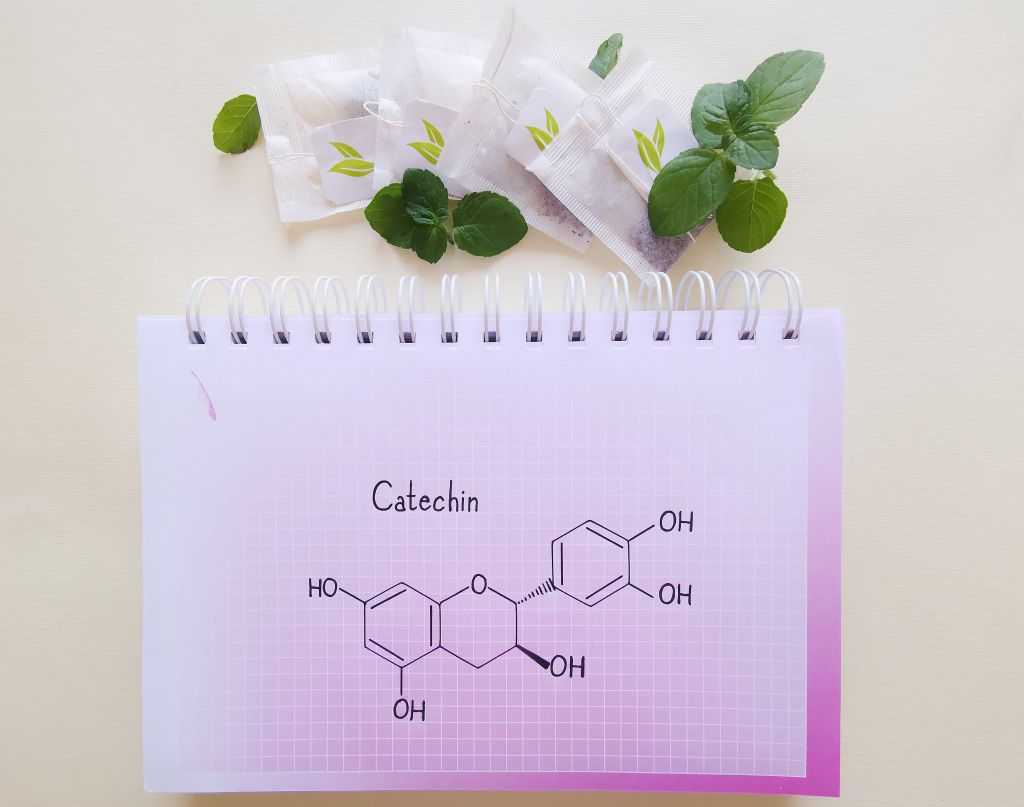
Because green tea undergoes minimal oxidation during processing, it retains high concentrations of beneficial plant compounds, such as polyphenols, catechins, and flavonoids. These compounds have been studied for their anti-inflammatory, antimicrobial, antioxidant, digestive, and metabolic health benefits.
This helps explain green tea’s long-standing use as a health-supportive beverage, particularly amongst East Asian cultures.
Watch the video below to discover the best beverages to have while fasting.
Does green tea break a fast?
Breaking a fast typically means shifting the body from a fasting state to a fed state by consuming foods that trigger digestion.
Even small amounts of calories can shift the body away from a fasting state, especially calories that affect blood sugar balance and stimulate insulin, the primary hormone that regulates glucose levels.
A plain cup of green tea brewed in hot water contains virtually no calories and is unlikely to trigger an insulin response, making it generally safe and compatible during the fasting window.
“Plain green tea usually fits well into fasting. The bigger issue is what you add to it,” explains Dr. Berg. “Sweeteners, honey, milk, and various other ingredients can turn a fast-friendly drink into something that acts more like a small meal, potentially breaking a fast and stalling progress.”
How green tea may affect fasting
Choosing the right beverages is essential to maximizing fasting benefits.
Here are four ways drinking green tea may influence your fasting routine.
1. Supports metabolic benefits
Green tea is a rich source of catechins, especially epigallocatechin gallate (EGCG), which has been shown to affect aspects of energy metabolism, including fat oxidation and increased energy expenditure.
According to research published in The American Journal of Clinical Nutrition, green tea consumption may also be linked to healthy markers of insulin sensitivity and improved glucose metabolism.
This makes unsweetened green tea an excellent addition to a fasting routine for those looking to support weight management by promoting fat burning and metabolic health during longer fasting periods.
2. Promotes relaxation
Green tea may make fasting feel more enjoyable, due to its exceptionally high concentrations of the amino acid L-theanine.
This amino acid is known to promote gamma-aminobutyric acid (GABA) activity, an inhibitory neurotransmitter that helps calm overactive nerve signaling, supporting relaxation and mental clarity.
3. May impact digestive comfort
Drinking green tea with or after your last meal can help keep your metabolism steady and support feelings of fullness as you begin your fast.
A study published in Nutrition Journal found that individuals who drank brewed green tea with a meal had less desire to continue eating afterward, which can be a strategic way to break your fast and help maintain appetite control.
However, green tea contains tannins, which may cause digestive discomfort for some people, particularly when consumed on an empty stomach or in those with more sensitive digestive systems.
That said, green tea tends to be lower in tannins than black tea or oolong tea, and shorter steeping times may help reduce this effect.
4. Can modulate energy and focus
Caffeine, a popular stimulant found in green tea, can offer potential benefits for fasting, including helping alleviate fatigue, enhance focus, and increase fat oxidation. Compared to coffee, green tea’s caffeine levels are relatively low, providing roughly 28 to 50 mg per cup.
While green tea is often lower in caffeine than many other teas or coffee, consuming large quantities may still stimulate the release of the stress hormones cortisol and adrenaline, which may contribute to blood sugar fluctuations that could impact your fasting results.
If caffeinated beverages such as green tea feel too stimulating on an empty stomach, most herbal teas are naturally caffeine-free, while still providing beneficial plant compounds.
Hibiscus tea, for instance, provides beneficial antioxidants, which have been linked to healthy blood pressure responses and may help support the body’s natural defenses against oxidative stress and inflammatory imbalance.
Key takeaways
- Plain green tea is generally fasting-friendly when consumed without added calories and may provide additional health advantages.
- Drinking unsweetened green tea can be a nourishing alternative to black coffee, potentially complementing fasting goals and overall metabolic health.
- Catechins in green tea may support metabolic health and healthy glucose levels.
- Green tea provides L-theanine and modest amounts of caffeine, which may support mental clarity and calm focus during the fasting window.
- While green tea may help promote satiety after meals, some people may experience digestive discomfort when consuming it on an empty stomach.
FAQ
- 1. Can you drink green tea while fasting?
- 2. Does green tea contain calories?
- 3. Does caffeine break a fast?
- 4. Does adding a sweetener to green tea break a fast?
Sources
- https://ajcn.nutrition.org/article/S0002-9165(23)05180-8/fulltext
- https://link.springer.com/article/10.1186/1475-2891-9-63
Related Articles
-
What to Eat After a 72-Hour Fast and What to Avoid
 Diet
DietWhat to Eat After a 72-Hour Fast and What to Avoid
At a glance A 72-hour fast shifts the body toward greater reliance on stored fat and changes how nutrients are handled when eating is resumed. Reintroducing food afterward can affect…09/18/2026 -
Fasting Hunger Waves: How to Ride Them Out
 Diet
DietFasting Hunger Waves: How to Ride Them Out
At a glance Intermittent fasting may support weight loss, fat burning, and metabolic health by lowering insulin levels and shifting the body toward using fat stores for fuel. Fasting hunger…09/10/2026 -
7 Common Intermittent Fasting Myths Debunked
 Diet
Diet7 Common Intermittent Fasting Myths Debunked
At a glance Intermittent fasting is an increasingly popular dietary pattern that is often misunderstood. Many common concerns surrounding intermittent fasting, including muscle loss, hormonal disruption, and metabolic slowdown, are…09/03/2026 -
What Is Time-Restricted Eating?
 Diet
DietWhat Is Time-Restricted Eating?
At a glance Time-restricted eating is a form of intermittent fasting that limits meals to a consistent daily eating window. This approach focuses on when food is consumed rather than…08/13/2026 -
Does Intermittent Fasting Affect Your Metabolism?
 Diet
DietDoes Intermittent Fasting Affect Your Metabolism?
At a glance Intermittent fasting impacts metabolism by shifting the body towards ketosis, improving insulin sensitivity, and enhancing metabolic flexibility. While fasting can support weight management and metabolic efficiency, results…07/23/2026 -
What Is the Best Meal Timing for Stable Energy?
 Diet
DietWhat Is the Best Meal Timing for Stable Energy?
At a glance Meal timing can influence daily alertness, hunger cues, and blood sugar patterns. The body processes food according to internal rhythms that affect insulin, digestion, and metabolic activity.…07/17/2026 -
Fasting and Cancer: What to Know
 Fasting
Fasting and Cancer: What to Know
At a glance Fasting has been increasingly studied for its potential role in cancer prevention and support during treatment. By influencing cellular metabolism, promoting autophagy, and modulating immune function, fasting…07/16/2026 -
36-Hour Fasting: Benefits, Safety, and How It Works
 Diet
Diet36-Hour Fasting: Benefits, Safety, and How It Works
At a glance A 36-hour fast is a prolonged fasting strategy that shifts the body into ketosis, promoting fat burning, improved insulin sensitivity, and cellular repair through autophagy. These metabolic…06/25/2026 -
Does Fasting Help with Inflammation?
 Diet
DietDoes Fasting Help with Inflammation?
At a glance Fasting is a powerful tool for reducing inflammation and supporting overall health. By promoting fat burning and activating cellular repair processes, fasting can help lower pro-inflammatory markers.…06/05/2026 -
Does Chewing Gum Break a Fast?
 Fasting
Does Chewing Gum Break a Fast?
At a glance Whether or not gum breaks a fast depends on its ingredients. Sugary gum raises insulin and can break a fast outright. Some sugar-free gum is acceptable, but…05/29/2026


