

At a glance
Many zero‑sugar drinks contain artificial sweeteners and additives that may impact blood sugar balance, cravings, and long‑term metabolic health. Choosing simpler options with natural sweeteners and minimal ingredients is a better way to enjoy a refreshing drink that supports your goals.
The growing focus on health and metabolic wellness over the past decade has led to a wave of diet and zero‑sugar versions of many of the world’s most popular drinks.
While many of these options are lower in sugar and calories, they often share many of the same concerning ingredients as their regular counterparts—making some choices less healthy than they appear.
Learn about zero-sugar drinks, their common ingredients, and how to pick the healthiest options to support your nutrition goals.
What are zero-sugar drinks?
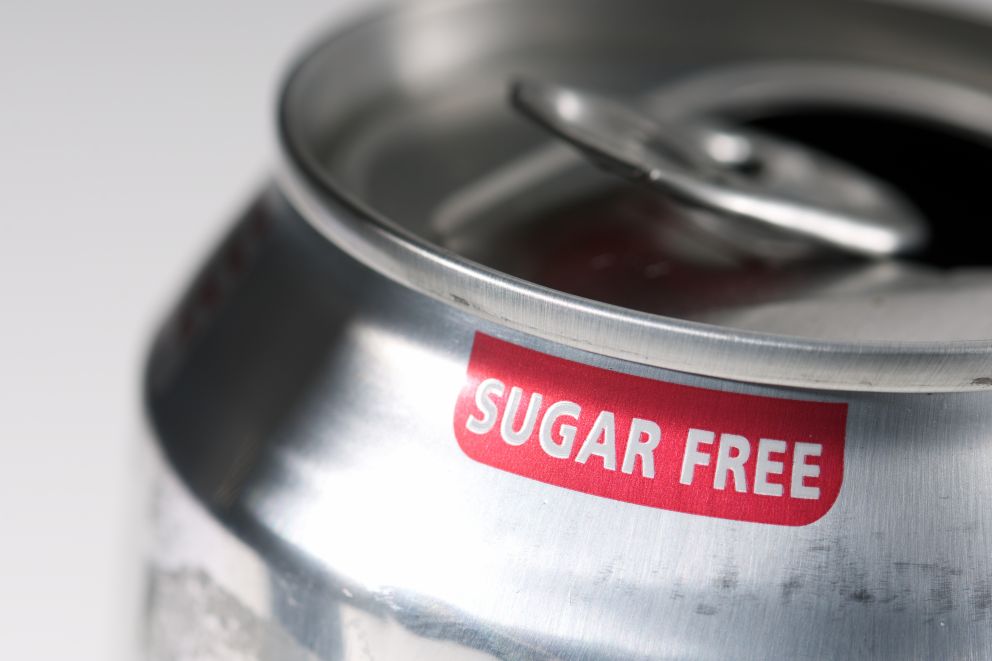
Zero‑sugar drinks are sweet‑tasting beverages formulated with minimal added sugar. These beverages typically derive their sweetness from sugar alternatives and flavor enhancers rather than regular table sugar, high‑fructose corn syrup (HFCS), honey, or fruit juice concentrates.
Beverages labeled sugar‑free or zero-sugar often mimic popular full‑sugar drinks such as soft drinks, coffee beverages, energy drinks, sweet tea, protein shakes, and cocktail mixers.
These products often contain very few calories and are popular choices for those focused on weight management or blood sugar control. This may help explain why zero‑sugar beverages and diet drinks are often grouped together—though they’re not always the same thing.
According to the Food and Drug Administration (FDA) labeling regulations, to qualify as sugar‑free, a beverage must contain less than 0.5 grams of total sugars per labeled serving and meet additional conditions regarding sugar‑containing ingredients and calorie disclosures.
In contrast, a product marketed as “diet” follows a different set of regulations, tied more broadly to how the label describes calorie reduction, ingredients, or special dietary usefulness in reducing or maintaining body weight, rather than to a precise sugar cutoff.
The exact requirements can vary depending on the type of product and how the claim is presented. It’s also important to note that seemingly similar terms associated with “diet,” such as “light,” “reduced,” and “free,” each have different regulatory criteria.
Watch the video to discover if diet soda can kick you out of ketosis.
Common ingredients found in zero-sugar drinks
Zero‑sugar drinks may contain a variety of sweeteners, flavoring agents, stabilizers, and other additives designed to mimic the sweetness and overall taste experience of sugary beverages.
Here are four key ingredients found in many zero-sugar drinks.
1. Alternative sweeteners
Alternative sweeteners are sugar substitutes used to replace sugar’s sweetness while contributing little to no calories.
These sweeteners tend to fall under three primary categories:
- Artificial sweeteners such as aspartame, sucralose, acesulfame potassium, and saccharin
- Plant‑derived sweeteners, including stevia and monk fruit
- Sugar alcohols like erythritol, xylitol, or sorbitol
Allulose is naturally present only in very small amounts in foods like figs, raisins, and wheat. However, these amounts are so low that it’s not practical to extract them directly, and commercial allulose is manufactured from corn-derived glucose through an enzymatic process.
2. Bulk and texture agents
To replace sugar’s texture, many zero‑sugar drinks include fibers, gums, and starches such as inulin, xanthan gum, guar gum, pectin, locust bean gum, and maltodextrin.
While these additives can help make a drink feel creamier or thicker, they may cause bloating, digestive discomfort, or blood sugar fluctuations.
3. Acids and flavor enhancers
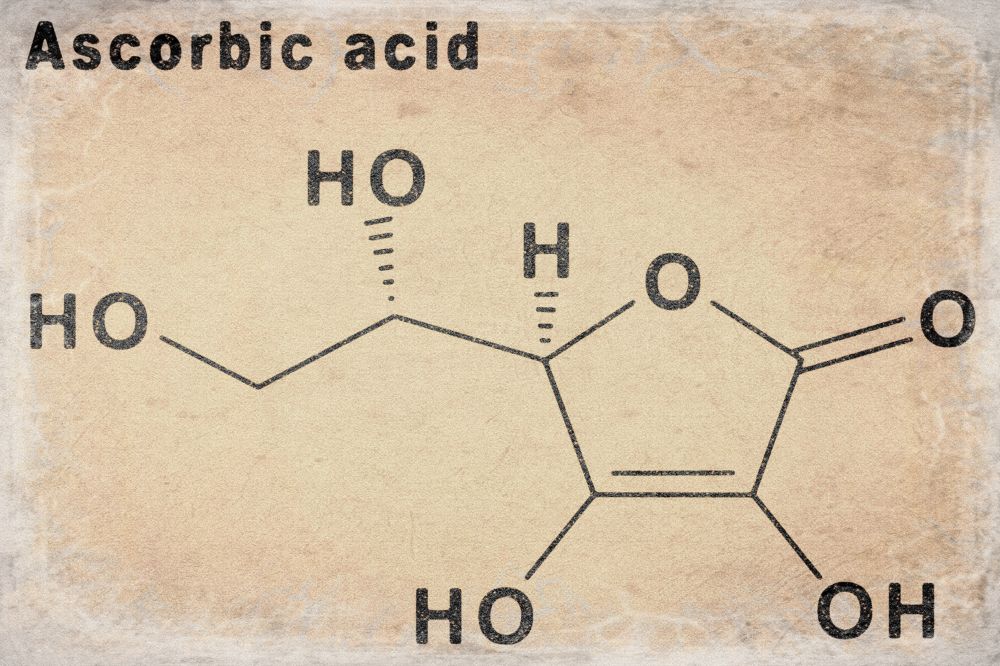
Acids and flavor enhancers sharpen taste and help balance sweetness. Common examples include phosphoric acid, malic acid, lactic acid, and ascorbic acid, which are often combined with salts to form sodium citrate and potassium citrate, adjusting tartness and improving stability.
These ingredients also help manufacturers maintain color consistency and recreate the tartness of refreshing, citrusy-flavored drinks such as lemon, lime, or orange.
4. Preservatives and colorants
Similar to many sugary drinks, manufacturers often use preservatives and colorants to extend shelf life and enhance the appearance of sugar-free beverages.
These may include preservatives such as potassium sorbate, sodium benzoate, and potassium benzoate.
Coloring can come from natural sources such as beet extract, turmeric, and spirulina, or from synthetic dyes such as Red 40, Yellow 5, and Yellow 6, though regulatory changes are underway to reduce these artificial additives in the American food supply.
Are zero-sugar drinks better for you?
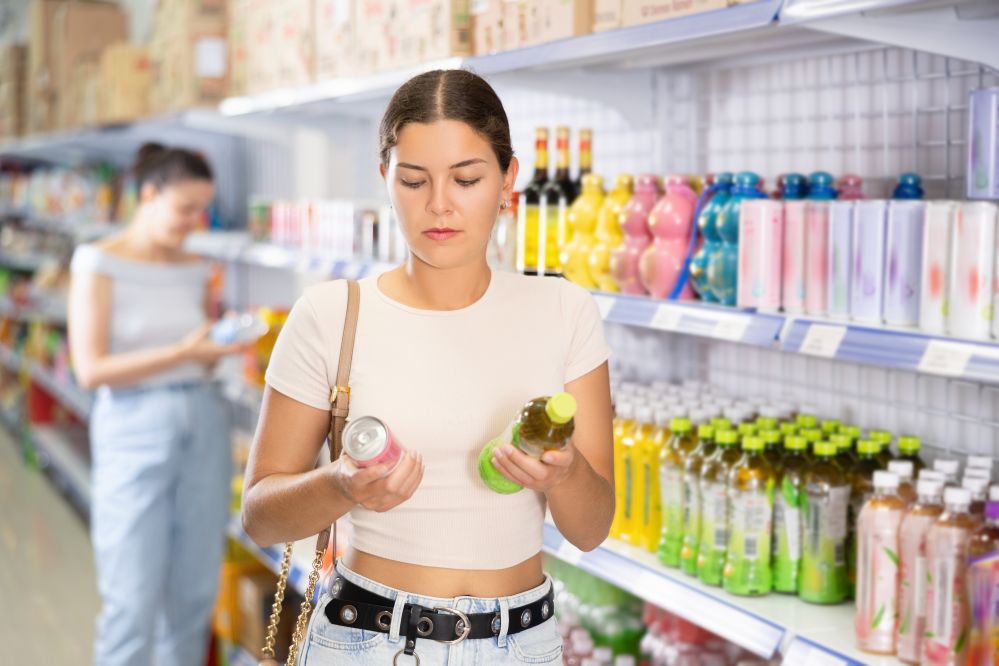
While sugar-free drinks can help limit sugar intake, many of these products are highly processed and contain synthetic sweeteners, artificial additives, and high-glycemic fillers that may be just as concerning as the ingredients found in their full-sugar counterparts.
“A drink can be labeled sugar-free yet still contain high-glycemic additives such as maltodextrin,” explains Dr. Berg. “Some of these ingredients have been shown to spike blood sugar and insulin as much as—or even more than—table sugar.”
Research published in the Annual Review of Medicine also suggests that common synthetic sweeteners, such as aspartame, sucralose, and saccharin, may be associated with unfavorable shifts in gut microbiome composition, increased oxidative stress, and poor cardiometabolic outcomes.
In general, choosing zero-sugar drinks that rely on natural sweeteners such as stevia, monk fruit, or allulose and contain minimal additives is often recommended as a better strategy for supporting overall health.
These options help keep overall sugar intake low and have been linked to more favorable post-meal glucose responses and overall health outcomes when used in place of sugar.
Healthy zero-sugar drink options
Some of the healthiest zero-sugar drinks are sweetened with natural, low-glycemic sweeteners such as monk fruit, stevia, or allulose and have a short, recognizable ingredient list.
Beyond commercial products, several beverages are naturally sugar-free, additive-free, easy to prepare at home, and may offer health benefits beyond basic hydration.
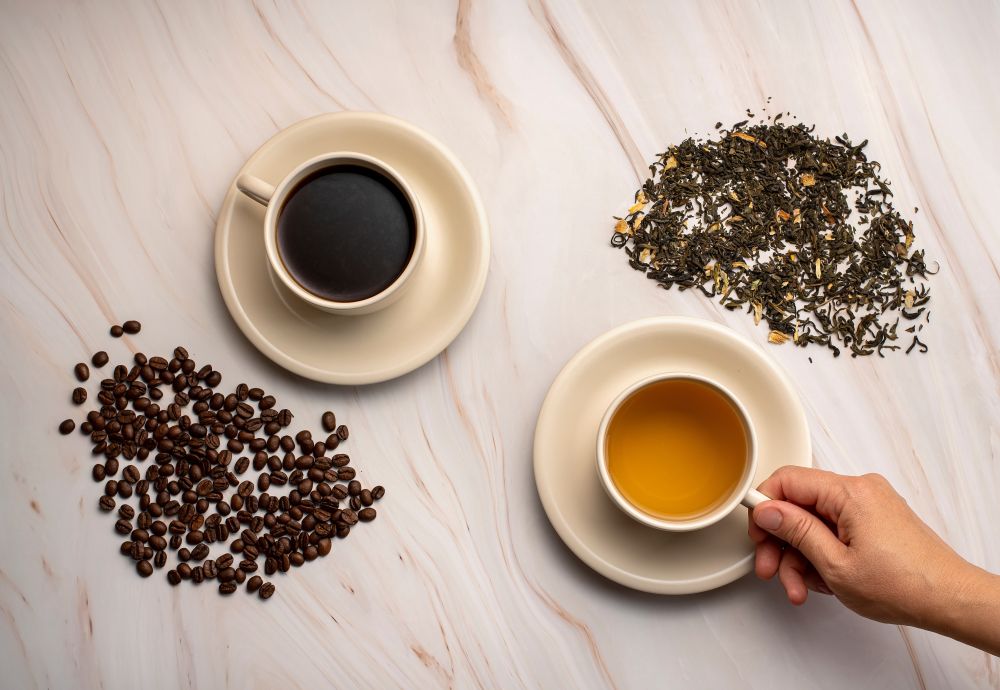
Green tea provides polyphenols and antioxidants that support metabolic health and fat oxidation, while herbal teas such as chamomile, mint, hibiscus, and ginger offer a flavorful, caffeine-free option that can support digestion, relaxation, and cardiometabolic health.
Black coffee is another well-tolerated choice that is naturally sugar-free and has been linked to metabolic benefits when consumed in moderate amounts without added sugars or creamers.
Naturally flavored sparkling water is another good choice, as it delivers the refreshing sensation of carbonation without added sugar. To keep it a healthier option, look for varieties made without artificial sweeteners or unnecessary additives.
For extra flavor, teas and sparkling water can be brightened with a splash of lime or lemon juice, while coffee can be enhanced with spices like nutmeg or cinnamon.
Key takeaways
- Zero-sugar drinks have little or no sugar but often contain other potentially harmful ingredients.
- Many zero-sugar drinks rely on artificial sweeteners, fillers, colors, and other additives that may impact blood sugar and insulin balance, gut health, and overall metabolic functions.
- Common artificial sweeteners, such as aspartame, sucralose, and saccharin, have been linked to increased cardiometabolic risk and potential microbiome disruption.
- Drinks sweetened with stevia, monk fruit, or allulose are often better choices than those made with synthetic sweeteners or maltodextrin.
- Green tea, herbal tea, black coffee, and plain sparkling water are among the healthiest zero-sugar options, as they’re typically free of artificial additives or sweeteners.
FAQ
- 1. What sweeteners are commonly used in zero-sugar drinks?
- 2. Are zero-sugar drinks the same as diet drinks?
- 3. Do zero-sugar drinks contain calories?
- 4. Can zero-sugar drinks affect cravings?
Sources
- Guidance for Industry and FDA: Dear Manufacturer Letter Regarding Sugar Free Claims. U.S. Food and Drug Administration. Accessed 2026. https://www.fda.gov/regulatory-information/search-fda-guidance-documents/guidance-industry-and-fda-dear-manufacturer-letter-regarding-sugar-free-claims
- Effenberger M, Tilg H. Potential Health Risks of Artificial Sweeteners. Annual Review of Medicine. 2026;77(1):117-130. doi:10.1146/annurev-med-043024-012626. https://www.annualreviews.org/content/journals/10.1146/annurev-med-043024-012626
Related Articles
-
Can Better Hydration Improve Your Sleep?
 Sleep
SleepCan Better Hydration Improve Your Sleep?
At a glance Hydration affects sleep through overnight fluid loss, muscle and nerve function, and daytime alertness. Too little fluid may contribute to discomfort, while drinking too much near bedtime…08/13/2026 -
How Much Water Do You Need? A Practical Guide
 Nutrition
How Much Water Do You Need? A Practical Guide
At a glance How much water you need to drink depends on your body size, age, activity level, environment, and overall health. True hydration relies on both water intake and…07/09/2026 -
Hydration Myths You’ve Probably Heard
 Food and Drink
Hydration Myths You’ve Probably Heard
At a glance Hydration needs vary based on factors such as body composition, diet, and activity level rather than fixed intake rules. Common hydration myths can actually disrupt electrolyte balance…06/25/2026 -
Liquid Calories: Why They Add Up Faster Than You Think
 Diet
DietLiquid Calories: Why They Add Up Faster Than You Think
At a glance Liquid calories come from liquids rather than solid foods. Because they’re often consumed quickly and don’t always trigger fullness like solid food, they’re easy to overconsume, promoting…06/12/2026 -
Why You Crave Salt: 7 Causes
 Minerals
Why You Crave Salt: 7 Causes
At a glance Sodium is essential for supporting healthy nerve function, muscle contractions, and fluid balance. When sodium levels are imbalanced due to dietary, lifestyle, or other personal factors, it…06/11/2026 -
Green Tea vs. Black Tea: What’s the Difference?
 Nutrition
Green Tea vs. Black Tea: What’s the Difference?
At a glance Green and black tea both come from the Camellia sinensis plant, but differences in processing and preparation change their flavor, caffeine content, and key plant compounds. Green…05/01/2026 -
Top 6 Benefits of Carbonated Water
 Nutrition
Top 6 Benefits of Carbonated Water
At a glance Plain carbonated water is an excellent alternative to traditional soft drinks, which are often laden with sugar and additives. When enjoyed unsweetened, sparkling water can support hydration…01/29/2026 4.5k views -
9 Incredible Health Benefits of Cucumber
 Food and Drink
9 Incredible Health Benefits of Cucumber
At a glance Cucumbers are low-calorie, nutrient-rich vegetables that support hydration and overall health. Packed with vitamins, minerals, antioxidants, and fiber, they promote digestive health, healthy blood sugar, and glowing…01/15/2026 8.9k views -
How to Clear Phlegm From Lungs – 7 Natural Ways
 Health concerns
How to Clear Phlegm From Lungs – 7 Natural Ways
At a glance Phlegm forms when the airways become irritated or inflamed, leading to thick mucus that’s hard to clear. Understanding what triggers excess phlegm and how to support airway…01/08/2026 11.8k views -
Keto Dry Mouth: Causes and Solutions
 Health concerns
Keto Dry Mouth: Causes and Solutions
At a glance Keto dry mouth often appears during the early stages of a low-carb diet. Shifts in fluid balance, combined with reduced meal frequency, can temporarily decrease saliva production…11/13/2025 14.5k views


