

At a glance
Green and black tea both come from the Camellia sinensis plant, but differences in processing and preparation change their flavor, caffeine content, and key plant compounds. Green tea is minimally oxidized and tends to retain more catechins, while black tea is fully oxidized and develops a bolder taste and a distinct antioxidant profile.
Green tea versus black tea—what’s the difference?
Green tea and black tea are among the most widely consumed beverages worldwide and are popular healthy drink options for those seeking a low‑calorie, plant‑based beverage.
Learn more about the key similarities and differences between green and black tea so you can choose the option that best fits your lifestyle.
What is green tea?
Green tea is one of several “true teas,” a term used for categorizing teas made from the leaves of the Camellia sinensis plant. Such teas include white tea, yellow tea, Oolong tea, black tea, and dark tea or pu-erh.
In all true teas, natural enzymes in the leaves react with oxygen, changing the tea’s color, aroma, and flavor. Generally, more oxidation leads to darker leaves and a stronger, more robust taste.
Tea producers control this transformation using techniques such as withering, rolling, bruising, controlled moisture exposure, and heat.
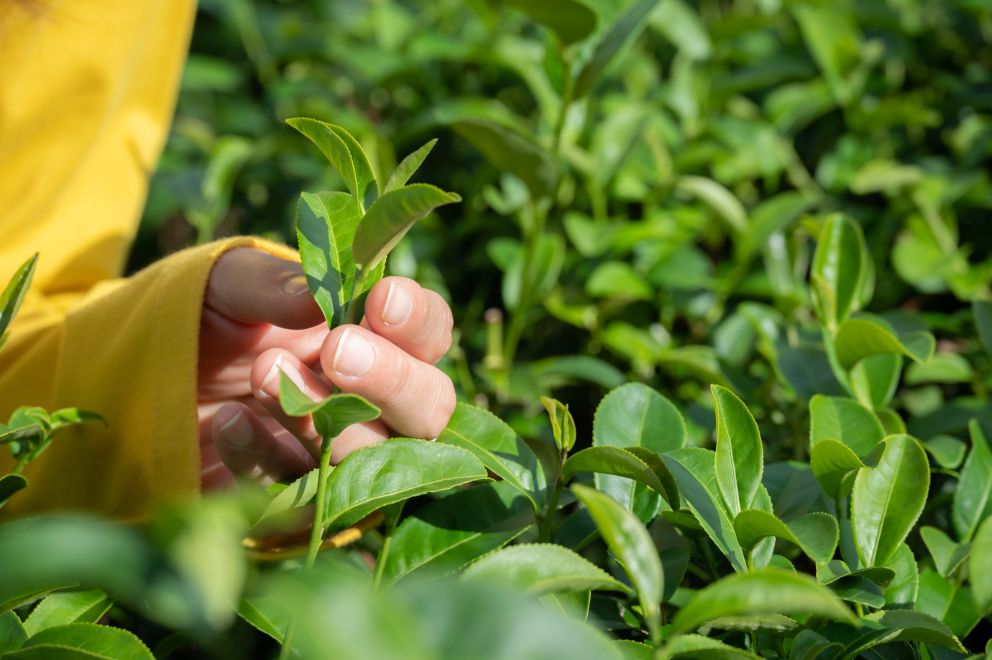
Green tea is among the least oxidized tea types and is typically “fixed” soon after harvest by steaming or pan‑firing the leaves to deactivate enzymes and halt oxidation.
Because the leaves are fixed early, green tea remains closer to its fresh, natural state. This is apparent in green tea’s vibrant green color, delicate aroma, and high levels of catechin antioxidants.
One of the most studied catechins is epigallocatechin gallate (EGCG), which makes up a large portion of green tea’s total catechin content and contributes to many of its biological effects.
Green tea benefits
“Green tea stands out from other true teas due to its minimal processing,” explains Dr. Berg. “It retains compounds like EGCG that have been studied for their potential to support cellular health, brain function, metabolism, and weight management—especially when combined with healthy eating and regular exercise.”
Research published in the International Journal of Molecular Sciences suggests that EGCG may help increase fat oxidation and influence fat accumulation, energy expenditure, and appetite regulation, making it a continuing focus of weight-loss research.
EGCG has also been investigated for its potential to support skin health, cognitive function, and healthy aging, largely due to its antioxidant and signaling effects.
Green tea’s lighter processing also preserves key amino acids, including L-theanine. This amino acid promotes alpha brain-wave activity and modulates neurotransmitters, supporting a calm and focused state that helps balance caffeine’s stimulating effects.
Watch the video below to uncover eight health benefits of green tea.
What is black tea?
Unlike green tea, where oxidation is stopped early, black tea undergoes extensive processing to ensure it’s fully oxidized.
During this oxidation process, enzymes convert catechins into unique compounds called theaflavins and thearubigins. These are primarily responsible for black tea’s signature malty aroma, bold flavor, and deep reddish-brown color.
Black tea benefits
Black tea’s theaflavins and thearubigins are potent antioxidants with several potential health benefits.
Research published in Food Research International indicates that theaflavins may help modulate inflammation, support metabolic function, and promote gastrointestinal health by interacting with the gut microbiota.
Another study published in Food Research International found that thearubigins may facilitate better aerobic adaptation, particularly in combination with exercise, by enhancing mitochondrial function and activating key energy-regulating pathways. This suggests potential benefits for supporting exercise endurance, though more research is needed.
Shared benefits of green tea and black tea
Because green and black tea come from the same plant, they share several core properties despite their different compositions of active compounds.
Both green tea and black tea appear to support cardiovascular health in part by helping maintain healthy endothelial function and nitric oxide activity, which supports normal blood flow and vascular tone.
Both provide a natural combination of caffeine and L-theanine, which is linked to improved focus and alertness. This may help explain why many tea drinkers report feeling steadier and less overstimulated by tea than coffee.
In addition, green and black tea contain antioxidants that help support the body’s defenses against oxidative stress and contribute to overall cellular health.
When enjoyed plain and unsweetened, both are naturally calorie-free and may act as mild appetite suppressants, making them well-suited for those practicing intermittent fasting.
Green tea vs. black tea, which is right for you?
Choosing the best tea depends on your taste preferences, caffeine tolerance, and wellness goals.
Here are four main factors to consider when deciding between green tea and black tea.
1. Flavor and processing
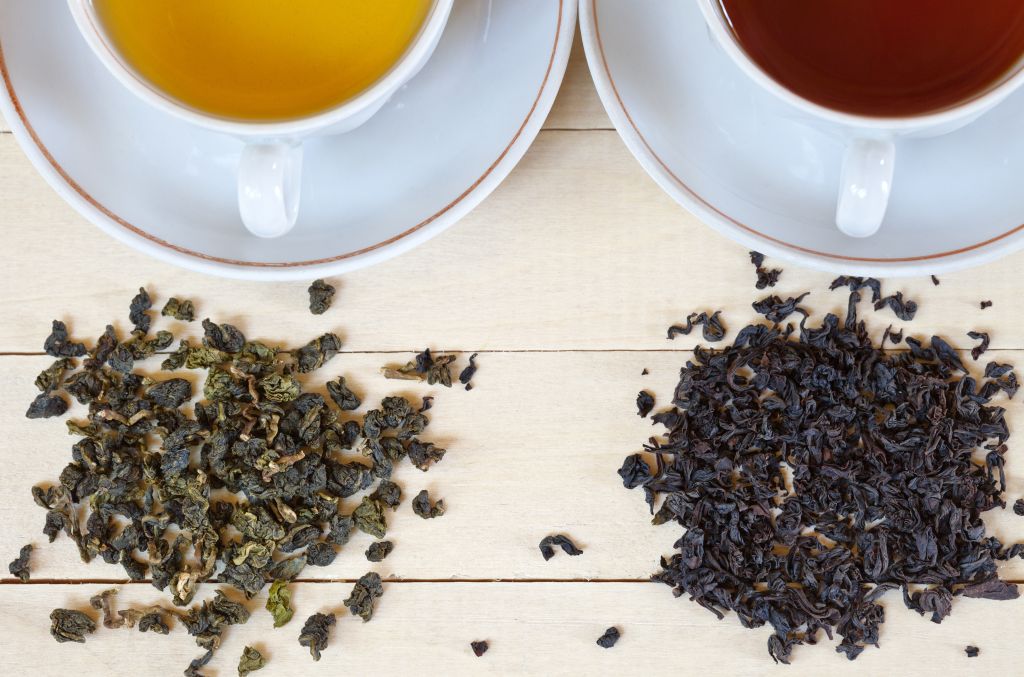
Green tea is minimally oxidized and typically brewed at lower temperatures, which helps preserve its lighter, smoother profile. When brewed properly, it offers a fresh, slightly sweet flavor with subtle herbal or grassy notes.
Black tea, by contrast, is fully oxidized and usually steeped longer and at higher temperatures. This leads to a richer, more robust taste and deeper color that pairs well with milk or sweeteners, making it a popular coffee alternative.
2. Caffeine and L-theanine
Green tea delivers less caffeine per cup, resulting in a higher L-theanine-to-caffeine ratio. Many people experience this ratio as a calmer, more balanced energy boost that’s often preferred by those with caffeine sensitivities.
However, research shows that caffeine and L‑theanine levels are shaped primarily by cultivation, leaf form, and preparation.
A study published in Foods found that longer steeping times significantly increased both caffeine and L-theanine in tea infusions, while higher water temperatures were associated with greater caffeine extraction, regardless of whether the tea was green or black.
For optimal flavor and a gentler caffeine lift, green tea is typically steeped at lower temperatures for 1 to 3 minutes. Conversely, black tea is usually brewed with near‑boiling water and steeped for about 3 to 5 minutes, which helps explain why black tea often has more extracted caffeine than green tea.
3. Metabolism and weight management
Due to its minimal oxidation and lower brewing temperatures, green tea contains higher levels of catechins, such as EGCG. While results vary across studies, these compounds are often discussed for their support in weight management, making green tea a potentially more attractive option for those focused on metabolic health.
4. Gut health and digestion
For those prioritizing gut health, black tea’s theaflavins and thearubigins can act as prebiotics for gut microbes and may help support the growth and activity of beneficial bacteria and promote digestive wellness.
Key takeaways
- Both black and green tea come from the Camellia sinensis tea plant and offer similar health benefits, including cardiovascular, neurological, and antioxidant support.
- Green tea is minimally oxidized, typically brewed at a lower temperature for a shorter time, and tends to be lower in caffeine while richer in catechins such as EGCG.
- Black tea is fully oxidized, usually higher in extracted caffeine, and abundant in theaflavins and thearubigins, which may be especially relevant for gut health.
- When consumed plain and unsweetened, green or black tea can be compatible with intermittent fasting and may support appetite control.
FAQ
- 1. Which is healthier, green tea or black tea?
- 2. What is the most unhealthy tea to drink?
- 3. What is the main difference between green tea and black tea?
- 4. Does green tea contain less caffeine than black tea?
- 5. Can you have tea while fasting?


