


At a glance
Abdominal gas and bloating can signal underlying digestive issues, such as low stomach acid, poor bile flow, or microbial overgrowth. While occasional bloating is normal, persistent symptoms may indicate poor gut health. Supporting digestive wellness through diet and lifestyle habits can help relieve discomfort and promote better gut function.
Persistent or excessive abdominal gas and bloating can signal poor digestive health, which is often linked to inadequate bile flow, microbial imbalances, or a lack of adequate stomach acid.
Discover common causes of gut discomfort and learn how to support a healthy digestive system and reduce gas and bloating with simple but effective home remedies.
What causes abdominal gas and bloating?
Most people pass gas and experience occasional abdominal bloating, which is a normal process that occurs as intestinal muscles move food and air through the digestive tract.
However, excess air or gas trapped in the small intestine can lead to significant discomfort, abdominal pressure, and visible bloating.
Passing gas, also called flatulence, often results from swallowing too much air while eating, chewing gum, or sucking on hard candy. Poorly fitting dentures can also increase swallowed air and associated gut problems.
Drinking carbonated beverages introduces carbon dioxide into the digestive tract, which can trap excess air and contribute to gas pain.
However, in some cases, excess gas in the digestive tract can be linked to small intestinal bacterial overgrowth (SIBO) or an imbalance of bacteria in the colon, especially if gas is accompanied by an unpleasant odor.
Eating habits also play a significant role in triggering uncomfortable symptoms, as high-carb or high-fiber foods tend to result in more gas as they’re broken down by bacteria in the intestines.
While harmless bacteria help break down indigestible carbohydrates, a process which naturally generates certain gases, the overgrowth of potentially pathogenic microbes can disrupt this balance and lead to excessive fermentation, bloating, and discomfort.
“Sluggish digestion, often caused by low stomach acid or poor bile flow, can leave food only partially digested,” explains Dr. Berg. “This provides excess fuel for bacterial fermentation, leading to increased gas production and bloating.”
Watch the video below to learn how to alleviate abdominal gas and bloating.
Natural ways to relieve gas and bloating
Excess gas and bloating can be uncomfortable, but simple lifestyle and dietary strategies can often provide significant improvements and help alleviate discomfort.
Here are four steps you can take to relieve too much gas and abdominal bloating.
1. Reduce carbohydrates and fiber-rich foods
Because starches, such as sugars, carbohydrates, and dietary fiber, serve as fuel for gut microbes, a high-carb diet can promote excessive fermentation, leading to bloating, gas, and other uncomfortable gut symptoms, including reflux or belching.
This explains why following a low-carb diet, such as Healthy Keto®, not only supports weight loss but also helps reduce gas production, ease bloating, and improve overall digestive comfort.
Research published in Nutrients confirms this, stating that a low-carb ketogenic diet modulates microbial gut diversity, which has been associated with various metabolic, hormonal, and digestive benefits.
2. Support optimal stomach acidity
Adequate concentrations of stomach acid are essential for breaking down food efficiently. Low gastric acidity can allow partially undigested carbohydrates and protein to reach the large intestines, where they’re metabolized by gas-producing bacteria.
Supporting optimal stomach acidity can help alleviate common symptoms related to excess gas, including bloating, belching, and discomfort.
Simple strategies to enhance gastric acidity include slowing down while eating, chewing food thoroughly, and taking a diluted apple cider vinegar drink before or with meals to aid digestion.
Additionally, intermittent fasting can help maintain optimal stomach acid levels as fasting allows the stomach to concentrate digestive acids, which supports overall digestion and helps reduce gas and bloating.
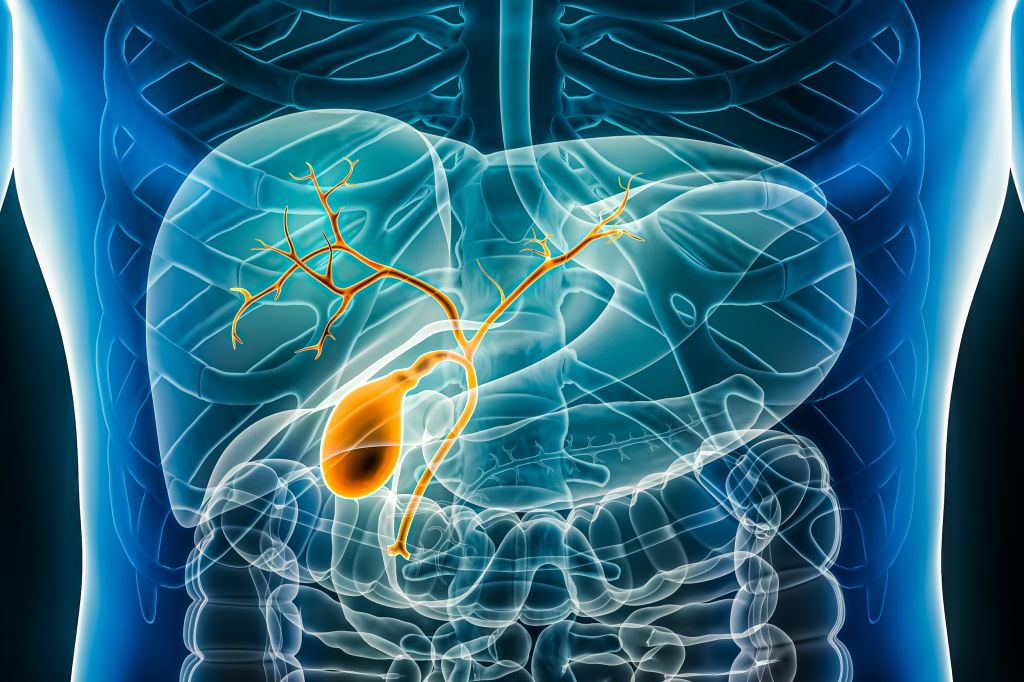
3. Promote bile flow
Maintaining healthy bile flow is vital for effective fat digestion and helps move food through the digestive tract.
Supporting optimal gallbladder function and bile production through a nutritious high-fat diet and adequate hydration can reduce excessive gas accumulation and improve overall digestive health.
Some of the best foods to support bile flow include:
- Healthy fats such as extra virgin olive oil and coconut oil
- Bitter greens, including dandelion greens, arugula, endive, and chicory
- Beets and beet greens
- Choline-rich foods, including egg yolks and beef liver
- Lemons and limes
4. Keep a food diary
Unidentified sensitivities to certain foods can contribute to impaired digestive health and microbial imbalances, both linked to an increased risk of gut issues, gas, and bloating.
Tracking the foods you eat and noting gas symptoms can help identify triggers and allow you to avoid those that cause excessive gas and bloating, making it easier to manage digestive discomfort.
Common culprits include dairy products, especially for those with lactose intolerance, as well as highly processed foods, artificial sweeteners, soy, gluten-containing products, and high-carb or fiber-rich foods.

Foods that support healthy digestion
Supporting healthy digestion involves prioritizing foods that promote efficient stomach acid production, bile flow, and smooth movement of food through the digestive tract.
Here are some of the best foods to support gut health.
1. Fermented foods
Fermented foods, such as yogurt, kefir, sauerkraut, kimchi, and miso, are rich sources of beneficial probiotic bacteria that help promote a balanced gut microbiome, supporting digestion and reducing gas and bloating.
2. Nourishing fats
Healthy fats, such as grass-fed butter, ghee, avocado, oily fish, lard, and extra-virgin olive oil, support bile flow, which is vital for optimal digestive functions.
In addition, unlike high-carb foods that can cause fermentation and bloating, nourishing fats help slow the digestive process, allowing for more thorough breakdown and absorption of nutrients.
This results in fewer undigested food particles reaching the intestines, reducing the microbial production of gas and associated gut discomfort.
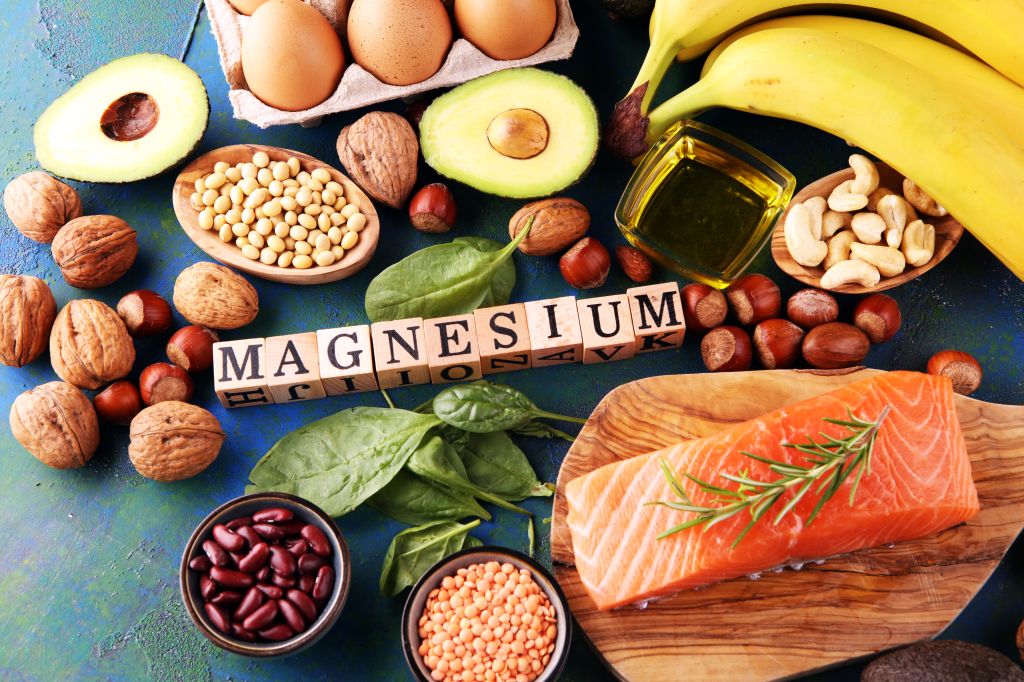
3. Magnesium-rich foods
Magnesium is a vital mineral needed for optimal muscle function, including the smooth muscles of the digestive tract that keep food moving through the intestines.
Regularly consuming foods rich in magnesium promotes regular bowel movements, significantly reducing the risk of constipation, a common cause of bloating and trapped gas.
Top dietary sources of magnesium include:
- Leafy green vegetables
- Pumpkin seeds
- Almonds
- Avocados
- Dark chocolate
4. Herbs and spices
Various herbs and spices naturally support digestion by stimulating the production of stomach acid, bile flow, and intestinal motility.
Cayenne pepper, ginger, garlic, turmeric, and oregano are especially beneficial for supporting gut function, according to evidence published in Food Chemistry.
Regularly incorporating these herbs and spices can help ease bloating, reduce gas, and calm abdominal discomfort after meals.

Tips for preventing gas and bloating
Gas and bloating are common digestive issues that are influenced by diet, gut bacteria diversity, and lifestyle habits.
Here are four simple strategies that can help prevent digestive discomfort.
1. Support a diverse microbiome
In addition to fermented foods, prioritizing nutrient-rich, minimally processed whole foods is vital for supporting microbial balance, digestive resilience, and overall health.
Incorporating prebiotic foods such as asparagus, garlic, onions, chicory root, and Jerusalem artichokes provides beneficial fibers that feed healthy gut bacteria, helping them thrive and support a more diverse, balanced microbiome.
A study published in the Journal of Functional Foods supports this, summarizing, “Flatulence is associated with other symptoms such as bloating and abdominal pain. Gaseous products are influenced by host diet and gut microbiota composition.”
2. Practice fasting
Both intermittent and prolonged fasting routines are excellent tools to support digestive health and reduce the risk of gut issues, including gas and bloating.
Fasting allows the digestive system time to rest and supports more complete digestion between meals. This can help reduce the buildup of undigested food that fuels gas-producing bacteria.

3. Choose organic produce whenever possible
Non-organic and genetically modified (GMO) produce is typically treated with herbicides and pesticides that can irritate the gut lining and disrupt microbial balance, both of which may contribute to gas and bloating.
Choosing organic and non-GMO produce whenever possible helps reduce exposure to these chemicals, supporting a healthier microbiome and overall better digestive health.
4. Incorporate gut-soothing herbal teas
Herbal teas such as ginger, peppermint, chamomile, and fennel tea can help relax intestinal muscles, which can ease gas buildup and relieve bloating naturally.
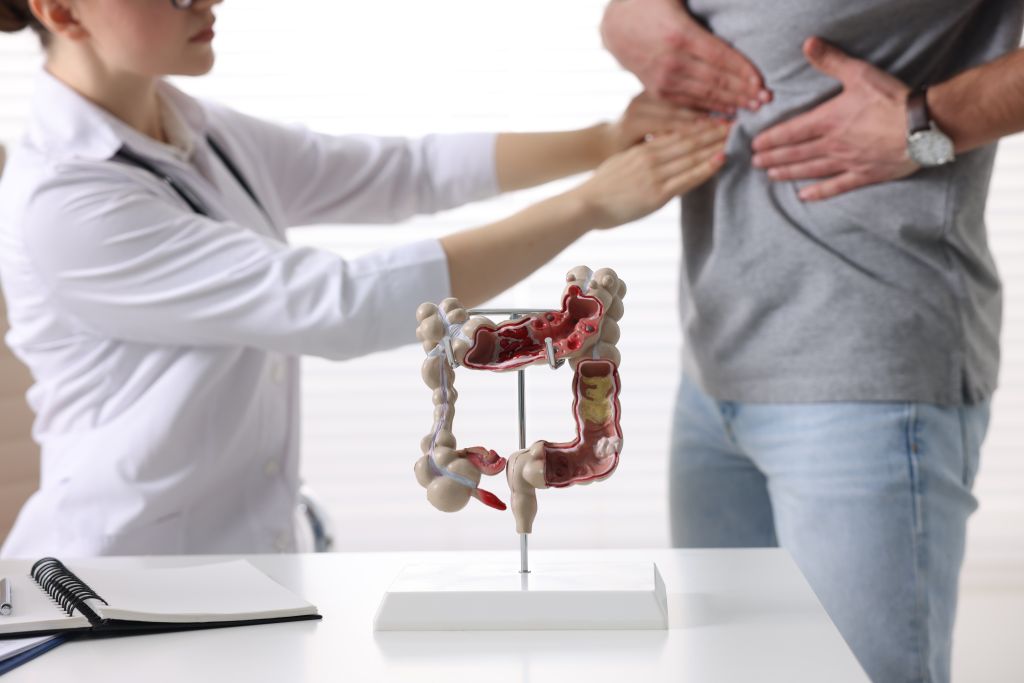
When bloating could signal a deeper issue
Occasional gas and abdominal bloating typically aren’t a medical concern and are often caused by excessive air swallowing or normal digestive processes.
However, persistent or severe bloating, especially when accompanied by abdominal pain, changes in bowel habits, or other symptoms, may indicate an underlying health condition.
Conditions such as irritable bowel syndrome (IBS), celiac disease, motility disorders, bowel obstruction, or scar tissue in the intestines can all contribute to chronic bloating.
If bloating is frequent, severe, or accompanied by blood in the stool, unexplained weight loss, or ongoing pain, it’s crucial to seek medical attention to rule out serious underlying conditions.
A healthcare provider can order blood tests, imaging studies, and other medical evaluations to identify the root cause of digestive issues and formulate an individual treatment plan.
Key takeaways
- Excess gas and bloating are often indicative of low stomach acid, sluggish bile flow, or microbial gut imbalance.
- High-carb or fiber-rich foods can increase fermentation and gas production in the intestines, contributing to bloating and other digestive discomfort.
- Supporting bile flow with healthy fats and bitter greens promotes smooth digestion and overall gut function.
- Eating fermented and magnesium-rich foods helps maintain bowel regularity, which is linked to better digestion and improved bloating.
- Choosing organic produce and practicing intermittent fasting further support a balanced gut and can reduce digestive irritation.
FAQ
- 1. How do I get rid of abdominal gas and bloating?
- 2. Which foods should I avoid if I feel bloated?
- 3. Can probiotics help with bloating?
- 4. When should I be worried about gas?
Sources
- Attaye I, van Oppenraaij S, Warmbrunn MV, Nieuwdorp M. The Role of the Gut Microbiota on the Beneficial Effects of Ketogenic Diets. Nutrients. 2021;14(1):191. https://pmc.ncbi.nlm.nih.gov/articles/PMC8747023/
- Dahl SM, Rolfe V, Walton GE, Gibson GR. Gut microbial modulation by culinary herbs and spices. Food Chemistry. 2023;409:135286. https://www.sciencedirect.com/science/article/pii/S0308814622032484
- Mutuyemungu E, Singh M, Liu S, Rose DJ. Intestinal gas production by the gut microbiota: A review. Journal of Functional Foods. 2023;100:105367. https://www.sciencedirect.com/science/article/pii/S1756464622004376
Related Articles
-
How Stress Affects Digestion
 Healthy lifestyle
How Stress Affects Digestion
At a glance Stress activates the body's fight-or-flight response, which redirects energy and resources away from digestion. This shift can cause irregular gut motility, abdominal discomfort, alter your gut microbiome,…08/13/2026 -
How to Kill Parasites: 7 Natural Tips
 Health concerns
How to Kill Parasites: 7 Natural Tips
At a glance Parasitic infections occur when worms or protozoa colonize the body, often through exposure to contaminated pets, food, or water. These organisms can interfere with digestion and other…03/13/2026 15.1k views -
Keto Poop: How Keto Can Change Your Stool and Why
 Diet
DietKeto Poop: How Keto Can Change Your Stool and Why
At a glance Starting a ketogenic diet can alter stool consistency, frequency, and appearance, often referred to as keto poop. These effects are common and typically indicate that the digestive…02/06/2026 26.2k views -
Sensitive Stomach: Signs, Causes, and Tips
 Health concerns
Sensitive Stomach: Signs, Causes, and Tips
At a glance A sensitive stomach can be linked to stress, dietary changes, or other lifestyle factors affecting gut health, manifesting as recurring discomfort, changes in bowel habits, gas, or…01/30/2026 -
6 Reasons You Feel Tired and Fatigued After Eating
 Diet
Diet6 Reasons You Feel Tired and Fatigued After Eating
At a glance Feeling tired after eating can signal underlying blood sugar and metabolic imbalances. High-carb meals, poor digestion, and frequent snacking can cause post-meal fatigue by disrupting insulin and…12/31/2025 26.1k views -
6 Best Supplements for Bloating
 Health concerns
6 Best Supplements for Bloating
At a glance Bloating is a common sign of impaired digestion and may stem from food sensitivities, low digestive fluids, or imbalances in the gut microbiome. Certain supplements and supportive…10/03/2025 -
How to Reset Your Gut Naturally
 Health concerns
How to Reset Your Gut Naturally
At a glance A natural gut reset involves restoring digestive balance through beneficial dietary and lifestyle changes. Supporting the gut microbiome, strengthening the intestinal lining, optimizing bile flow, and maintaining…09/25/2025 -
Gut Health 101: Everything You Need to Know
 Health concerns
Gut Health 101: Everything You Need to Know
At a glance A healthy gut is essential for maintaining optimal digestion, nutrient absorption, strong immune defenses, hormone balance, and mood regulation. When gut function is disrupted, it can lead…09/18/2025 -
GERD Diet: What to Eat and Avoid for Acid Reflux Relief
 Health concerns
GERD Diet: What to Eat and Avoid for Acid Reflux Relief
At a glance Contrary to popular belief, gastroesophageal reflux disease (GERD) is often linked to low stomach acid, not excess gastric acidity. A GERD-friendly diet centered on whole foods, healthy…09/05/2025 -
Can You Use Apple Cider Vinegar for Acid Reflux?
 Health concerns
Can You Use Apple Cider Vinegar for Acid Reflux?
At a glance Acid reflux is often linked to low stomach acid rather than excess gastric acidity, which can lead to digestive fluids backing up into the esophagus. Due to…04/09/2025 110.2k views


