

At a glance
While both wheatgrass powder and wheatgrass juice powder are derived from young wheat shoots, the juice powder is more concentrated and easier to digest. Wheatgrass juice powder provides higher levels of bioavailable nutrients, enzymes, and antioxidants, supporting digestion, gut health, cellular function, and overall wellness.
Wheatgrass powder vs. wheatgrass juice powder—what’s the difference, and which is better?
While wheatgrass powder contains essential vitamins, minerals, and fiber, wheatgrass juice powder is considered more nutritious and is often preferred for those looking to support overall wellness.
Here’s the difference between wheatgrass juice powder and wheatgrass powder, and why the juice powder form is generally considered the better choice.
What is wheatgrass powder?
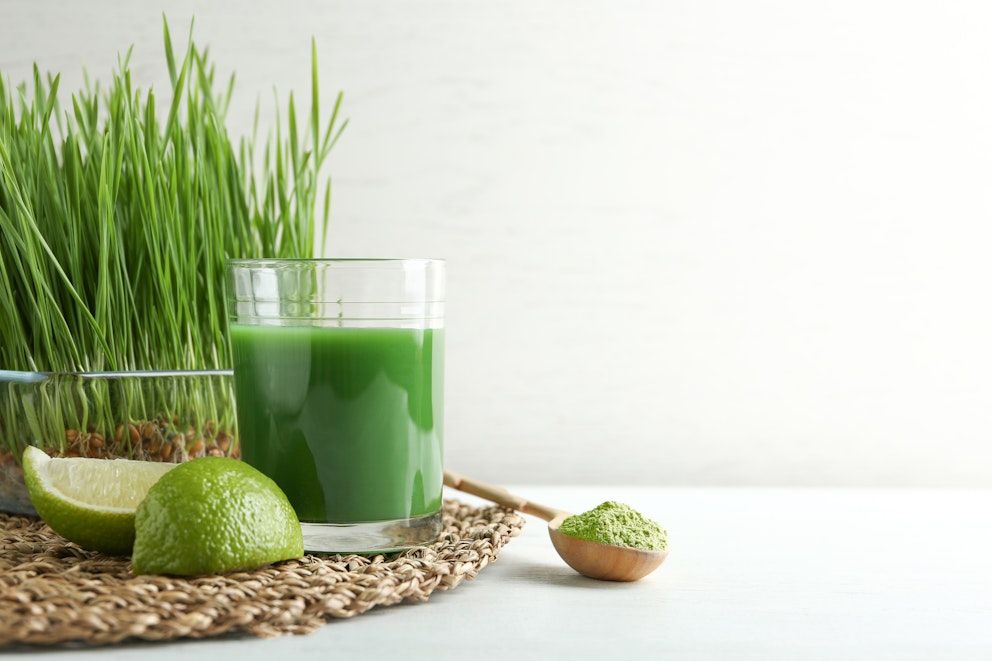
Wheatgrass powder comes from the young leaves of the common wheat plant, Triticum aestivum. The whole shoots are harvested, dried at low temperatures, and ground into a fine powder, preserving their natural fiber and nutrient content.
Because the entire plant is used, this form of wheatgrass retains a broad spectrum of naturally occurring nutrients, including vitamins, minerals, essential amino acids, chlorophyll, and enzymes.
While consuming fresh wheatgrass juice is a popular way to support nutritional intake, juicing wheatgrass at home can be costly and time-consuming, and wheatgrass powders offer a convenient alternative.
You can add raw wheatgrass powder, sometimes called wheatgrass whole powder, to smoothies and shakes or simply mix it with water to prepare a wheatgrass juice drink.
Watch the video below to discover the difference between wheatgrass powder and wheatgrass juice powder.
What is wheatgrass juice powder?
Wheatgrass juice powder is made by juicing young wheatgrass shoots and then dehydrating the juice at low temperatures into a fine powder form to preserve the heat-sensitive nutrients and enzymes.
Because wheatgrass juice powder is made using only the juice, it doesn’t contain any indigestible fibers, making it a highly concentrated source of nutrients that are easily absorbed.
Wheatgrass juice powders tend to have a mild and pleasant flavor and are a popular dietary supplement widely available at health food stores and specialized online retailers.
Wheatgrass powder vs. wheatgrass juice powder
While both wheatgrass powder and wheatgrass juice powder are made from the young grass of the wheat plant, juice powder contains higher concentrations of critical nutrients, making it the more nutritious option.
Beverages made with wheatgrass powder often have a strong grassy flavor and a gritty texture due to the high fiber content, which can cause intestinal irritation in individuals with a sensitive digestive tract.
In contrast, wheatgrass juice powder doesn’t contain dietary fiber and mixes easily with fluids to make a smooth wheatgrass drink.
While both forms offer nutritional value, wheatgrass juice powder is generally considered the more potent option due to its higher concentration of bioavailable nutrients and easier digestibility.
However, it’s important to note that wheatgrass products are at an increased risk of being cross-contaminated with gluten and wheat, which can be problematic for individuals with wheat allergies, celiac disease, or gluten intolerance.
It’s crucial to seek medical care immediately if you experience symptoms of an allergic reaction, such as hives, rashes, swelling, or breathing difficulties after consuming wheatgrass juice.
Benefits of wheatgrass juice powder
“Wheatgrass is a nutritional powerhouse that supports overall wellness, healthy immune function, and cellular health,” explains Dr. Berg. “It’s an exceptional source of vitamins, minerals, antioxidants, and phytonutrients in a natural form that’s easy for your body to absorb.
Wheatgrass juice powder offers a broad spectrum of essential nutrients, including:
- Vitamin A
- Vitamin C
- B vitamins
- Iron
- Magnesium
- Calcium
- Potassium
- Zinc
- Selenium
- Chlorophyll
- Amino Acids
Wheatgrass is an especially rich source of chlorophyll, a green pigment known for its antioxidant and cellular-supporting properties.
Research published in Molecules investigated chlorophyll’s health effects and concluded, “Chlorophyll exhibits a wide range of benefits, including antioxidant, antimutagenic, and antigenotoxic activities.”1
The exceptional antioxidant and polyphenol content of wheatgrass may also help support a healthy inflammatory response and digestive environment.
A study published in the Scandinavian Journal of Gastroenterology observed positive changes in digestive comfort and wellness among participants who regularly consumed fresh wheatgrass juice compared to a placebo group.2
In addition, wheatgrass juice contains superoxide dismutase (SOD), a critical antioxidant enzyme that supports cellular function, healthy immune function, and resilience against environmental stressors.
Moreover, evidence published in Toxicology and Industrial Health found that wheatgrass juice may also support healthy metabolic function, including supporting normal blood sugar levels and insulin sensitivity.3
Although more human research is needed to confirm the link between wheatgrass and metabolic health, wheatgrass juice’s combination of antioxidants, enzymes, and phytonutrients may play a role in supporting balanced energy levels and healthy carbohydrate metabolism.
Key takeaways
- Wheatgrass powder is made from young wheat plants, while wheatgrass juice powder is made from juiced shoots, resulting in significantly higher nutrient concentration.
- Juice powder is easier to digest, mixes smoothly, and typically has a milder taste than whole wheatgrass powder.
- Wheatgrass juice powder is a rich source of vitamins, minerals, amino acids, chlorophyll, and antioxidant enzymes that support cellular and digestive health.
- Including wheatgrass juice powder in a nutrient-focused diet can help maintain energy, support the body’s antioxidant defenses, and promote overall wellness.
FAQ
- 1. Wheatgrass powder vs. wheatgrass juice powder: what’s the difference?
- 2. What is the best form of wheatgrass?
- 3. What’s the difference between wheatgrass and wheat?
- 4. What are the benefits of wheatgrass juice?
- 5. How much wheatgrass does it take to make a cup of wheatgrass juice?
- 6. Can you have wheatgrass juice on keto?
- 7. Who should not drink wheatgrass juice?
Sources
- https://www.tandfonline.com/doi/pdf/10.1080/003655202317316088/
- https://pubmed.ncbi.nlm.nih.gov/25116122/
Related Articles
-
6 Benefits of Vitamin E
 Nutrition
6 Benefits of Vitamin E
At a glance Vitamin E is a fat-soluble vitamin and a powerful antioxidant that protects cells against oxidative stress, free radical damage, and inflammation, all of which contribute to poor…07/03/2026 -
Nitric Oxide and Viagra: What’s the Connection?
 Health concerns
Nitric Oxide and Viagra: What’s the Connection?
At a glance Nitric oxide is a key signaling molecule that relaxes blood vessels, improves circulation, and supports sexual functions. Viagra works by prolonging the effects of nitric oxide, which…03/19/2026 5.9k views -
How to Get Rid of Toenail Fungus – 3 Natural Solutions
 Health concerns
How to Get Rid of Toenail Fungus – 3 Natural Solutions
At a glance Toenail fungus is a common nail infection often linked to environmental exposure to infectious microbes, nail injury, and poor metabolic or immune health. Natural topical solutions and…03/13/2026 33.6k views -
How to Kill Parasites: 7 Natural Tips
 Health concerns
How to Kill Parasites: 7 Natural Tips
At a glance Parasitic infections occur when worms or protozoa colonize the body, often through exposure to contaminated pets, food, or water. These organisms can interfere with digestion and other…03/13/2026 15.1k views -
HPV Skin Tags: Causes and What to Do
 Health concerns
HPV Skin Tags: Causes and What to Do
At a glance While both skin tags and warts can be linked to human papillomavirus (HPV), they differ in appearance and how they affect the body. Targeted dietary and lifestyle…03/13/2026 16.6k views -
4 Asthma Remedies to Try at Home
 Health concerns
4 Asthma Remedies to Try at Home
At a glance Asthma is a chronic inflammatory condition that narrows the airways and makes breathing difficult, especially during asthma attacks. While conventional care is often necessary, natural asthma remedies…03/06/2026 17.6k views -
Too Much Keto Weight Loss? What to Do If You’re Too Skinny
 Diet
DietToo Much Keto Weight Loss? What to Do If You’re Too Skinny
At a glance Keto weight loss often occurs rapidly during the early adaptation phase, primarily due to fluid loss rather than immediate fat reduction. While fat loss is expected, ongoing…03/06/2026 10.2k views -
How to Ease a Sore Throat Quickly Using Acupressure
 Health concerns
How to Ease a Sore Throat Quickly Using Acupressure
At a glance Acupressure offers a simple, hands-on approach to promoting physical comfort, which may help soothe sore throat pain. While it’s not a substitute for a medical evaluation, acupressure…02/27/2026 25.2k views -
What Causes Pale Colored Stool?
 Health concerns
What Causes Pale Colored Stool?
At a glance Pale-colored stool can be linked to low bile flow, low-fat diets, alcohol use, infections, or underlying liver, gallbladder, or pancreatic issues. Supporting gallbladder function through a nutritious…02/26/2026 14.9k views -
Can Low Vitamin D Cause Depression in Teenagers?
 Vitamins
Can Low Vitamin D Cause Depression in Teenagers?
At a glance Vitamin D is essential for brain health, and low levels in teenagers may increase the risk of depression. Insufficient sunlight exposure and poor dietary habits can contribute…02/26/2026 10.8k views


