

At a glance
Vitamin E is a fat-soluble vitamin and a powerful antioxidant that protects cells against oxidative stress, free radical damage, and inflammation, all of which contribute to poor health and disease.
Vitamin E is a critical nutrient that supports various vital bodily functions and may help lower the risk of heart disease and cancer, improve skin appearance, strengthen immune defenses, and support cell membrane repair.
Find out if you are at risk of deficiency and discover six impressive benefits of vitamin E.
What is vitamin E?
Vitamin E is one of the four fat-soluble vitamins, alongside vitamins A, D, and K.
Unlike water-soluble vitamins, which are easily absorbed and eliminated by the body, their fat-soluble counterparts require dietary fats for optimal absorption and are deposited in the liver and fatty tissue.
Vitamin E is a powerful antioxidant, meaning it can scavenge free radicals. These highly unstable metabolic by-products can cause damage to cellular components, trigger inflammation, and contribute to chronic diseases.
Because vitamin E is fat-soluble, it provides critical protection for lipid-rich structures, such as cell membranes, nerve sheaths, and the membranes of vital organs.
This antioxidant vitamin is also essential for erythropoiesis, the process of making red blood cells needed to transport oxygen from the lungs to the body’s tissues.
Watch the video below to discover the amazing health benefits of vitamin E.
6 benefits of vitamin E
Antioxidants such as vitamin E are essential for aiding in good health, and safeguarding lipid structures and cell membranes while supporting the body’s immune response and promoting tissue regeneration.
Here are six incredible vitamin E benefits.
1. May lower the risk of heart disease
Vitamin E is a natural blood thinner that may reduce blood clots that could lead to a heart attack or stroke. It may also inhibit cholesterol oxidation and atherosclerosis, which occurs when low-density lipoprotein (LDL) cholesterol reacts with free radicals and builds up within the arterial walls.
Atherosclerosis causes the arteries to narrow, reducing blood flow to the heart, which is a key factor in the development of coronary heart disease, also known as coronary artery disease (CAD).
Though more research is needed, a study published in JAMA Internal Medicine found that vitamin E may decrease the risk of angina, nonfatal heart attacks, stroke, and cardiovascular death in CAD patients.
However, it’s recommended that patients prescribed anticoagulant medications avoid high doses of vitamin E, as this may increase the risk of excessive bleeding.
2. Enhances skin health
Free radical damage to the skin, often caused by environmental pollution, smoking, poor diet, or ultraviolet (UV) radiation, accelerates premature aging, impairs collagen production, and increases the risk of skin inflammation.
Vitamin E’s antioxidant properties help reduce oxidative damage to the skin, supporting wound healing and mitigating the harmful effects of solar radiation.
Additionally, a study published in PLOS One found that “…lower serum vitamin E levels were associated with several chronic inflammatory skin diseases, such as vitiligo, psoriasis, atopic dermatitis, and acne.”
This explains the popularity of vitamin E oil and why oral and topical vitamin E has been used in cosmetics for decades as a free-radical scavenger, helping to protect and rejuvenate the skin.
3. May reduce cancer risk
Oxidative stress, which is a result of an imbalance between free radicals and antioxidants, significantly increases the risk of various cancers, including prostate cancer, colon cancer, lung cancer, and breast cancer.
High concentrations of reactive oxygen species (ROS) can damage cellular organelles, including DNA, significantly increasing cancer risk.
A diet rich in nuts and seeds, which are natural sources of vitamin E, is associated with a risk reduction of oxidative stress and cancer mortality. Additionally, combining vitamin E with other antioxidants, including essential vitamins like A and C, may protect patients with colorectal adenomas from developing colorectal cancer.
However, cancer prevention trial data indicate that not all forms of vitamin E are associated with cancer protection.
A study published in Scientific Reports found that all-rac-alpha-tocopherol, a synthetic form of vitamin E, was ineffective for prostate cancer prevention and, in fact, increased the risk of prostate cancer.
4. Supports the skeletal muscle membranes
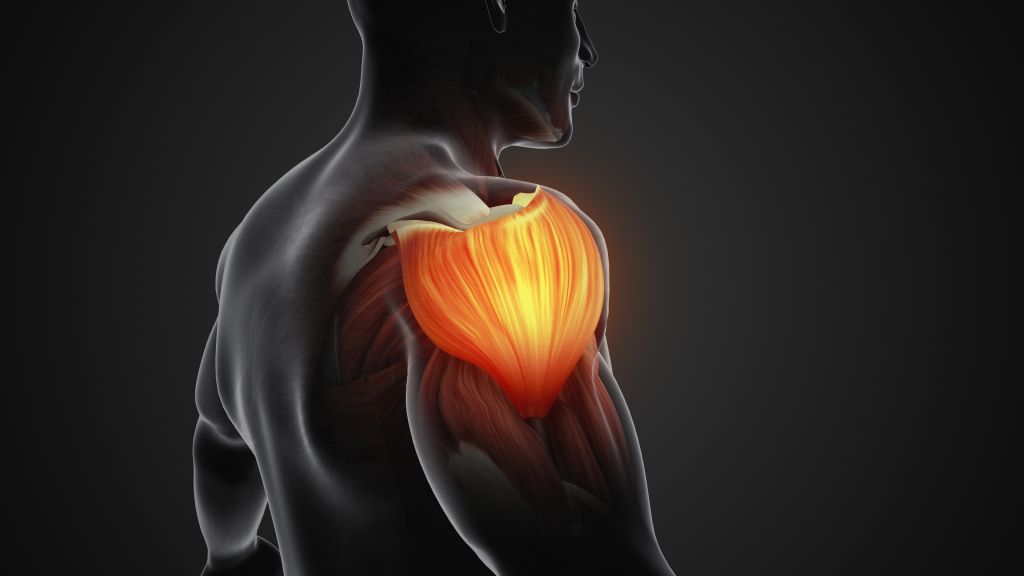
Due to its antioxidant effects, vitamin E helps protect muscle cell membranes from free radicals and facilitates the repair of muscle fibers damaged by strenuous exercise and its associated inflammation.
This supports muscle strengthening and helps reduce muscle fiber damage, leading to faster recovery time and less muscle soreness.
A study published in Nutrients found that vitamin E had significant protective effects against muscle damage and oxidative stress in athletes immediately after exercise.

5. Promotes healthy vision
Optimal amounts of dietary vitamin E may reduce the risk of age-related macular degeneration (AMD) and cataracts, which are the leading causes of visual impairment and blindness in those 65 and older.
This is likely due to vitamin E’s role in protecting the macula, a part of the retina responsible for processing central vision, from oxidation and UV damage.
A study published in JAMA Ophthalmology found that vitamin E, in combination with vitamin C, beta-carotene, and zinc, reduced the risk of progression to advanced AMD by about 25% in high-risk individuals.
6. Neuroprotective effects
Neurodegenerative disorders, such as Parkinson’s and Alzheimer’s disease, are closely linked to antioxidant deficiencies, which allow free radicals to damage and impair neuronal cells in the central nervous system.
This ROS toxicity has been linked to protein misfolding and glial cell activation, which can trigger neuroinflammation and are key drivers of neurodegenerative diseases.
Oxidative stress can also lead to mitochondrial dysfunction and cell death in dementia patients, which explains why vitamin E may reduce the risk of neurodegeneration and disease progression in those with mild cognitive impairment.
Symptoms of vitamin E deficiency
Severe vitamin E deficiencies are uncommon in healthy individuals who consume a balanced diet. However, many people don’t consume enough vitamin E-rich foods, which can trigger or worsen symptoms affecting the eyes, nervous system, immune system, and muscles.
Common symptoms of low vitamin E levels include:
- Retinopathy
- Peripheral neuropathy in the hands or feet
- Impaired immune responses
- Muscle cramps, stiffness, or spasms
- Poor coordination or difficulties walking
- Slow wound healing
- Inflammatory skin conditions such as acne and eczema
- Dry, flaky skin
If any of these health concerns are present, it is important to speak with a healthcare professional. Long-term vitamin E deficiency may also lead to liver and kidney problems and has been linked to the progression of chronic kidney disease (CKD).
Causes of vitamin E deficiency
Vitamin E deficiency is most common among those with digestive disorders and inflammatory bowel conditions, which can lead to fat malabsorption and deficiencies of fat-soluble vitamins.
Individuals with these health conditions are at increased risk of vitamin E deficiency:
- Pancreatitis
- Cystic fibrosis
- Crohn’s disease
- Celiac disease
Additionally, gallbladder dysfunction and chronic liver disease, such as cirrhosis, reduce the bioavailability of vitamin E. This occurs due to a lack of bile, a critical digestive fluid produced by the liver that helps the body absorb fats and utilize vitamin E.
Gastric bypass patients may also develop inadequate vitamin E levels. Bariatric surgery limits the amount of calories and nutrients the body can absorb, increasing the risk of deficiencies, particularly fat-soluble vitamins.
The best food sources of vitamin E
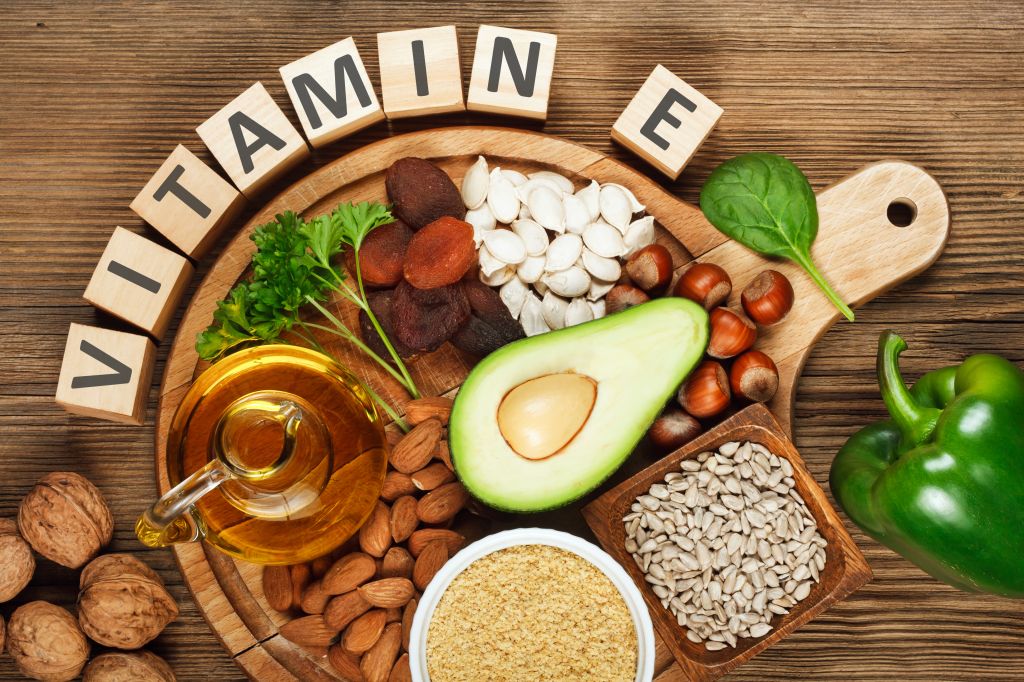
Wheat germ oil is the richest food source of vitamin E, containing 20 milligrams (mg) per tablespoon or approximately 134 percent of the recommended daily value for adults.
Other foods that contain significant amounts of vitamin E include:
- Sunflower seeds
- Almonds
- Hazelnuts
- Peanut butter
- Peanuts
- Spinach
- Broccoli
- Avocados
Vitamin E can also be obtained from animal products, such as dairy, chicken, pork, egg yolks, and beef.
Additionally, certain types of seafood, including abalone, salmon, rainbow trout, octopus, lobster, and cod fish, are rich sources of vitamin E.

Foods that deplete vitamin E
A high-carbohydrate diet consisting of refined grains, such as bread, pasta, cereal, and other flour-based products, provides little vitamin E and may increase oxidative stress, which can lower antioxidant levels over time.
Though wheat contains vitamin E, it’s stripped of its nutrient-rich outer layers and undergoes oxidation during processing. This means these products retain little to none of their original nutritional value.
Consuming a primarily refined diet instead of whole foods increases the risk of nutrient deficiencies by forcing the body to draw from its nutrient stores to support cellular and bodily functions.
Additionally, the regular consumption of highly refined sugars in the form of high-fructose corn syrup generates free radicals, which deplete antioxidant nutrients, including vitamin E.
Forms of vitamin E
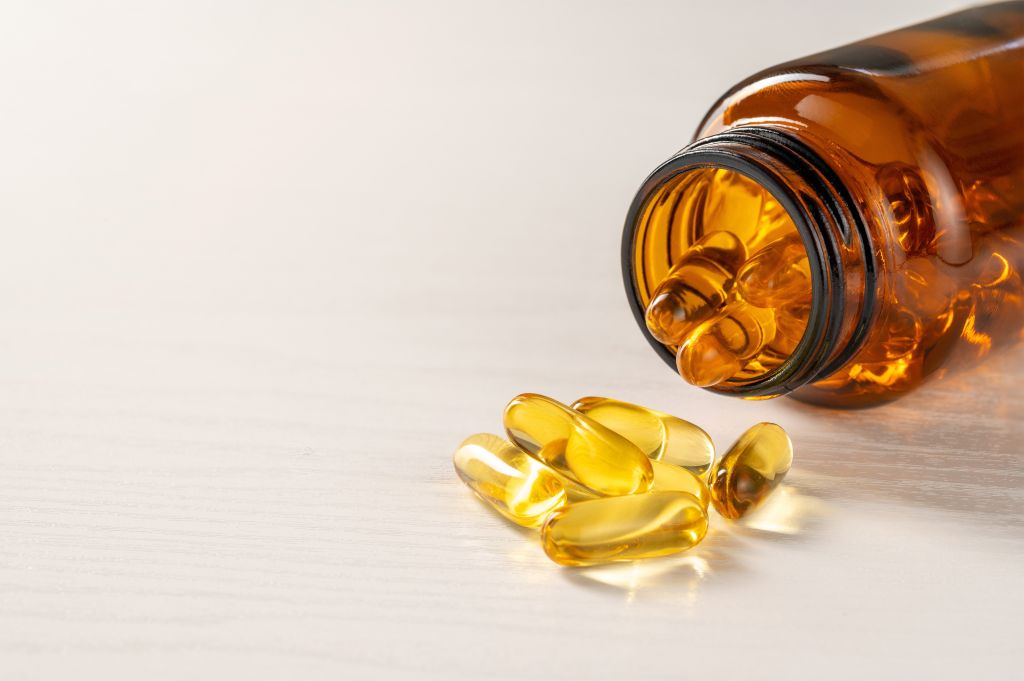
Naturally occurring vitamin E, known as d-alpha tocopherol or RRR-alpha-tocopherol, comprises four tocopherols and tocotrienols.
These include:
- Alpha-tocopherol
- Beta-tocopherol
- Gamma-tocopherol
- Delta-tocopherol
- Alpha-tocotrienol
- Beta-tocotrienol
- Gamma-tocotrienol
- Delta-tocotrienol
Natural vitamin E derived from vegetable oils, nuts, or other plant sources typically consists of RRR-alpha-tocopherol.
When looking into vitamin E it is worth noting that RRR-alpha-tocopherols are twice as bioavailable and significantly more biologically active than synthetic versions, as the body more easily recognizes their natural chemical structure.
Conversely, synthetic vitamin E, commonly labeled all-rac-alpha-tocopherol or dl-alpha-tocopherol, is often derived from petroleum byproducts. These forms of vitamin E are often used in vitamin manufacturing. Synthetic forms are expelled from the body’s tissues more quickly, are less effective, and have been linked to an increased prostate cancer risk.
The most effective form of vitamin E contains both tocopherols and tocotrienols in a natural vitamin E complex, which enhances its bioavailability, retention, and antioxidant effects. Remember to look for these bioavailable forms when looking for vitamin E.
“In nature, vitamin E never occurs as a single alpha-tocopherol,” explains Dr. Berg. “Natural vitamins contain complexes not found in synthetic vitamins, which explains why synthetic vitamin E isn’t readily absorbed and utilized by the body.”
Key takeaways
- Vitamin E is a fat-soluble vitamin and potent antioxidant that protects the body’s lipid structures against free radical damage.
- There are several benefits of vitamin E, including supporting cardiovascular health. Vitamin E may also support muscle repair, promote healthy vision, and enhance skin health.
- The effects of vitamin E deficiencies are harmful to well-being, and a long-term deficiency can lead to serious health concerns.
- For those who don’t get enough vitamin E in their diet and are looking to prevent a deficiency, taking vitamin E that is bioavailable rather than synthetic is the better option.
FAQ
- 1. What are the top benefits of vitamin E?
- 2. What are the symptoms of a vitamin E deficiency?
- 3. What is the best form of vitamin E?
- 4. What foods are highest in vitamin E?


