


At a glance
A 14-hour fast is a simplified approach to intermittent fasting that builds on the body’s natural overnight fast, making the transition into time-restricted eating more comfortable. It can be a practical option for busy individuals or those who find longer fasts challenging. When paired with a nutritious ketogenic diet and supportive fasting habits, a 14-hour routine can help promote healthy metabolic function.
If you’re new to intermittent fasting, a 14-hour fast can be an easy, sustainable place to begin.
This form of time-restricted eating typically extends the overnight fast and involves consuming all meals of the day within a 10-hour eating window. This allows the body to tap into fat stores to generate energy, which supports weight loss and delivers measurable metabolic health benefits.
Discover six 14-hour fast benefits and learn how to incorporate this intermittent fasting schedule into your health and wellness routine.
What is a 14-hour fast?
A 14-hour fast, also known as a 14:10 intermittent fasting routine, involves 14 hours of fasting followed by a 10-hour eating window during which all meals of the day are consumed.
Because most people simply extend the body’s natural overnight fast, a 14-hour fasting window is often easier to maintain than longer fasting schedules, such as alternate-day fasting or One Meal a Day (OMAD).
During the fasting period, only calorie-free drinks such as water, black coffee, or unsweetened tea are permitted.
This daily pattern of intermittent fasting can trigger profound metabolic and hormonal changes that support the circadian rhythm, promote weight loss, and encourage the body to utilize stored fat as an energy source.
Many of these beneficial effects relate to how fasting influences the release of insulin, a key metabolic hormone that regulates blood sugar balance by facilitating cellular uptake of glucose.
Eating a meal, especially one high in carbohydrates, triggers a sudden rise in blood sugar levels, which signals the release of insulin to regulate blood sugar balance.
Although insulin is crucial for glucose control, it also directly inhibits fat-burning, which explains why frequent eating, snacking, and a high-carb diet are primary causes of weight gain.
In addition, chronically elevated insulin levels have been found to deregulate hormone production, may contribute to imbalanced inflammatory responses, and are implicated in the development of heart disease.
During extended periods of caloric restriction, blood sugar levels remain steady. This helps keep insulin levels balanced and has been associated with a wide range of health benefits.
Watch the video below to learn more about the basics of intermittent fasting.
6 benefits of 14-hour fasting
Fasting for 14 hours each day gives the body enough time to reset vital metabolic processes while still being short enough to fit comfortably into most daily routines.
During a 14-hour fast, several beneficial changes occur that support blood sugar regulation, energy balance, and cellular repair, all of which contribute to better overall health and longevity.
Here are six key intermittent fasting benefits.
1. Supports blood sugar and insulin balance
Several studies suggest that narrowing the eating window, also known as time-restricted eating, can help lower fasting glucose levels and improve insulin sensitivity, two critical factors for maintaining metabolic health.
Research published in Cell Metabolism highlights that intermittent fasting improved insulin sensitivity and blood pressure even without changes in body weight.
During the fasting period, insulin levels naturally remain steady, allowing cells to rest and become more responsive to insulin over time. This improved sensitivity helps the body use glucose more efficiently and reduces the risk of insulin resistance, a key factor in type 2 diabetes development.
2. Promotes a healthy body weight
Regularly fasting for 14 hours is an excellent tool for those who are seeking to lose weight, as it encourages the body to burn stored fat during periods of caloric restriction.
Lower insulin levels during fasting allow the liver to convert stored body fat into energy, which supports significant weight loss and helps improve body composition.
While results can vary, consistent 14-hour fasting can enhance fat-burning efficiency and help preserve lean muscle mass.
Combining intermittent fasting with a nutrient-dense, low-carbohydrate diet such as Healthy Keto® further supports weight loss, as limiting carbohydrate intake helps maintain steady blood sugar and insulin levels.
In addition, exercising in a fasted state can maximize the weight loss effects as the body is forced to tap into stored fat to generate energy.

3. Helps improve heart health
Intermittent fasting supports heart health by improving key metabolic functions that influence cardiovascular wellness.
Because of fasting’s profound metabolic benefits, it may help lower triglycerides, reduce harmful low-density lipoprotein (LDL) cholesterol, and improve blood pressure regulation, all of which support a healthier cardiovascular system and reduce the risk of heart disease.
Evidence published in the American Journal of Medicine found that intermittent fasting diets improved body weight, blood pressure, and lipid profiles, suggesting meaningful benefits for overall heart health.
The authors conclude, “Intermittent Fasting may benefit cardiovascular health by improving obesity, hypertension, dyslipidemia and diabetes.”
4. Stimulates autophagy
During fasting, the body activates autophagy, a cellular repair process that breaks down damaged cell components and recycles malfunctioning cells, which supports longevity and healthy aging.
Although longer fasts of 24 to 48 hours tend to trigger deeper autophagy, consistent 14-hour fasts help set the foundation for this critical cellular repair mechanism.

5. Supports hormonal balance
Abstaining from eating for 14 hours helps maintain steady blood sugar levels, which supports balanced release of hunger hormones such as ghrelin and leptin.
As these hormones stabilize, most people notice less hunger and cravings, making it easier to sustain and even extend fasting periods.
Over time, these hormonal shifts support steady energy levels, fewer cravings, and better appetite control, all of which promote a healthy body weight and effective weight management.
6. Promotes restful sleep
Consistent intermittent fasting helps regulate various hormones that influence sleep quality.
By improving insulin sensitivity and stabilizing blood sugar levels, fasting helps minimize nighttime glucose fluctuations that can disrupt rest or cause early waking.
Balanced energy levels throughout the night help the body maintain its natural circadian rhythm and support deeper, more restorative sleep.

How to start a 14-hour fast
A 14-hour fast is a simple and sustainable approach for most people, especially when built around your daily routine. For example, finish the last meal by 6 p.m., and eat breakfast the following day at 9:00 a.m.
During the eating window, focus on nutrient-dense foods low in carbs that promote stable insulin levels rather than carbohydrate-rich foods that raise insulin levels and contribute to weight gain and other health issues.
Incorporate plenty of non-starchy vegetables, high-quality protein, and healthy fats such as olive oil, avocado, pasture-raised eggs, and wild-caught fish.
This approach supports overall health by balancing insulin levels and encouraging the body to use stored fat for energy, without the need to focus on calorie restriction or restrictive diets.
Optimal hydration is essential during fasting, and it’s beneficial to include plenty of water, herbal teas, or electrolyte powders without added sugars, which help support fluid and electrolyte balance without breaking a fast.
Light resistance training, especially in a fasted state, further enhances fat-burning and supports muscle maintenance.
Finishing the last meal of the day at least three hours before bedtime helps support nocturnal blood sugar balance, promotes better sleep, and helps achieve maximum fasting benefits.

How long does it take to see results?
How long it takes to see results can vary depending on your health status, dietary habits, and consistency. However, most people notice beneficial changes within one to two weeks of starting intermittent fasting.
Early benefits typically include reduced bloating, steadier energy levels, weight loss, and fewer cravings between meals.
After three to four weeks of consistently following 14-hour fasts, especially if combined with a Healthy Keto diet, the body becomes more efficient at using stored fat for fuel. This supports balanced blood sugar levels, improved insulin sensitivity, and gradual weight loss over time.
Research published in the Journal of Human Nutrition and Dietetics found that intermittent fasting for around four weeks led to measurable reductions in body weight and fat mass, supporting improvements in overall metabolic health.

Common fasting mistakes
There are several common mistakes that can make intermittent fasting less effective.
Overeating or choosing processed foods during the eating window can trigger insulin spikes, which disrupt fat-burning and undermine the health benefits of intermittent fasting.
Breaking a fast with sugary snacks or refined carbohydrates often leads to fatigue and cravings later in the day, making it harder to maintain steady energy levels and healthy eating habits.
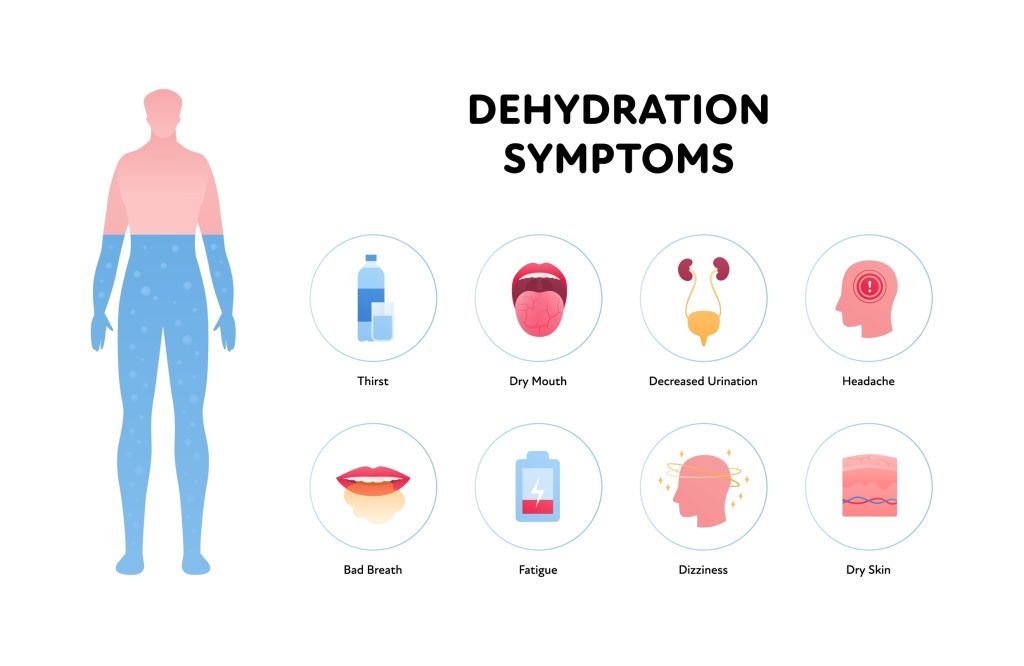
Another mistake is ignoring hydration and electrolyte balance. Intermittent fasting increases fluid and mineral loss, and staying hydrated is essential. This explains why not drinking enough fluids can contribute to headaches, fatigue, and electrolyte imbalance—a set of symptoms commonly referred to as the keto-flu.
“To get the most out of a 14-hour fast and reduce possible side effects, it’s essential to stay well-hydrated, replenish electrolytes, and follow a nutrient-dense, low-carb diet,” explains Dr. Berg.
When to avoid fasting
While intermittent fasting is generally considered safe and beneficial for most healthy adults, time-restricted eating may not be suitable for everyone.
Those who are pregnant or breastfeeding, underweight, or have a history of disordered eating should avoid intermittent fasting.
Additionally, individuals with diabetes or other medical conditions that affect blood sugar balance should consult a qualified healthcare professional before starting an intermittent fasting plan.
As fasting improves blood sugar regulation, it may be necessary to adjust medication protocols under medical supervision to minimize the risk of unwanted side effects.
Key takeaways
- A 14-hour fast is a simplified form of intermittent fasting that makes its benefits more accessible for those who find longer fasts challenging.
- Pairing daily fasting with nutrient-dense meals, light exercise, proper hydration, and electrolyte balance supports healthy metabolic function, especially when combined with a Healthy Keto diet.
- Time-restricted eating has been linked to weight management, balanced blood sugar levels, cardiovascular support, healthy hormonal regulation, and improved sleep quality.
- Many people begin noticing the metabolic effects of intermittent fasting within the first few weeks.
- Individuals who are pregnant, breastfeeding, underweight, managing certain medical conditions, or taking medications should consult a healthcare professional before beginning a fasting routine.
FAQ
- 1. What happens during a 14-hour fast?
- 2. Is fasting for 14 hours enough to see benefits?
- 3. Can you drink coffee while fasting?
- 4. How often should you fast for 14 hours?
- 5. Can you work out while fasting?
Sources
- Sutton EF, Beyl R, Early KS, Cefalu WT, Ravussin E, Peterson CM. Early Time-Restricted Feeding Improves Insulin Sensitivity, Blood Pressure, and Oxidative Stress Even without Weight Loss in Men with Prediabetes. Cell Metab. 2018;27(6):1212-1221.e3. https://pubmed.ncbi.nlm.nih.gov/29754952/
- Dong TA, Sandesara PB, Dhindsa DS, et al. Intermittent Fasting: A Heart Healthy Dietary Pattern?. Am J Med. 2020;133(8):901-907. https://pubmed.ncbi.nlm.nih.gov/32330491/
- Norouzy A, Salehi M, Philippou E, et al. Effect of fasting in Ramadan on body composition and nutritional intake: a prospective study. J Human Nutrition Diet. 2013;26(s1):97-104. https://onlinelibrary.wiley.com/doi/full/10.1111/jhn.12042
Related Articles
-
7 Common Intermittent Fasting Myths Debunked
 Diet
Diet7 Common Intermittent Fasting Myths Debunked
At a glance Intermittent fasting is an increasingly popular dietary pattern that is often misunderstood. Many common concerns surrounding intermittent fasting, including muscle loss, hormonal disruption, and metabolic slowdown, are…09/03/2026 -
How to Practice Mindful Eating Every Day
 Diet
DietHow to Practice Mindful Eating Every Day
At a glance Mindful eating helps you connect food choices to hunger, fullness, food cravings, emotions, and your environment. It focuses on understanding the factors that influence eating habits without…08/27/2026 -
Walking After Meals: Why Post-Meal Walks Matter
 Healthy lifestyle
Walking After Meals: Why Post-Meal Walks Matter
At a glance Post-meal habits can influence how the body responds after eating. During this period, digestion, blood sugar balance, insulin activity, and circulation all shift to help the body…08/13/2026 -
What Is Time-Restricted Eating?
 Diet
DietWhat Is Time-Restricted Eating?
At a glance Time-restricted eating is a form of intermittent fasting that limits meals to a consistent daily eating window. This approach focuses on when food is consumed rather than…08/13/2026 -
Does Intermittent Fasting Affect Your Metabolism?
 Diet
DietDoes Intermittent Fasting Affect Your Metabolism?
At a glance Intermittent fasting impacts metabolism by shifting the body towards ketosis, improving insulin sensitivity, and enhancing metabolic flexibility. While fasting can support weight management and metabolic efficiency, results…07/23/2026 -
Net Carbs vs. Total Carbs: Which Should You Track?
 Diet
DietNet Carbs vs. Total Carbs: Which Should You Track?
At a glance Tracking total carbs is simpler and more consistent for supporting metabolic health and maintaining ketosis. Net carbs can help expand food choices, but they can also backfire…07/23/2026 -
What Is the Best Meal Timing for Stable Energy?
 Diet
DietWhat Is the Best Meal Timing for Stable Energy?
At a glance Meal timing can influence daily alertness, hunger cues, and blood sugar patterns. The body processes food according to internal rhythms that affect insulin, digestion, and metabolic activity.…07/17/2026 -
36-Hour Fasting: Benefits, Safety, and How It Works
 Diet
Diet36-Hour Fasting: Benefits, Safety, and How It Works
At a glance A 36-hour fast is a prolonged fasting strategy that shifts the body into ketosis, promoting fat burning, improved insulin sensitivity, and cellular repair through autophagy. These metabolic…06/25/2026 -
Sore Muscles: Recovery vs. Overdoing It
 Fitness
Sore Muscles: Recovery vs. Overdoing It
At a glance Sore muscles are a normal response to unfamiliar or intense exercise. Mild to moderate soreness is usually a sign of productive adaptation, while sharp pain, significant swelling,…06/25/2026 -
What Is NEAT? The Daily Movement That Adds Up
 Healthy lifestyle
What Is NEAT? The Daily Movement That Adds Up
At a glance Non-exercise activity thermogenesis (NEAT) refers to the energy expenditure from all movement outside of sleeping, eating, and structured exercise. These everyday actions, from household chores to walking…06/12/2026


