

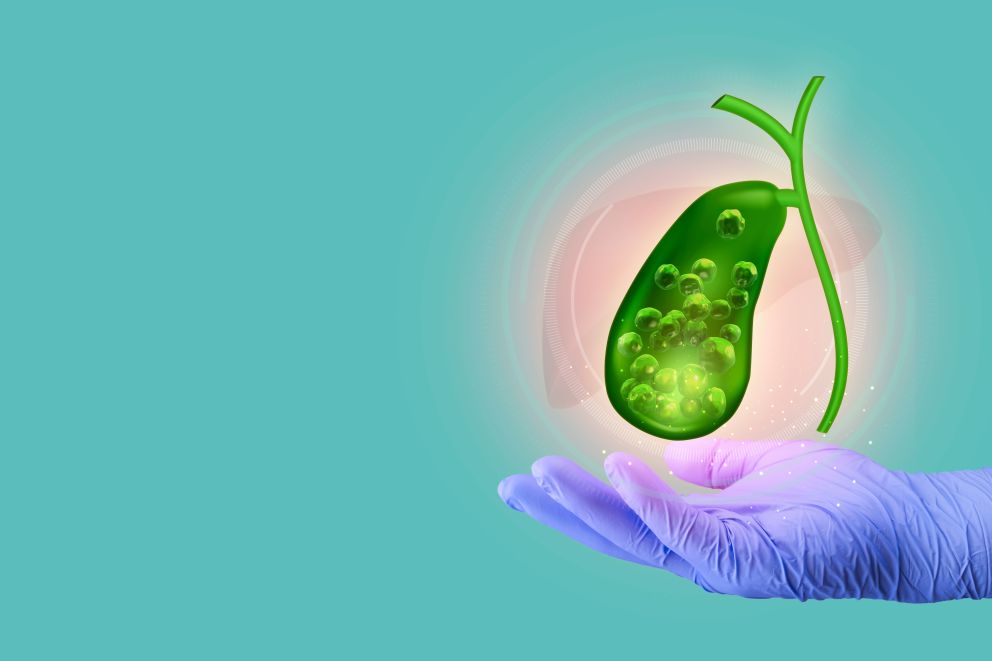
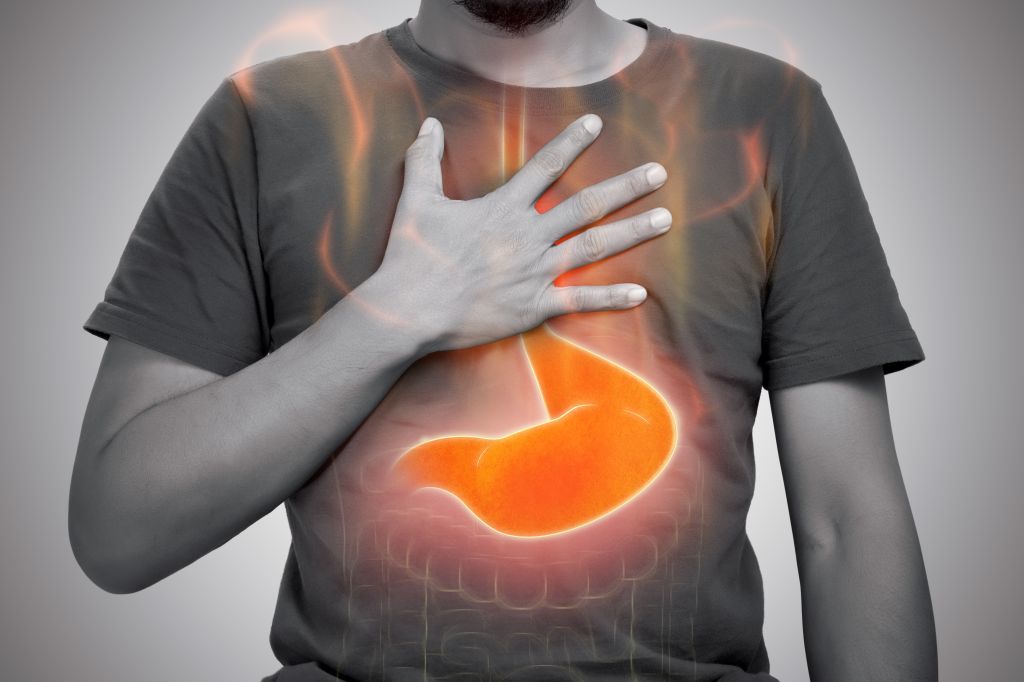
Bile reflux occurs when digestive juices and bile flow back into the stomach and esophagus from the small intestine.
Chronic bile reflux can erode the delicate lining of the stomach and esophagus, leading to damage and persistent inflammation, which may increase the risk of esophageal cancer.
Discover the common causes of bile reflux and learn how to support healthy digestion naturally by making beneficial diet and lifestyle changes.
What is bile reflux?
Bile reflux, also known as alkaline reflux gastritis, biliary reflux, or bile reflux gastritis, occurs when bile, a vitally important digestive fluid produced by the liver, backflows into the stomach and esophagus.
Although bile reflux can occur alongside other digestive disorders, it is distinct from acid reflux or gastroesophageal reflux disease (GERD).
Acid reflux and GERD are characterized by insufficient gastric acid levels, which weakens the lower esophageal sphincter—the valve that separates the stomach from the throat—and causes acid to enter the esophagus.
Watch the video below to learn more about bile reflux.
Symptoms of bile reflux
Bile reflux gastritis often displays similar symptoms to acid reflux and GERD, such as regurgitation of stomach contents and a burning sensation in the esophagus.
Other common bile reflux signs include:
- Abdominal pain
- Indigestion
- Heartburn
- Nausea
- Throat irritation
- Hoarseness
- Persistent cough
Bile reflux can also produce yellowish-green, bitter-tasting vomit, unlike gastric acid reflux, which typically results in a sour or acidic taste.
If you suspect biliary reflux or have developed uncomfortable digestive symptoms, it’s vital to consult a healthcare provider for a proper evaluation of your health status.
What causes bile reflux?
Bile reflux occurs due to a weak pyloric valve, which is a ring of smooth muscle that separates the stomach from the upper small intestine.
An impaired pyloric valve can cause bile to flow into the stomach instead of further into the small intestine, where it’s needed for lipid absorption and digestion.
“Bile drains into the small intestine from the gallbladder,” explains Dr. Berg. “With bile reflux, the pyloric valve is dysfunctional, causing bile to rise into the stomach, which alters its pH and increases the risk of ulcers and gastritis.”
Several factors can contribute to the weakening of the pyloric valve, including:
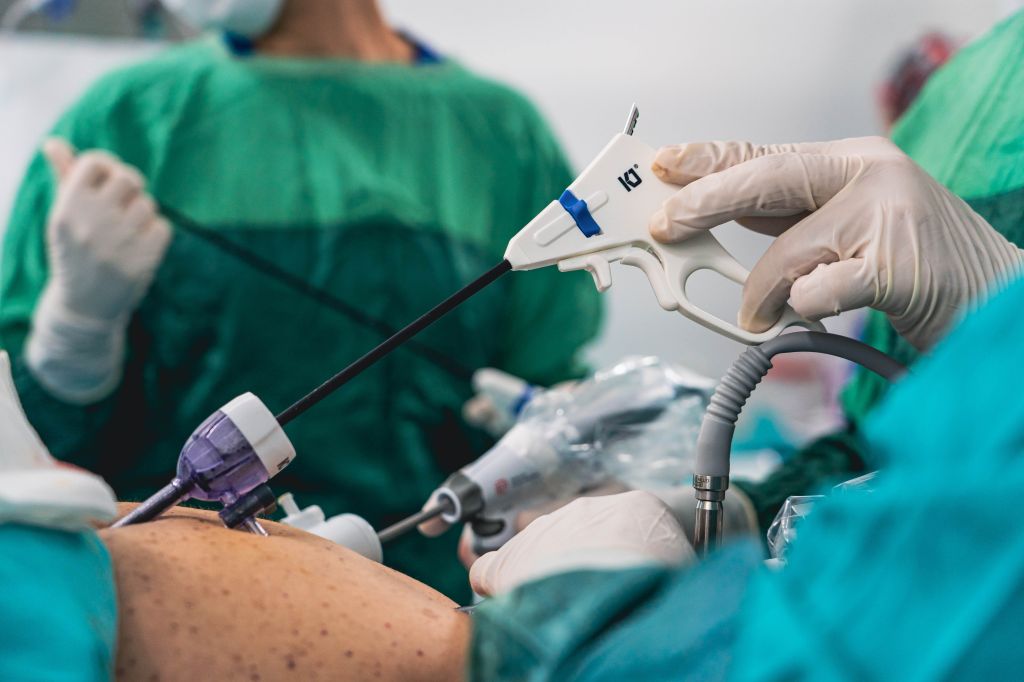
- Gallbladder removal surgery
- Stomach surgery
- Gastric bypass surgery
- Peptic ulcer
- Obstructions from scar tissue
Poor diets, particularly high-carb diets low in fat, are also a primary cause of bile reflux.
Healthy dietary fats, such as those found in dairy, meat, and eggs, trigger the release of bile.
Without a sufficient intake of dietary fats, bile may become stagnant and disrupt digestive processes, which can contribute to pyloric valve dysfunction and bile reflux.
Additionally, a high-carb diet can negatively impact gut diversity, which may exacerbate bile reflux by reducing the number of beneficial bacteria. This can lead to impaired digestion and weak pyloric valve function, increasing the risk of bile entering the stomach.
A study published in Gut found significant changes in bacterial activity and intestinal bile acid concentrations in those following a diet high in refined sugar, highlighting a clear link between processed foods and common gastrointestinal disorders.
Diet and lifestyle changes
It’s common practice for doctors to prescribe bile acid sequestrants, over-the-counter antacids, and other bile reflux treatments to suppress bile production, possibly worsening reflux symptoms over time.
Addressing potential root causes, such as poor dietary habits, may help support digestive function and reduce symptoms naturally.
Here’s what you can do to reduce the risk of bile reflux.
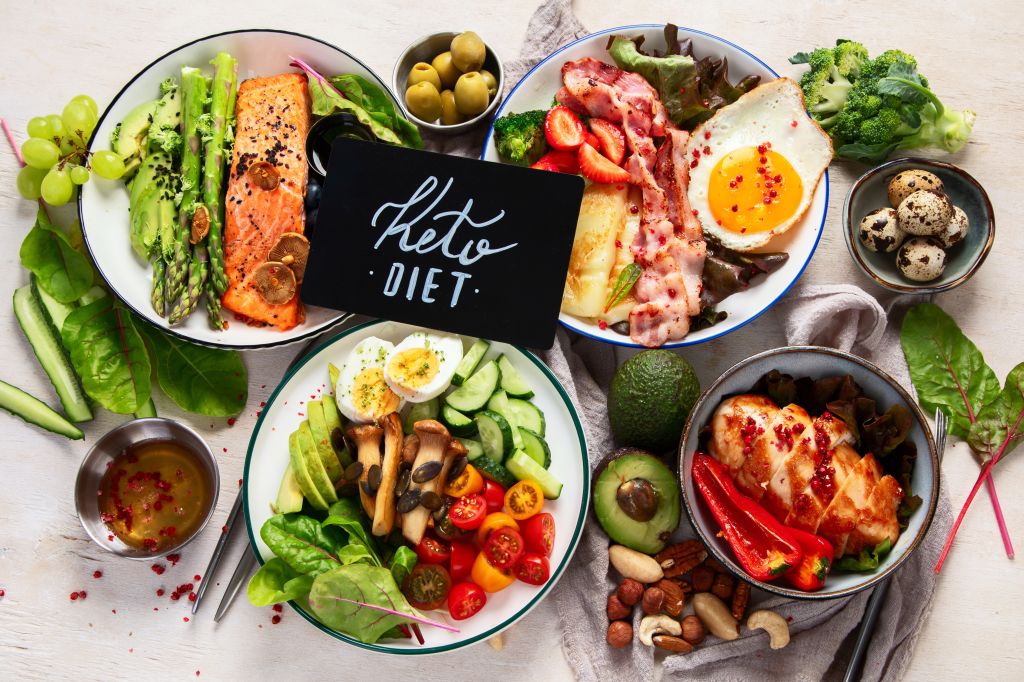
1. Follow Healthy Keto®
A nutritious high-fat diet such as Healthy Keto® promotes optimal stomach acidity by providing essential nutrients required to produce hydrochloric acid, such as B vitamins, zinc, and potassium.
Stomach acid stimulates and promotes the flow and thinning of bile so it doesn’t turn into sludge. This supports optimal digestive functions and helps reduce the risk of bile reflux.
Consuming dietary fats also optimizes gallbladder function and regulates bile salt production. This plays an essential role in maintaining intestinal pH levels, which is critical for pyloric valve functions.
Though more research is needed on the efficacy of a ketogenic diet for bile reflux, evidence suggests that reducing carbohydrates may improve the severity of gastrointestinal disorders.
A study published in Digestive Diseases and Sciences concluded, “A very low-carbohydrate diet in obese individuals with GERD significantly reduces distal esophageal acid exposure and improves symptoms.”
2. Practice intermittent fasting
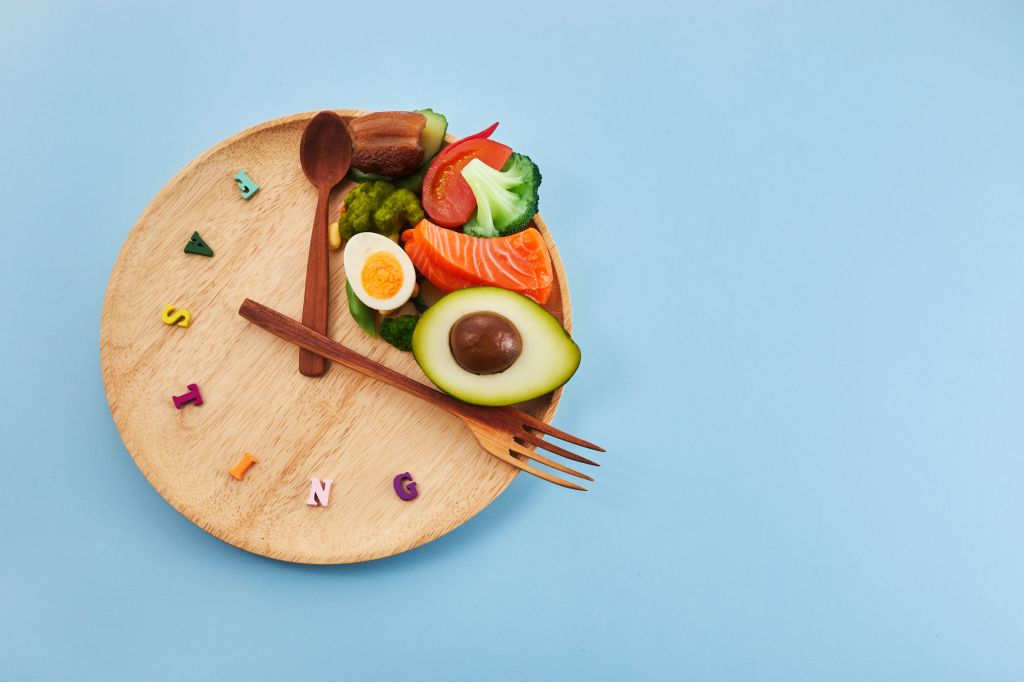
In addition to a low-carb diet, practicing intermittent fasting, which involves periods of time-restricted eating and fasting, may support healthy digestion by giving the digestive system time to rest and reset.
This can help reduce the overproduction of bile and allow the body to better regulate bile flow, preventing it from backing up into the stomach and esophagus.
Intermittent fasting may also improve the function of the lower esophageal sphincter, reducing the likelihood of bile reflux episodes.
Combining Healthy Keto with intermittent fasting also supports a balanced microbiome by limiting sugars and carbs, which fuel the growth of potentially harmful gut microbes.
A balanced microbiome is essential for supporting optimal digestive processes, bile flow, pH levels, and intestinal muscle function, all of which are crucial for proper pyloric valve function.

When to talk to your doctor
Information related to bile reflux should be discussed with a healthcare provider to determine suitability based on individual health needs.
Chronic inflammation of the stomach lining can increase the risk of ulcers, stomach cancer, esophageal cancer, and other complications.
Bile reflux gastritis, especially in mild cases, can often be managed with diet and lifestyle changes. However, if symptoms persist or worsen, it’s recommended to consult a healthcare provider for further evaluation.
Your doctor may perform a series of tests, including an upper endoscopy exam, to determine the presence of inflammation, tissue damage, and bile in the esophagus, stomach, or small intestine.
Key takeaways
Bile reflux occurs when bile flows into the stomach and esophagus, triggering symptoms such as nausea, a bitter or burning sensation in the throat, abdominal pain, and irritation of the stomach lining.
This common gut disorder is caused by a dysfunctional pyloric valve, which is often linked to poor dietary habits, gastrointestinal surgeries, ulcers, or obstructions in the digestive tract.
A nutritious low-carb diet, such as Healthy Keto, in combination with intermittent fasting, can help support digestive health by promoting bile flow and supporting a balanced gut microbiome.
FAQ
- 1. What is bile reflux?
- 2. How do I know if I have bile reflux?
- 3. What causes bile to come up?
- 4. Is bile reflux the same as acid reflux?
- 5. Does drinking water help with bile reflux?
Sources
- Kruis W, Forstmaier G, Scheurlen C, Stellaard F. Effect of diets low and high in refined sugars on gut transit, bile acid metabolism, and bacterial fermentation. Gut. 1991;32(4):367-71. https://pmc.ncbi.nlm.nih.gov/articles/PMC1379072/
- Austin GL, Thiny MT, Westman EC, Yancy WS, Shaheen NJ. A very low-carbohydrate diet improves gastroesophageal reflux and its symptoms. Dig Dis Sci. 2006;51(8):1307-12. https://pubmed.ncbi.nlm.nih.gov/16871438/
Related Articles
-
Food Intolerance Symptoms and How to Identify Patterns
 Digestive health
Food Intolerance Symptoms and How to Identify Patterns
At a glance Food intolerance symptoms can be difficult to connect to a particular food because they don’t always happen immediately after eating. Reactions may depend on portion size, food…07/30/2026 -
Sugar Alcohols: What They Are and How They Affect Digestion
 Food and Drink
Sugar Alcohols: What They Are and How They Affect Digestion
At a glance Sugar alcohols are low-calorie sweeteners commonly used in sugar-free foods, chewing gum, desserts, and other processed foods. Unlike regular sugar, many sugar alcohols are not fully absorbed…05/21/2026 -
Food Preservatives: Types, Safety, and Health Effects
 Nutrition
Food Preservatives: Types, Safety, and Health Effects
At a glance Food preservatives are common additives in packaged and processed food products that help extend shelf life and prevent spoilage. While some preservatives are derived from natural sources…04/03/2026 -
6 Natural Remedies for H. Pylori
 Health concerns
6 Natural Remedies for H. Pylori
At a glance Helicobacter pylori (H. pylori) is a common pathogen that infects the stomach and increases the risk of ulcers and other gastrointestinal symptoms. While conventional treatment relies on…03/19/2026 24.6k views -
How to Kill Parasites: 7 Natural Tips
 Health concerns
How to Kill Parasites: 7 Natural Tips
At a glance Parasitic infections occur when worms or protozoa colonize the body, often through exposure to contaminated pets, food, or water. These organisms can interfere with digestion and other…03/13/2026 15.1k views -
Natural Flavors vs. Artificial Flavors
 Nutrition
Natural Flavors vs. Artificial Flavors
At a glance Both natural and artificial flavors are widely used in everyday food products to enhance their taste and aroma. It’s generally known that artificial flavoring substances are linked…03/12/2026 -
What Causes Pale Colored Stool?
 Health concerns
What Causes Pale Colored Stool?
At a glance Pale-colored stool can be linked to low bile flow, low-fat diets, alcohol use, infections, or underlying liver, gallbladder, or pancreatic issues. Supporting gallbladder function through a nutritious…02/26/2026 14.9k views -
3 Benefits of Oral Probiotics–And How To Use Them
 Digestive health
3 Benefits of Oral Probiotics–And How To Use Them
At a glance Oral probiotics are beneficial microbes that help maintain a balanced environment in the mouth, promoting strong teeth, healthy gums, and fresher breath. Supporting a diverse oral microbiome…02/20/2026 6.3k views -
What Is the Top Cause of Rosacea?
 Health concerns
What Is the Top Cause of Rosacea?
At a glance Rosacea is a chronic skin condition marked by facial redness and discomfort. The cause of rosacea extends beyond the skin, with growing research highlighting the connection between…02/20/2026 8.1k views -
Carnivore Diet: Weight Loss Tips, Benefits, and Risks
 Diet
DietCarnivore Diet: Weight Loss Tips, Benefits, and Risks
At a glance The carnivore diet relies solely on animal-based foods, eliminating all plants and carbohydrate sources. This shift can support weight regulation, stabilize blood sugar levels, and help lower…02/20/2026 5.3k views


