


At a glance
Pale-colored stool can be linked to low bile flow, low-fat diets, alcohol use, infections, or underlying liver, gallbladder, or pancreatic issues. Supporting gallbladder function through a nutritious high-fat diet, consuming bitter herbs and choline-rich foods, and practicing intermittent fasting can help optimize bile flow, improve fat digestion, and promote normal stool color.
The color of your stool can provide valuable insights into your body’s ability to absorb nutrients and overall digestive health.
While occasional pale stools can be linked to recent meals, chronically pale or clay-colored stools can indicate an underlying imbalance, such as impaired bile production or flow.
Discover potential causes of pale-colored stool and learn how to support digestive health naturally.
What is pale stool?
Steatorrhea, the medical term for pale stools, refers to bowel movements that are noticeably lighter in color than normal brown stool.
Rather than appearing medium to dark brown, pale stool may be light tan, gray, off-white, or clay-colored. In more severe cases, pale stool may appear completely colorless, reflecting a significant reduction or absence of bile pigments in the digestive tract.
Pale stool is also often associated with changes in consistency and appearance, including:
- Bulkiness
- Increased tendency to float
- Oily or shiny texture
- Soft or loose consistency
While occasional changes in bowel habits are often linked to recent dietary choices, persistently pale stools aren’t normal and can indicate an imbalanced biliary system, which plays a vital role in bile production, storage, and release.
Watch the video below to learn more about the common causes of pale stool.
Potential causes of pale colored stool
Bile is a yellowish-green digestive fluid produced by the liver and stored in the gallbladder, and it contains the pigment bilirubin, a byproduct of red blood cell breakdown.
As bile passes through the intestines, gut bacteria convert bilirubin into stercobilin, the compound that gives stool its normal brown color. When bile production or flow is reduced, this process is disrupted, which can lead to pale or light-colored stool.
Here are six potential causes of impaired bile flow and pale poop.
1. Liver disease
Conditions such as hepatitis, non-alcoholic fatty liver disease (NAFLD), or other forms of liver dysfunction can reduce bile secretion.
When bile output is reduced, fewer bilirubin pigments reach the intestines, which can cause pale or clay-colored stools.
Pale, fatty stools linked to liver disease or liver inflammation may also occur alongside symptoms such as dark urine or yellowing of the skin and eyes, a condition commonly known as jaundice.
These symptoms indicate poor liver function and develop when bilirubin accumulates in the bloodstream instead of being excreted via bile.
2. Poor dietary habits
Because the gallbladder requires dietary fat to contract and release bile, diets low in healthy fats but high in refined carbohydrates and sugar can reduce bile release, leading to a sluggish gallbladder and reduced bile flow.
Fructose is a simple carbohydrate sugar found in fruit, honey, table sugar, as well as many processed foods in the form of high-fructose corn syrup. This sugar has been shown to promote fat accumulation in the liver, which can directly impair bile production.
In addition, a study published in The Journal of Nutritional Biochemistry found that excessive fructose intake alters gut bacteria diversity and bile acid metabolism, interfering with the normal flow of bile into the intestines and exacerbating digestive issues.
3. Gallbladder disease and bile duct issues
The gallbladder stores bile and releases it through the bile ducts into the small intestine to aid the digestion of fats and fat-soluble nutrients.
Biliary obstructions, such as gallbladder stones, inflammation, scarring, or tumors, can prevent bile from reaching the digestive tract, increasing the risk of pale stool.
Gallbladder issues and blocked bile ducts may also lead to symptoms such as abdominal pain on the right side, dark urine, jaundice, fever, itching, nausea, and vomiting as bile pigments accumulate in the blood.
4. Excessive alcohol consumption
Chronic alcohol use can damage liver cells and impair bile production and flow, potentially causing pale stools.
This explains why some cases of pale stool can be an early indicator of cholestasis, a condition characterized by bile buildup in the liver.
Evidence published in The American Journal of Pathology concluded, “Cholestasis refers to an impairment in bile formation or flow, leading to clinical symptoms, such as fatigue, pruritus, and jaundice. Cholestasis and biliary dysfunction are commonly seen in patients with alcohol-associated hepatitis and can significantly worsen the prognosis.”
Over time, this disruption in bile flow can contribute to severe liver problems, including alcohol-related liver disease, liver failure, and the potential need for a liver transplant.
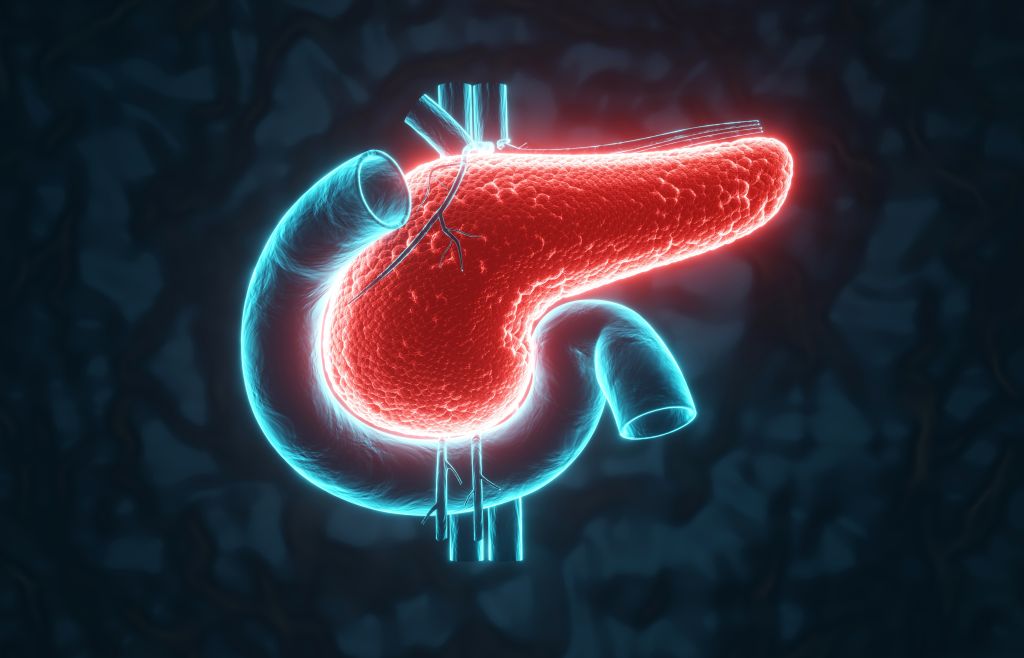
5. Pancreatic enzyme disorders
The pancreas produces and releases digestive enzymes that help break down fats, proteins, and carbohydrates.
Conditions such as exocrine pancreatic insufficiency (EPI), chronic pancreatitis, or pancreatic cancer can impair enzyme production, preventing the body from properly absorbing fats and other essential nutrients.
This often leads to pale, greasy, and foul-smelling stools that are difficult to flush, along with symptoms such as bloating, abdominal discomfort, and gas.
6. Bacterial infections
Certain bacteria, such as those that cause gastroenteritis, also known as stomach flu, can sometimes lead to pale or white stools.
These infections, typically linked to Salmonella, Escherichia coli (E. coli), Shigella, and Campylobacter, inflame the stomach and intestines, temporarily inhibiting bile secretion.
Research published in Infection and Immunity found that Escherichia-Shigella and Veillonella infections were strongly associated with white stool, likely due to their microbial ability to hydrolyze conjugated bile salts.
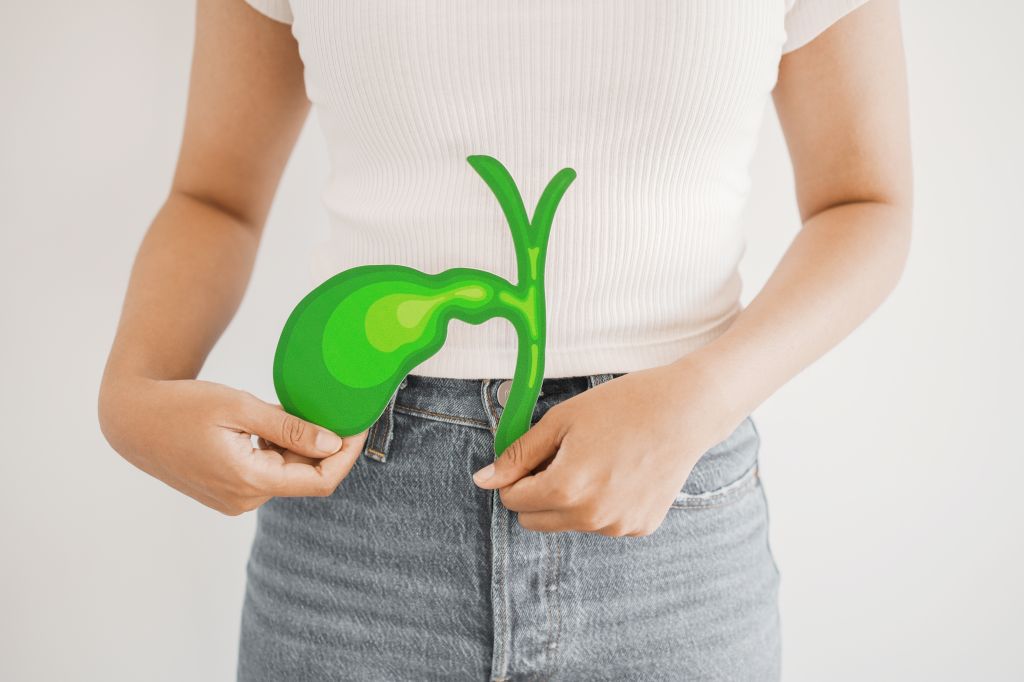
Can pale stool be prevented?
Bile plays a central role in digestion and maintaining a normal stool color, and adopting dietary and lifestyle habits that support healthy liver and gallbladder functions can help reduce the risk of pale-colored stool.
Here are three tips to support optimal bile flow and digestive health.
1. Adopt a nutrient-focused high-fat diet
Following a nutritious ketogenic diet, such as Healthy Keto®, that emphasizes nourishing fatty foods, such as olive oil, avocados, eggs, grass-fed butter, and fatty cuts of meat, helps stimulate regular gallbladder contraction and bile release.
“A high-fat diet triggers cholecystokinin, a hormone that signals the gallbladder to contract and release bile in response to fatty acids,” explains Dr. Berg. “This increases bile acid delivery to the small intestine, supporting efficient fat digestion and helping maintain healthy stool color.”
2. Incorporate bile-stimulating foods
In addition to healthy fats, green leafy vegetables, such as spinach, kale, and collard greens, and bitter herbs, including dandelion greens, arugula, and chicory, contain compounds that support bile flow and liver health.
Foods such as broccoli, Brussels sprouts, cauliflower, and eggs are rich sources of choline, a building block of phosphatidylcholine, which helps increase bile production and maintain its fluidity.
3. Practice intermittent fasting
Intermittent fasting, which involves alternating between time-restricted periods of eating and fasting, can help optimize bile secretion and reduce the risk of pale or greasy stools.
Periods of fasting allow bile to accumulate and concentrate in the gallbladder between meals, which can increase bile concentration and release when food is consumed.
When to talk to your doctor
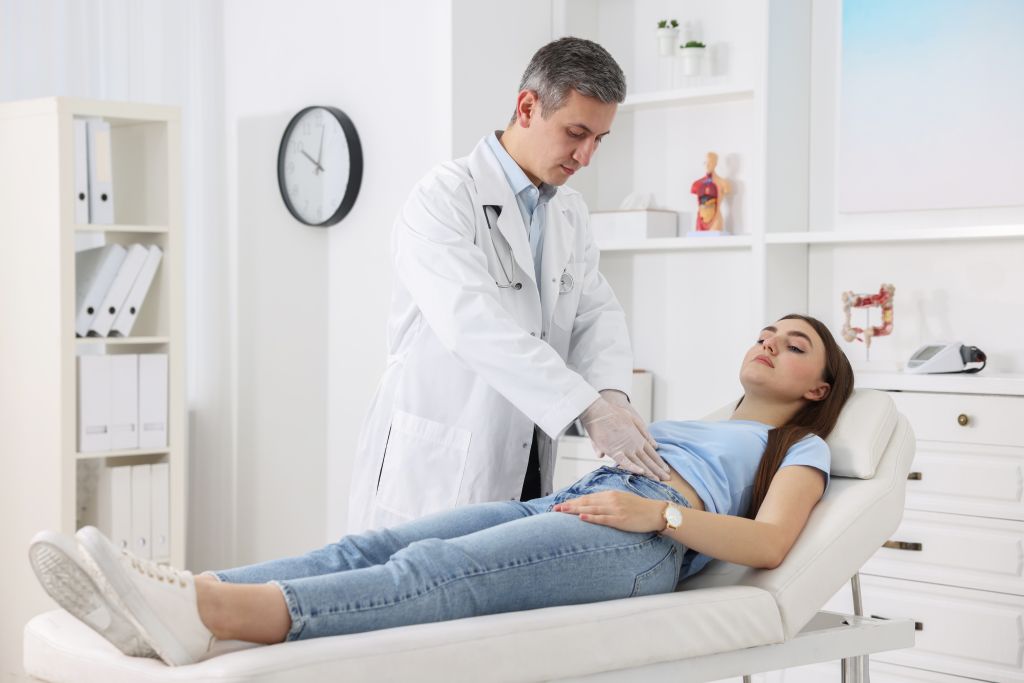
Consult your healthcare provider if pale stools persist for more than a few days, especially if accompanied by symptoms such as jaundice, severe abdominal pain, or extreme fatigue, which may indicate underlying health issues.
When diagnosing pale stool, your doctor will likely review your symptoms, diet, and medications, and may order blood tests to assess liver function and rule out infection. Ultrasounds, computer tomography (CT) scans, or magnetic resonance imaging (MRI) may also be utilized to evaluate the bile ducts, liver, and pancreas.
In some cases, doctors may perform an endoscopic retrograde cholangiopancreatography (ERCP) to identify a potential bile duct blockage, liver disease, or pancreatic disorders linked to pale stools.
Treatment typically involves medication and lifestyle changes or additional procedures to restore healthy bile flow and stool color.
Key takeaways
- Pale-colored stool usually indicates that bile flow is impaired and bile pigments aren’t reaching the intestines.
- Common causes include liver disease, gallbladder or bile duct obstructions, pancreatic disorders, bacterial infections, or chronic alcohol consumption.
- Diets low in fat but high in carbohydrates and sugars can also impair bile production and flow, potentially contributing to light-colored stools.
- Adopting a Healthy Keto diet, prioritizing leafy greens and bitter herbs, as well as practicing fasting, may help support bile flow and healthy stool color.
FAQ
- 1. What causes pale colored stool?
- 2. Is pale colored stool serious?
- 3. Can bacteria cause pale stool?
- 4. Can changing your diet change the color of your stool?
- 5. Are pale stools normal?
Sources
- Zhang D, Wang H, Liu A, et al. The chronic consumption of dietary fructose promotes the gut Clostridium species imbalance and bile acid alterations in developing nonalcoholic fatty liver disease. J Nutr Biochem. 2023;121:109434. doi:10.1016/j.jnutbio.2023.109434
- Cholestasis in Alcohol-Associated Liver Disease. sciencedirect.com.
- Gut Microbiome Analysis Identifies Potential Etiological Factors in Acute Gastroenteritis. pmc.ncbi.nlm.nih.gov.
Related Articles
-
Digestive Enzyme Supplements: Forms and How to Choose
 Nutrition
Digestive Enzyme Supplements: Forms and How to Choose
At a glance Digestive enzymes help facilitate the breakdown of food into nutrients the body can absorb and use for energy and essential bodily functions. Digestive enzyme supplements are available…10/01/2026 -
How Does Sugar Affect Digestion?
 Digestive health
How Does Sugar Affect Digestion?
At a glance Sugar is a carbohydrate that the digestive system breaks down into simple molecules for absorption and energy use. While this is a normal part of metabolism, sugar…09/24/2026 -
Food Intolerance Symptoms and How to Identify Patterns
 Digestive health
Food Intolerance Symptoms and How to Identify Patterns
At a glance Food intolerance symptoms can be difficult to connect to a particular food because they don’t always happen immediately after eating. Reactions may depend on portion size, food…07/30/2026 -
Sugar Alcohols: What They Are and How They Affect Digestion
 Food and Drink
Sugar Alcohols: What They Are and How They Affect Digestion
At a glance Sugar alcohols are low-calorie sweeteners commonly used in sugar-free foods, chewing gum, desserts, and other processed foods. Unlike regular sugar, many sugar alcohols are not fully absorbed…05/21/2026 -
Food Preservatives: Types, Safety, and Health Effects
 Nutrition
Food Preservatives: Types, Safety, and Health Effects
At a glance Food preservatives are common additives in packaged and processed food products that help extend shelf life and prevent spoilage. While some preservatives are derived from natural sources…04/03/2026 -
6 Natural Remedies for H. Pylori
 Health concerns
6 Natural Remedies for H. Pylori
At a glance Helicobacter pylori (H. pylori) is a common pathogen that infects the stomach and increases the risk of ulcers and other gastrointestinal symptoms. While conventional treatment relies on…03/19/2026 24.6k views -
How to Kill Parasites: 7 Natural Tips
 Health concerns
How to Kill Parasites: 7 Natural Tips
At a glance Parasitic infections occur when worms or protozoa colonize the body, often through exposure to contaminated pets, food, or water. These organisms can interfere with digestion and other…03/13/2026 15.1k views -
Natural Flavors vs. Artificial Flavors
 Nutrition
Natural Flavors vs. Artificial Flavors
At a glance Both natural and artificial flavors are widely used in everyday food products to enhance their taste and aroma. It’s generally known that artificial flavoring substances are linked…03/12/2026 -
3 Benefits of Oral Probiotics–And How To Use Them
 Digestive health
3 Benefits of Oral Probiotics–And How To Use Them
At a glance Oral probiotics are beneficial microbes that help maintain a balanced environment in the mouth, promoting strong teeth, healthy gums, and fresher breath. Supporting a diverse oral microbiome…02/20/2026 6.3k views -
What Is the Top Cause of Rosacea?
 Health concerns
What Is the Top Cause of Rosacea?
At a glance Rosacea is a chronic skin condition marked by facial redness and discomfort. The cause of rosacea extends beyond the skin, with growing research highlighting the connection between…02/20/2026 8.1k views


