


At a glance
Certain processed foods are engineered to stimulate the brain’s reward system, making them especially addictive. Understanding what makes these foods so compelling, along with the potential health drawbacks of regularly consuming them, can help you recognize cravings more clearly and adopt nutritional strategies that support better appetite control and healthier long-term eating habits.
Cravings for sugary snacks, chips, ice cream, and other junk food can sabotage your health and wellness goals.
Understanding how certain foods are purposefully engineered to hijack your brain’s reward system is key to breaking free from these cravings.
Learn about the seven most addictive foods in the world and discover how simple dietary and lifestyle changes can help overcome food addiction.
The 7 most addictive foods
Sugar and refined carbs are some of the most addictive ingredients, and when combined with salt and seed oils, they become nearly impossible to resist.
From an evolutionary standpoint, the human reward system is designed to seek out this combination of ingredients as they were once crucial for survival, providing quick energy and helping us store fat for periods of scarcity.
However, food companies now exploit this natural response to their advantage. They specifically design products to trigger the brain’s reward system and provide a temporary sense of pleasure that makes you overeat and return for more.
This cycle drives food addiction, keeping consumers hooked on unhealthy processed foods while allowing manufacturers to profit from cravings and dependence. Research using tools like the Yale Food Addiction Scale highlights how these foods are scientifically linked to addictive eating behaviors, providing a framework to better understand food dependency.
These are the top addictive foods in the world:
- Pizza
- Chocolate
- Potato chips
- Cookies
- Ice cream
- French fries
- Cheeseburgers
These highly addictive foods all share one common key ingredient: refined carbohydrates.
While carbs and sugars provide a temporary sense of pleasure, their detrimental health effects have been well established.
Additionally, these addictive foods are often energy-dense, and their irresistible nature promotes overeating, resulting in the consumption of excessive amounts of calories, weight gain, and associated health issues.
Research published in Nutrients underscores the significant impact of refined carbohydrates on health, linking them to an increased risk of diabetes, heart disease, mood disorders, cancer, and asthma, all of which profoundly affect both longevity and quality of life.
Given the short-lived pleasure these foods offer and the serious long-term health risks they pose, making healthier food choices is essential for lasting well-being.
Watch the video below to discover the most addictive food.
Food addiction explained
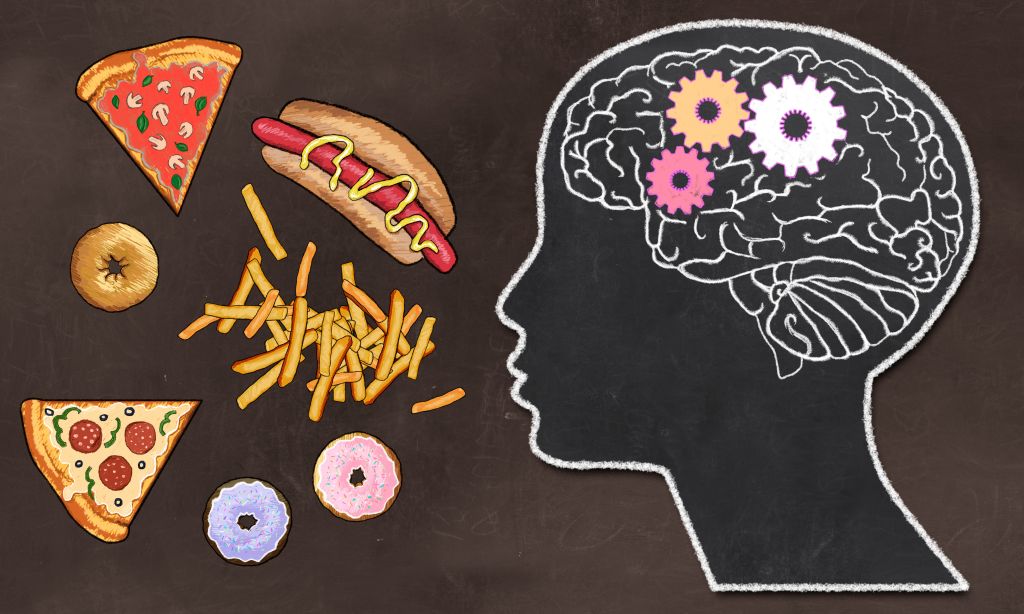
Food addiction originates in the nucleus accumbens, a part of the brain responsible for regulating the body’s reward system by releasing feel-good chemicals such as dopamine, serotonin, and gamma-aminobutyric acid (GABA).
When stimulated by other substances such as drugs, alcohol, sugar, or even cheese, the nucleus accumbens triggers the release of these pleasure-inducing chemicals, creating a temporary sense of euphoria.
However, the repeated overstimulation of this system, such as regularly consuming sugary and processed foods, can dysregulate the body’s reward circuits.
Over time, dopamine receptors in the brain become desensitized, requiring larger quantities of the addictive substance to achieve the same satisfaction. This vicious cycle mirrors drug addiction, driving intense cravings that override concerns about nutrition and long-term health.
How to cope with food addiction
Managing and overcoming food addiction requires adopting dietary and lifestyle changes that help reset the brain’s reward system, promoting natural dopamine production without dependence on sugar or refined carbohydrates.
Here are four steps that help cope with and overcome food addiction.
1. Follow Healthy Keto®
Following a nutritious low-carb diet, such as Healthy Keto®, limits addictive carbohydrates and avoids added sugars while maintaining satiety and fullness through healthy fats and high-quality protein sources.
A study published in the International Journal of Environmental Research and Public Health investigated the benefits of a ketogenic diet in the management of food addiction.
The researchers concluded, “Findings have highlighted a potential therapeutic role of ketogenic diets for the treatment of addiction to high-calorie, ultra-processed and high-glycemic food. Our pilot study demonstrates the feasibility of a ketogenic diet in women with addictive-like eating disorders seeking to lose weight.”
2. Practice intermittent fasting
Combining Healthy Keto with intermittent fasting is a powerful strategy for overcoming food addiction.
Extending periods without eating helps regulate hunger hormones, stabilize blood sugar levels, and reduce cravings by allowing the body to reset its natural appetite signals.

3. Maintain optimal vitamin D levels
Vitamin D deficiency has been linked to increased food cravings due to its role in regulating mood, appetite, and the brain’s reward system.
Low vitamin D levels can disrupt the production of serotonin and dopamine, leading to heightened cravings for sugar and carbohydrates as the body seeks to compensate for the lack of feel-good chemicals.
Since vitamin D is difficult to obtain from food and many people have limited sunlight exposure, deficiency is widespread. Supplementing with vitamin D3 is a practical and effective way to maintain healthy levels.
4. Engage in physical activity
Physical activity is critical in combating food addiction by reducing stress, boosting mood through the release of endorphins, and providing a healthy distraction from cravings.
Incorporating regular physical activity, such as walking, stretching, and cardiovascular or strength training, supports emotional balance and helps regulate appetite, making it easier to establish healthy eating patterns.
Key takeaways
- Some of the most addictive foods, including pizza, chocolate, chips, ice cream, and cheeseburgers, are purposefully engineered to stimulate the brain’s reward system and drive cravings.
- A nutritious low-carbohydrate diet such as Healthy Keto, combined with intermittent fasting, can help stabilize appetite signals, reduce cravings, and support better control over food choices.
- Lifestyle strategies such as maintaining healthy vitamin D levels and engaging in regular physical activity can further support reward-system balance, help regulate mood, and make it easier to maintain healthier eating patterns.
FAQ
- 1. Why are processed foods so addictive?
- 2. What foods are actually addictive?
- 3. Why are some foods addictive?
- 4. Can any food be addictive?
- 5. What’s the most addictive ingredient in food to eat?
- 6. What are the least addictive foods to eat?
- 7. How can I overcome food addiction?
- 8. Why am I addicted to chocolate?
- 9. Why are snacks so addictive?
- 10. What is the least addictive ingredient in food to eat?
Sources
Related Articles
-
Potato Bread vs. White Bread – What’s the Healthier Choice?
 Diet
DietPotato Bread vs. White Bread – What’s the Healthier Choice?
At a glance Potato bread and white bread differ slightly in ingredients, but both are high in refined carbohydrates that spike blood sugar and offer limited nutritional value. Many store-bought…12/05/2025 5.8k views -
How Diet and Nutrition May Impact ADHD
 Health concerns
How Diet and Nutrition May Impact ADHD
At a glance ADHD involves a combination of behavioral patterns that can impact daily functioning, and dietary habits may influence the severity of these symptoms. Nutrient deficiencies, food additives, and…04/09/2025 23.4k views -
Hypothyroidism Diet: What to Eat and Avoid
 Health concerns
Hypothyroidism Diet: What to Eat and Avoid
At a glance Hypothyroidism refers to underactive thyroid function, which causes a slow metabolism and disrupts hormonal balance. A targeted hypothyroidism diet emphasizes nutrient-dense foods rich in iodine, selenium, and…04/09/2025 19.2k views -
Is 5 Hour Energy Bad for You? Energy Drinks on Keto
 Keto
KetoIs 5 Hour Energy Bad for You? Energy Drinks on Keto
At a glance 5-Hour Energy may promise quick results, but it relies on synthetic stimulants that place stress on the body and may contribute to unwanted side effects. Addressing the…04/09/2025 12.2k views -
Olive Oil vs. Soybean Oil: Which Is Better?
 Nutrition
Olive Oil vs. Soybean Oil: Which Is Better?
At a glance Olive oil, especially extra virgin olive oil (EVOO), is a nutrient-rich source of healthy fats, antioxidants, and polyphenols that help support heart and metabolic health. In contrast,…04/09/2025 8.5k views -
What Is the Classic Ketogenic Diet?
 Keto
KetoWhat Is the Classic Ketogenic Diet?
At a glance While the classic ketogenic diet is effective for achieving ketosis, it often lacks guidance on nutrient-dense foods, which can lead to deficiencies over time. Healthy Keto® builds…04/09/2025 7.4k views -
Is Polydextrose Keto?
 Diet
DietIs Polydextrose Keto?
At a glance Polydextrose is a synthetic carbohydrate often added to processed low-carb or keto-labeled products as a bulking agent. This highly processed compound is typically made from genetically modified…04/09/2025 40.9k views -
5 Natural Remedies for Dry Skin
 Health concerns
5 Natural Remedies for Dry Skin
At a glance Dry skin occurs when the skin’s protective barrier becomes damaged, leading to tightness, itching, or rough patches. Common causes include harsh soaps, extreme temperatures, low-fat diets, and…04/08/2025 6.6k views -
Is Textured Vegetable Protein Healthy?
 Nutrition
Is Textured Vegetable Protein Healthy?
At a glance Textured vegetable protein (TVP) is a processed soy product developed as a meat substitute and commonly found in vegan and vegetarian foods. While it provides protein, heavy…04/08/2025 2.5k views -
The Dirty Keto Diet: What Is It and Should You Do It?
 Keto
KetoThe Dirty Keto Diet: What Is It and Should You Do It?
At a glance The dirty keto diet, or lazy keto, limits carbohydrates to promote fat burning but doesn’t emphasize food quality or nutrient density. While it can support ketosis and…04/08/2025 2.2k views


