

At a glance
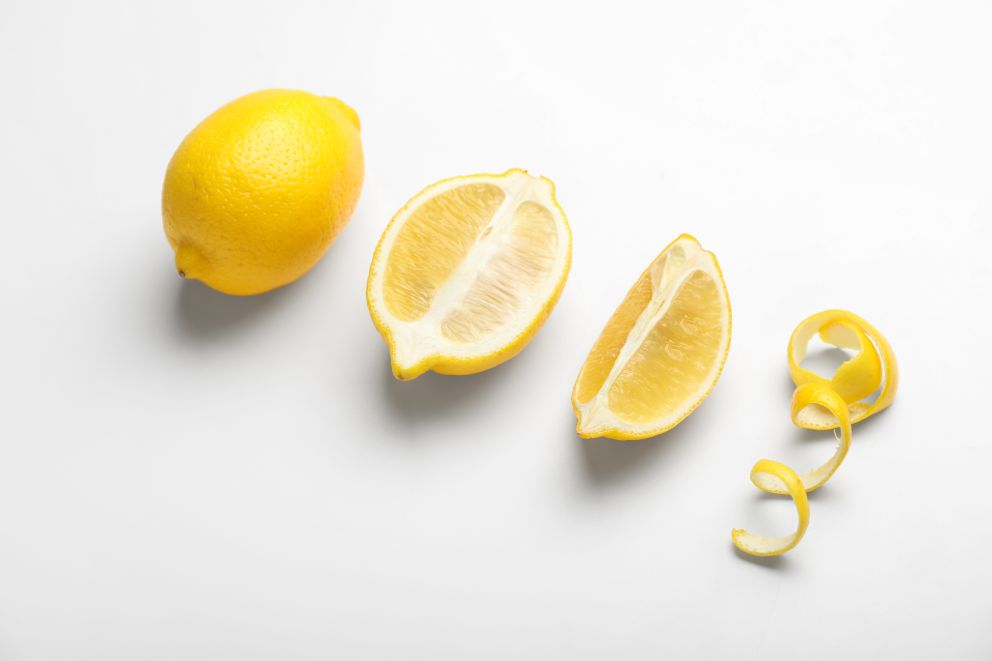
Lemon peel is a concentrated source of vitamins, minerals, and bioflavonoids that support liver, metabolic, and cardiovascular health. Because it’s rich in compounds such as eriocitrin and apigenin, using lemon peel offers antioxidant and antimicrobial properties beyond those found in lemon juice alone.
Most people know that the juice and pulp of citrus fruits, such as lemons, are rich sources of immune-boosting vitamin C.
But did you know that the seeds, pith, and peel of lemons also offer significant nutritional benefits and household uses?
Here are five surprising lemon peel benefits and practical tips and tricks for using lemon peel to improve your health and wellness.
5 benefits of lemon peel
Lemons, scientifically known as Citrus limon, are used worldwide for cooking, cleaning, and creating fragrances.
While all parts of lemons offer nutritional advantages, lemon peels are exceptionally rich sources of essential vitamins, minerals, and bioactive nutrients, including phenols and flavonoids.
These plant compounds provide many benefits, such as supporting metabolic health, reducing the risk of fatty liver disease, and serving as a potent antimicrobial agent.
Here are five impressive health benefits of lemon peel.
1. Supports liver health
Excess fat in liver cells, often linked to poor dietary habits, obesity, and a sedentary lifestyle, is the primary characteristic of non-alcoholic fatty liver disease (NAFLD).
According to a report published by the American Liver Foundation (ALF), it’s estimated that around 25 percent of U.S. adults have some degree of fatty liver disease.
NAFLD is a serious and potentially life-threatening condition that, if left unmanaged, can progress to more severe liver conditions and even liver cancer.
Research published in Scientific Reports found that eriocitrin, a flavonoid in lemon peel, appeared to show therapeutic potential in reducing diet-induced liver fat.
It’s believed that this effect is due to eriocitrin’s role in activating genes involved in mitochondrial biogenesis, a critical process that enhances the liver’s capacity to process and metabolize fat.
These findings suggest that lemon peel, which is a particularly rich source of eriocitrin, may offer a promising strategy to manage liver fat.
2. Offers potential anticancer properties
Evidence published in Pharmacological Research found that lemon consumption is associated with a lower risk of cancer, highlighting its potential role as a chemoprotective agent.
Apigenin, a bioactive flavonoid found in lemon peel, has antioxidant and cell-protective properties. It’s believed that apigenin may help support normal cellular function and protect against oxidative damage and the development of cancer.
3. Promotes metabolic health
Balanced blood sugar regulation is crucial to prevent obesity, high blood pressure, and abnormal cholesterol levels.
Research published in Nutrition and Food Science Technology highlights the ability of citrus peel to positively affect blood sugar balance and, therefore, may support metabolic health.
According to the study, flavonoids found abundantly in citrus peel “can help regulate metabolic syndrome and type 2 diabetes, as manifested by α-glucosidase inhibition, insulin sensitization, and decreased blood lipid levels.”
Maintaining metabolic health helps lower the risk of metabolic syndrome, a cluster of metabolic imbalances linked to the development of type 2 diabetes and cardiovascular disease.

4. Supports cardiovascular health
In addition to supporting liver health, the lemon peel-derived flavonoid eriocitrin can help protect the integrity of blood vessels.
According to a study published in Biomedicine & Pharmacotherapy, eriocitrin has shown significant effects in preventing the hardening and narrowing of arteries, a condition known as atherosclerosis.
Atherosclerosis is linked to a significantly increased risk of high blood pressure, heart attacks, and stroke.
5. Antibacterial effects
Lemon peel contains flavonoids that have been shown to possess potential antibacterial and antimicrobial properties, including against antibiotic-resistant bacteria.
A study published in Food Control found that lemon peel was particularly effective at inhibiting the growth of common foodborne pathogens, including Listeria monocytogenes, Staphylococcus aureus, and Salmonella enterica.
This has been confirmed by evidence published in the Journal of Food Science and Technology, which further demonstrated the antibacterial value of lemon peel.
These findings support the use of lemon peel in oral care products, as a natural food preservative, and for other antibacterial applications, such as cleaning and sanitation products.
Watch this video to learn more about the amazing benefits of eating whole lemons.
How to use lemon peel
When using lemons, it’s crucial to choose organic lemons to avoid harmful chemicals and pesticides. It’s equally important to thoroughly wash lemon peel to remove any potential residues or contaminants.
Lemon zest, which is finely grated lemon peel, is a common ingredient in many recipes.
It adds a bright, citrusy flavor to various desserts:
- Keto Lemon Ricotta Cookies
- Keto Coconut Lemon Fat Bombs
- Keto Lemon Blueberry Muffins
- Lemon Cream and Blackberry Fat Bombs
- Keto-Friendly Pound Cake Muffins
Finely chopped lemon peel can also be used in savory dinners such as lemon garlic chicken and lemon pepper salmon, and can be added to salad dressings, marinades, and sauces for a tangy pop of flavor.
Lemon Blueberry Smoothie recipe
Consuming the pith, outer peel, and seeds, in addition to the juice, can maximize the benefits of eating lemons.
Including all components of lemons significantly boosts your vitamin C intake and offers a broad spectrum of phytonutrients that work together to support overall health.
One of the easiest ways to do this is to blend the whole lemon into a refreshing beverage.
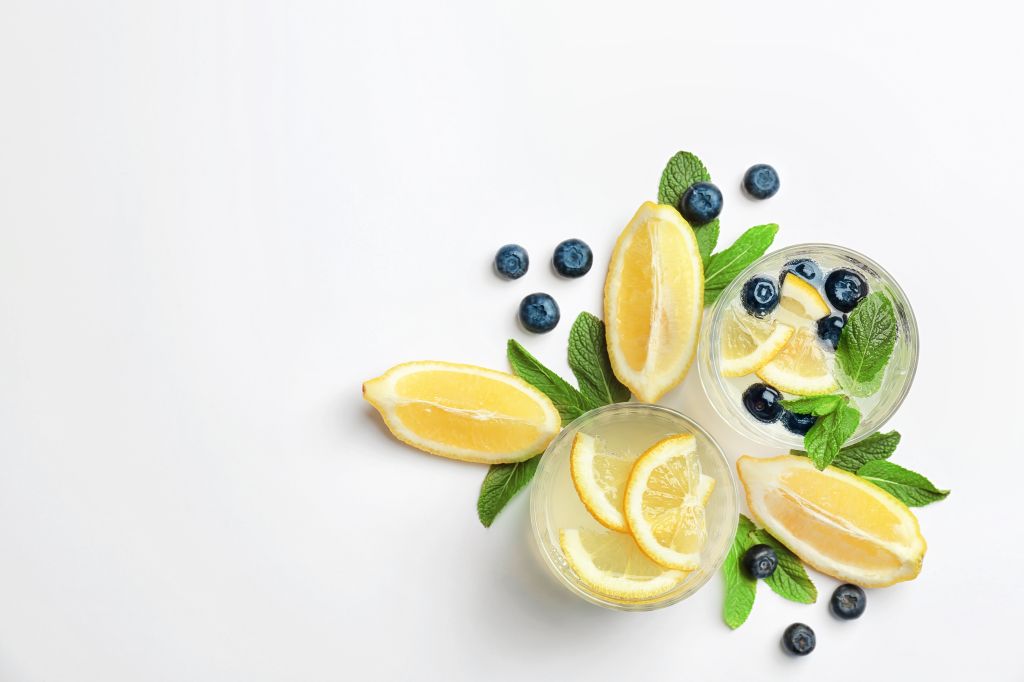
For a nutrient-packed drink, try this Lemon Blueberry Smoothie recipe.
Ingredients:
- 1 organic lemon, whole
- 8 ounces of water
- 5 to 10 drops liquid stevia or 1 cup frozen blueberries
Optional ingredients:
- 1 scoop electrolyte powder
- Splash apple cider vinegar
Directions:
- Add water and whole lemon to a blender.
- Add stevia or frozen blueberries, along with optional ingredients.
- If using sweetened electrolyte powder, adjust stevia or blueberries to taste.
- Blend for 30 to 45 seconds until desired texture.
- Serve immediately and enjoy!

Lemon peel nutrition facts
While lemon juice and pulp are well-known for their high vitamin C content, the peel also contains a wide array of other essential nutrients.
“The peel, the pith, and the seeds of a lemon contain five times more nutrition than the juice and the pulp,” explains Dr. Berg.
However, the nutritional value of lemons may vary depending on factors such as the specific variety and growing conditions.
Lemon peel is a rich source of various essential nutrients, including:
- Vitamin B1
- Vitamin B2
- Vitamin B6
- Vitamin C
- Folate
- Vitamin E
- Calcium
- Potassium
- Magnesium
- Copper

Other lemon peel uses
The valuable attributes of lemon peel extend beyond its nutritional use and have long been utilized for household applications, including cleaning and deodorizing.
Lemon peels can be used to create a natural, eco-friendly cleaning solution for your home. Simply, steep lemon peels in white vinegar for a few weeks, strain the liquid, and use it to clean surfaces such as countertops, sinks, and floors.
When combined, lemon’s citric acid and vinegar’s acetic acid help cut through grease and mineral buildup on various surfaces. Acetic acid also neutralizes odors, while lemon scent leaves your home smelling vibrant and clean.
Lemon peels can also be used as a natural air freshener and deodorizer. Boil lemon peels in water on the stove to fill your home with a pleasant, citrusy aroma. You can also toss used lemon peels in the garbage disposal to eliminate odors and keep your kitchen smelling fresh.
Rubbing lemon peel on faucets and other bathroom fixtures can help remove hard water stains, leaving them clean and shining.
However, be cautious when using lemon on porous material, as it can be corrosive to some surfaces if applied in excess or left on for extended periods.
Key takeaways
- Lemon peel contains high levels of flavonoids, including eriocitrin and apigenin, that support liver and metabolic health.
- Compounds in lemon peel help promote balanced blood sugar regulation and support cardiovascular function by protecting the integrity of blood vessels.
- Lemon peel exhibits antibacterial activity against common foodborne and oral bacteria.
- Consuming the peel provides a broader spectrum of nutrients than lemon juice alone.
- It’s best to use organic lemons and wash peels thoroughly to reduce exposure to residues.
FAQ
- 1. Is the peel of a lemon good for you?
- 2. What happens after you eat a lemon peel?
- 3. Is lemon peel good for the kidneys?
- 4. Is lemon peel anti-inflammatory?
- 5. Is drinking lemon juice good for you?
Sources
- MASH definition and prevalence. American Liver Foundation. Accessed 2026. https://liverfoundation.org/liver-diseases/fatty-liver-disease/nonalcoholic-steatohepatitis-nash/mash-definition-prevalence/
- Hiramitsu M, Shimada Y, Kuroyanagi J, et al. Eriocitrin ameliorates diet-induced hepatic steatosis with activation of mitochondrial biogenesis. Sci Rep. 2014;4(1):3708. https://pmc.ncbi.nlm.nih.gov/articles/PMC3892443/
- Wang J, Gao J, Xu HL, et al. Citrus fruit intake and lung cancer risk: A meta-analysis of observational studies. Pharmacol Res. 2021;166:105430. https://www.sciencedirect.com/science/article/abs/pii/S104366182100013X
- Li P, Yao X, Zhou Q, Meng X, Zhou T, Gu Q. Citrus peel flavonoid extracts: Health-beneficial bioactivities and regulation of intestinal microecology in vitro. Front Nutr. 2022;9. https://www.frontiersin.org/journals/nutrition/articles/10.3389/fnut.2022.888745/full#B11
- Yao L, Liu W, Bashir M, et al. Eriocitrin: A review of pharmacological effects. Biomed Pharmacother. 2022;152:113825. https://www.sciencedirect.com/science/article/pii/S0753332222009520
- Miyake Y, Hiramitsu M. Isolation and extraction of antimicrobial substances against oral bacteria from lemon peel. J Food Sci Technol. 2011;48(5):635-639. https://pmc.ncbi.nlm.nih.gov/articles/PMC3551112/
- Settanni L, Palazzolo E, Guarrasi V, et al. Inhibition of foodborne pathogen bacteria by essential oils extracted from citrus fruits cultivated in Sicily. Food Control. 2012;26(2):326-330. https://www.sciencedirect.com/science/article/abs/pii/S095671351200059X
Related Articles
-
Folic Acid vs. Folate: What’s the Difference?
 Nutrition
Folic Acid vs. Folate: What’s the Difference?
At a glance Folic acid and folate are two forms of vitamin B9 that differ in how the body absorbs and uses them. Folic acid is a synthetic form added…03/12/2026 2.3k views -
3 Incredible Health Benefits of Paprika
 Natural remedies
3 Incredible Health Benefits of Paprika
At a glance Paprika is a vibrant red spice derived from dried peppers that supports eye health, strengthens the immune system, and helps lower inflammation. In addition to its impressive…01/30/2026 9.5k views -
7 Incredible Dandelion Root Benefits
 Natural remedies
7 Incredible Dandelion Root Benefits
At a glance Despite being a weed, the roots of dandelions are a nutrient-rich herbal remedy with a long history of use in traditional medicine. Packed with vitamins, minerals, and…01/22/2026 28.5k views -
3 Unique Benefits of Rosemary
 Nutrition
3 Unique Benefits of Rosemary
At a glance Rosemary is a fragrant, nutrient-rich herb with potent antioxidant and anti-inflammatory compounds such as rosmarinic acid and carnosic acid. It supports cognitive function, helps relieve pain, and…01/22/2026 4.5k views -
4 Unique Health Benefits of Mustard
 Food and Drink
4 Unique Health Benefits of Mustard
At a glance Mustard is a low-calorie condiment made from nutrient-dense seeds that contain health-promoting compounds. As a member of the cruciferous vegetable family, mustard is a rich source of…01/15/2026 7.8k views -
9 Incredible Health Benefits of Cucumber
 Food and Drink
9 Incredible Health Benefits of Cucumber
At a glance Cucumbers are low-calorie, nutrient-rich vegetables that support hydration and overall health. Packed with vitamins, minerals, antioxidants, and fiber, they promote digestive health, healthy blood sugar, and glowing…01/15/2026 8.9k views -
Does Chocolate Have Caffeine?
 Food and Drink
Does Chocolate Have Caffeine?
At a glance Chocolate has varying amounts of caffeine, depending on how many cocoa solids it contains. Dark chocolate has the highest caffeine content, while milk chocolate contains much less,…01/08/2026 4.5k views -
Cilantro Benefits – 8 Reasons to Eat More Cilantro
 Health concerns
Cilantro Benefits – 8 Reasons to Eat More Cilantro
At a glance Cilantro is an aromatic herb rich in antioxidants, vitamins, and bioactive compounds that have been found to support multiple aspects of health. Regularly consuming cilantro may help…01/08/2026 5.6k views -
5 Amazing Health Benefits of Ginger
 Health concerns
5 Amazing Health Benefits of Ginger
At a glance Ginger is a nutrient-dense spice rich in potent phenolic compounds that support inflammation control, digestive comfort, and immune resilience. Incorporating ginger into your meals can also ease…12/18/2025 7.1k views -
Wormwood Benefits, Uses, and Side Effects
 Natural remedies
Wormwood Benefits, Uses, and Side Effects
At a glance Wormwood is a bitter medicinal herb traditionally used to support digestion, gallbladder function, and skin healing through its bioactive plant compounds. It also plays a role in…12/11/2025 6.3k views


