


At a glance
The kidneys are essential for eliminating waste, maintaining mineral balance, and regulating the body’s fluid levels. Targeted lifestyle changes and choosing nutrient-dense foods that help support kidney function while eliminating everyday renal stressors may support metabolic balance and promote kidney health.
Because the kidneys filter blood to remove waste and maintain fluid and electrolyte balance, what you eat and drink can significantly influence kidney health and long-term function.
Discover six of the best foods for kidney health, what foods to avoid, and simple lifestyle changes that support balanced renal functions.
What is the best diet to support the kidneys?
The kidneys contain millions of filtration units called nephrons, which process your entire blood volume several times a day—roughly 200 liters of fluid every 24 hours.
During this process, the kidneys process water, nutrients, and hormones, recycling what the body needs and eliminating excess and waste.
The kidneys are also endocrine organs, helping regulate the hormonal balance necessary to maintain fluid balance, oxygen delivery, blood pressure, and calcium metabolism.
“Since nearly everything you eat and drink enters the bloodstream and passes through the kidneys, your diet significantly affects their health and function,” explains Dr. Berg.
A diet high in sugar and refined carbohydrates can be particularly harmful to the kidneys, as it raises blood sugar levels. This can directly damage kidney blood vessels, increase inflammation, and contribute to impaired kidney function.
Furthermore, a diet high in processed foods is associated with increased blood pressure, placing additional strain on the kidneys and accelerating the risk of long-term kidney damage.
In fact, diabetes and high blood pressure are the two leading causes of chronic kidney disease (CKD) in adults, according to data published by the National Institute of Diabetes and Digestive and Kidney Diseases.
Therefore, eating patterns that limit carbohydrates and processed foods may help support kidney function more effectively than conventional high-carb diets.
Research published in Current Opinion in Endocrinology, Diabetes and Obesity found that low-carbohydrate diets in individuals with normal or mildly reduced kidney function were linked to improvements in multiple kidney health and cardiometabolic risk markers.
Watch the video to learn more about how food choices can impact kidney health.
6 foods to help improve kidney function
Prioritizing nutritious foods that provide antioxidants, electrolyte minerals, and other beneficial nutrients can play a vital role in supporting kidney health.
Here are six kidney-friendly foods that promote normal kidney function.
1. Low-oxalate vegetables
Oxalates are naturally occurring compounds found in many plant foods that bind to various minerals.
Because the kidneys filter dietary oxalates, high levels can combine with calcium to form calcium oxalate crystals, which are the most common type of kidney stone.
Following a low-oxalate diet can help limit oxalate crystal formation while still providing fiber, antioxidants, and nutrients, such as vitamins C and K, that support normal kidney function.
Vegetables naturally low in oxalates include asparagus, celery, lettuce, bell peppers, cabbage, and cauliflower.
2. Magnesium-rich foods
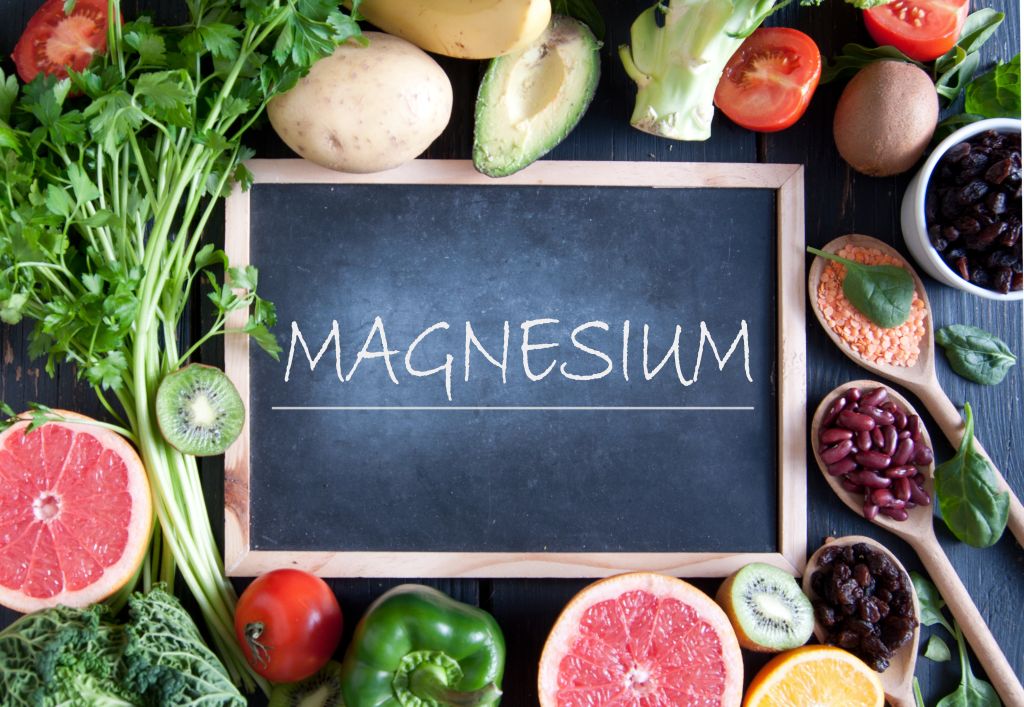
Magnesium is essential for maintaining mineral balance, relaxing blood vessels, and facilitating normal kidney function.
Research published in Advances in Chronic Kidney Disease found that low magnesium status is associated with a higher risk of CKD progression, independent of risk factors such as diabetes and hypertension.
Foods naturally high in magnesium include dried sunflower seeds, pumpkin seeds, cashews, Brazil nuts, chia seeds, salmon, leafy greens, and avocados.

3. Fermented foods
Research published in Toxins suggests that gut bacteria imbalances, or dysbiosis, may be linked to CKD progression to end-stage renal disease (ESRD).
The gut microbiome plays a crucial role in maintaining metabolic balance, hormone signaling, blood sugar regulation, and detoxification, all of which are essential for kidney health.
When dysbiosis occurs, metabolic waste products such as urea and ammonia can build up in the bloodstream. As these waste products accumulate, they can increase oxidative stress and systemic inflammation, placing additional stress on the kidneys.
Fermented foods help support beneficial gut bacteria populations, which can help reduce harmful circulating metabolites, promote a balanced blood pH, and support healthier filtration.
Nutritious fermented options include sauerkraut, kimchi, and pickled vegetables, as well as fermented dairy products such as kefir, cottage cheese, and yogurt.
It’s recommended to choose fermented varieties containing live and active cultures, minimal ingredients, and no added sugars or artificial preservatives.

4. Extra virgin olive oil
Extra-virgin olive oil (EVOO) is a rich source of polyphenols that support antioxidant defenses and promote a healthy inflammatory balance. These compounds help protect kidney cells from oxidative stress while supporting metabolic and vascular health.
EVOO’s high content of monounsaturated fats also helps support cell membrane integrity and promotes cholesterol balance, both of which influence blood flow and filtration pressure within the kidneys.
Using cold-pressed EVOO in place of ultra-processed seed oils is an excellent strategy to minimize renal strain and support kidney function.
5. Moderate amounts of high-quality protein
Excessive protein intake increases nitrogen waste, which must be cleared by the kidneys.
Focusing on moderate protein intake helps meet nutritional needs without overburdening filtration demands.
High-quality animal proteins, such as pasture-raised eggs, minimally processed meat, and wild-caught fish like salmon, sardines, cod, or sea bass, are generally better tolerated when consumed in balanced portions, around 6 to 7 oz (170 to 200 g) per meal.
6. Garlic and Onions
Garlic and onions are rich sources of anti-inflammatory compounds and flavonoids that have been found to help protect kidney cells.
Garlic provides allicin, which supports antioxidant defenses and a healthy inflammatory response.
Onions offer quercetin, linked to protecting kidney tissue from oxidative stress, and supporting healthy blood vessels involved in filtration.

Food to avoid for healthy kidneys
A kidney-focused healthy eating plan isn’t just about what you incorporate into your daily meals— it’s equally important what you exclude.
Here are three types of foods to avoid for optimal kidney function support.
1. Excess sodium
High sodium intake, often from packaged and ultra-processed foods, causes the body to retain fluid, which in turn raises blood pressure and increases stress on the kidneys.
Because sodium is an essential electrolyte, the goal isn’t to eliminate it, especially from healthy sources like sea salt.
Instead, focus on avoiding sodium from low-quality sources, such as conventional table salt and processed foods, while prioritizing balance through adequate potassium intake from nutritious whole foods.
There’s a common misconception that potassium harms kidney health. However, this electrolyte mineral is crucial for supporting normal kidney function and generally only needs to be limited in individuals with CKD or other specific health problems.
Potassium facilitates the movement of fluid into cells, counteracting the effects of sodium in the bloodstream, and can help reduce calcium oxalate binding.
Some of the best natural sources of potassium include leafy green vegetables, avocados, salmon, berries, and coconut.
2. Ultra-processed fats and fried foods
Healthy fats are highly beneficial, especially when following a nutritious low-carb diet.
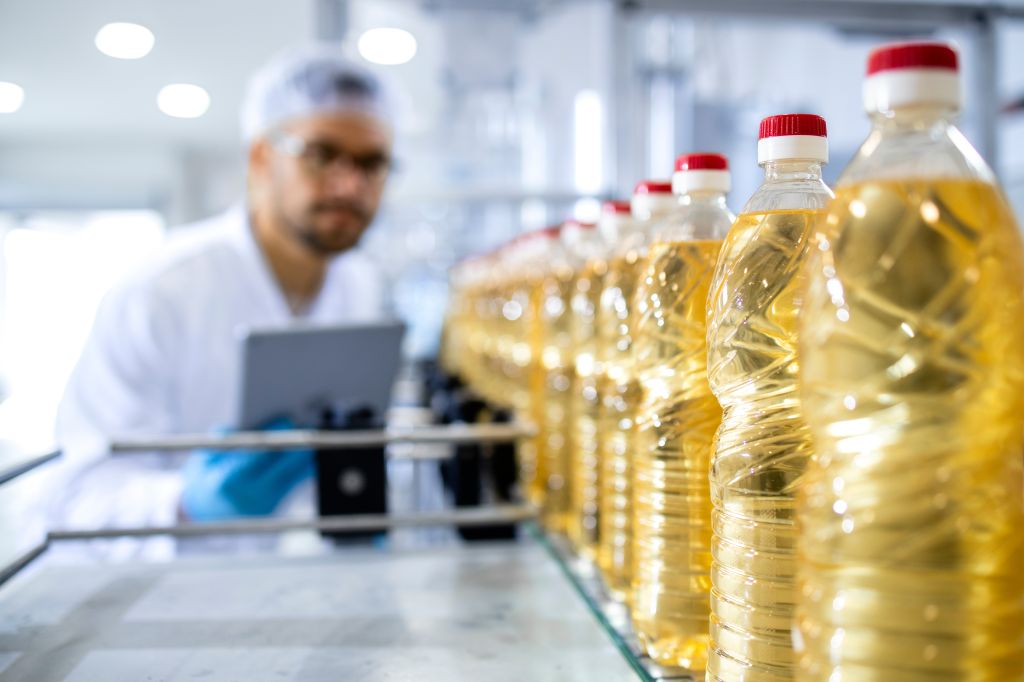
However, excessive fat from low-quality sources, such as seed oils, significantly contributes to oxidative stress, inflammation, and weight gain, all of which increase the risk of poor kidney health.
Replacing ultra-processed fats with natural, stable fats, such as pasture-raised tallow or lard, cold-pressed avocado oil, and EVOO, supports kidney health by reducing inflammation, oxidative stress, and metabolic strain.
3. Foods with added phosphorus
While phosphorus is a naturally occurring essential mineral, excessive intake, particularly from added phosphorus found in processed meats, packaged foods, sodas, and certain convenience products, can stress the kidneys.
Limiting foods with added phosphorus and focusing on nutritious natural phosphorus sources, such as eggs, meats, and nuts, can help maintain mineral balance and may reduce unnecessary strain on kidney filtration demands.

Lifestyle tips to support kidney health
Beyond food choices, you can adopt daily habits that influence how efficiently the kidneys filter blood and maintain fluid and mineral balance.
Lifestyle practices that help reduce unnecessary stress on the kidneys include:
- Maintaining balanced hydration and electrolyte intake
- Drinking antioxidant-rich herbal teas
- Practicing regular gentle exercise
- Managing stress
- Prioritizing consistent restorative sleep
Additionally, reducing exposure to toxins can significantly reduce the kidneys’ workload. Avoiding alcohol, artificial fragrances, and chemical additives, as well as unnecessary or excessive use of antibiotics and other drugs and medications, can help reduce the kidneys’ detoxification burden.
Because individual needs vary, those with concerns about kidney health should seek guidance from a qualified healthcare professional before making significant dietary or lifestyle changes.
Key takeaways
- The best foods to help improve kidney function support mineral balance, stable blood sugar levels, inflammatory balance, and healthy blood pressure.
- Low-oxalate vegetables, magnesium-rich foods, fermented foods, garlic, onions, and cold-pressed EVOO are excellent choices to support kidney health.
- Diets high in sugar, refined carbohydrates, and ultra-processed foods can increase oxidative stress and disrupt fluid and mineral balance, increasing filtration strain.
- Balanced hydration, antioxidant-rich herbal teas, gentle movement, restorative sleep, and lower toxin exposure can further support long-term kidney health.
FAQ
- 1. What are the best foods to improve kidney function?
- 2. How do you strengthen your kidney function?
- 3. How much water should you drink for kidney health?
- 4. What is the best drink for healthy kidneys?
- 5. What are the early warning signs of kidney problems?
Sources
- Causes of Chronic Kidney Disease in Adults – NIDDK. National Institute of Diabetes and Digestive and Kidney Diseases. Accessed 2026. https://www.niddk.nih.gov/health-information/kidney-disease/chronic-kidney-disease-ckd/causes
- Unwin D, Unwin J, Crocombe D, Delon C, Guess N, Wong C. Renal function in patients following a low carbohydrate diet for type 2 diabetes: a review of the literature and analysis of routine clinical data from a primary care service over 7 years. Current Opinion in Endocrinology, Diabetes & Obesity. 2021;28(5):469-479. https://journals.lww.com/co-endocrinology/fulltext/2021/10000/renal_function_in_patients_following_a_low.8.aspx
- Sakaguchi Y, Hamano T, Isaka Y. Magnesium and Progression of Chronic Kidney Disease: Benefits Beyond Cardiovascular Protection?. Advances in Chronic Kidney Disease. 2018;25(3):274-280. https://www.sciencedirect.com/science/article/abs/pii/S1548559517302021
- Rysz J, Franczyk B, Ławiński J, Olszewski R, Ciałkowska-Rysz A, Gluba-Brzózka A. The Impact of CKD on Uremic Toxins and Gut Microbiota. Toxins. 2021;13(4):252. https://www.mdpi.com/2072-6651/13/4/252
Related Articles
-
6 Tips to Lower Uric Acid Naturally
 Health concerns
6 Tips to Lower Uric Acid Naturally
At a glance Uric acid is a natural byproduct of metabolism, but diet, lifestyle, and metabolic factors can influence the body’s ability to eliminate it efficiently, which may lead to…04/09/2025 46.9k views -
Understanding High Creatinine on Keto
 Diet
DietUnderstanding High Creatinine on Keto
At a glance Creatinine is a natural waste product of muscle metabolism. It’s common to see slightly higher creatinine levels on keto due to increased protein intake, muscle preservation, or…04/09/2025 11.7k views -
What Are the First Signs of Kidney Disease?
 Health concerns
What Are the First Signs of Kidney Disease?
At a glance Kidney disease often develops from poor dietary and lifestyle habits and can lead to severe, sometimes life-threatening complications. The first signs of kidney disease vary but may…04/09/2025 8.5k views -
Chronic Kidney Disease: Warning Signs, Causes, and Remedies
 Health concerns
Chronic Kidney Disease: Warning Signs, Causes, and Remedies
At a glance Chronic kidney disease (CKD) affects the kidneys’ ability to filter waste, regulate fluids, and maintain electrolyte balance. It develops gradually and can progress through five stages, ranging…04/09/2025 19.2k views


